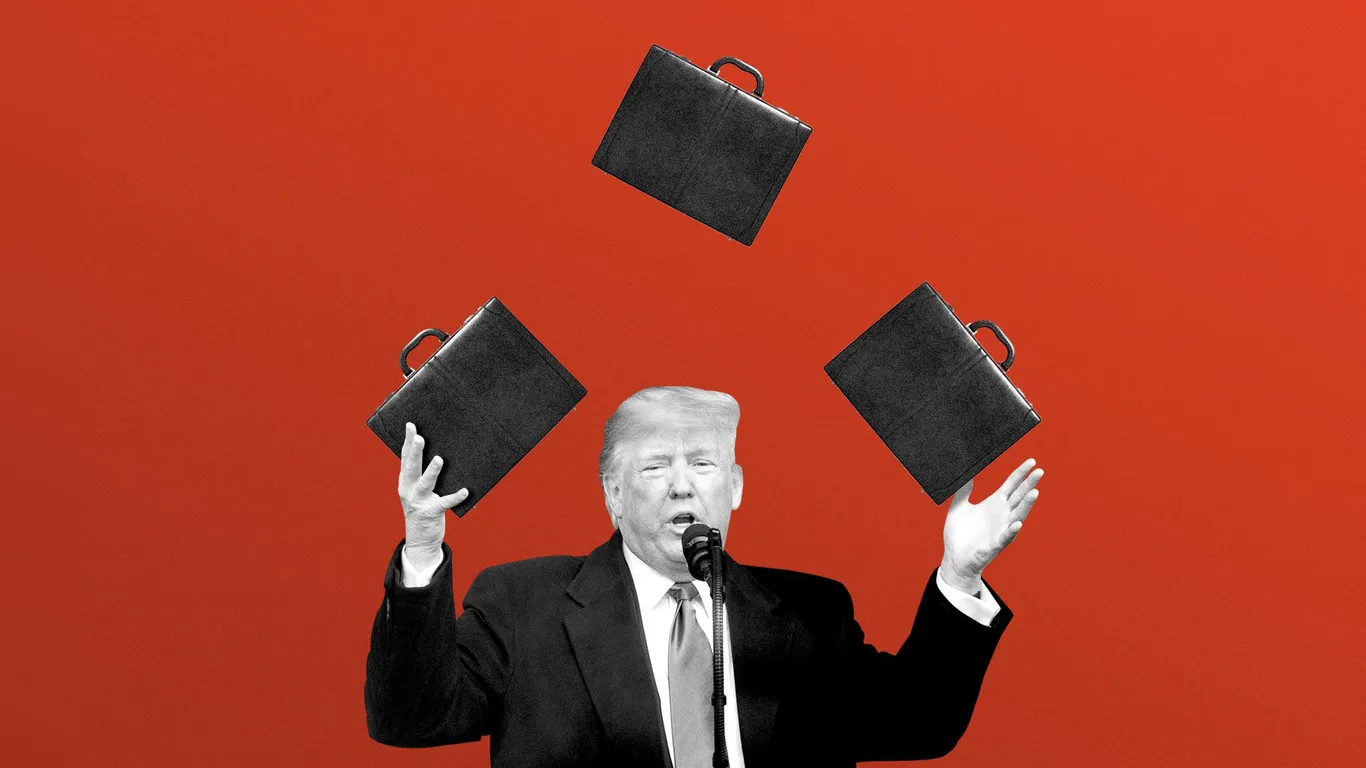
A Microsoft scientist warns that US President Trump's cuts to academia could jeopardize the country's leadership in artificial intelligence, highlighting concerns about reduced research funding and collaboration.
The article contrasts China's strict AI controls with the United States' more open, free-market approach to technology regulation, highlighting differing governmental strategies in managing artificial intelligence development.
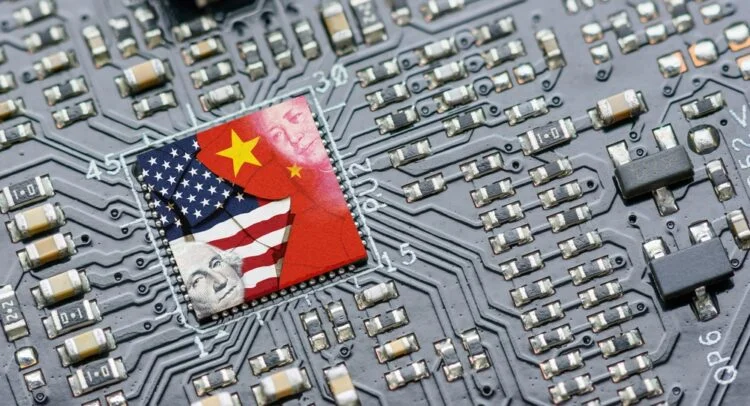
The US is considering a new approval system for exports of chipmaking supplies to Samsung and SK Hynix factories in China, requiring annual approval for restricted items, which aims to increase oversight while allowing continued operations but poses planning challenges and geopolitical tensions.
The article discusses a more thoughtful and strategic approach to AI regulation, emphasizing the importance of balanced policies that foster innovation while ensuring safety and ethical standards. It highlights the need for collaboration between industry leaders and regulators to develop effective frameworks for AI governance.
The US Senate voted 99-1 to remove a 10-year moratorium on state AI regulations from a broader domestic policy bill, signaling support for ongoing AI oversight and accountability efforts amid concerns over a federal regulatory gap.
The article discusses how MAGA leaders are balancing the promotion of AI for economic dominance with concerns over its potential to cause massive job losses, especially among white-collar workers, amid warnings from AI experts about the risks of unemployment and economic upheaval.
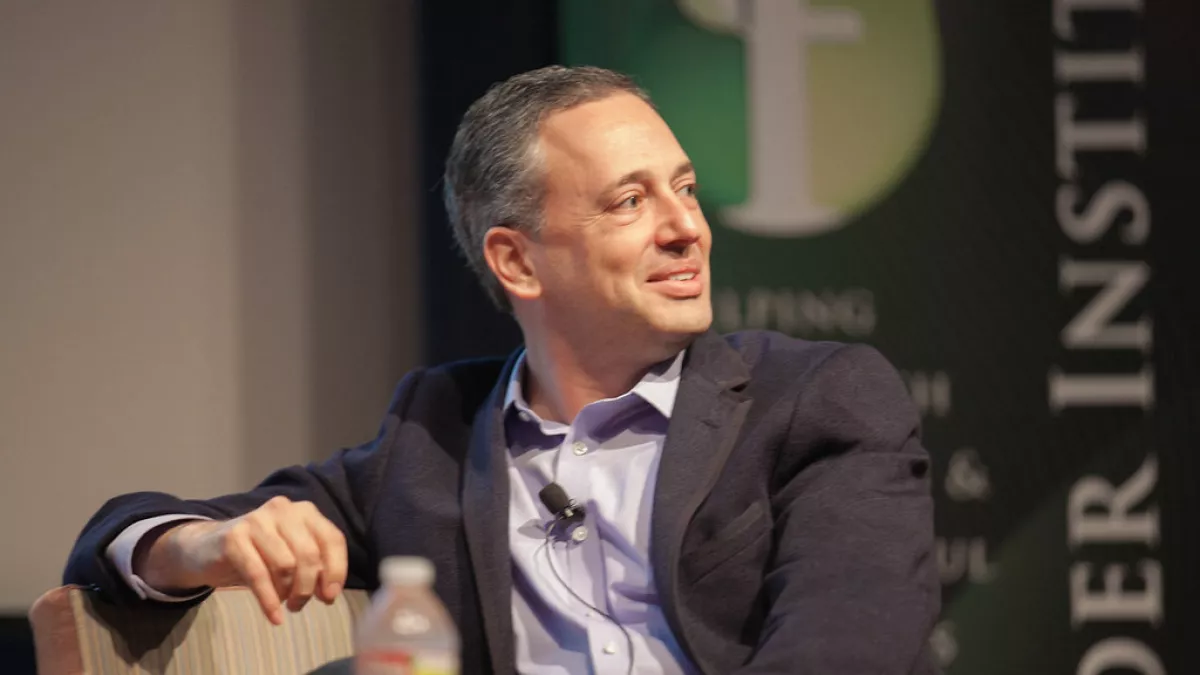
President-elect Donald Trump has appointed David Sacks as his new head of artificial intelligence and cryptocurrency policy. Sacks, a tech entrepreneur and member of the "PayPal Mafia," will focus on safeguarding free speech online, addressing Big Tech bias, and establishing a legal framework for the US crypto industry. He will also lead the Presidential Council of Advisors for Science and Technology. Sacks has a background in tech and film production, having co-founded companies like Yammer and invested in numerous tech ventures.
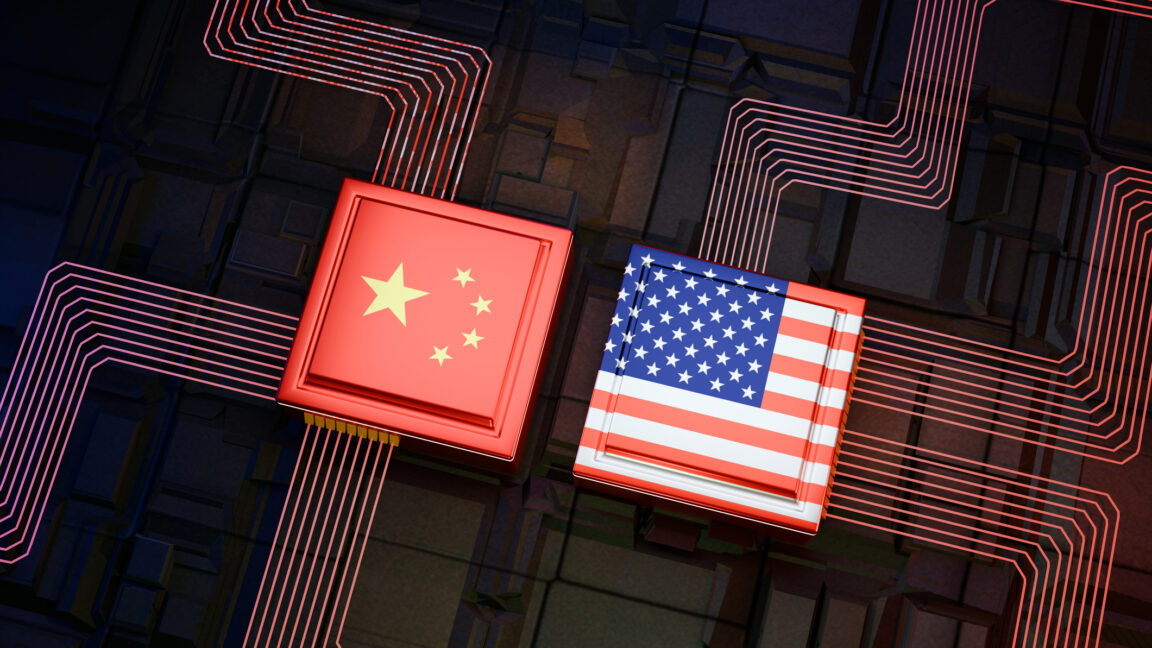
The US has implemented new export controls to restrict China's access to US-made semiconductor technology, aiming to hinder China's military modernization. However, analysts argue these measures are less effective than previous rounds, as China had time to stockpile technology and exploit loopholes. Critics highlight that the controls fail to blacklist key companies and restrict older technologies, potentially undermining the policy's intended impact.