
Microsoft flags China's lead in AI beyond the West
A Financial Times article reports Microsoft warns China is winning the AI race outside the Western world, signaling a shift in global tech leadership and prompting policy and security questions.

All articles tagged with #ai competition
A Financial Times article reports Microsoft warns China is winning the AI race outside the Western world, signaling a shift in global tech leadership and prompting policy and security questions.
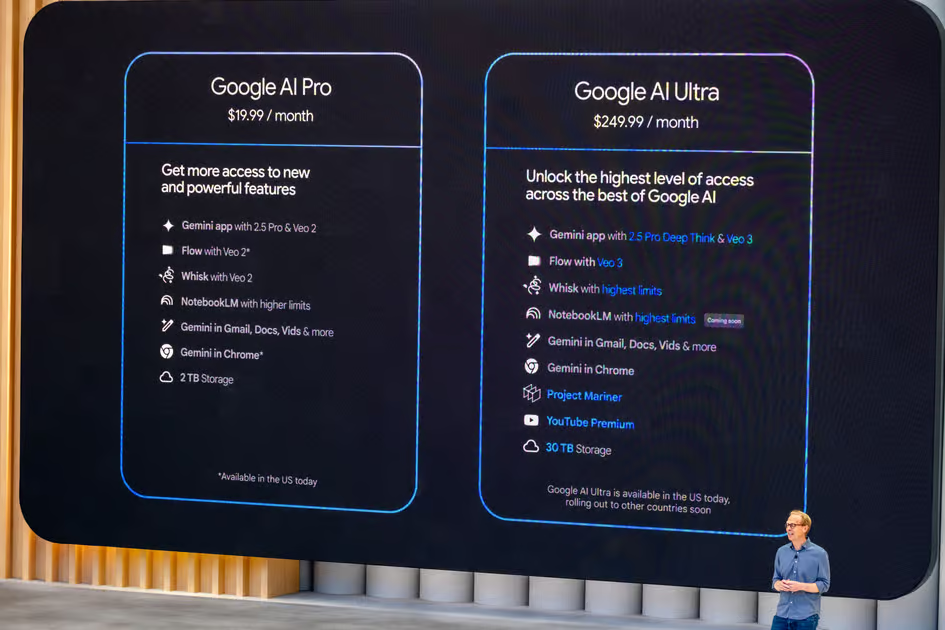
Google's AI efforts, led by VP Josh Woodward, aim to catch up with OpenAI's ChatGPT through strategic leadership and innovative hardware like TPUs, with Gemini gaining significant user traction and targeting key demographics, but it still trails behind ChatGPT in global user numbers.

OpenAI CEO Sam Altman faces significant challenges from financial pressures, safety concerns, and competition from Google's Gemini, prompting a company-wide focus on improving ChatGPT amidst rising industry and market pressures.

OpenAI CEO Sam Altman has declared a 'code red' for ChatGPT, delaying plans to introduce advertising and focusing instead on improving ChatGPT's capabilities, personalization, and reliability to stay competitive with Google and Anthropic. The company aims to enhance user experience and expand access while avoiding losing users to rivals, with a new reasoning model expected soon.

Palantir remains a dominant player in defense AI with strong revenue growth, but its high valuation prompts investors to consider competitors like ServiceNow, C3.ai, IBM, Booz Allen Hamilton, and SAIC, which are also benefiting from government contracts and AI demand, though at different growth and valuation levels.
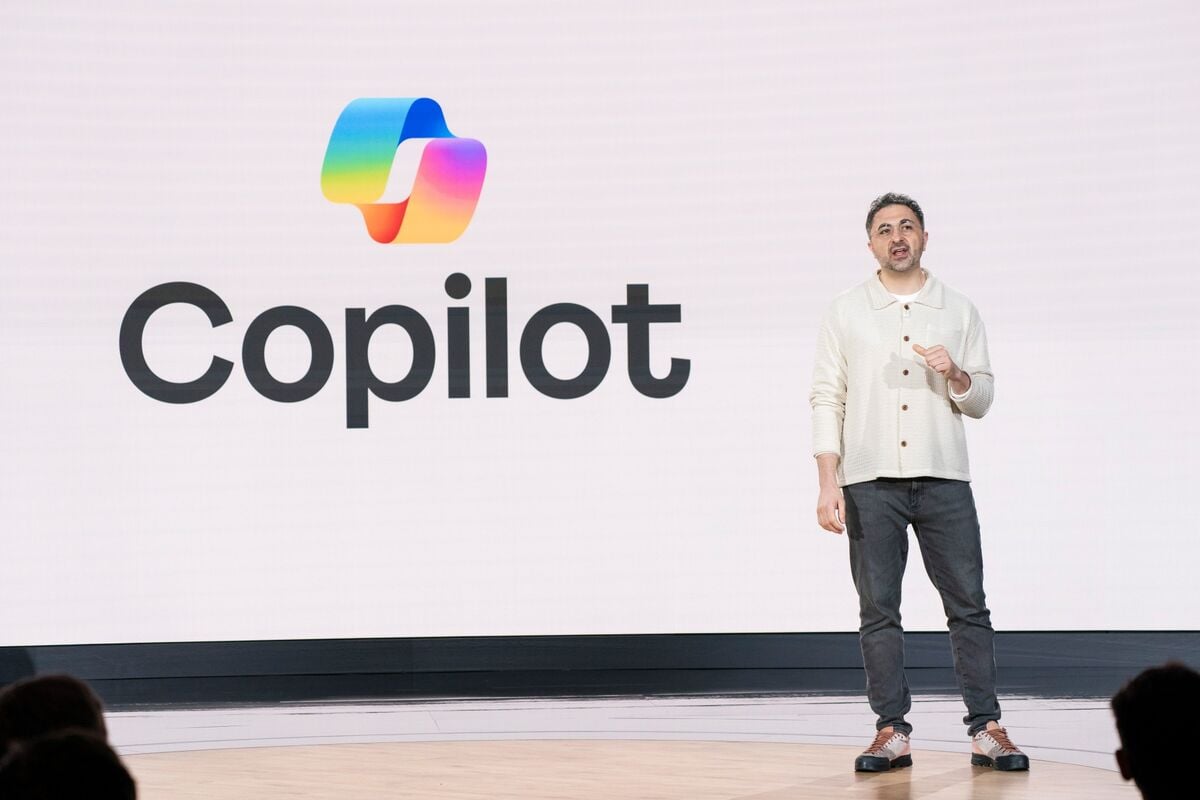
Microsoft is once again positioning itself in the AI space, playing a 'me too' role in the ongoing competition with OpenAI, amid broader industry growth and regulatory scrutiny, including a Bank of England review of data center lending due to the AI boom.
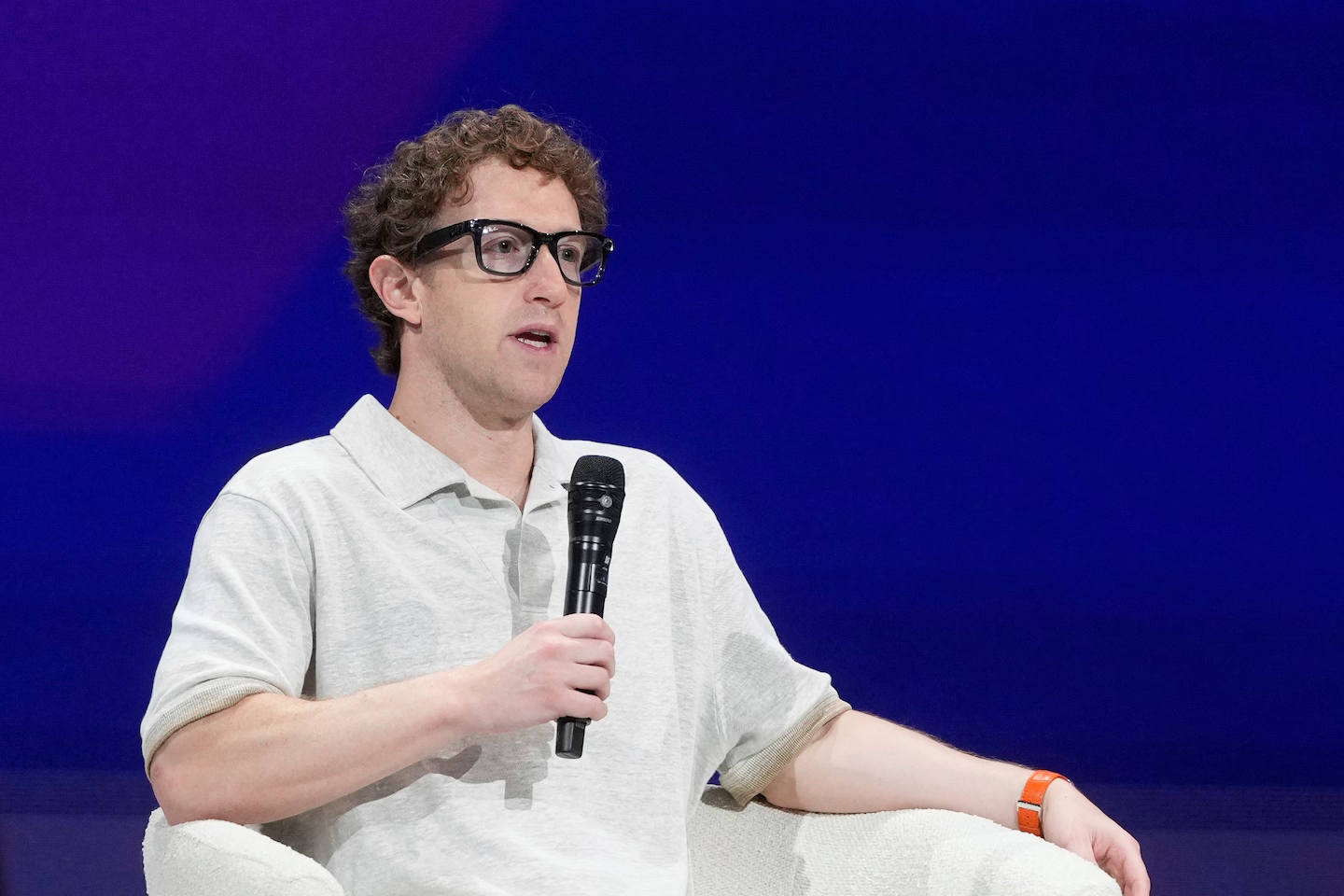
Meta is cutting about 600 jobs in its AI division to streamline operations and enhance its competitiveness in the global AI race, as part of a broader workforce reorganization.
OpenAI has launched Atlas, a new web browser integrated with ChatGPT, aiming to compete with Google Chrome by offering AI-powered browsing features. The move could increase traffic and revenue for OpenAI but faces significant challenges against Chrome's dominance. The browser's innovative 'agent mode' allows AI to navigate the web on users' behalf, raising questions about privacy and the future of browsing. Despite the potential, market competition and user adoption remain significant hurdles.

OpenAI has launched ChatGPT Atlas, an AI-powered web browser for MacOS that integrates ChatGPT features into browsing, with support for Windows, iOS, and Android coming soon, challenging existing AI-enhanced browsers like Google's Gemini and Perplexity.
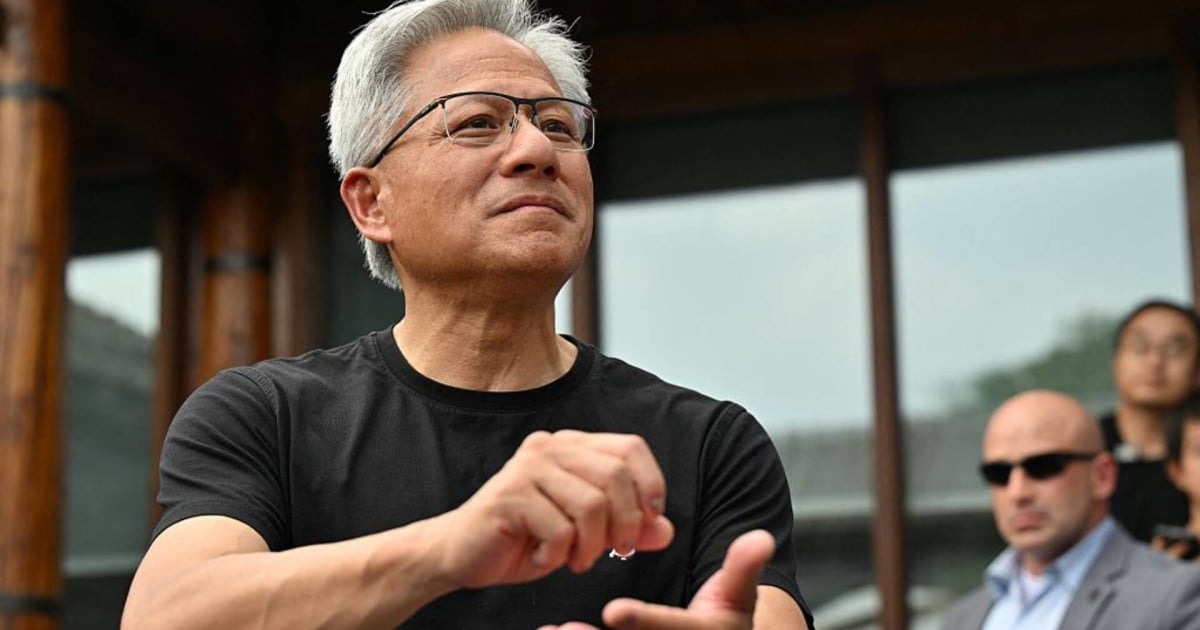
Nvidia has achieved a major AI milestone with a $40 billion data center deal involving Microsoft and BlackRock, reinforcing its leadership in AI hardware and software. CEO Jensen Huang expressed regrets over missed investments in xAI and CoreWeave, highlighting the competitive and rapidly evolving AI landscape. Despite its dominance, Nvidia faces challenges from geopolitical restrictions and rivals like AMD, but its comprehensive AI ecosystem and infrastructure investments keep it at the forefront.
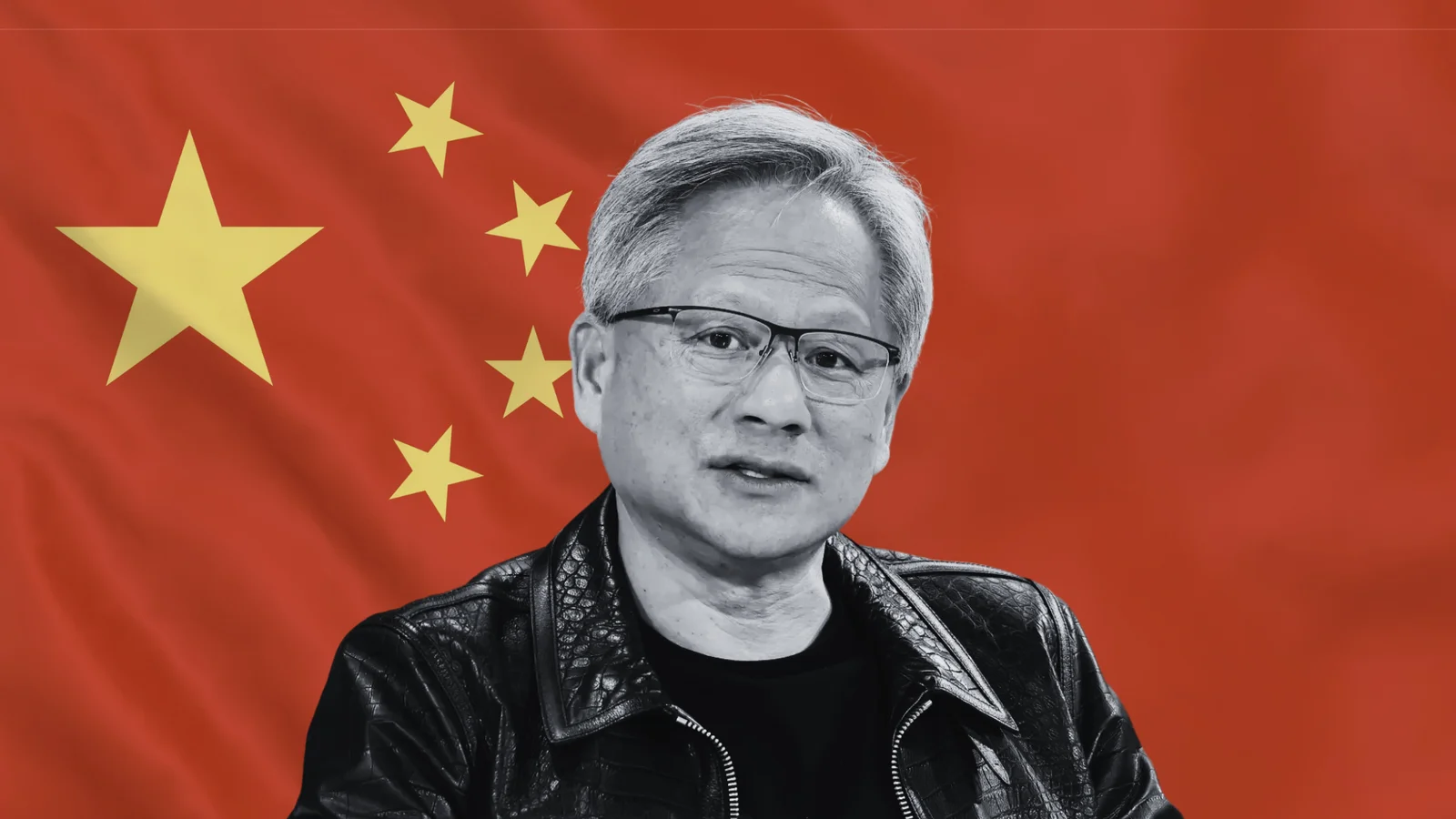
NVIDIA's CEO Jensen Huang announced that the company's market share in China has dropped from 95% to 0% due to China's shift to domestic AI solutions and geopolitical tensions, leaving NVIDIA without current solutions for Chinese tech giants and facing increased competition from local companies like Huawei. The company's future in China remains uncertain as it awaits regulatory approval and navigates restrictions imposed by the US government.

The article discusses the complex and intertwined relationships among major tech companies in the AI race, highlighting unprecedented collaborations, dependencies, and risks as they compete to lead in artificial intelligence development, with a focus on recent deals and strategic entanglements that could have long-term implications.
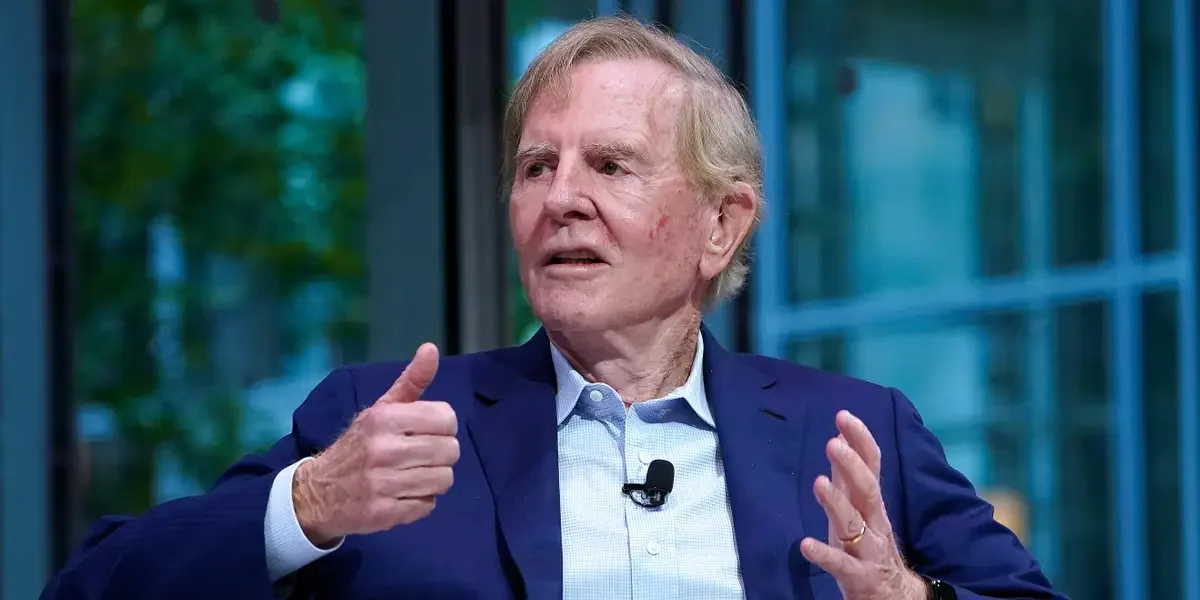
Apple's former CEO John Sculley states that OpenAI is now Apple's main competitor in the AI space, highlighting that AI has not been a strong suit for Apple and emphasizing the need for the company to shift from the apps era to the agentic AI era, which involves autonomous, task-performing AI agents.

Goldman Sachs suggests that while there are some signs of a bubble in tech stocks driven by exuberance around AI, the current rally is primarily supported by fundamental growth and strong company profits, with competition being the main risk that could trigger a correction rather than a bubble burst.
Alphabet has reached a $3 trillion valuation for the first time, driven by strong stock performance and positive analyst sentiment, but investors should consider resizing their positions due to high valuation and ongoing AI and antitrust risks.