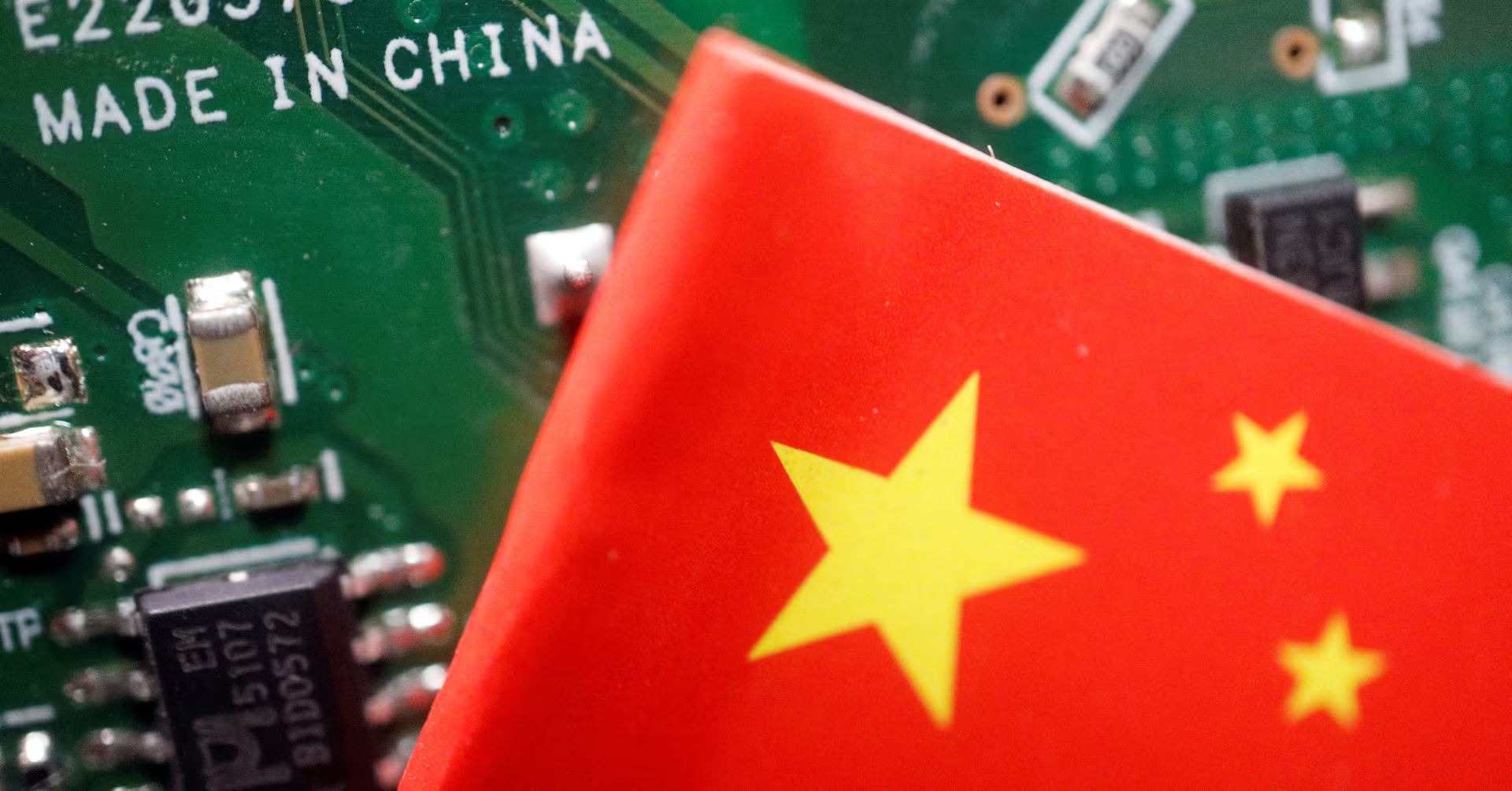
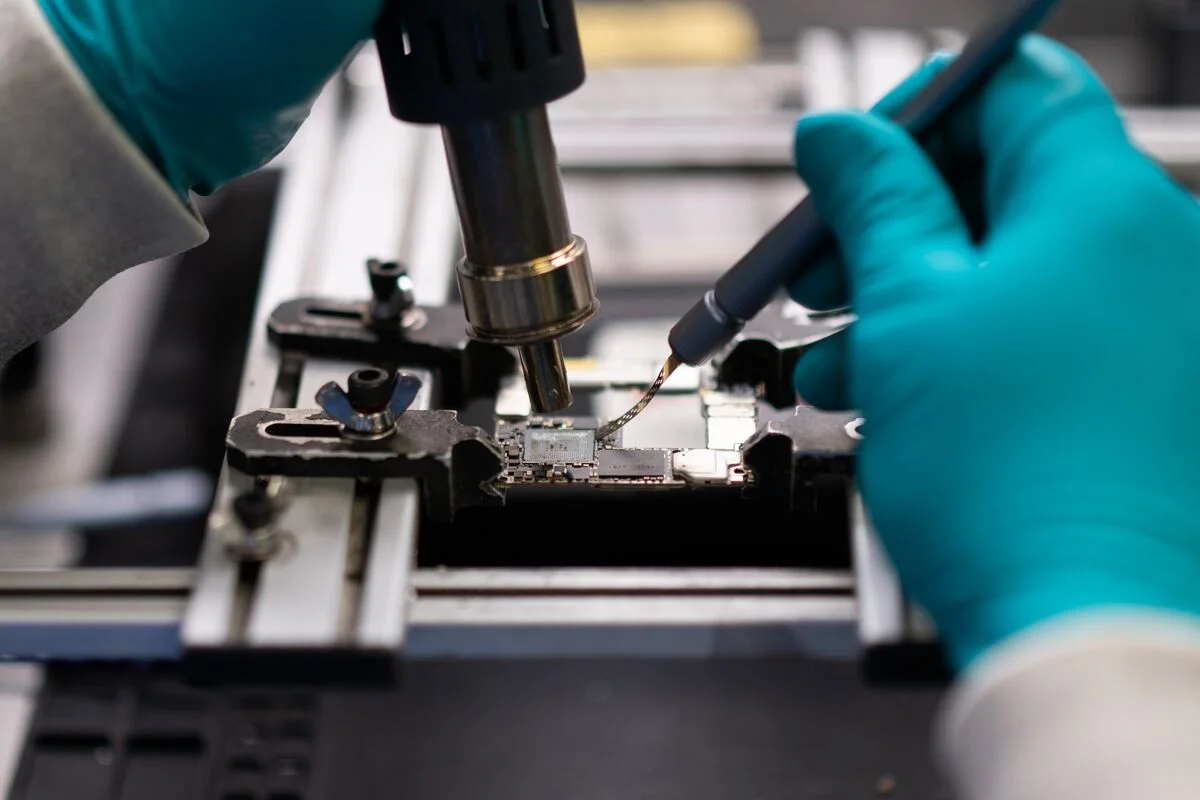
Chinese scientists in Shenzhen have built a prototype EUV lithography machine, marking a significant step toward semiconductor independence and rivaling Western technology, with testing underway and a target to produce working chips by 2028 or 2030, despite ongoing technical challenges and US-led export restrictions.
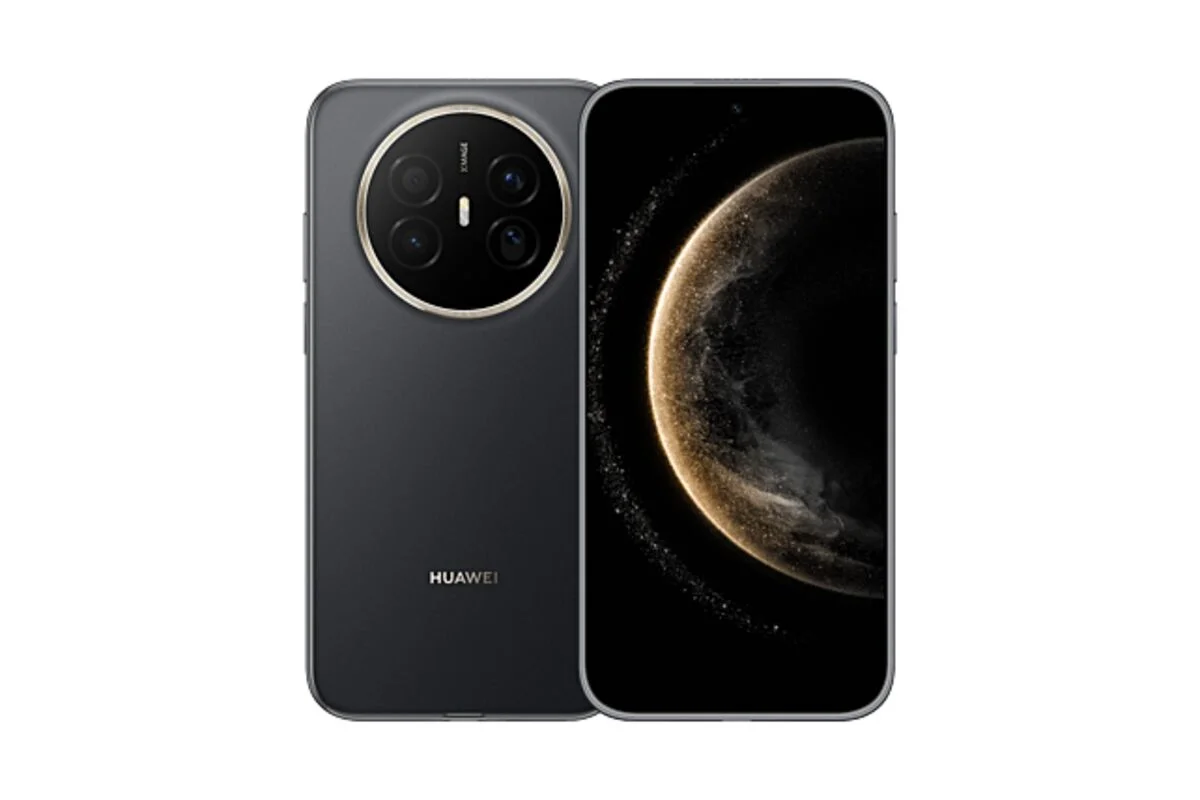
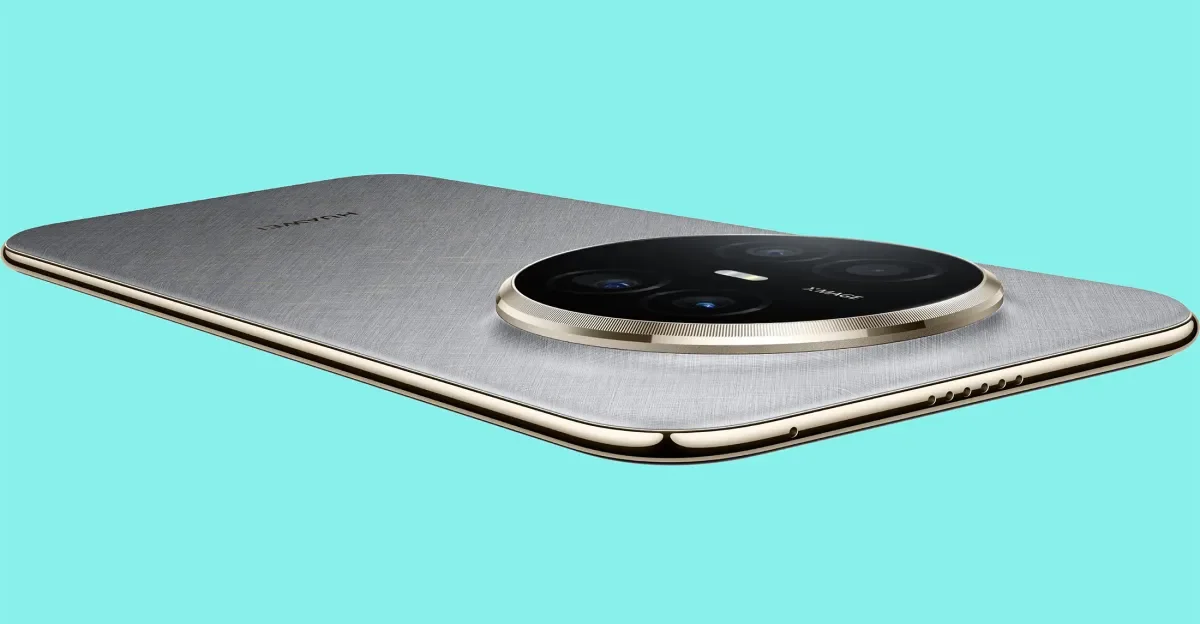
Huawei has launched the Mate 70 Air, a thin smartphone priced at $590 that directly competes with Apple's iPhone Air, targeting design-conscious consumers in China. The device features a 7-inch display, stereo speakers, and a large 6,500mAh battery, offering a more affordable alternative to Apple's premium model, and signals increased competition among Chinese smartphone makers against Apple.
Huawei's Mate 70 Air is a relatively thick 6.6mm for a thin phone but compensates with a large 6,500mAh battery and a 7-inch screen. It offers two processor options and a triple rear camera, and is currently available only in China starting at ¥4,199 (~$590).
Major U.S. online retailers have removed millions of listings for prohibited Chinese electronics, including devices from Huawei, ZTE, and Hikvision, as part of the FCC's ongoing efforts to address national security concerns related to Chinese technology. The FCC is tightening restrictions and planning to prohibit the sale of certain Chinese-made telecommunications equipment to prevent potential surveillance and disruptions, reflecting escalating tensions between the U.S. and China.
China has blacklisted TechInsights, a Canadian research firm that exposed Huawei's AI chip secrets and reliance on foreign components, citing activities deemed against China's interests, including alleged military-technical cooperation with Taiwan and malicious remarks. This move restricts TechInsights from doing business in China and adds other foreign entities to China's Unreliable Entity list.
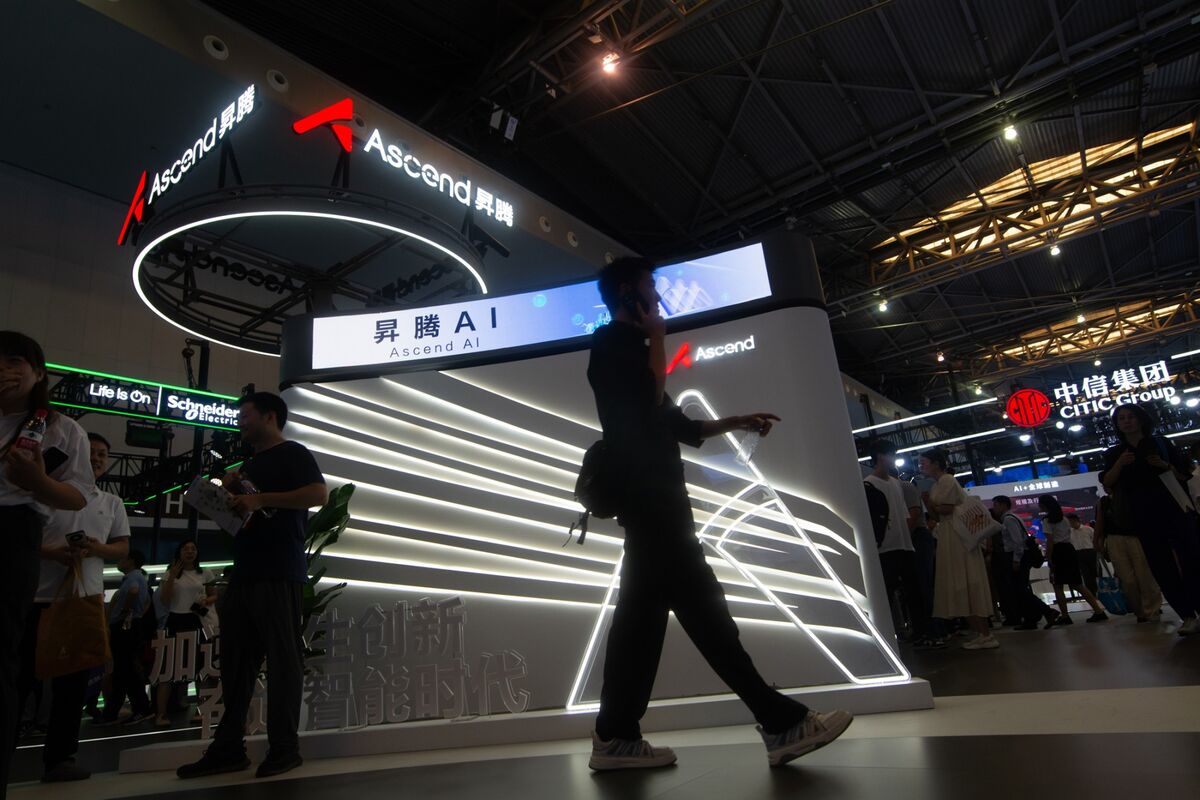
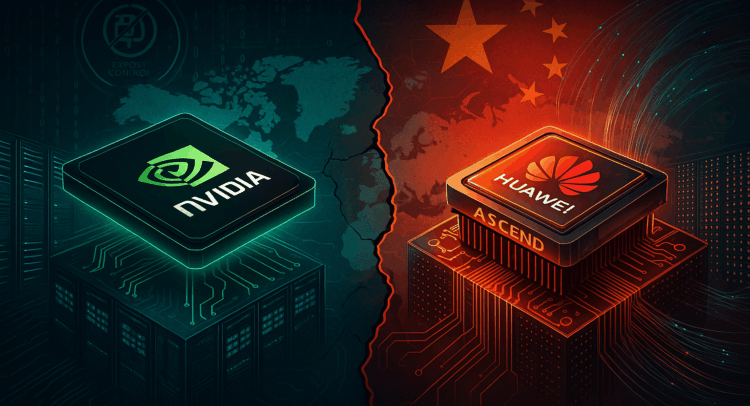
Huawei's executive claims that chip process technology isn't the main barrier to scaling AI compute capabilities, highlighting architectural and software advancements that have led to three times higher efficiency than NVIDIA's H20 chip. Huawei's Ascend Cloud Platform is positioning itself as a global alternative to NVIDIA, with ongoing efforts to expand support for large language models and develop rival architectures, challenging US dominance in AI hardware.
Huawei plans to double its production of advanced AI chips, specifically the Ascend 910C, to around 600,000 units in 2026, aiming to challenge Nvidia's dominance in China’s semiconductor market amid US sanctions and geopolitical challenges. The company is also developing new chips with more powerful designs, targeting self-reliance and increased market share in AI hardware.
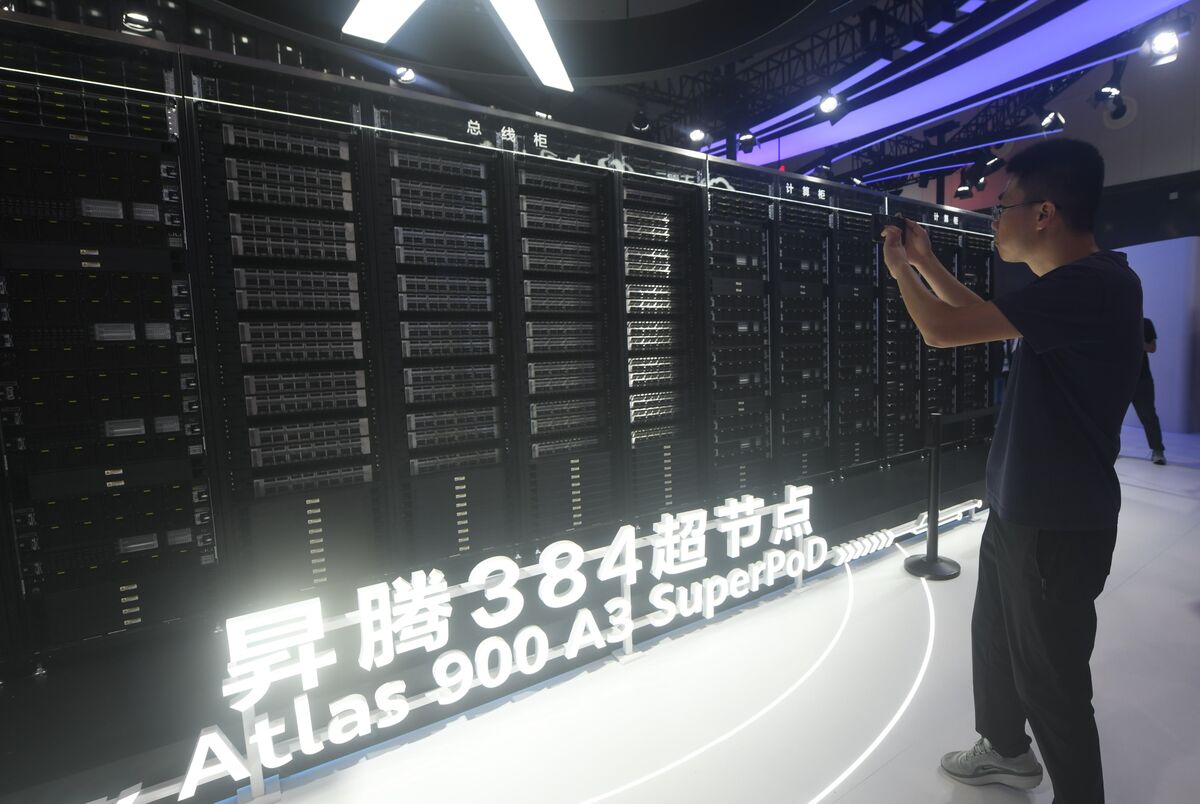
Huawei has revealed its three-year plan to develop a series of AI chips, including the Ascend 950, 960, and 970, aiming to reduce dependence on US technology and compete with American industry leaders. The company is also working on innovative interconnect protocols and large-scale AI infrastructure like SuperPoDs and SuperClusters, positioning itself as a major player in the global AI hardware industry.
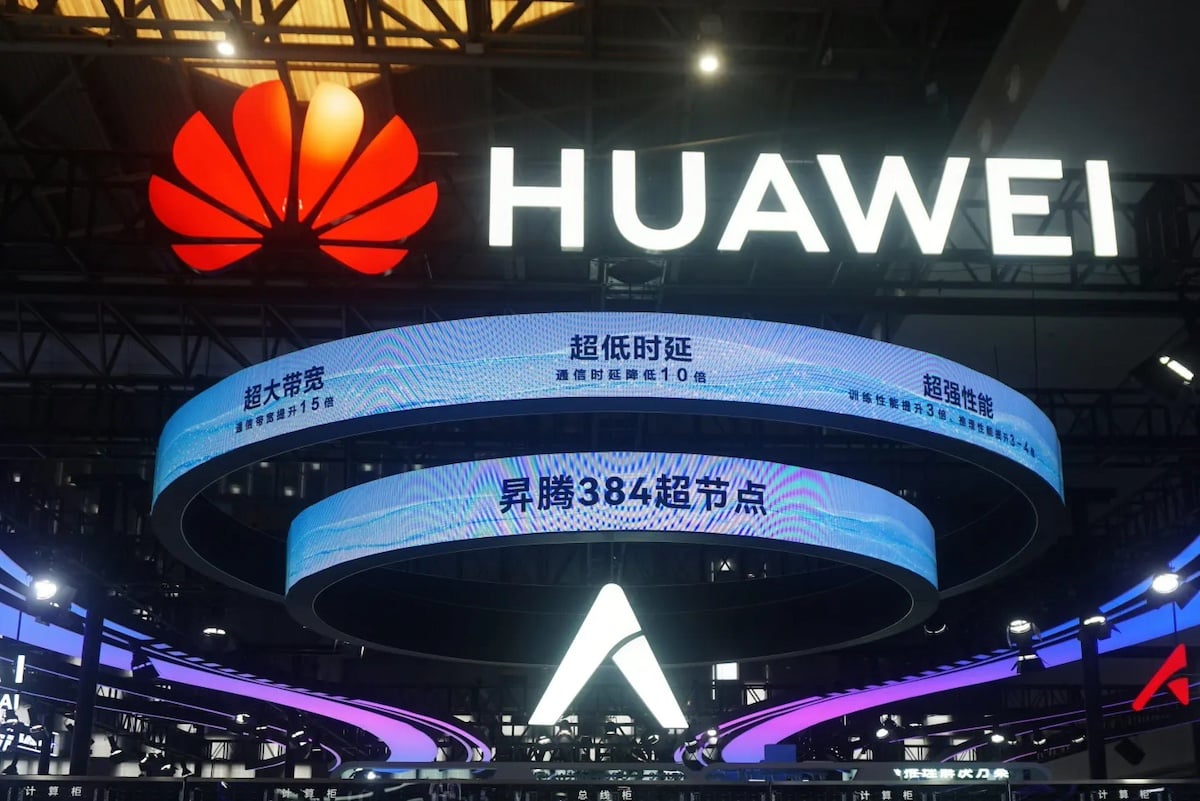
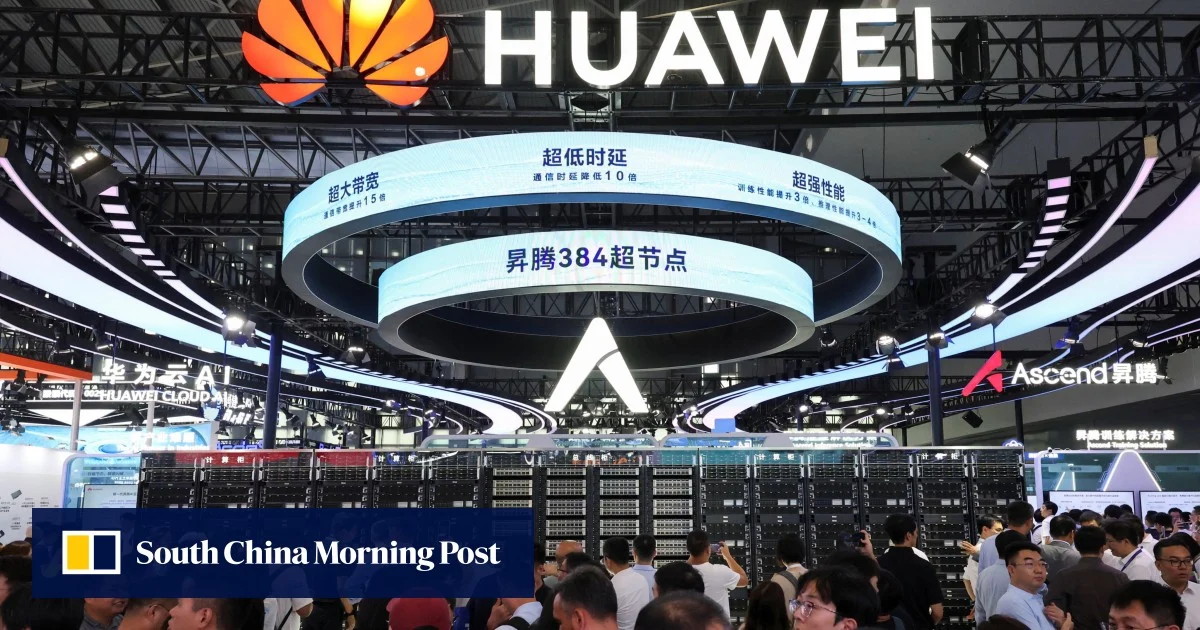
Huawei announced a new AI infrastructure, SuperPoD Interconnect, capable of linking up to 15,000 graphics cards to enhance compute power and compete with Nvidia, especially as China bans Nvidia hardware domestically.
Huawei has announced a new chip strategy aimed at competing with Nvidia in the AI market, signaling its intent to strengthen its position in the semiconductor industry.
Huawei announced a multiyear plan to challenge Nvidia in AI hardware, unveiling new SuperPod clusters capable of linking thousands of Ascend neural processing units, with upcoming chip generations and self-designed high-bandwidth memory, as part of China's push for self-reliance amid US export restrictions on advanced semiconductor technology.
Huawei announced a breakthrough in AI hardware by developing a powerful supernode computing cluster using local Chinese chipmaking processes, bypassing Nvidia chips, as part of China's efforts to achieve technological self-reliance amid US export restrictions.
Apple's stock (AAPL) declined as Chinese smartphone manufacturer Huawei challenged the market with new offerings, intensifying competition in the smartphone industry.
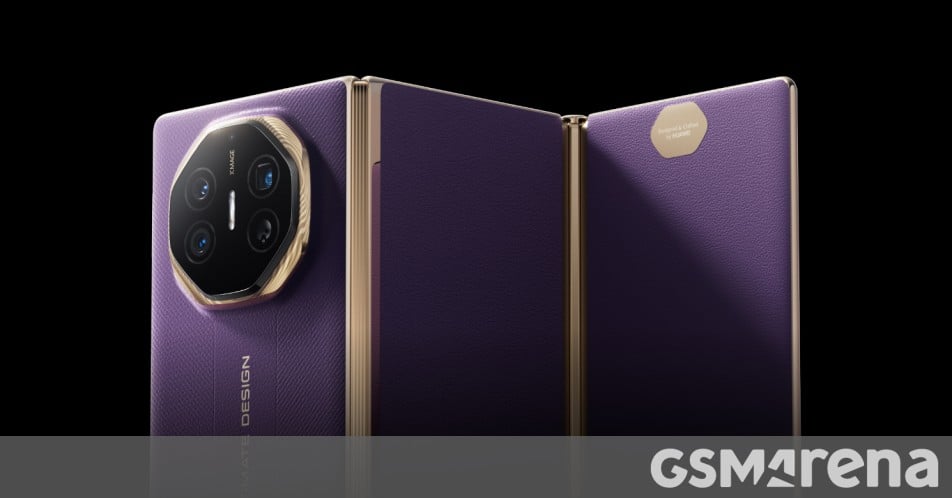
Huawei announced the Mate XTs, a tri-fold foldable smartphone featuring a 10.2-inch OLED display, upgraded 40MP ultrawide camera, Kirin 9020 chipset offering 36% performance boost, and HarmonyOS 5.1, with prices starting at $2,520 in China and no international release details yet.
Huawei has announced the Mate XTs, its second-generation trifold folding phone, featuring stylus support, new colors including purple and white, a Kirin 9020 chipset, and a lower starting price of around $2,520 in China. The device offers a 10.2-inch display that folds down to smaller sizes and arrives ahead of Samsung's upcoming foldable phone.