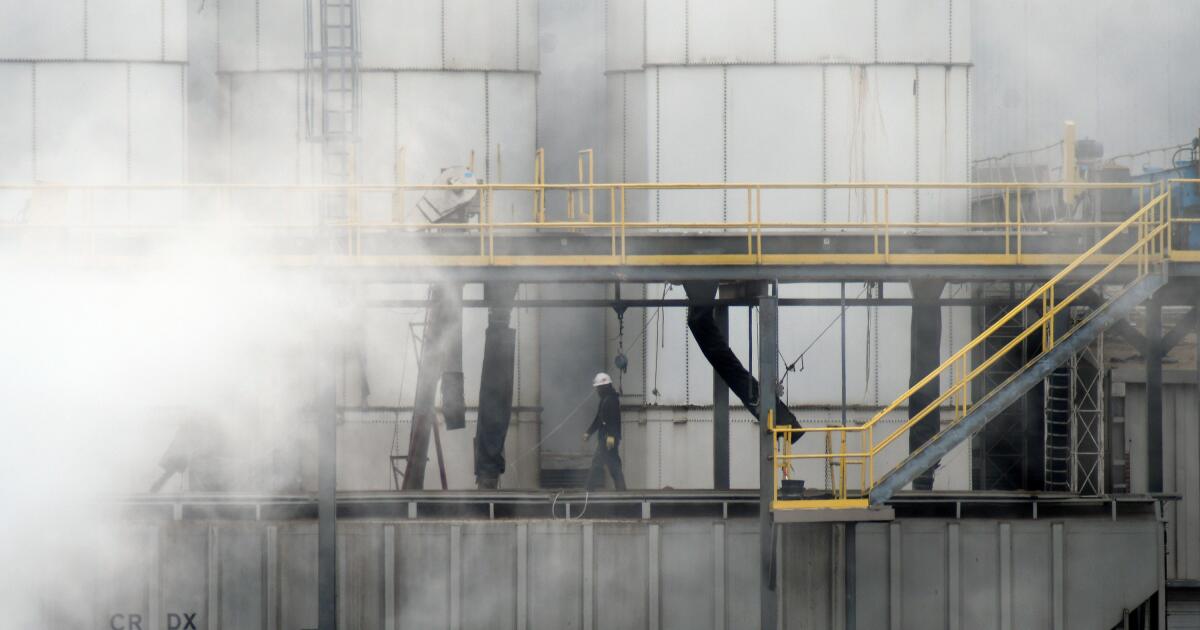
The closure of Tyson Foods' beef plant in Lexington, Nebraska, after over two decades, is threatening to devastate the small town's economy, displacing 7,000 jobs and risking the community's American Dream, with many residents facing uncertain futures and potential mass migration.
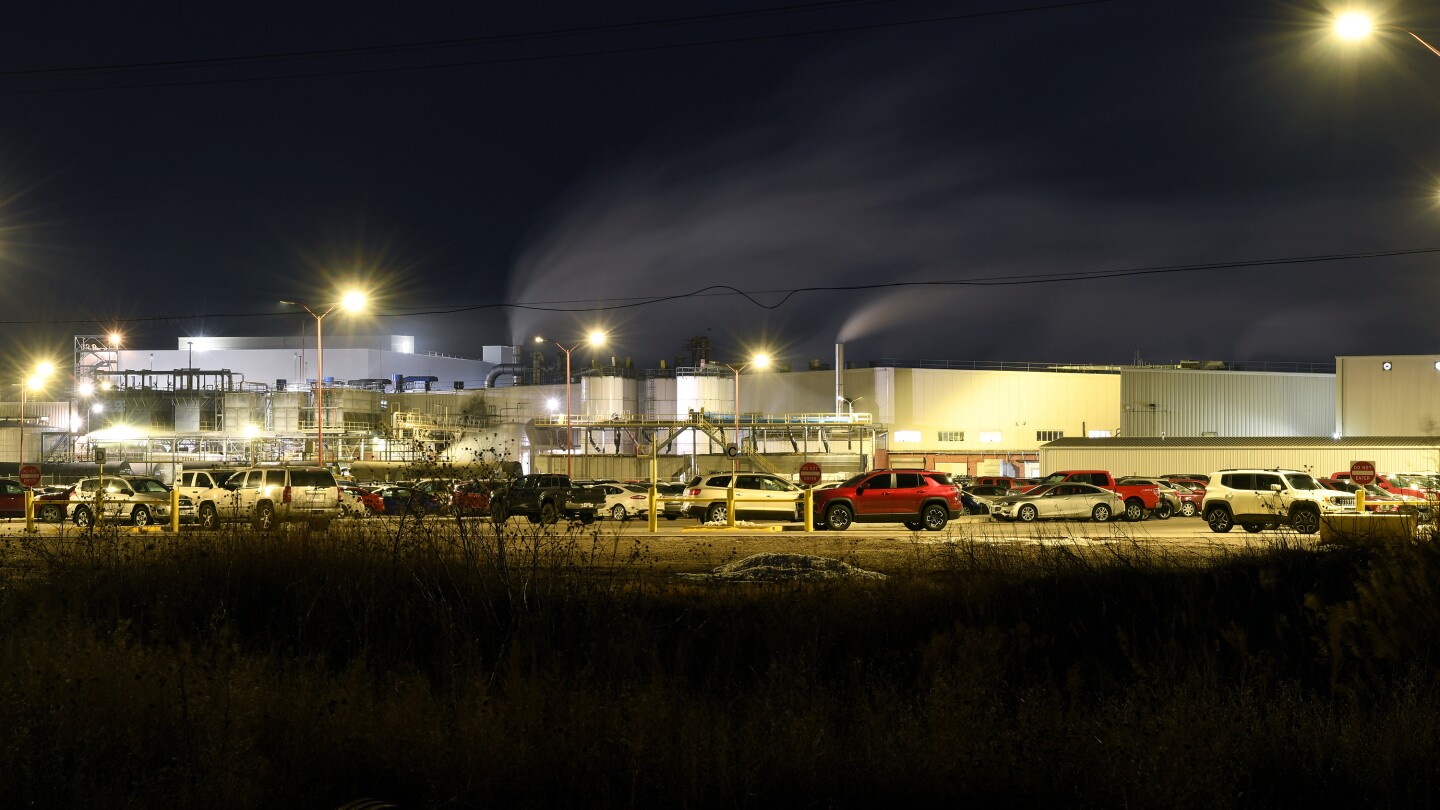
The Tyson beef plant in Lexington, Nebraska, set to close on January 20 after over three decades, will result in the loss of 3,200 jobs, threatening the small town's economy and community fabric, with broader impacts expected across the region.
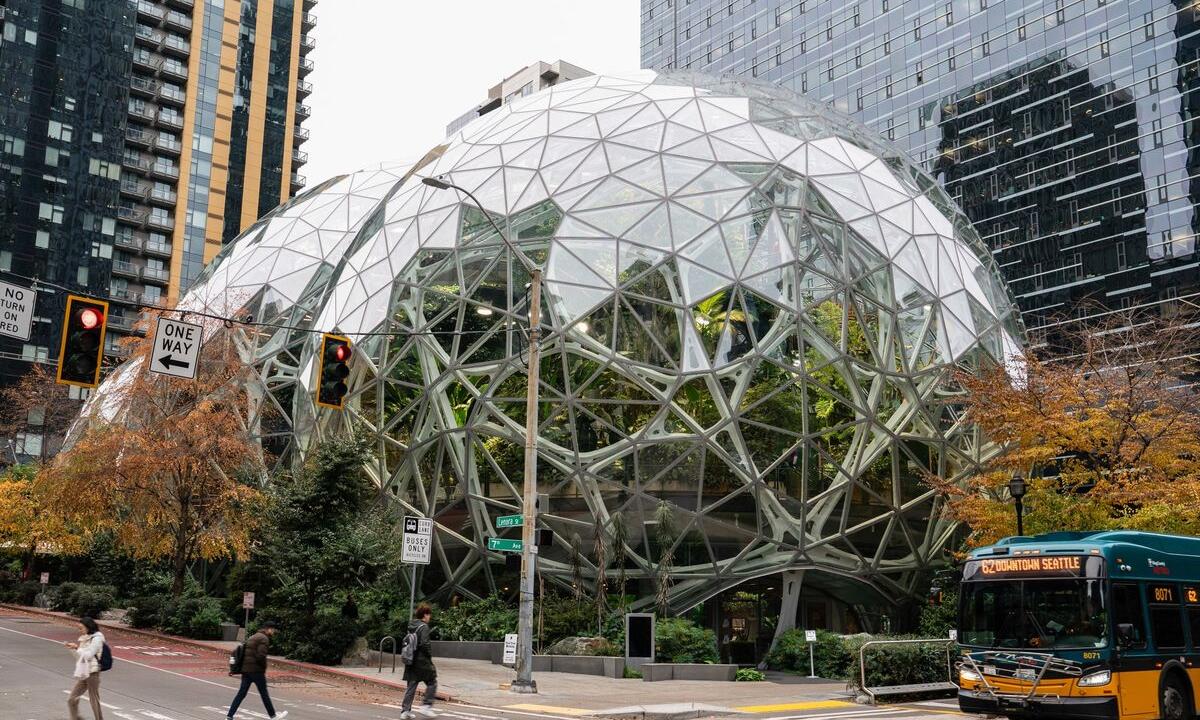
Amazon's global layoffs have caused panic among employees at its Hyderabad office, with nearly all departments affected and some teams halved in size, leading to fears of job insecurity and concerns over sudden terminations without prior notice.
Amazon has laid off 14,000 employees, with many sharing their experiences on social media platforms like TikTok and LinkedIn, using humor and emotional posts to cope and seek support.
A report claims EA is rapidly integrating AI into its operations, including coding, QA testing, and employee training, raising concerns about job security and the future of creative roles in game development, especially amid a potential acquisition and cost-cutting measures.
California's shift away from fossil fuels is leading to refinery closures and potential job losses for thousands of oil workers, with ongoing debates about how to support displaced workers amid changing policies and market dynamics.
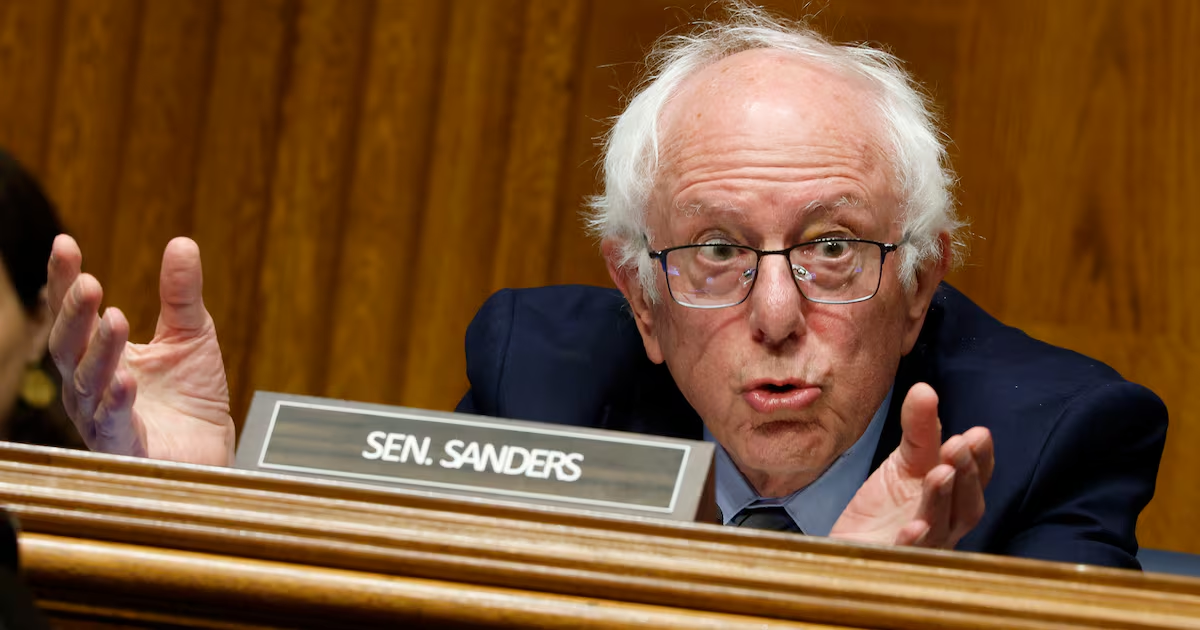
Vermont Senator Bernie Sanders proposes a 'robot tax' on large corporations to redistribute wealth and support workers impacted by AI automation, addressing concerns over potential massive job losses and the widening productivity-wage gap. The idea is akin to a universal basic income, aiming to ensure economic fairness as AI advances.
A Senate Democrats report warns that AI could eliminate over 100 million jobs in the next decade, with significant impacts on various industries, and criticizes the role of billionaires and tech CEOs in driving automation for profit, proposing policies like a robot tax and shorter workweeks to address the disruption.
Since January 2025, the DC region has experienced faster federal job losses than the national average, a plateau in private sector growth, rising unemployment, and increased housing inventory, signaling early signs of economic distress due to federal downsizing. Despite some resilience in tourism and crime reduction, households face financial strain, and venture capital flows have slowed, raising concerns about the region's long-term economic stability amid federal restructuring.
Amid rising unemployment and a high suicide rate in Trinidad and Tobago, mental health expert Kelly McFarlane emphasizes the importance of coping strategies such as breathing exercises, routines, social support, and peer groups to help affected individuals manage stress and prevent mental health decline. She also highlights free resources available for those in need of assistance.
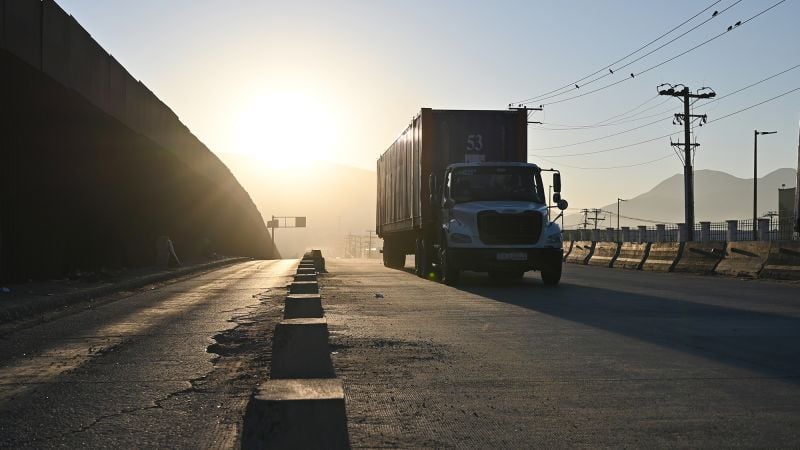
Industries most exposed to tariffs, such as manufacturing, construction, and transportation, are experiencing job losses and negative growth, contradicting President Trump's promise of a manufacturing renaissance. The trade war has caused economic uncertainty, increased costs, and a slowdown in hiring across the US, with foreign-born employment also declining, contributing to a broader labor market slowdown.
International Paper announced the closure of its Savannah and Riceboro locations by the end of September, impacting about 1,100 jobs, as part of its strategic transformation, with support measures in place for affected employees.
The article discusses the challenges of supporting a friend who has recently been fired and is experiencing emotional distress. It emphasizes the importance of offering sympathy and in-person support rather than just texts, and suggests ways to be there for her while respecting her grieving process. The advice encourages shifting from problem-solving to providing emotional comfort and maintaining patience as she recovers.
Laid-off workers are increasingly joining private, invite-only online groups to vent, support each other, and network for new jobs, reflecting a surge in worker resistance and adaptation following pandemic-related layoffs and restructuring.
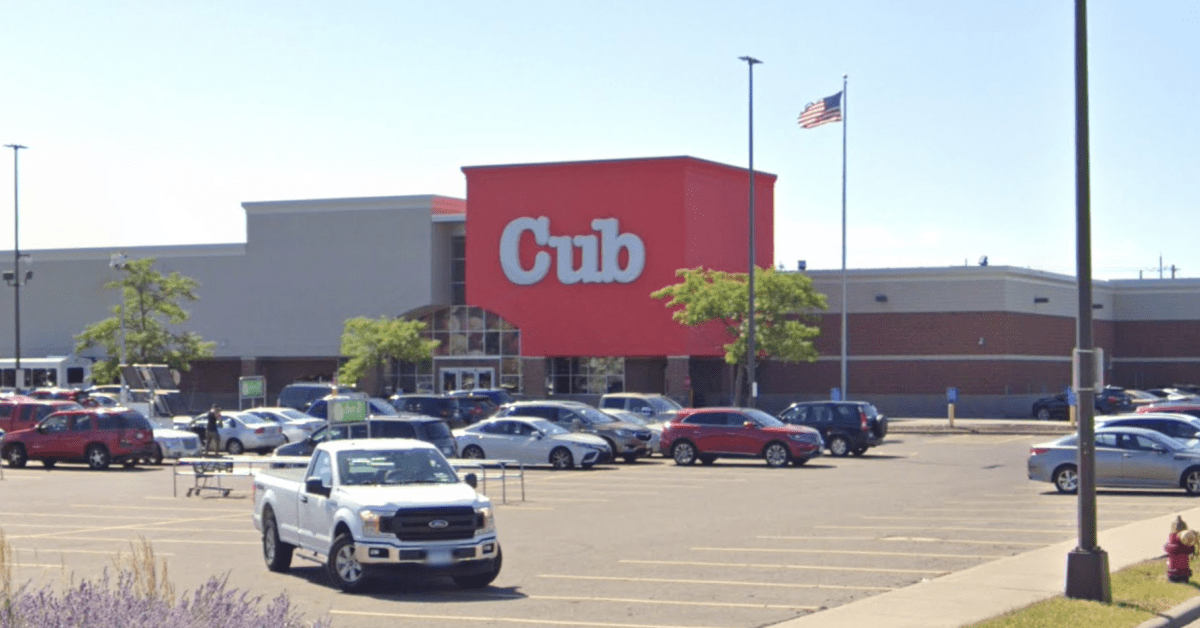
Cub Foods in St. Paul's Midway neighborhood is closing on August 2, resulting in nearly 100 layoffs, primarily affecting unionized employees, as part of UNFI's efforts to optimize its store footprint.