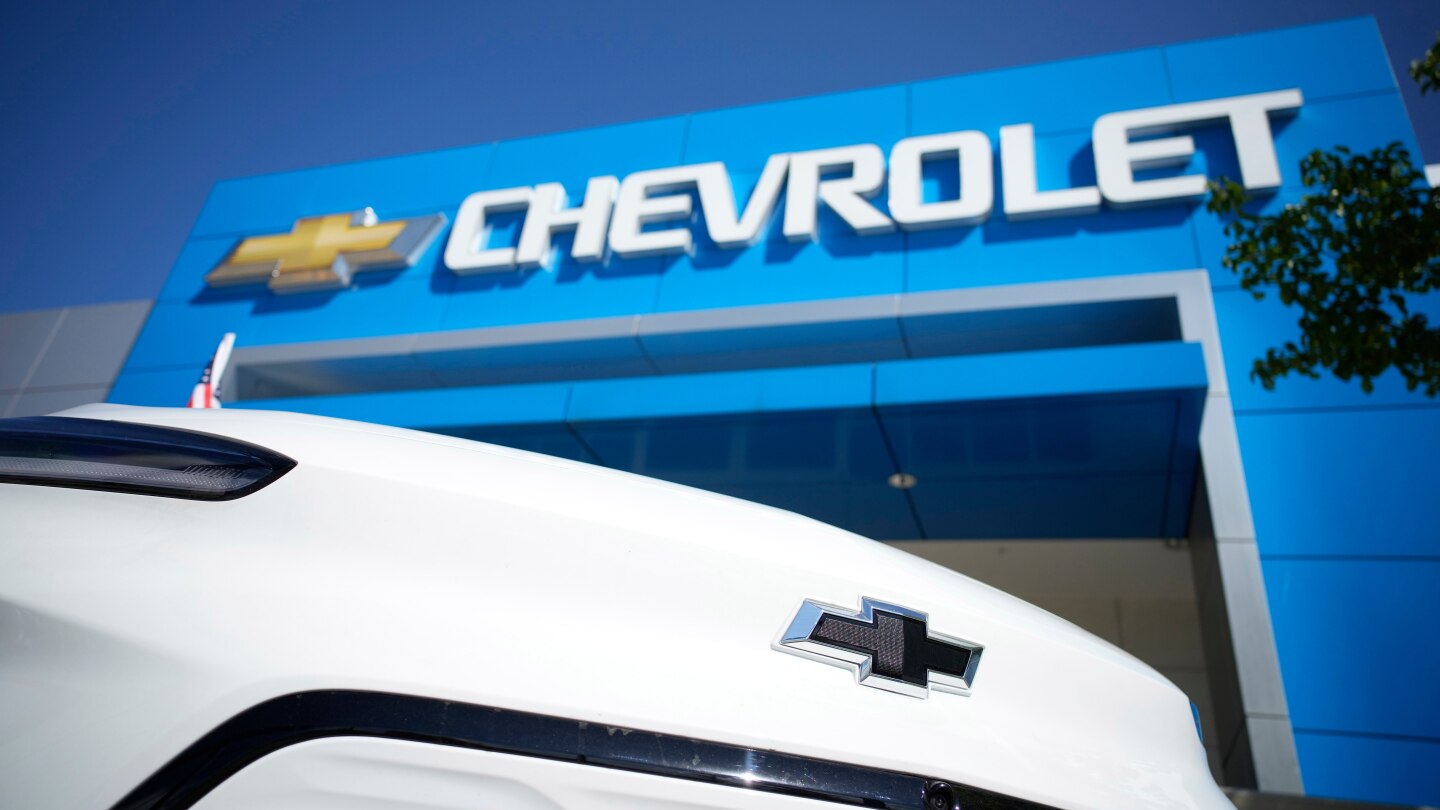
General Motors faces approximately $6 billion in charges in Q4 due to declining EV sales following the U.S. ending EV tax incentives and easing emissions standards, impacting its ambitious electric vehicle plans.
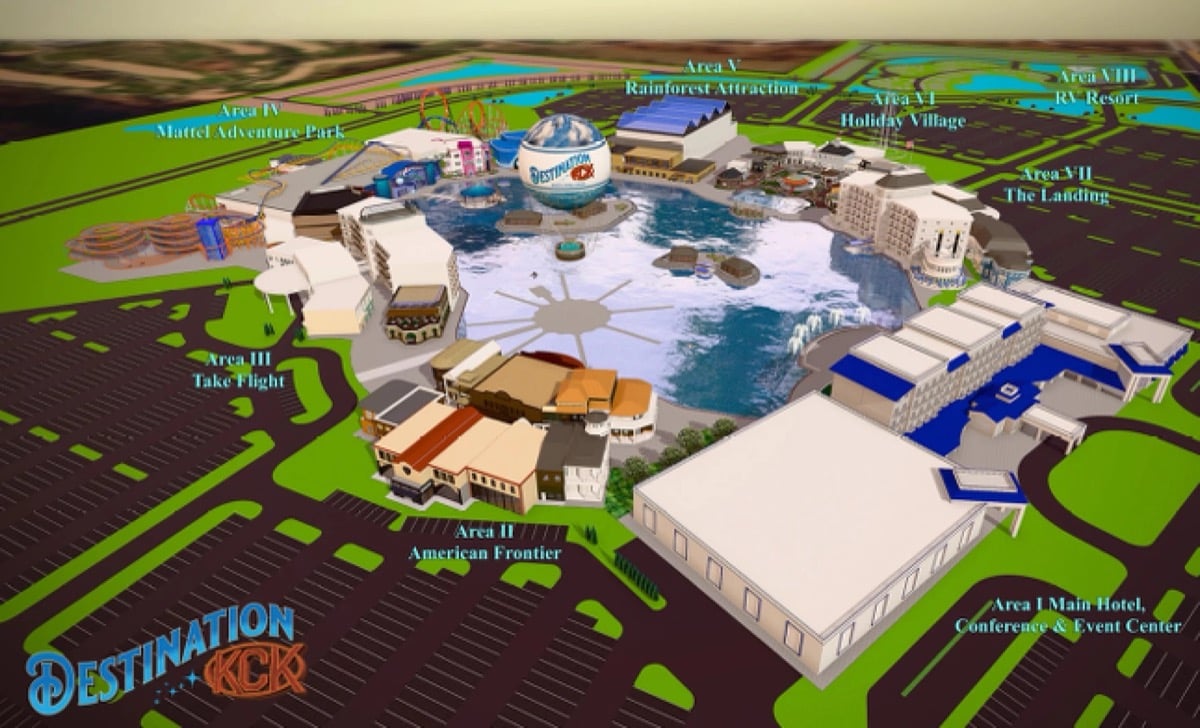
Kansas is investing over $200 million in tax incentives, primarily through STAR bonds, to develop the Mattel Adventure Park in Bonner Springs, which features toy-branded attractions like Barbie and Hot Wheels, aiming to boost local property values and revenue, but raising concerns about the long-term financial impact on the state due to potential project failures and shifting economic conditions.
Kansas is investing in a $540 million Mattel Adventure Park in Bonner Springs, funded largely through STAR bonds, which are loans paid back with future sales tax revenue. The project aims to boost local property values and attract visitors, but raises concerns about the state's future financial commitments and the effectiveness of sales tax incentives amid increasing online shopping. Construction could start in 2027, with opening planned for 2031.
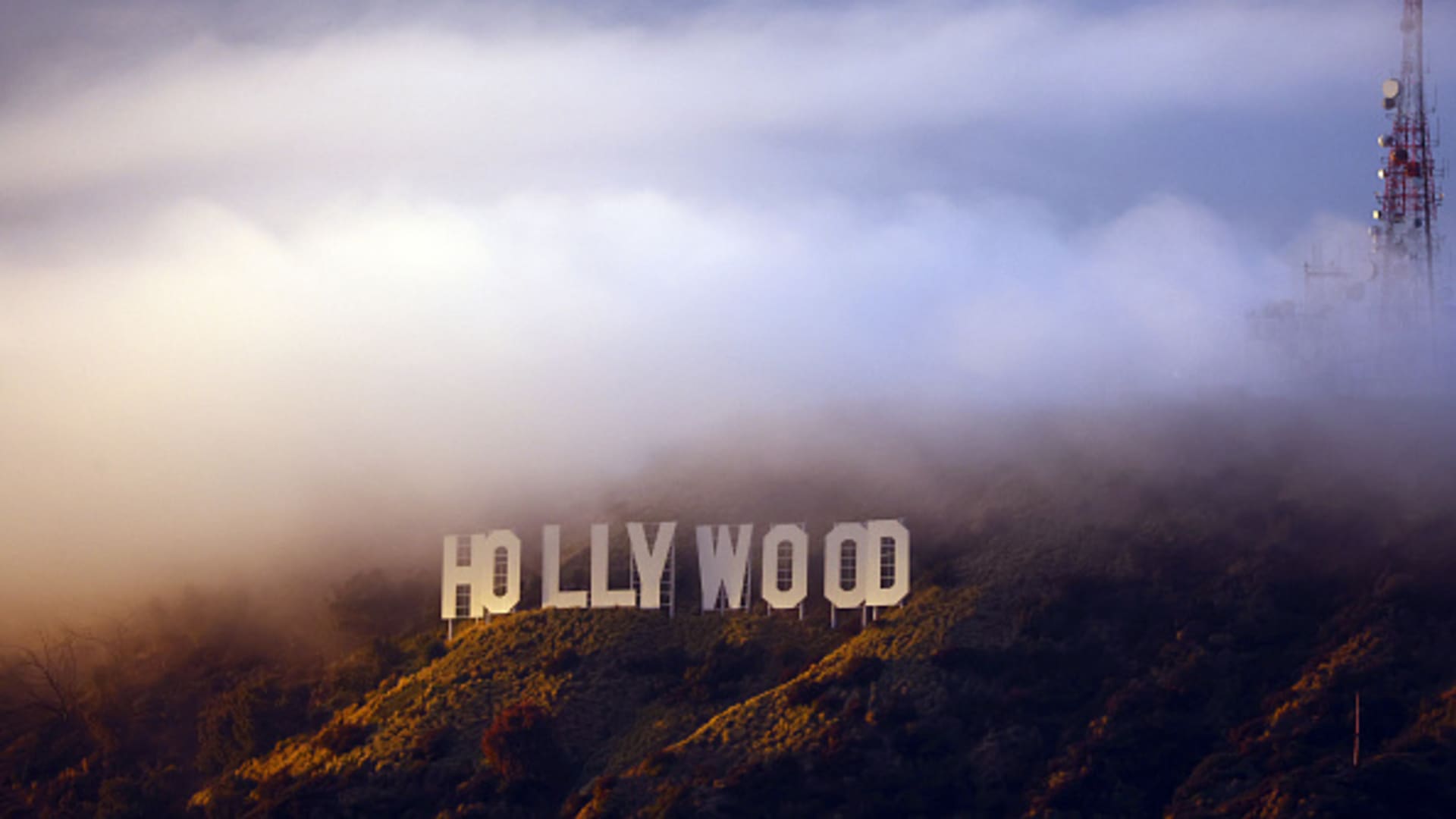
Film and TV production in Los Angeles has hit a new low, with a significant decline across most categories except feature films, due to higher costs, oversubscribed tax credits, and industry shifts to cheaper locations. The recent expansion of California's tax incentive program aims to reverse this trend, with early signs of potential recovery, but the next six months will be critical in determining if production levels will rebound or continue to decline.
General Motors will incur a $1.6 billion loss in the upcoming quarter due to the reduction of US EV tax incentives and relaxed emissions rules, impacting its EV capacity adjustments and future operations, despite ongoing plans to expand its electric vehicle offerings.
Hollywood's film and TV production has shifted overseas due to higher costs and better incentives elsewhere, prompting discussions of tariffs and incentives to bring production back to the U.S., but many questions remain about the feasibility and impact of such measures.
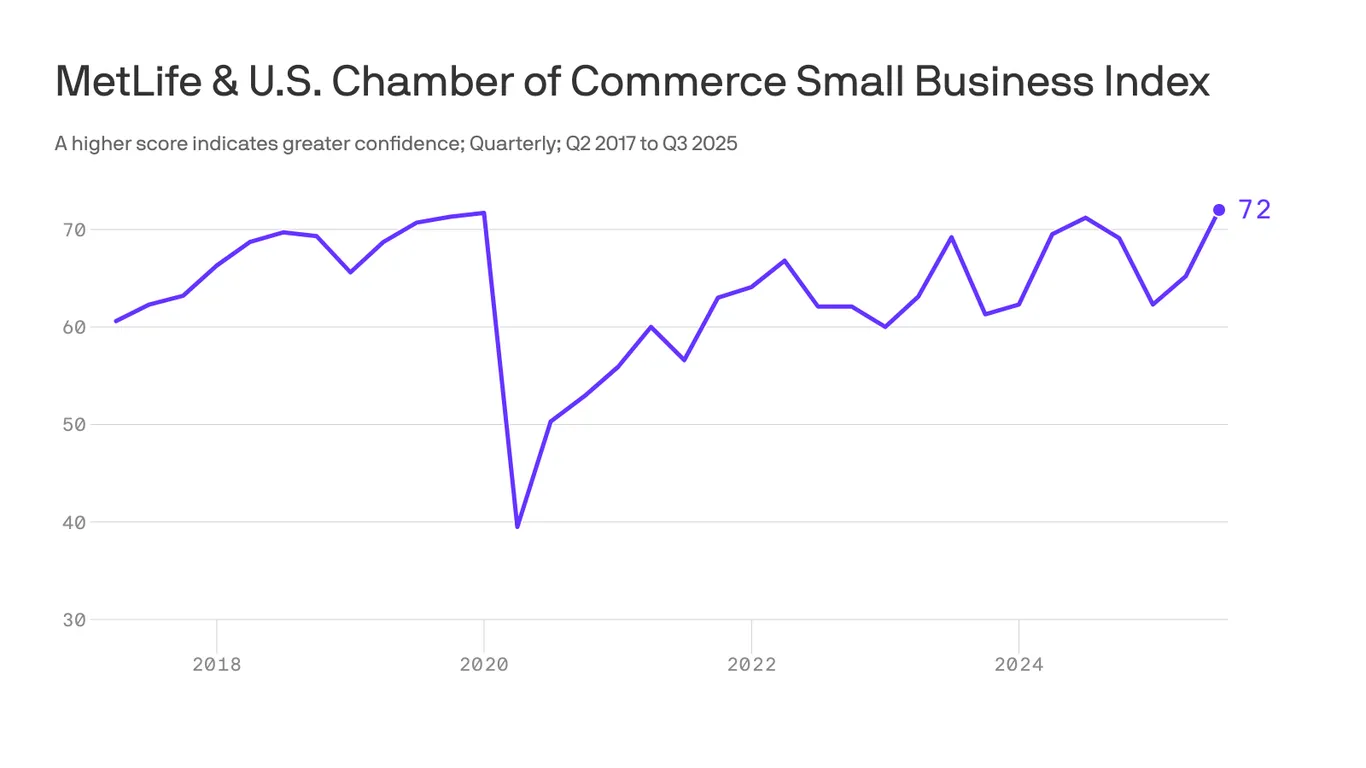
Despite challenges like rising inflation and a weakening labor market, small-business confidence in the U.S. has reached its highest level since 2017, driven by positive legislative changes and a resilient global economy, though inflation remains a concern.
California has announced the first round of its $750 million tax incentives program to boost Hollywood production, awarding credits to 22 projects including series from Lionsgate, AppleTV+, Hulu, and Netflix, with the aim of revitalizing the industry after wildfires and runaway production. The incentives are expected to generate over $1.1 billion in economic activity and support thousands of jobs across the state.
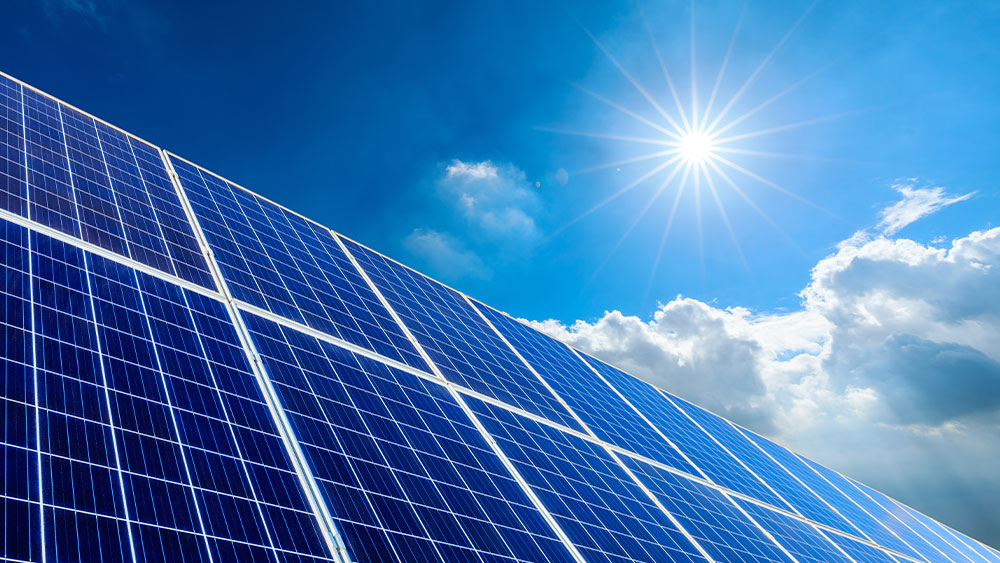
Despite initial fears that Trump's budget cuts would harm the solar sector, recent Treasury guidance has clarified that wind and solar projects can still qualify for federal tax credits, leading to a significant rally in solar stocks like Sunrun, NextTracker, and SolarEdge Technologies, with analysts upgrading their outlooks and targets.
The new legislation eliminates tax incentives for solar and wind projects, leading to expected increases in electricity bills across the U.S., especially in Oklahoma, Kentucky, Missouri, and Kansas, with some states facing up to 350% rate hikes by 2035, and could result in significant economic and job losses, particularly in Republican-led states with no state renewable programs.
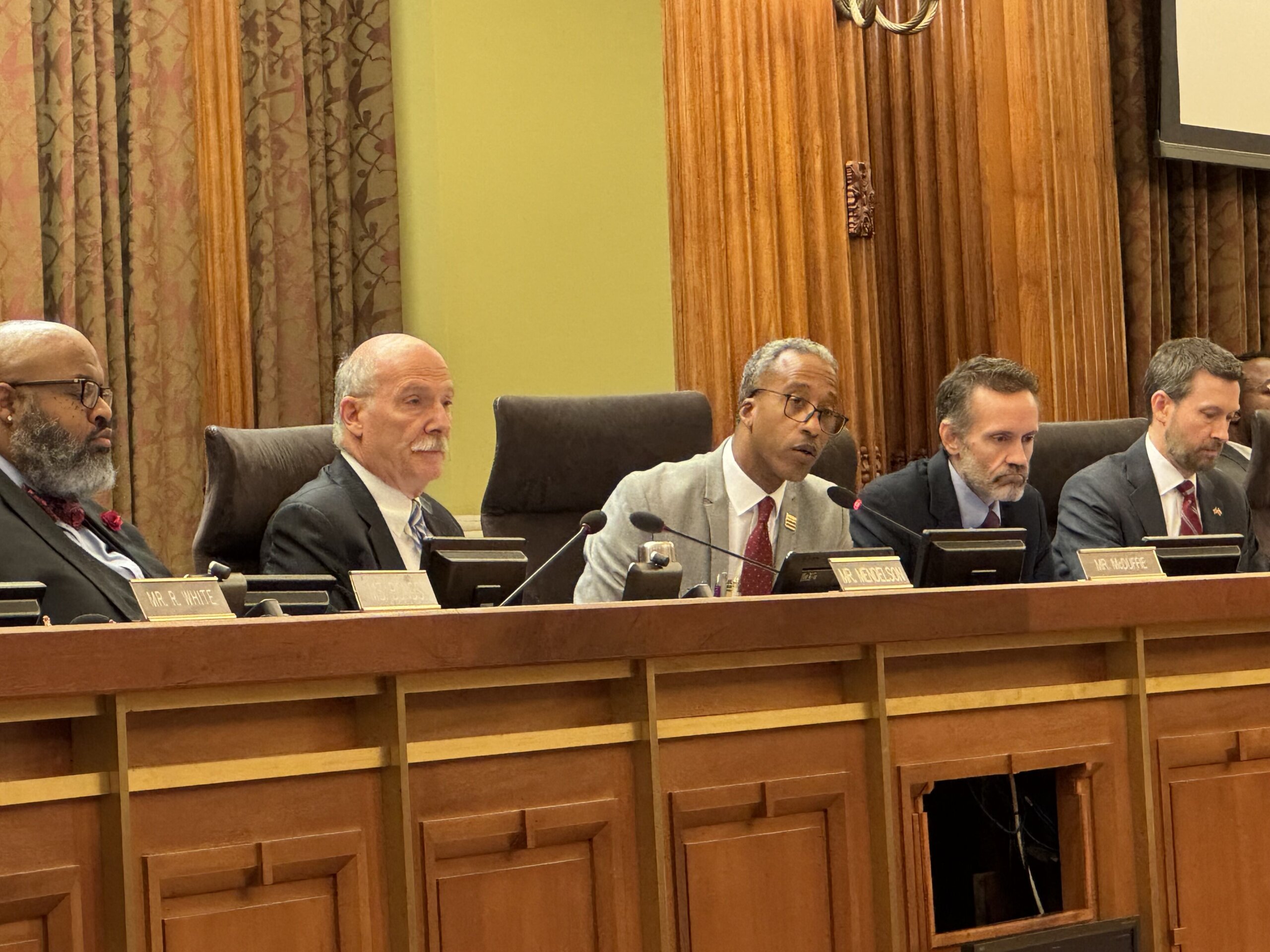
The DC Council approved the initial vote for a $3.7 billion RFK stadium redevelopment project that would bring the Washington Commanders back to DC, with a final vote scheduled for September. The deal includes tax incentives and a mix of public and private funding, with some council members raising concerns about taxpayer costs, project accountability, and community impact. The project aims to boost local development, create jobs, and generate significant tax revenue over 30 years.
New York taxpayers invested up to $15 million in incentives to keep 'The Late Show' in New York, but CBS is now canceling the show, raising questions about the use of public funds and potential political motives behind the cancellation, especially given the show's critical stance on certain political figures.
The new law signed by President Trump ending tax incentives for wind and solar projects is expected to increase electricity prices across the U.S., especially in Republican-led states, by reducing renewable energy development and increasing reliance on more expensive natural gas, while also limiting progress on reducing greenhouse gas emissions.
President Trump has issued an executive order to tighten the enforcement of clean energy tax rules, including stricter definitions of project start dates, restrictions on foreign-linked projects, and removal of favorable regulations for wind and solar facilities, following a recent budget bill that limited incentives for renewable energy projects.
The U.S. solar industry warns that a Republican policy bill could end tax incentives for domestic solar manufacturing, potentially ceding control to China and reversing recent progress in revitalizing U.S. solar panel production.