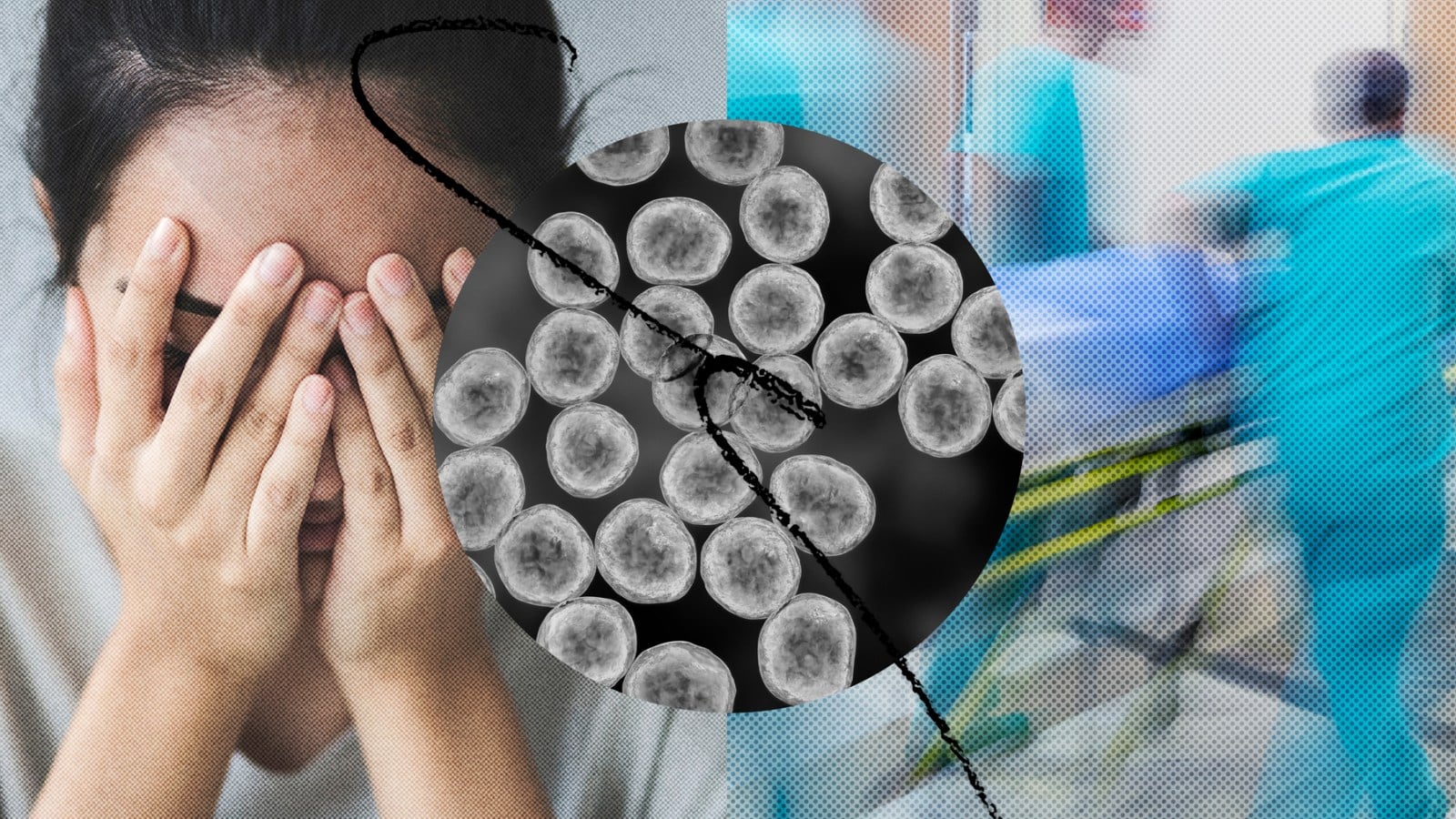
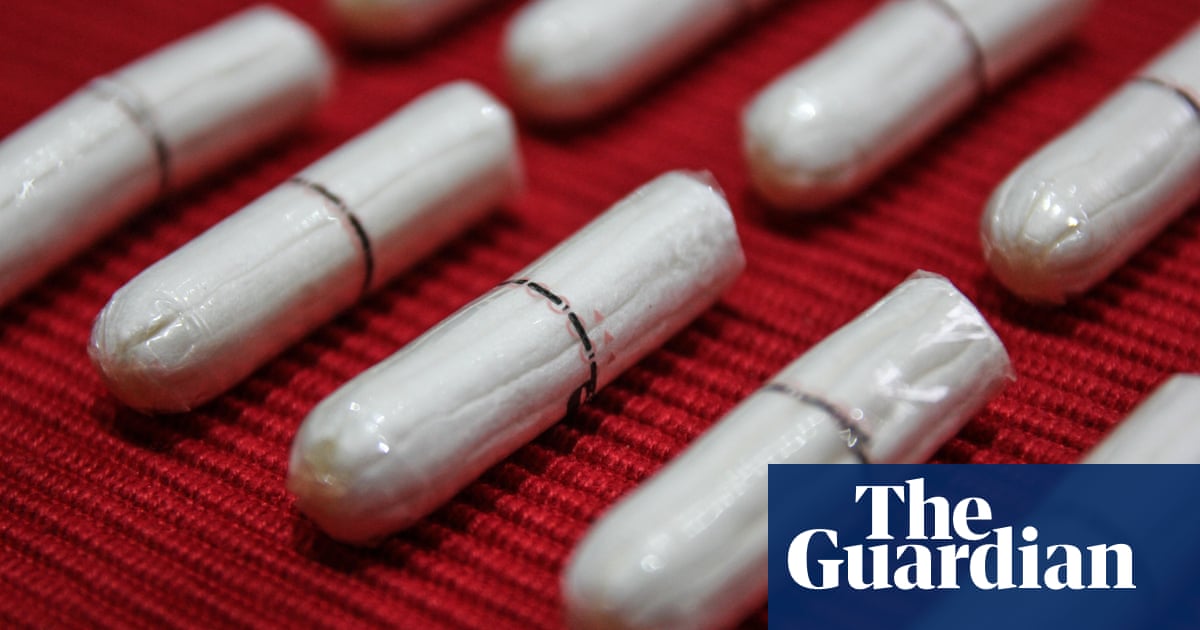
A teenager's near-death experience with menstrual toxic shock syndrome (mTSS) highlights the importance of awareness and education about the condition. After a series of fortunate events led to her timely medical intervention, she now advocates for better education on mTSS, sharing her story to inform others and pushing for legislative changes to ensure young women are aware of the risks associated with tampon use.
A study published in the Journal of Endometriosis and Uterine Disorders found that CBD-infused tampons achieved statistically significant pain reduction in cases of severe cramps and menstrual pain. The tampons were found to have fewer side effects than anti-inflammatories while producing a similar pain-relieving effect. The study suggests that CBD-infused tampons could be a promising option for managing menstrual pain, particularly for those with primary dysmenorrhea. However, the study's small sample size calls for further investigation, and improvements in research design are recommended. This research adds to the growing body of evidence supporting the efficacy and safety of cannabinoids in treating various forms of pain.
A mother from Indiana is warning against tampon use after two of her daughters were hospitalized with sepsis from toxic shock syndrome infections. The daughters, aged 21 and 17, fell ill after using tampons, with symptoms including flu-like symptoms, inability to walk, viral infection, nausea, and high fevers. Both were diagnosed with sepsis from toxic shock syndrome, a bacterial condition that can cause severe organ damage or death. Doctors attributed the infections to the "higher potency chemicals" in super-plus absorbency tampons. The family has since stopped using tampons and advocates against their use, emphasizing their potential risks.
A mother from Indiana shared her terrifying experience when both of her daughters fell seriously ill after using 'super plus' tampons, resulting in septic shock caused by toxic shock syndrome (TSS). The girls had symptoms of a viral infection, including high fevers and nausea, which were initially mistaken for heatstroke. Doctors attributed the infections to the higher potency chemicals in super plus-absorbency tampons. The mother is now urging others to be cautious about the different sizes of tampons and advises against using super plus tampons unless necessary, or avoiding tampons altogether.
A woman in Australia was left fighting for her life after accidentally leaving a tampon in for two months and contracting toxic shock syndrome (TSS). Kelsey Foster, 29, had been using tampons without any major issues and was unaware of the potential dangers. She hopes to raise awareness about TSS and remove the shame surrounding menstrual talk. Kelsey discovered the forgotten tampon when it fell out, and although unsure how long it had been inside her, she believes it must have been at least six weeks to two months. She is now receiving treatment and urges women to remain vigilant about their sanitary products and educate themselves about TSS.
Kelsey Foster, a beauty influencer, almost died from Toxic Shock Syndrome (TSS) after forgetting to remove a tampon. Foster, who had used tampons since her first period, was unaware of the potentially lethal dangers associated with their use. She discovered the forgotten tampon when it fell out, and tests confirmed she had TSS. Foster emphasizes the need for more awareness about TSS, a deadly condition that can cause organ failure within 24-48 hours. She advises women to educate themselves about TSS and keep track of when they insert tampons to prevent similar incidents.
The FDA has approved a new "spiral" tampon design created by startup Sequel, marking a significant change in the appearance of tampons that have remained largely unchanged for decades. The helical shape of the tampon is believed to provide better fluid absorption, reducing leakage and offering a more reliable experience. The approval comes after increased FDA acceptance of tampons made with new materials and innovations. The creators of the spiral tampon, Greta Meyer and Amanda Calabrese, aim to challenge the resistance to innovation in the period care industry and plan to start selling their product online by the end of 2023.
Model Lauren Wasser shares her harrowing experience of nearly dying from Toxic Shock Syndrome (TSS) caused by a tampon, which led to the amputation of both her legs. Reflecting on her near-death experience, Wasser is now dedicated to raising awareness about the potential risks associated with tampons and advocating for transparency in feminine hygiene products. She is working with Congresswoman Carolyn Maloney to promote legislation requiring manufacturers to list all ingredients on packaging. Despite her challenges, Wasser has also made a mark in the fashion industry, starring in campaigns and acquiring the nickname "Girl with the Golden Legs" due to her gold prosthetic legs.