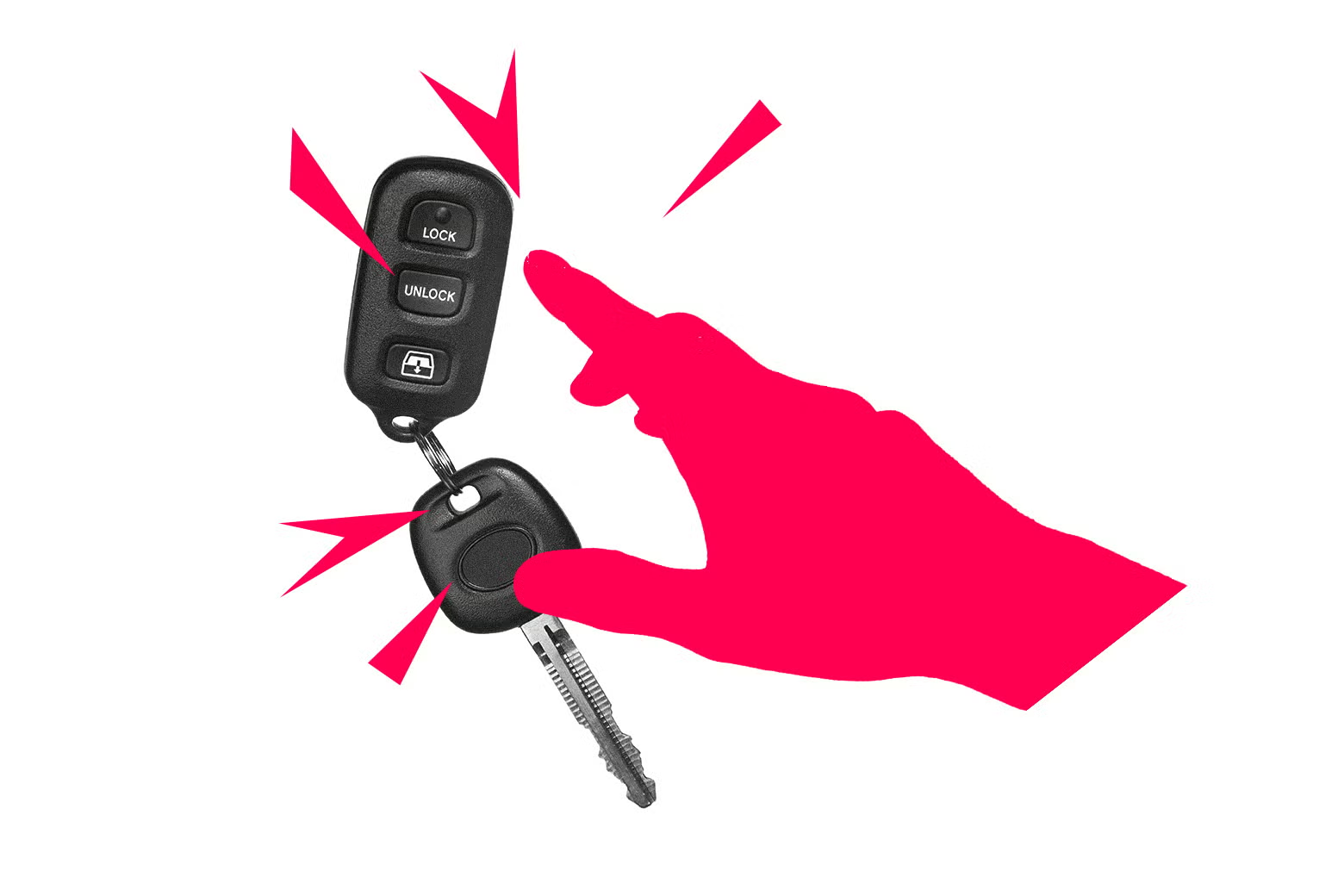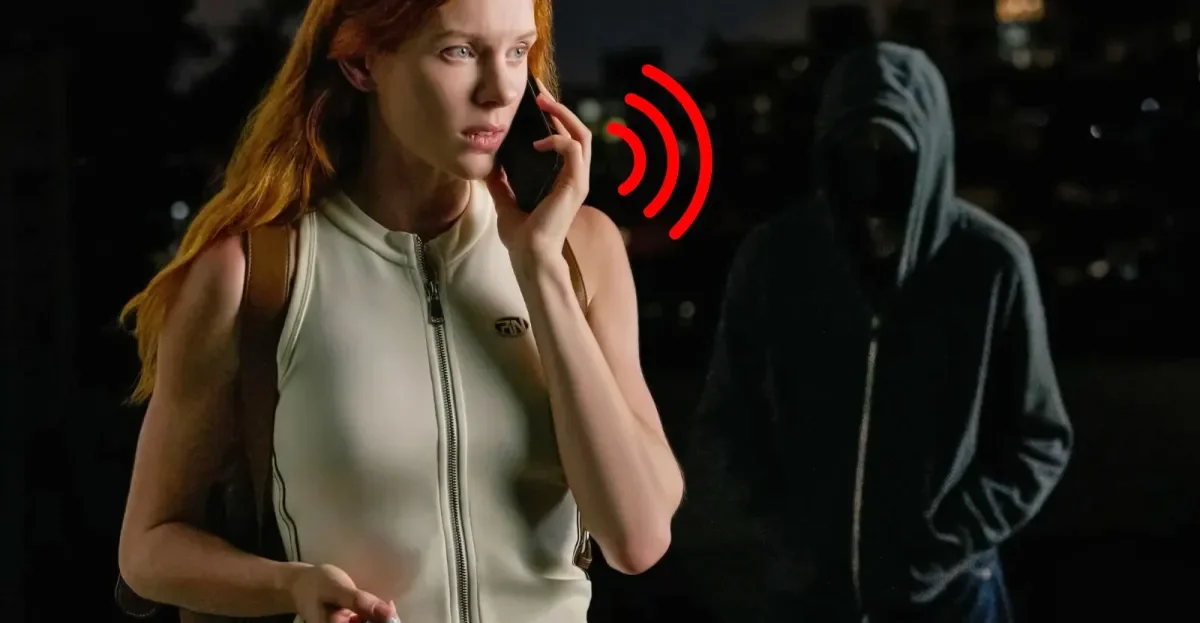
SwitchBot has introduced a new safety tracker that functions as a keychain flashlight, NFC key for smart locks, and emergency alarm, which can also discreetly trigger a fake phone call to deter threats. The device features a loud alarm, LED strobe, and can send location alerts to trusted contacts, offering a versatile safety tool for $39.99, with a focus on peace of mind and discreet safety features.
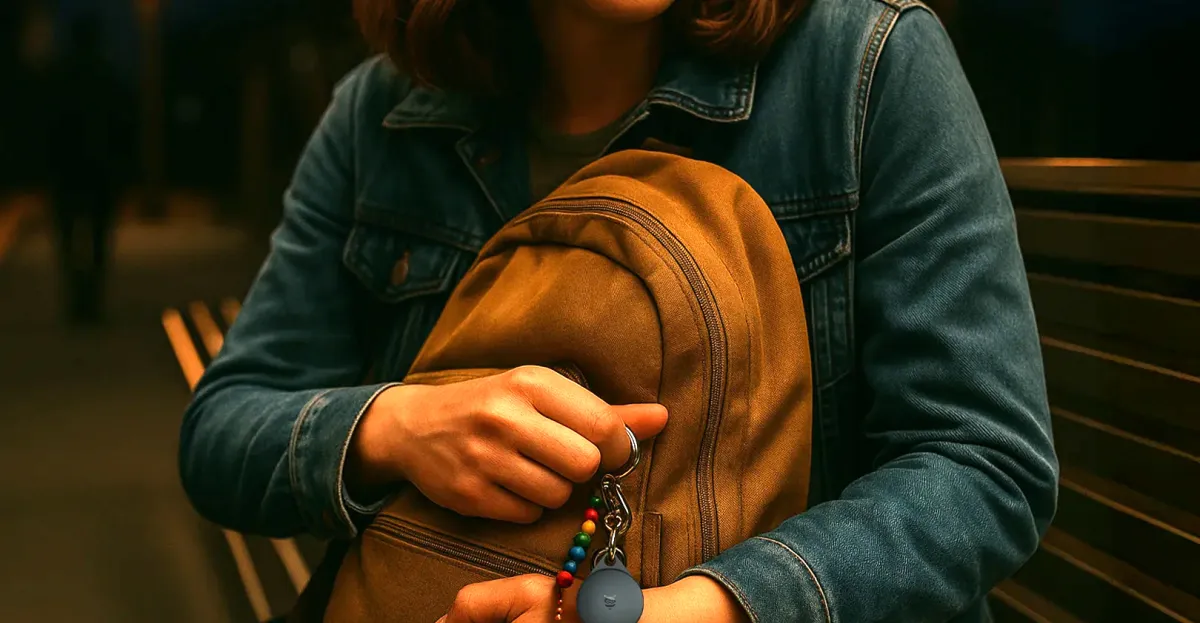
Pebblebee has updated its Clip location tracker with a new free safety feature that activates a loud siren and flashing light to alert nearby people and notify emergency contacts via the app, functioning as a panic alarm compatible with Apple and Google networks, without requiring a subscription.
Pebblebee has introduced a free 'Alert' feature for its Clip tracker, enabling users to activate a siren, strobe light, and send location notifications to a safety circle in emergencies, enhancing personal safety seamlessly integrated into everyday carry items.
The article recommends 24 innovative tech products to enhance your daily routine, travel, and home life, including headphones, lamps, phone mounts, chargers, privacy detectors, and safety devices, all available on Amazon.
The article offers practical self-defense tips from stunt performer Cara Marie Chooljian, including falling to the ground to throw off an attacker, using leverage and legs to control a situation, and targeting vulnerable areas like the groin, emphasizing that even untrained individuals can use these strategies to improve their safety in threatening situations.
A woman seeks advice after encountering a man who broke into her home 15 years ago at her child's kindergarten event. She is unsure how to handle future interactions, as their children will likely attend the same school for years. The advice suggests considering a cautious approach, possibly reaching out to the man in a controlled setting to acknowledge the past incident, but only if she feels safe. The focus is on managing her mental health and peace of mind rather than feeling obligated to resolve the situation for the sake of their children.
A man who previously faked his own death in a kayaking accident has resurfaced in a video message claiming he is safe. The incident, which involved staging his disappearance, has raised legal and personal safety concerns.
Crooks are targeting users of the Navy Federal Credit Union app, conning them out of thousands by coercing them into handing over their phones. Victims report various tactics, including fast-talking and requests to transfer money, allowing scammers to access account information and apply for loans. Navy Federal emphasizes their security measures and advises victims to contact their support line. Police recommend being cautious and aware of surroundings to avoid such scams.
Britney Spears revealed on Instagram that her jewelry was stolen from her home, leaving her scared and upset. She shared footage of the empty boxes and mentioned that only a religious necklace and broach were left behind. The incident follows her recent health struggles with a persistent cold.
A former homeless man serving a 94-month sentence for stealing iPhones has revealed his tactics to the Wall Street Journal. Aaron Johnson targeted inebriated individuals in bars and clubs, often offering drugs or claiming to be a rapper to gain their trust. He would ask for their passcodes, record them, and quickly change passwords and biometrics to gain full access to the devices. Johnson would then exploit banking and cryptocurrency apps, transferring money and going on shopping sprees. Apple is introducing Stolen Device Protection in iOS 17.3 to prevent such thefts in the future. Johnson shared his methods to help others and is already serving time for his crimes.
Google's personal safety features in Android now include a feature that can send critical medical data to first responders during a 911 call. The technology relays information entered in the Personal Safety app, such as age, weight, blood type, and allergies, to a platform called RapidSOS. Over 15,000 911 and field responder agencies are connected to RapidSOS, which has been supporting medical data relay from iPhones since 2020. This feature is currently available on select devices, including recent Google Pixel devices, Nothing Phone 1, and others, and can provide crucial information to responders before they arrive at the scene.
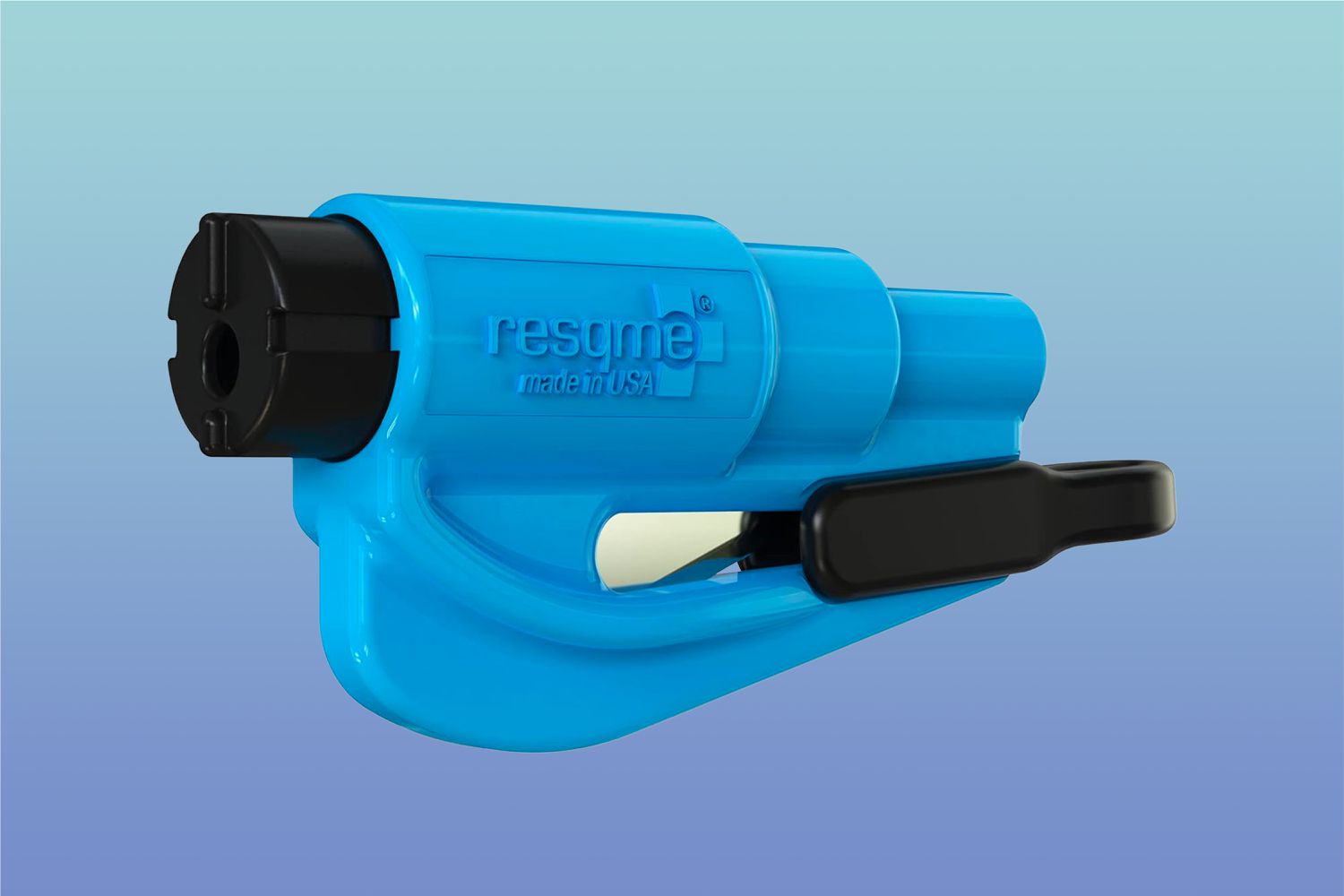
A travel writer recommends carrying the Resqme Emergency Car Escape Tool, a $10 keychain device that can cut seatbelts and break car windows in case of an accident. The tool has been used by emergency workers and has saved an average of one life every two weeks. It features a small spring-loaded spike-hammer to break tempered glass windows and a curved razor blade to cut jammed seatbelts. The device is reusable and can be attached to car keys, rearview mirrors, seat headrests, or gear sticks for easy access. Video demonstrations and positive reviews support its effectiveness. Other recommended personal safety devices include the She's Birdie Personal Safety Alarm, GE Personal Security Window and Door Alarm, CallToU Wireless Caregiver Pager Smart Call System, and SnowBigDeal BCA Tracker 3 Avalanche Beacon + Probe.
A TikToker named Ali shared her unsettling experience on Facebook Marketplace when trying to buy a jacket for her daughter. After arranging to meet the seller at his house, Ali found it strange that all the lights were off and the man pretended not to know about the jacket they had been discussing. He then tried to lure her into his basement, but Ali refused and asked him to retrieve the jacket instead. It turned out the jacket was never in the basement, and Ali felt instant fear. Many commenters on TikTok agreed that her instincts were justified, emphasizing the importance of trusting one's gut feeling in such situations.
A mother from Indiana is warning against tampon use after two of her daughters were hospitalized with sepsis from toxic shock syndrome infections. The daughters, aged 21 and 17, fell ill after using tampons, with symptoms including flu-like symptoms, inability to walk, viral infection, nausea, and high fevers. Both were diagnosed with sepsis from toxic shock syndrome, a bacterial condition that can cause severe organ damage or death. Doctors attributed the infections to the "higher potency chemicals" in super-plus absorbency tampons. The family has since stopped using tampons and advocates against their use, emphasizing their potential risks.
Cockfishing, a form of online deception involving the use of fake genital photos or manipulated images, is a growing concern in online dating. To protect oneself, it is important to scrutinize online profiles for inconsistencies, signs of photo manipulation, and overly flattering language. Verifying information and photos through reverse image searches, video chats, or in-person meetings can help uncover deception. Trusting instincts and setting clear boundaries are also crucial in avoiding falling prey to cockfishers.