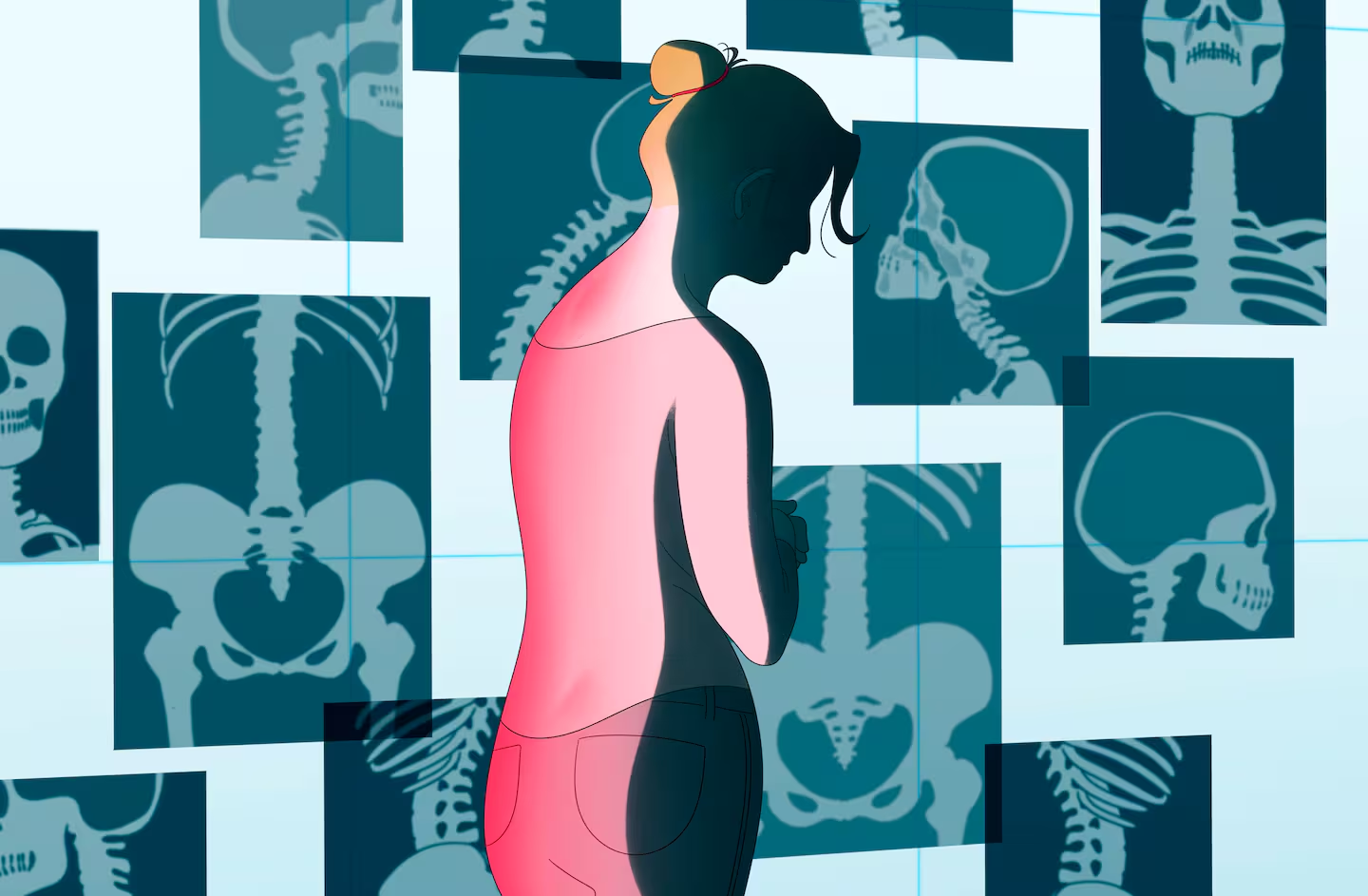
High Schooler’s Hip Pain Uncovers Life-Threatening Condition
A 15-year-old girl experiences severe hip and back pain, along with unusual symptoms like ribs popping out, leading to a complex medical diagnosis.

All articles tagged with #teen health
A 15-year-old girl experiences severe hip and back pain, along with unusual symptoms like ribs popping out, leading to a complex medical diagnosis.
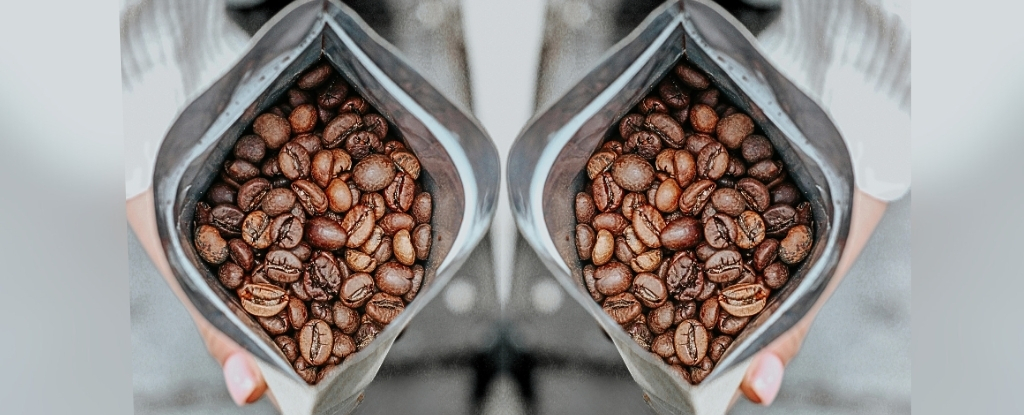
Caffeine pouches are a new social media trend offering a quick, discreet energy boost by delivering high doses of caffeine directly through the gums, but experts warn they pose significant health risks, especially for teenagers and vulnerable groups, due to their potency, potential for dependence, and lack of regulation.

Liliana Castaneda, a 19-year-old with Turner syndrome, experienced heavy vaginal bleeding that was initially dismissed as stress by her doctor, but was later diagnosed as Stage 2 clear cell carcinoma, a rare form of vaginal cancer. Her case highlights the importance of considering underlying conditions and seeking second opinions when symptoms persist, especially in young patients.
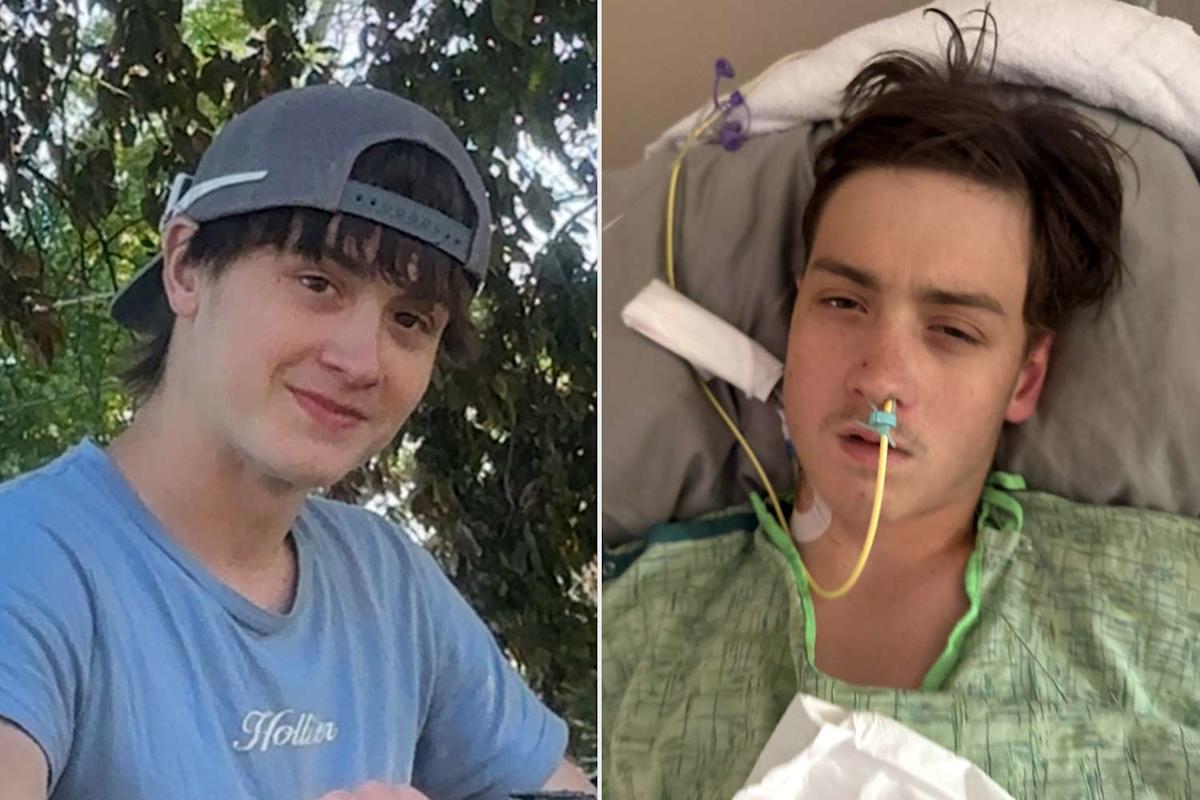
A 16-year-old Iowa boy, Noah Johnson, suffered a severe infection from a spider bite that led to hospitalization, kidney failure, and intensive treatment, but he is now recovering and reflecting on the importance of health and family.
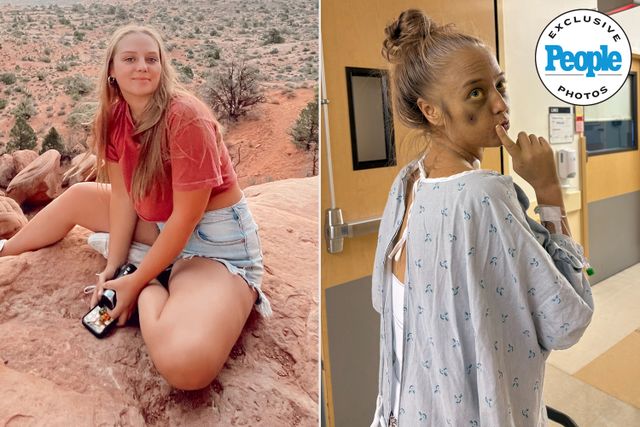
Emma Mendelssohn, a 15-year-old from California, was diagnosed with autoimmune hepatitis and needed a liver transplant after her symptoms, including jaundice and fatigue, worsened. She underwent two transplants due to complications and now manages her condition while raising awareness through social media. Her story highlights the challenges of autoimmune liver disease and the resilience required to cope with life-threatening health issues.
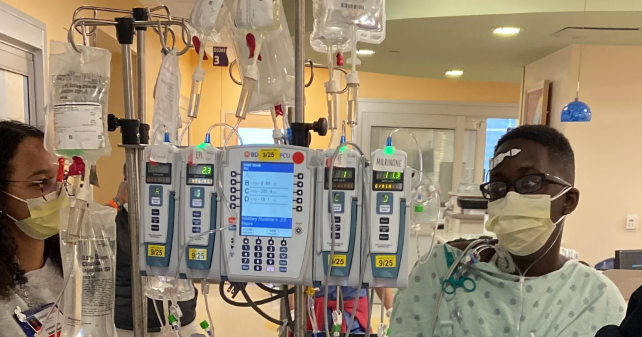
A 13-year-old boy with a rare genetic condition called Danon disease, which affects only about 300 families worldwide, was diagnosed with severe heart failure and required a heart transplant. His mother, who also has the disease, and he are among the few documented African-American cases. The story highlights the importance of support systems for young transplant patients, leading to the creation of a virtual community called Transplant Teenz to help teenagers cope with their condition.
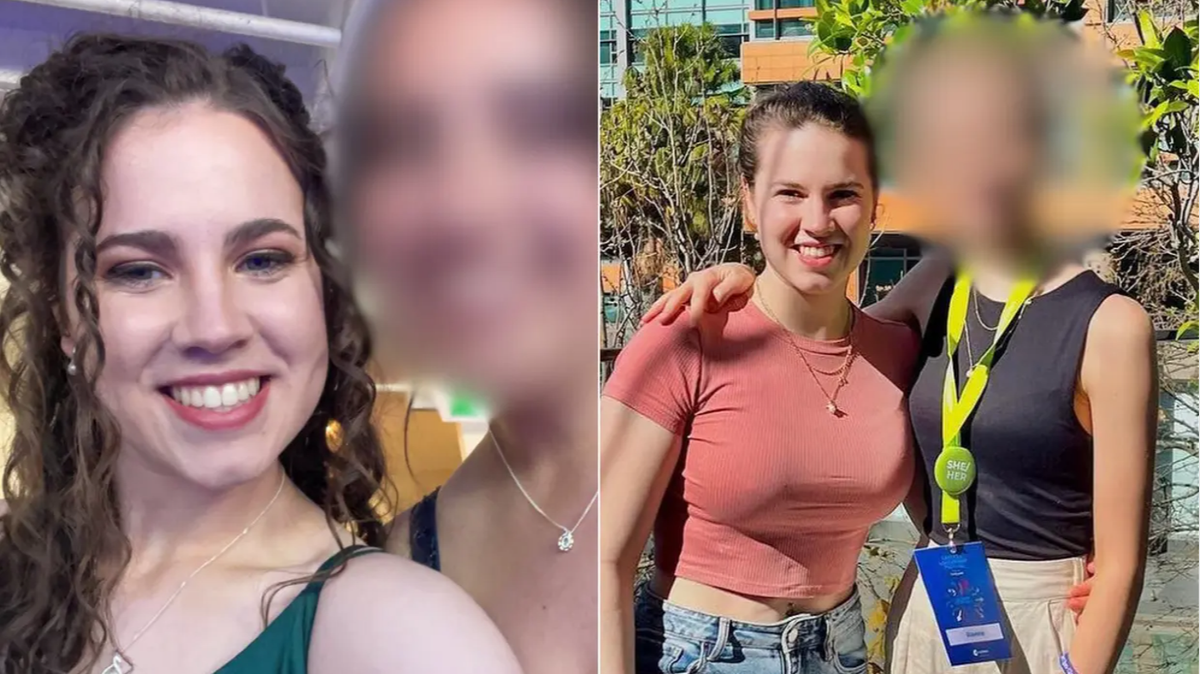
Saskia Rogers, a teenager from Hobart, Tasmania, discovered an ulcer in her mouth that was initially dismissed by doctors as benign. However, after opting for elective surgery, she was diagnosed with oral cancer. The diagnosis significantly impacted her social life and school experience, leading her to join the youth cancer charity Canteen, where she found support and understanding. Now 20, Rogers is a youth ambassador for the group and plans to start nursing in 2025.
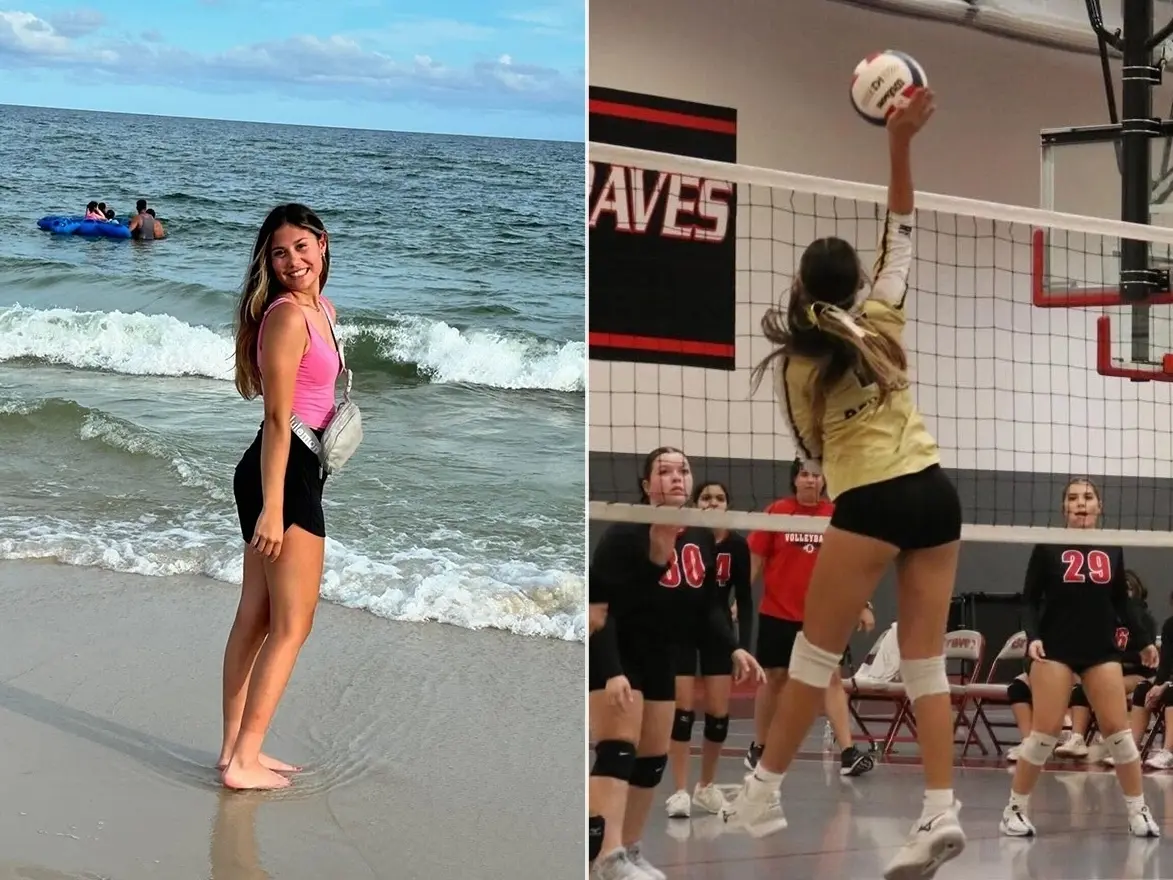
A 14-year-old Oak Forest High School student, Paityn Castillo, is battling sudden paralysis due to Guillain-Barré syndrome, a rare autoimmune condition. Her family and community have rallied around her, raising over $14,000 through a GoFundMe campaign to support her medical expenses. Despite her condition, Paityn remains connected with friends and is buoyed by the support of hospital staff, who have decorated her room with Taylor Swift memorabilia to lift her spirits. Her family faces financial and emotional challenges as they navigate this uncertain time.
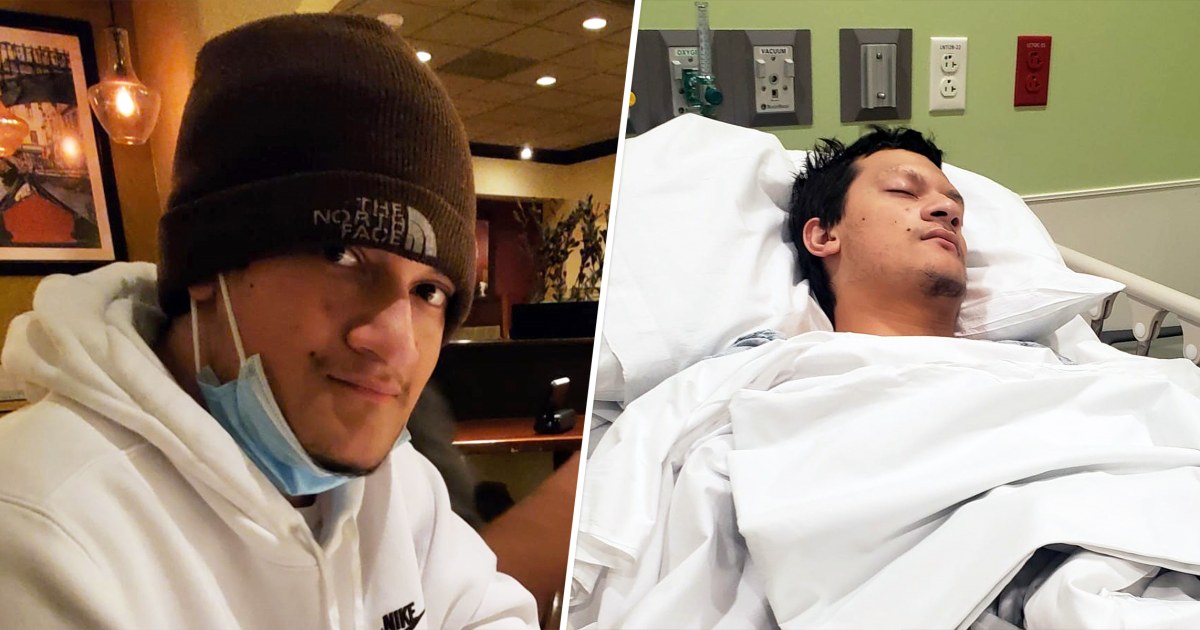
Ronal Salvador, diagnosed with stage 1 testicular cancer at 16, shares his journey to raise awareness and support for young cancer patients. Initially dismissing a growing lump as normal, Salvador sought medical help, leading to surgery and successful treatment. Now cancer-free, he emphasizes the importance of self-examination and early detection.
A teenager's near-death experience with menstrual toxic shock syndrome (mTSS) highlights the importance of awareness and education about the condition. After a series of fortunate events led to her timely medical intervention, she now advocates for better education on mTSS, sharing her story to inform others and pushing for legislative changes to ensure young women are aware of the risks associated with tampon use.
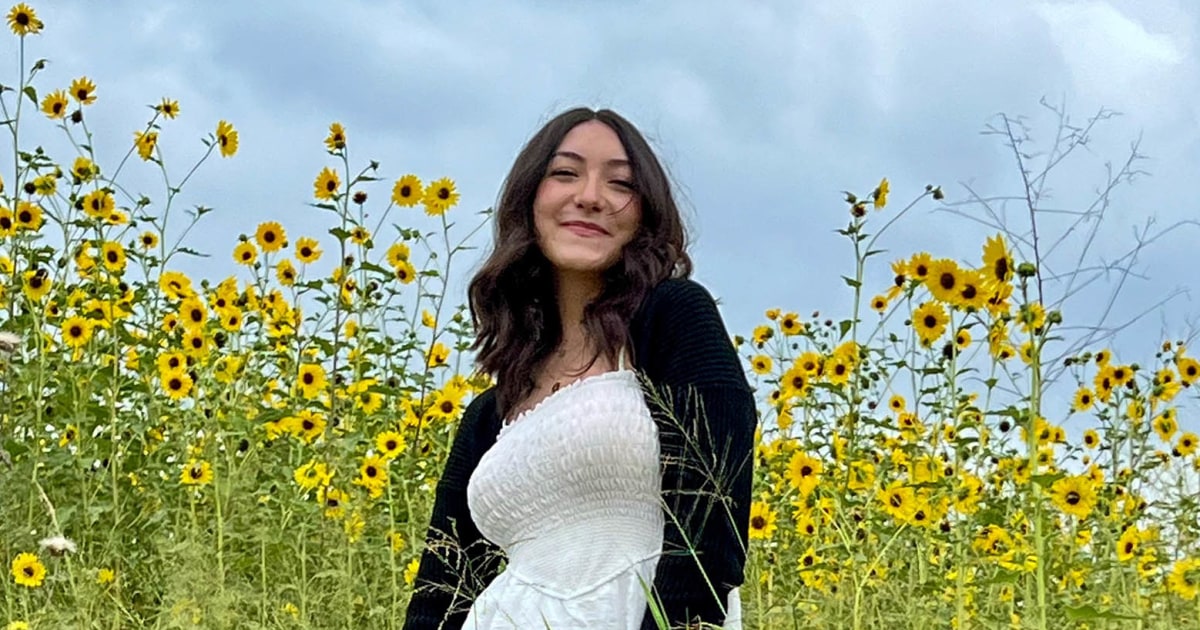
Amy Simpson, a 17-year-old from Texas, experienced 400 cardiac arrests in one week due to a large tumor compressing her coronary artery, a result of the rare Carney-Stratakis syndrome. After a high-risk open-heart surgery to remove the tumor, Amy's heart function returned to normal, allowing her to lead an active life. Despite facing another tumor in her neck, Amy remains optimistic and is pursuing her dreams, advocating for health awareness and the importance of seeking medical help.
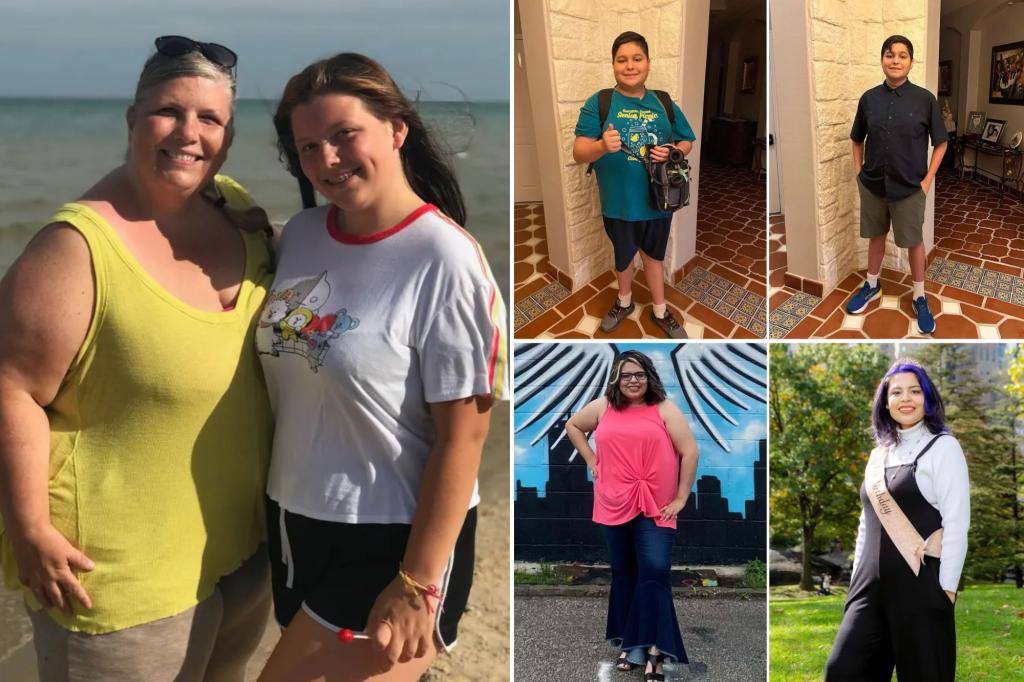
Teens struggling with obesity have found success in weight loss injections like Wegovy and Ozempic, which contain the active ingredient semaglutide. These medications have helped adolescents shed unwanted pounds and improve their overall health, with some experiencing significant weight loss and stabilization of related health conditions. While the injections come with potential side effects, they have been recommended by experts and have shown promising results in reducing weight, high cholesterol, and high blood pressure in obese teens. Some teens attribute their weight loss not only to the medication but also to lifestyle changes, emphasizing the importance of behavior and mindset shifts in achieving successful weight loss.
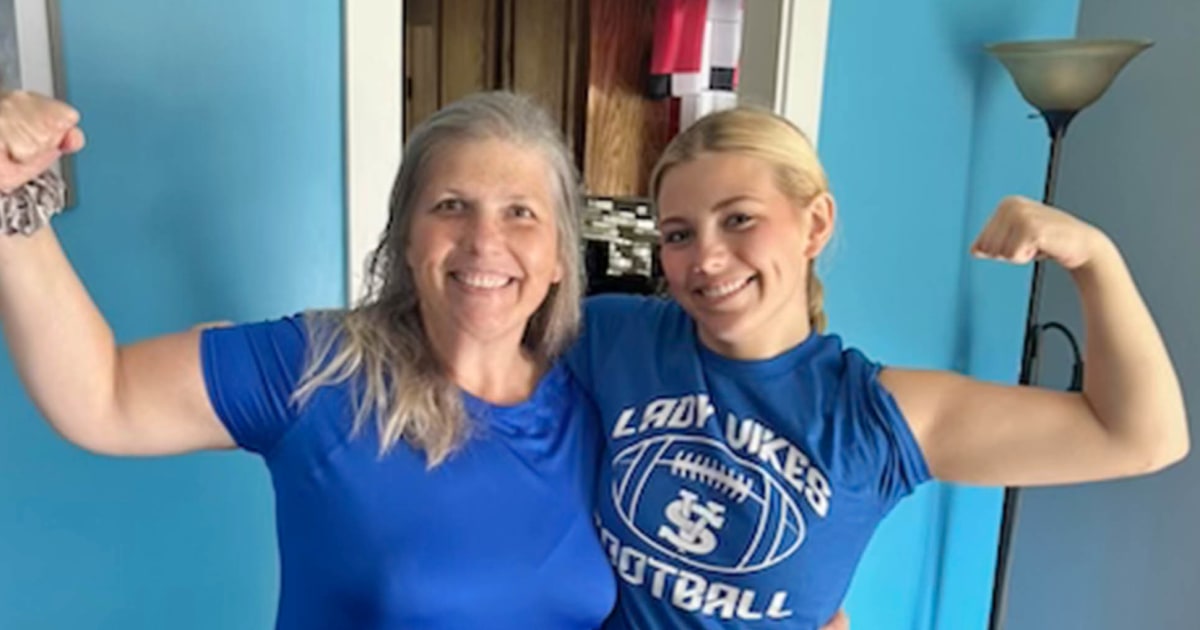
Demi Buckley, a 16-year-old, shares her experience taking the weight-loss drug Wegovy to combat obesity and bullying. Her mother, Deana Buckley, also takes a similar medication to manage weight and chronic blood clots. The use of GLP-1 agonists in teens is controversial, with some experts advocating for their use alongside lifestyle changes, while others express concerns about potential side effects and long-term effects. The Buckleys hope to raise awareness about these medications and their impact on teen health.
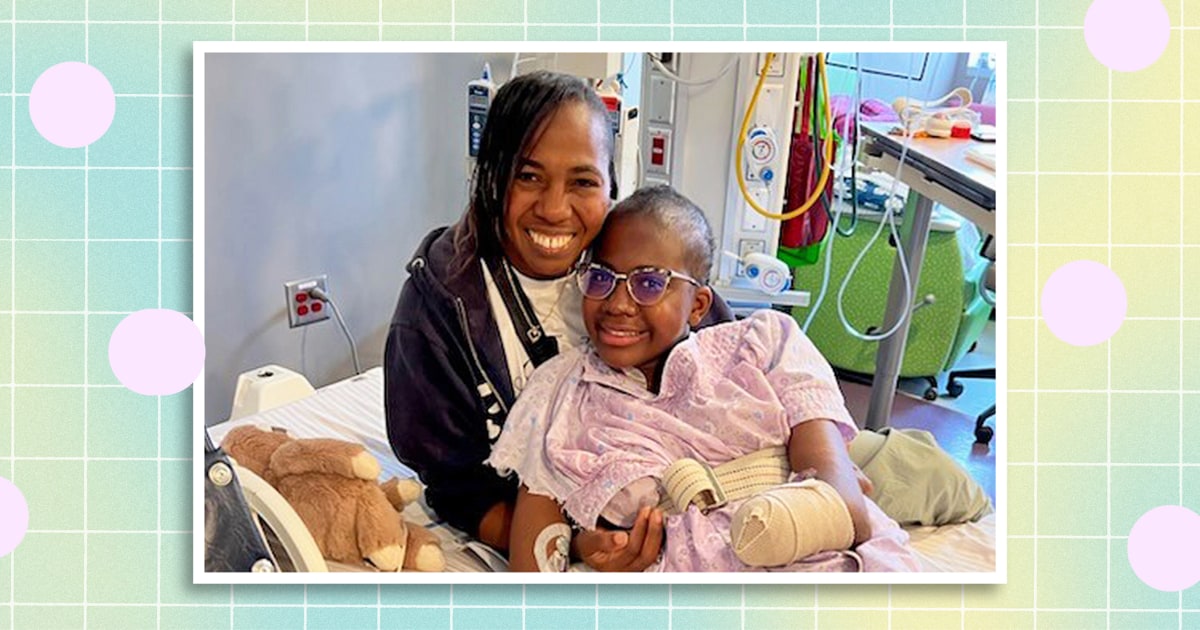
A teenager's strep throat turned into sepsis, leading to organ failure and septic shock, ultimately requiring all four limbs to be amputated. Despite facing complications and phantom limb pain, the teen is grateful for the care she received and is looking forward to receiving prosthetic devices. She credits her recovery to the support of her family, friends, and faith, and is determined to find the beauty in her new reality as a quadruple amputee.

A 14-year-old boy, known as BB, collapsed at an indoor trampoline park and was rushed to Children's National Hospital in Washington. After a series of unexplained symptoms, doctors discovered a large tumor attached to his heart. BB underwent emergency surgery to remove the tumor, which was found to be benign. He made a rapid recovery and has since resumed playing basketball, but will require annual follow-ups with a cardiologist for the rest of his life. The case serves as a reminder to consider a broad range of possibilities when evaluating symptoms.