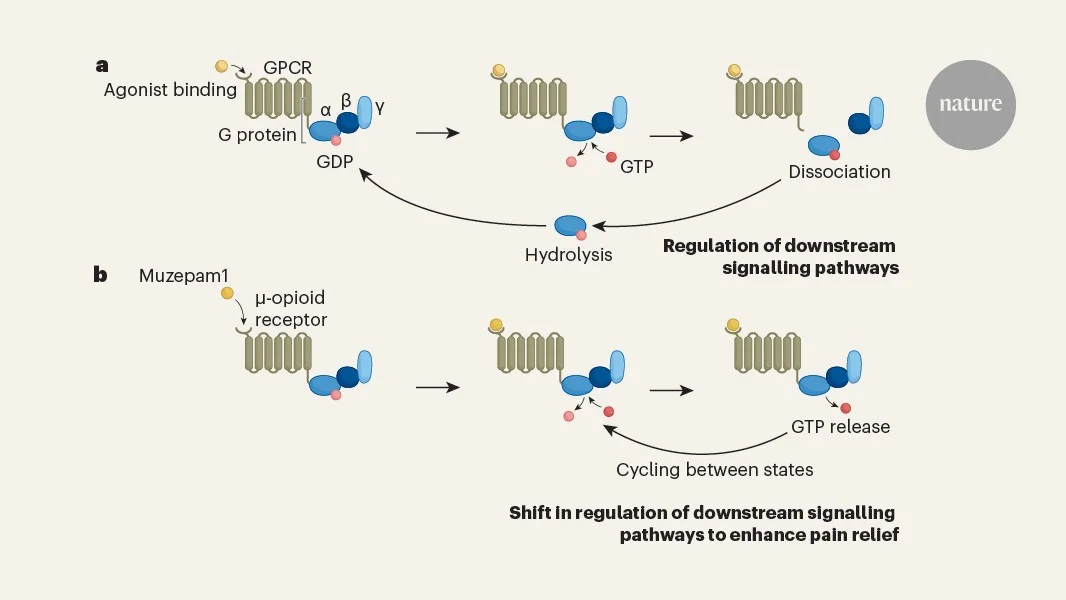
Scientists at USF Health have discovered new ways opioid receptors can function, potentially leading to pain medications that provide effective relief without the dangerous side effects like respiratory depression, by favoring a reverse signaling pathway. This research could pave the way for safer, non-addictive pain treatments and improve understanding of receptor mechanisms.
Taking ibuprofen with coffee can enhance its pain-relieving effects due to caffeine's ability to block pain signals and improve absorption, but alcohol should be avoided when taking ibuprofen due to increased health risks.
A review led by OHSU found that some cannabis products, particularly those containing THC, can slightly reduce chronic pain, similar to traditional painkillers like ibuprofen, but the effect is small and may come with side effects. CBD alone showed little to no impact on pain, and the findings suggest caution in using cannabis for pain management, emphasizing the need for further research and personalized medical advice.
Recent research reveals unexpected behaviors in G proteins that could be exploited to develop next-generation opioid drugs offering stronger, longer-lasting pain relief with fewer side effects, potentially revolutionizing pain management.
Experts recommend gentle stretches like Child’s Pose, Cat/Cow, Supine Twist, Pelvic Tilt, and Bridge Pose to help alleviate lower back pain, emphasizing the importance of proper technique, breathing, and consulting a healthcare professional for persistent or severe symptoms.
Scientists have developed a nano-formulation called CBD-IN that effectively delivers CBD to the brain in mice, providing pain relief without side effects and without relying on traditional cannabinoid receptors, potentially opening new avenues for treating chronic pain and neurological disorders.
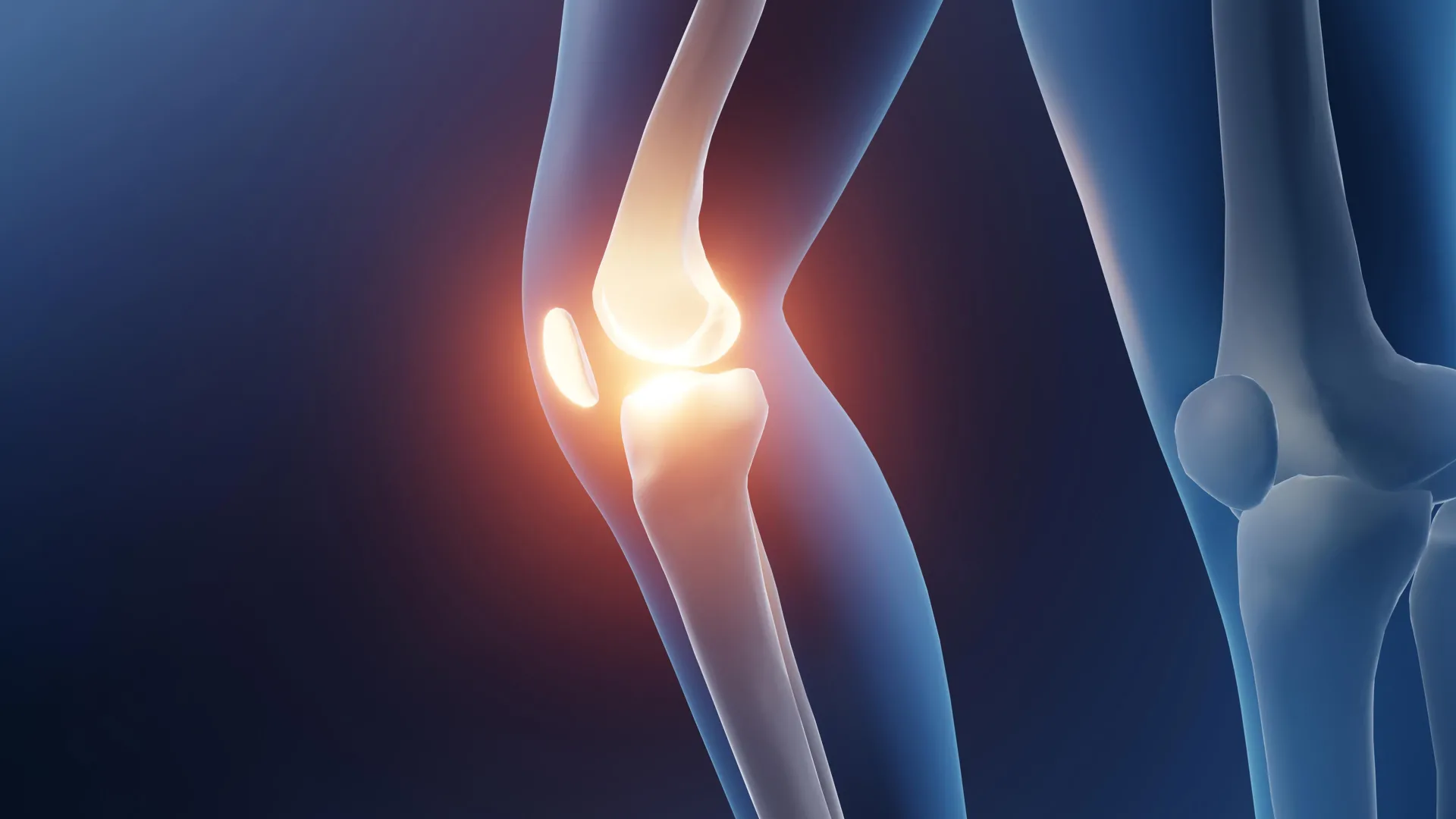
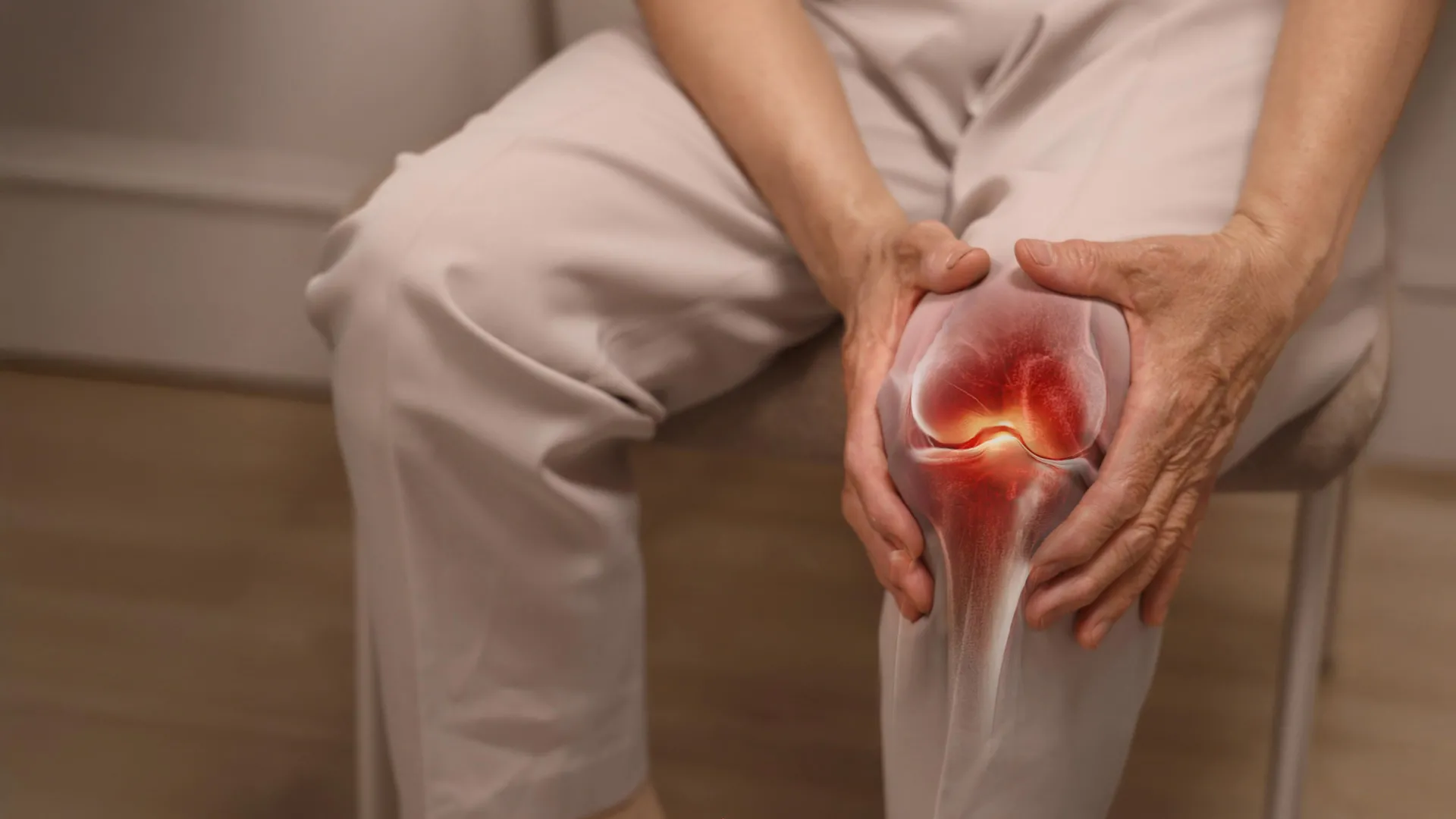
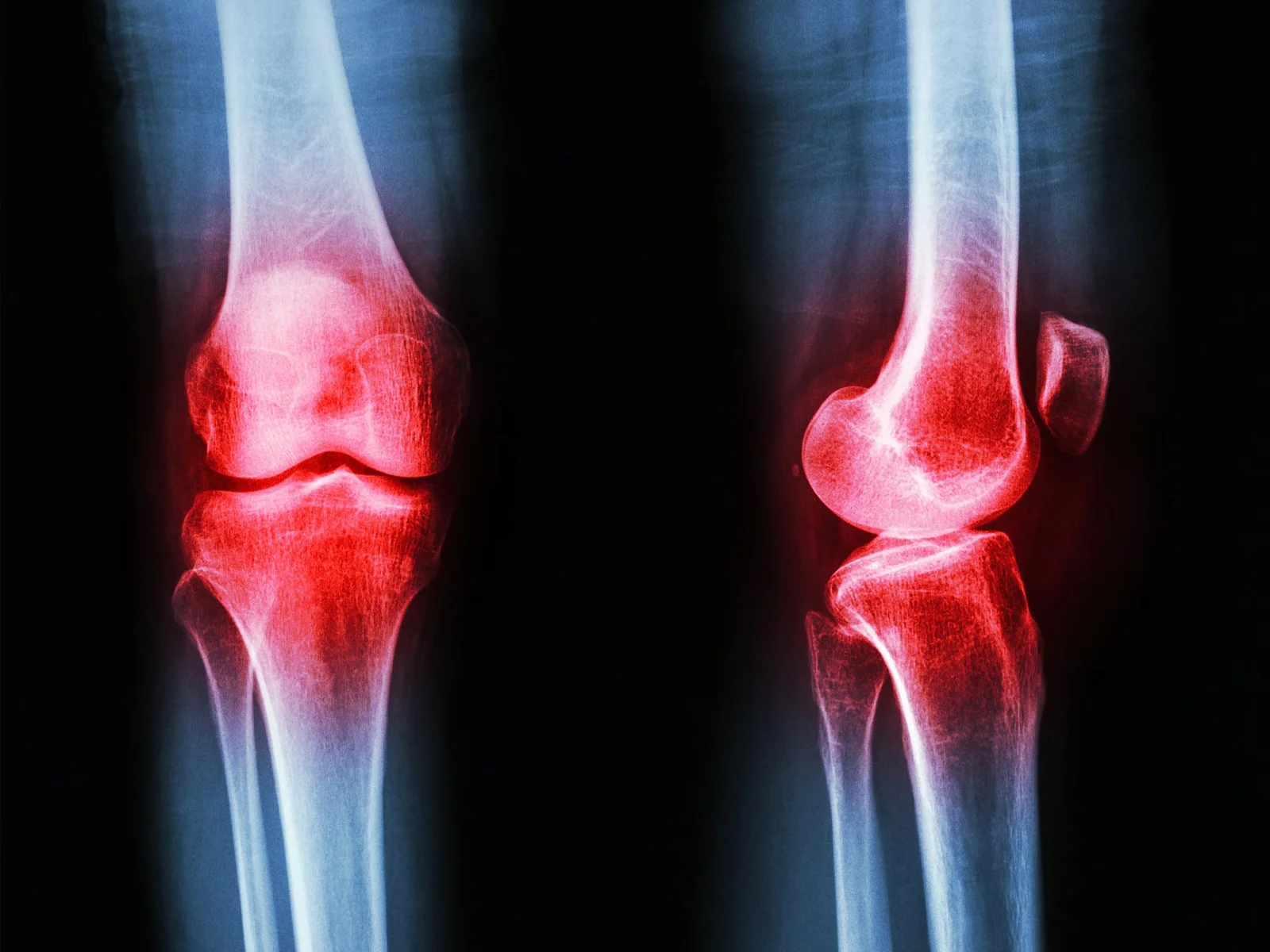
A comprehensive review suggests that aerobic exercises like walking, cycling, and swimming are most effective for reducing pain and improving function in people with knee osteoarthritis, with other exercise types offering additional benefits. Regular aerobic activity is recommended as a primary treatment, but individuals should consult their doctors before starting new routines.
A comprehensive study published in The BMJ finds that aerobic exercises like walking, cycling, and swimming are the most effective for relieving pain, improving movement, and enhancing quality of life in people with knee osteoarthritis, and should be the foundation of treatment, with other exercises providing additional benefits.
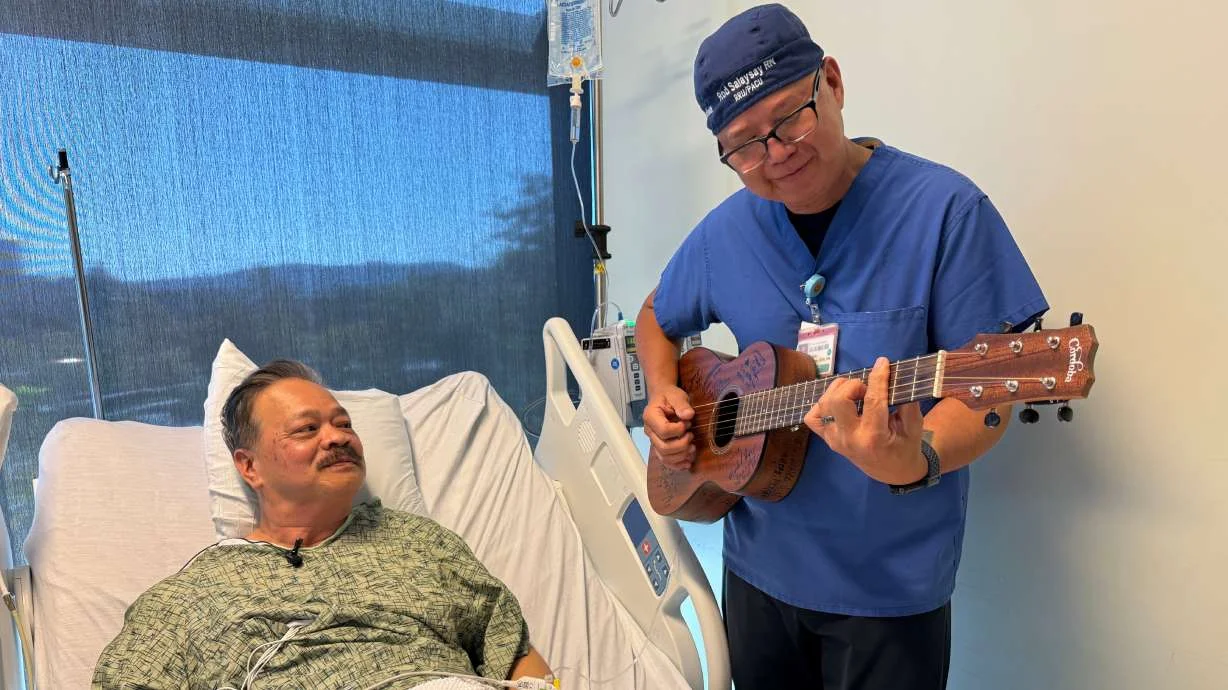
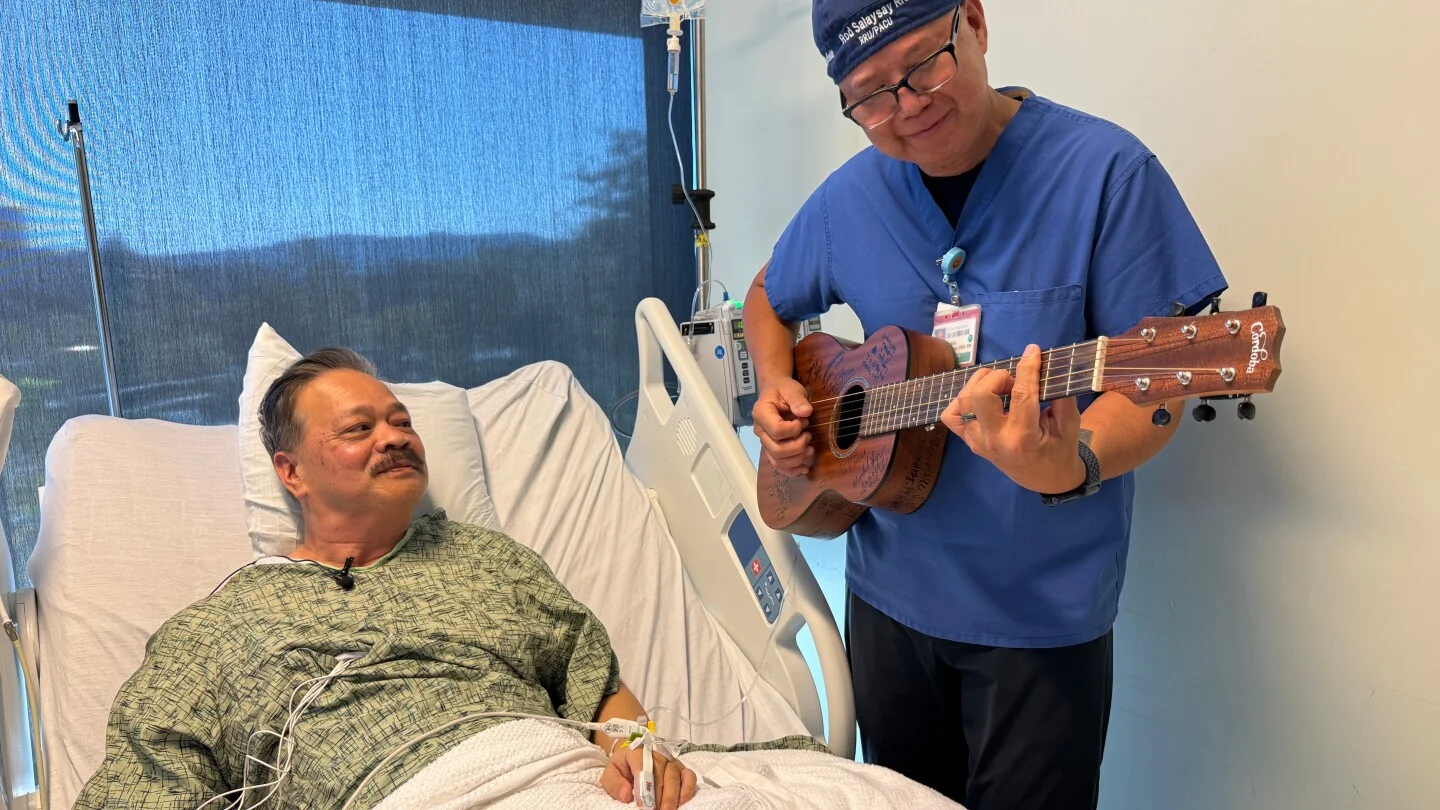
Research and clinical practice suggest that music, especially when actively chosen and listened to attentively, can help reduce pain perception and improve pain tolerance in patients, serving as a non-invasive complement to traditional pain management methods.
Listening to music can help reduce pain perception and improve pain tolerance in patients recovering from surgery or illness, with personalized and attentive listening being most effective, supported by growing scientific research.
A Korean clinical trial found that low-dose radiation therapy, particularly at 3 Gy, can significantly reduce pain and improve mobility in patients with mild to moderate knee osteoarthritis, offering a safe alternative to traditional treatments with minimal side effects, and highlighting the need for placebo-controlled studies in this area.
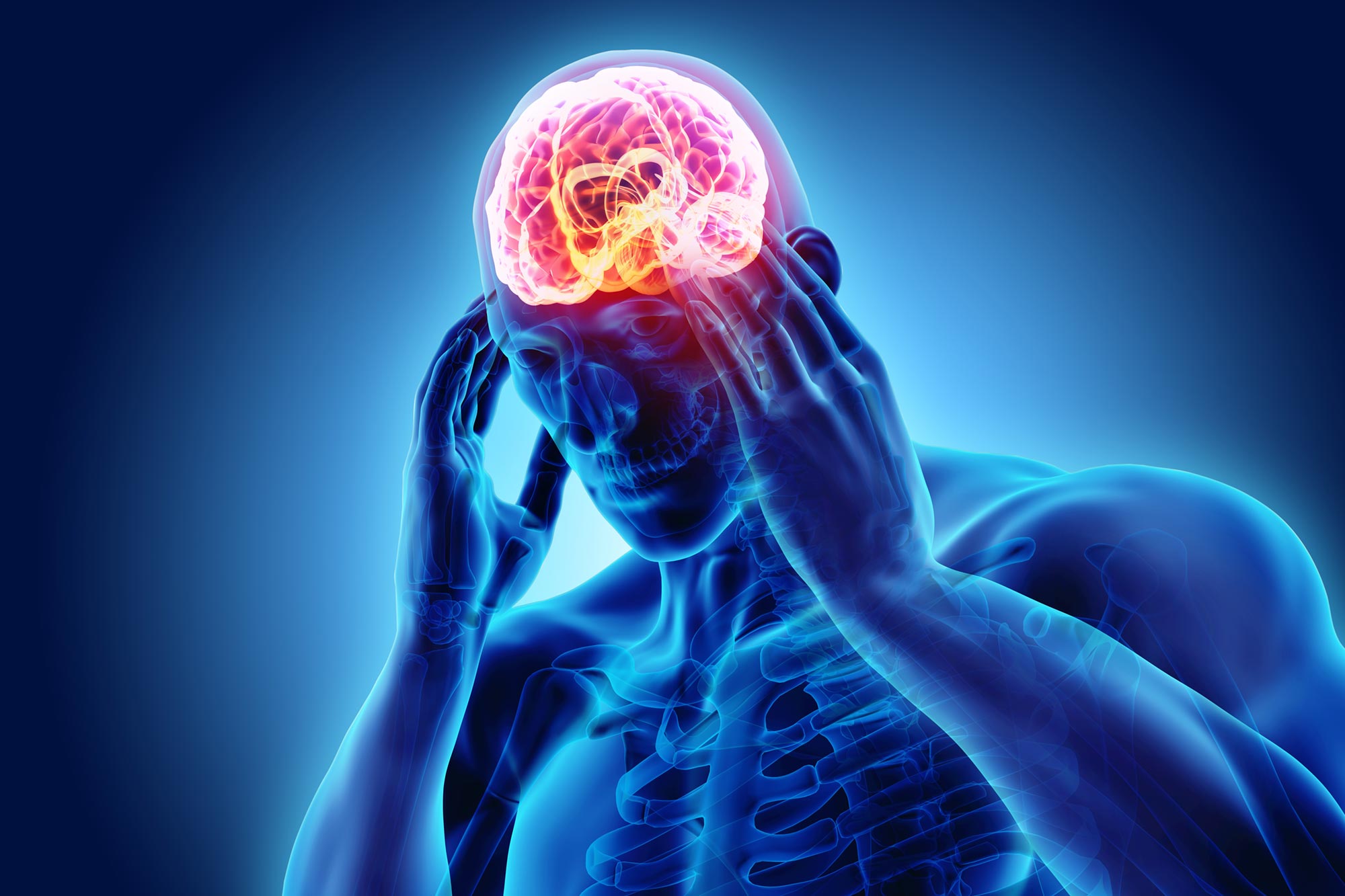
Scientists have discovered a specific group of neurons in the brainstem that are active in chronic pain and produce a molecule called neuropeptide Y (NPY) that acts as a natural painkiller, opening potential pathways for new pain treatments.
Scientists have identified a specific group of neurons in the brainstem's parabrachial nucleus that are activated during chronic pain and produce a molecule, neuropeptide Y (NPY), which acts as a natural painkiller. This discovery suggests potential for developing new pain treatments that activate this molecule, offering hope for safer alternatives to opioids.
Scientists have identified a specific brainstem circuit involving Y1 receptor neurons in the parabrachial nucleus that can switch off chronic pain, revealing potential new avenues for treatment and understanding how the brain prioritizes survival needs over pain signals.
A recent clinical trial suggests that a single course of low-dose radiation therapy may reduce pain and improve mobility in individuals with mild to moderate knee osteoarthritis, potentially delaying the need for surgery, with no significant side effects observed.