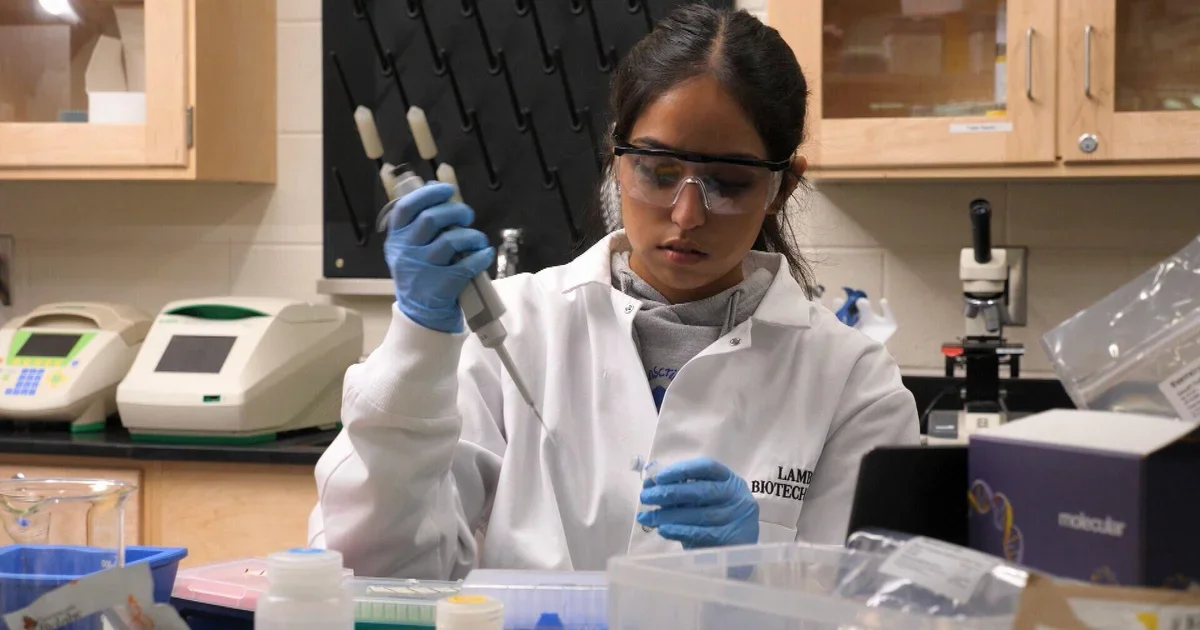
Teenagers from Lambert High School in Georgia used CRISPR gene editing to develop a potential early detection and treatment method for Lyme disease, competing internationally at iGEM and achieving notable success, highlighting the importance of youth involvement in biotech innovation.
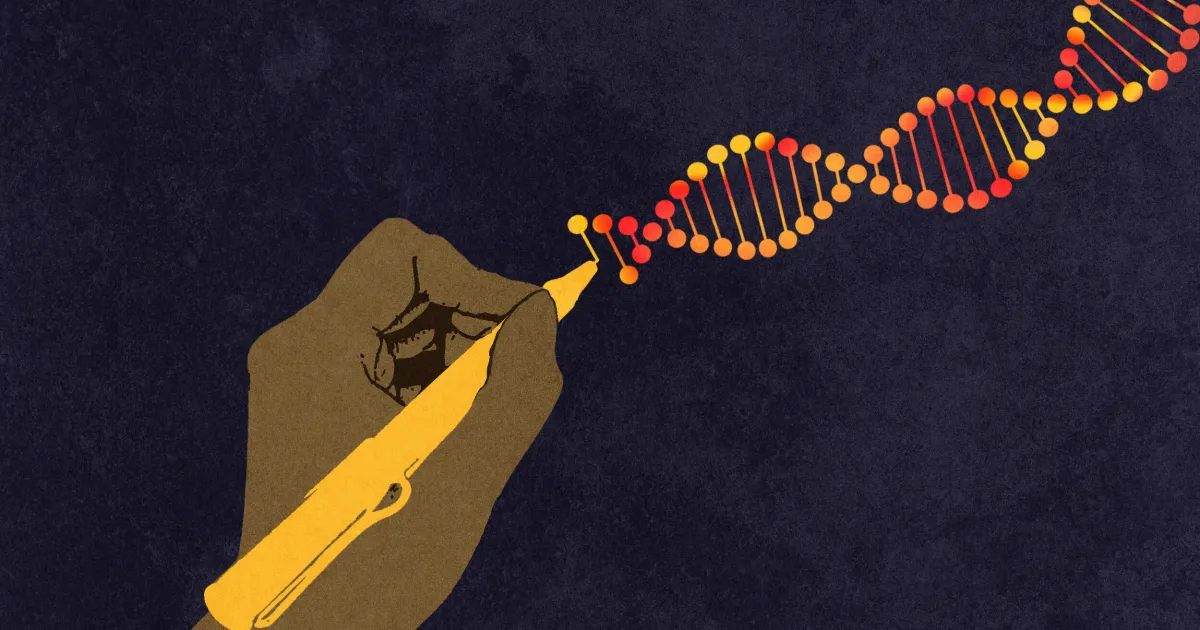
The article discusses the emerging field of writing genomes, highlighting projects like HGP-write and SynHG that aim to construct entire human genomes from scratch. This technological leap could revolutionize medicine, biology, and industry by enabling the creation of custom organisms and new therapies, but it also raises significant ethical and safety concerns that require responsible governance and global collaboration.
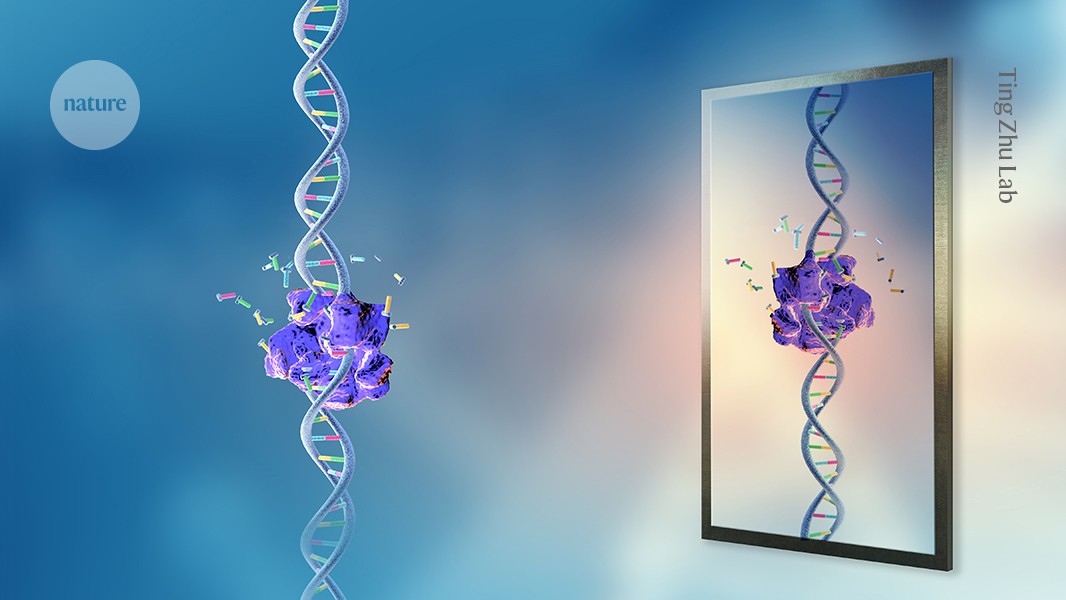
A researcher at the University of Minnesota and a group of scientists have raised concerns about the potential dangers of creating mirror cells, which are synthetic organisms with reversed biomolecular structures. While such cells could advance scientific understanding and medical research, experts warn they might pose significant ecological and health risks if released, leading to calls for strict regulations and ethical considerations to prevent potential existential threats.
Recent technological advances have shifted the debate on Mars terraforming from impossible to challenging, with proposals including warming the planet, creating liquid water, and introducing microbes to eventually establish a breathable atmosphere. Researchers emphasize the importance of careful research, ethical considerations, and understanding potential risks before attempting large-scale planetary transformation.
The article discusses the potential creation of mirror life, which involves synthetic biomolecules with opposite chirality to natural life, highlighting both the scientific possibilities and the significant risks, including ecological collapse and resistance to immune responses, while emphasizing the need for ongoing research and ethical debate.
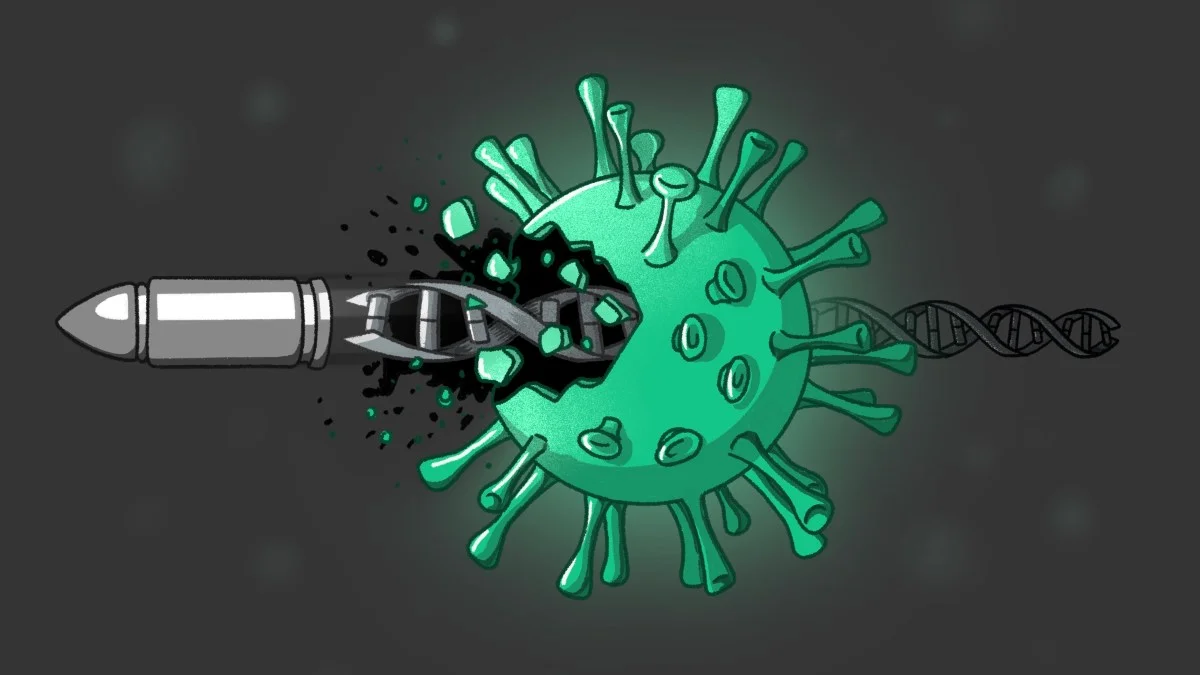
Researchers demonstrated that AI can design functional viruses, raising concerns about potential misuse for bioweapons, and emphasizing the need for improved regulation, data sharing, and rapid response infrastructure to mitigate risks.
Scientists have genetically engineered E. coli bacteria to convert waste plastic into painkillers like paracetamol, building on its long history as a versatile tool in biotechnology for producing pharmaceuticals and chemicals. While E. coli remains the dominant organism due to its robustness and extensive research background, there is growing interest in exploring other microbes like Vibrio natriegens for more sustainable and efficient biotechnological applications.
Scientists are debating whether to halt research into 'mirror life' organisms, which are hypothetical life forms made of molecules that mirror those in natural life, due to potential risks such as ecological disruption and pandemics. While some experts warn of catastrophic consequences if such organisms are created and escape, others believe the risks are exaggerated and that the research could lead to significant medical advances. The debate highlights the need for cautious progress in this emerging field.
Scientists are debating whether to restrict research on 'mirror life,' synthetic cells made from mirror-image molecules, due to potential risks to health and environment, despite possible benefits in medicine and understanding life's origins.
Scientists warn that creating 'mirror life'—organisms with reversed molecular structures—could pose significant risks if they escape the lab, potentially causing irreversible harm to humans and ecosystems. While full mirror cells are not yet feasible, progress in related technologies raises concerns about future capabilities and the need for global regulation to prevent ecological and health disasters.
Scientists warn that creating 'mirror life'—organisms with reversed molecular chirality—poses significant risks, including potential environmental invasion and unchecked replication, which could threaten humanity and ecosystems. Despite current safety measures, experts advocate for a global ban on such research to prevent irreversible harm.
Scientists developed a sterol-enriched yeast supplement that significantly boosts honeybee colony growth, offering a sustainable solution to bee nutrient deficiencies caused by climate change and habitat loss, with potential benefits for agriculture and biodiversity.
Researchers at Columbia Engineering have developed a novel cancer treatment platform called CAPPSID that uses tumor-seeking bacteria to deliver and activate cancer-killing viruses directly inside tumors, effectively bypassing the immune system and enhancing targeted therapy. The system employs Salmonella bacteria to carry the virus into tumors, where it is released to infect cancer cells, with safeguards to prevent spread outside the tumor. Validated in mice, this innovative approach aims to improve the safety and efficacy of bacterial and viral cancer therapies, with efforts underway to translate it into clinical applications.
Scientists at Scripps Research have developed T7-ORACLE, a system that accelerates protein evolution inside bacteria by inducing high mutation rates without damaging the host genome, enabling rapid development of therapeutic proteins and resistance studies, with broad applications in medicine and biotech.
Researchers at IBEC have developed the world's simplest artificial cell capable of chemotaxis, using lipid vesicles with enzymes and pores to navigate chemical gradients, shedding light on fundamental biological movement mechanisms.