Russia has expanded its shadow fleet of aging ships to evade Western oil sanctions, creating a large illicit shipping economy that poses environmental and security risks, despite increased international sanctions efforts to curb this activity.
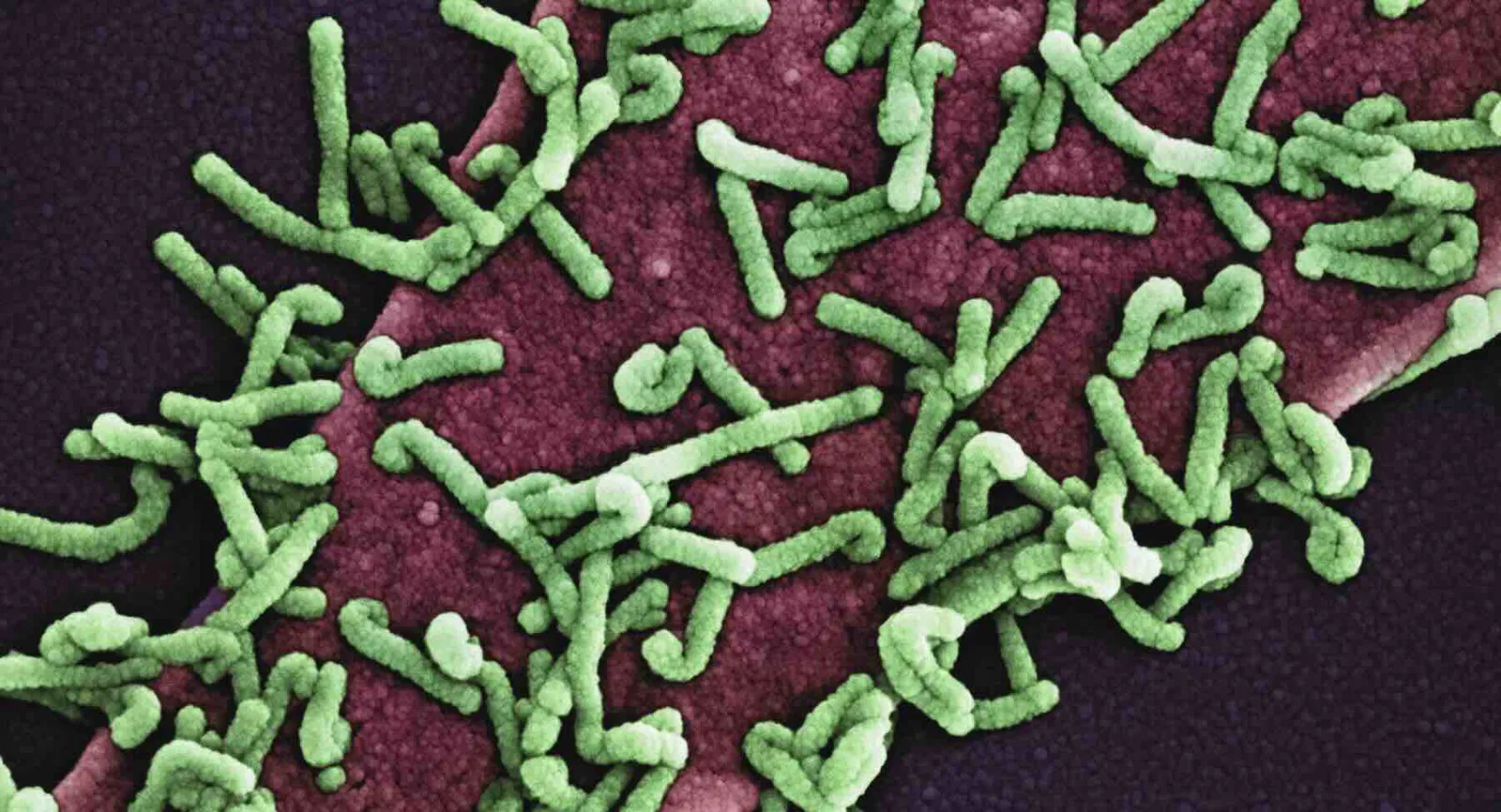
Scientists warn that creating 'mirror life'—organisms with reversed molecular structures—could pose significant risks if they escape the lab, potentially causing irreversible harm to humans and ecosystems. While full mirror cells are not yet feasible, progress in related technologies raises concerns about future capabilities and the need for global regulation to prevent ecological and health disasters.
A Danish study links long-term exposure to ultrafine particles and traffic-related pollutants to an increased risk of meningioma, a common brain tumor, highlighting the broader health impacts of air pollution beyond respiratory issues and emphasizing the need for improved air quality measures.
Researchers warn of an invisible health threat from 'novel entities,' chemicals not found in nature, present in air, food, and water, which pose risks comparable to climate change. These substances, estimated at 100 million introduced by industry, are poorly monitored and can impact human health, especially reproductive health. Current testing methods are inadequate, and exposure has already caused significant health losses. Experts call for increased research, funding, and consumer demand for safer products to mitigate this hidden danger.
A new study suggests living near golf courses, especially within one to three miles, may significantly increase the risk of developing Parkinson's disease, potentially due to pesticide exposure, though further research is needed to confirm this link.
The cargo ship Morning Midas, carrying thousands of vehicles including electric cars, sank in the Pacific after a fire that lasted three weeks off Alaska, with no casualties but potential environmental concerns due to fuel and vehicle batteries onboard.
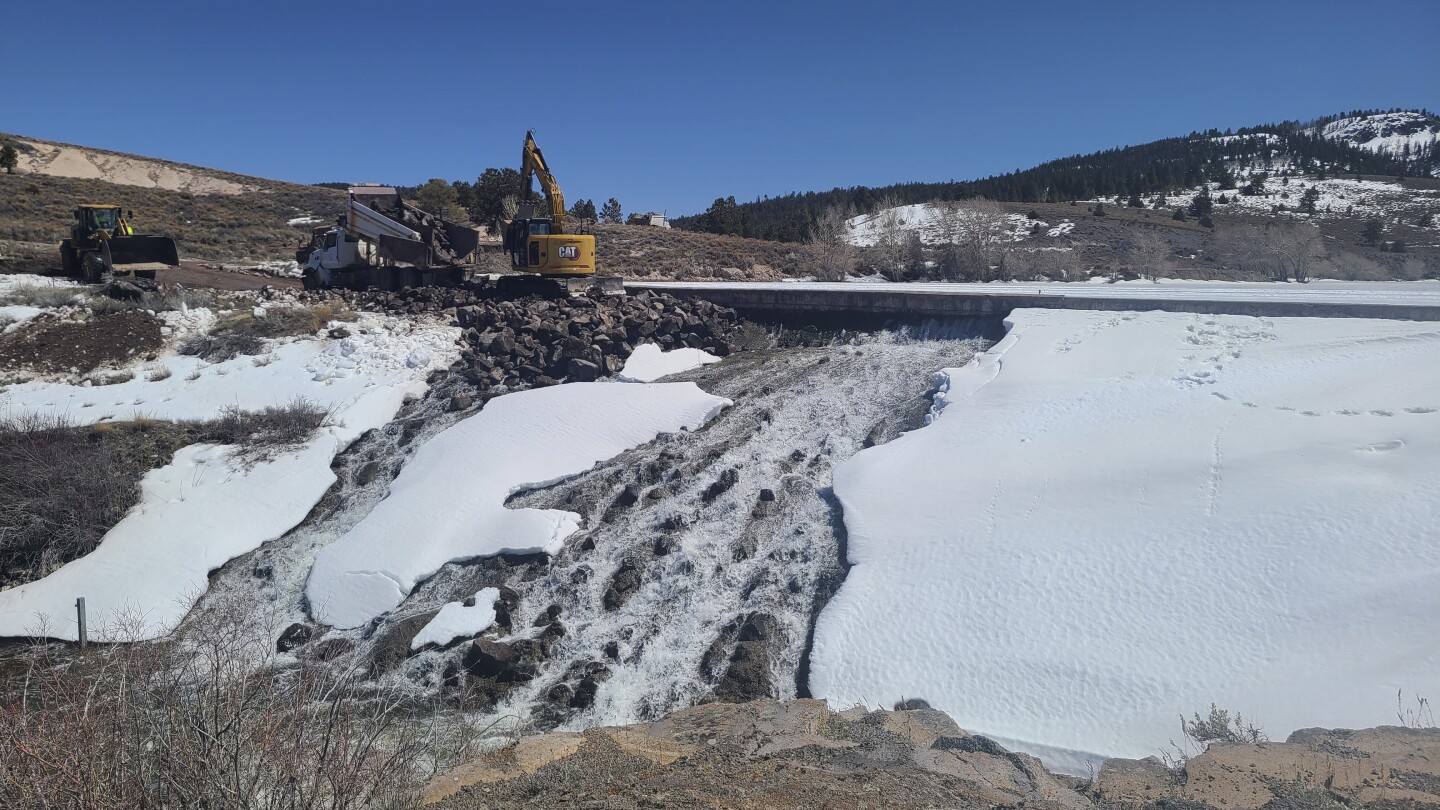
A 60-foot crack in the Panguitch Lake Dam in rural Utah has prompted urgent efforts to prevent a potential breach, with water being released to lower the reservoir and large rocks being placed to support the dam. Residents downstream have been warned to be prepared for evacuation, and officials are working to relieve pressure on the dam caused by an ice sheet. The dam, built in the late 1800s with a top portion added in the 1930s and 1940s, was not previously a concern for structural integrity.
A global study using data from over 100 countries spanning nearly two decades has found that increased air pollution is linked to rising antibiotic resistance across every country and continent. The analysis suggests that the link between air pollution and antibiotic resistance has strengthened over time. Antibiotic resistance is already a significant threat to global health, and air pollution is exacerbating the problem. Long-term exposure to air pollution is associated with chronic conditions such as heart disease and lung cancer, while short-term exposure can cause respiratory issues. Curbing air pollution could help reduce antibiotic resistance and its associated health and economic costs.
A sinkhole that first appeared in Daisetta, Texas in 2008 has expanded, renewing fears from some residents. Officials say there hasn’t been any significant expansion since the new growth was detected April 2, but they’re monitoring the sinkhole and keeping the public informed. In a preliminary report released Thursday, state researchers said the expansion was actually a new and smaller sinkhole that formed adjacent to the one from 2008. The expanding sinkhole is located near the high school campus, as well as various homes and a new Family Dollar/Dollar Tree store that opened just days after the new growth was discovered.
A UCLA-led study found a link between increased lithium levels in tap water and a higher risk of autism spectrum disorder in the offspring of pregnant women exposed to it. The highest lithium levels were associated with a 46% higher autism risk compared to the lowest levels. This is the first study to identify naturally occurring lithium in drinking water as a possible environmental risk factor for autism. The findings are based on high-quality Danish data and need replication in other populations worldwide.