Tag

Superradiance

All articles tagged with #superradiance

science1 year ago

Scientists Discover New Quantum Optics Behaviors with Matter Waves

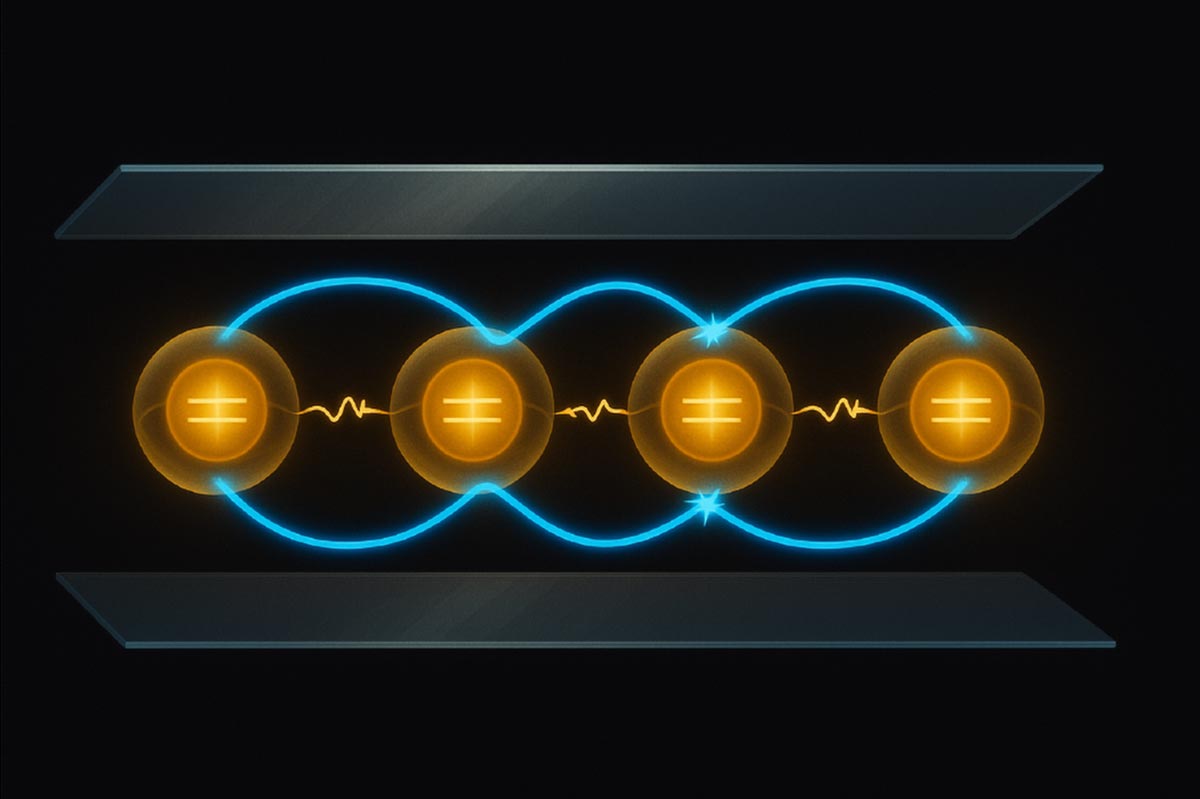
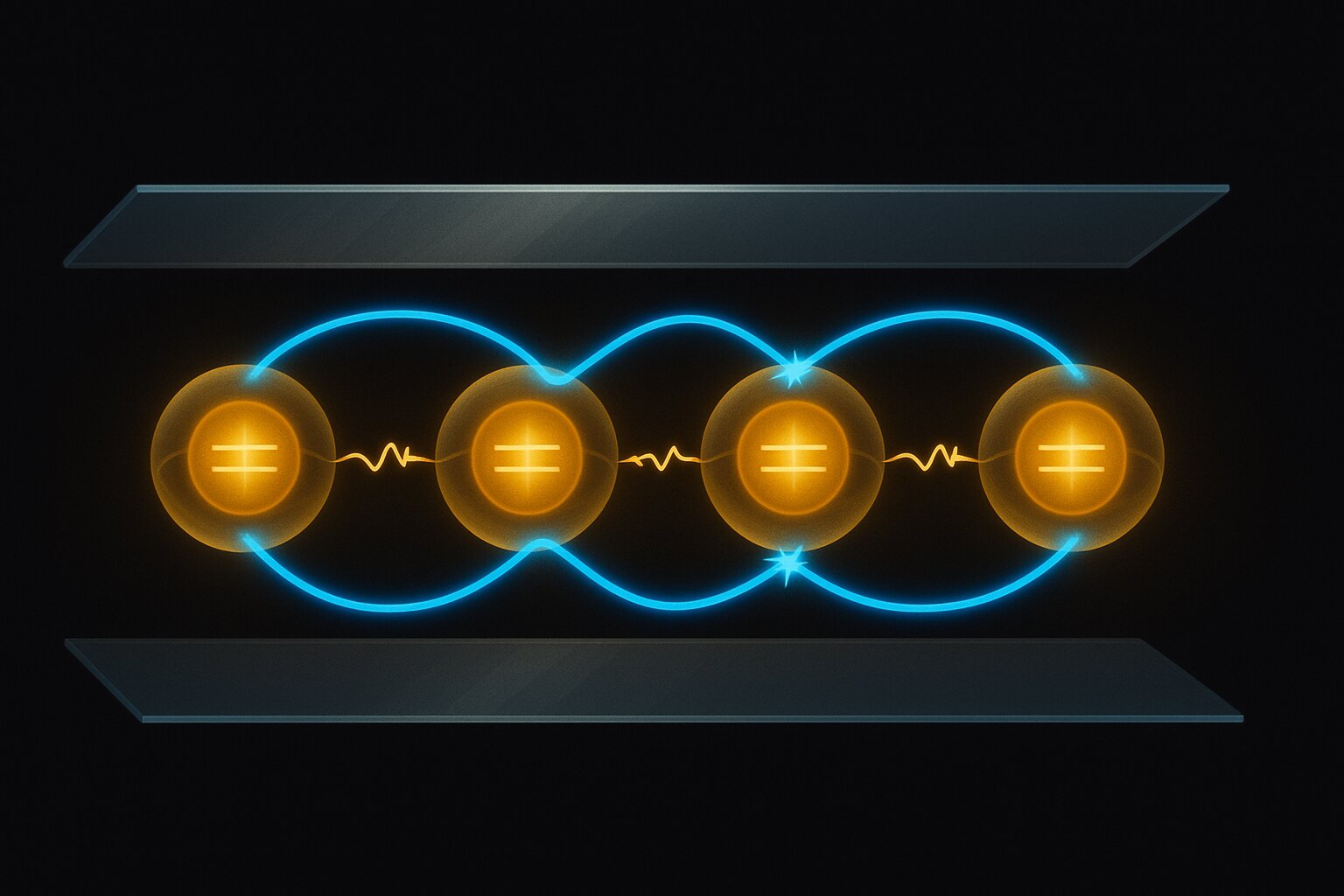
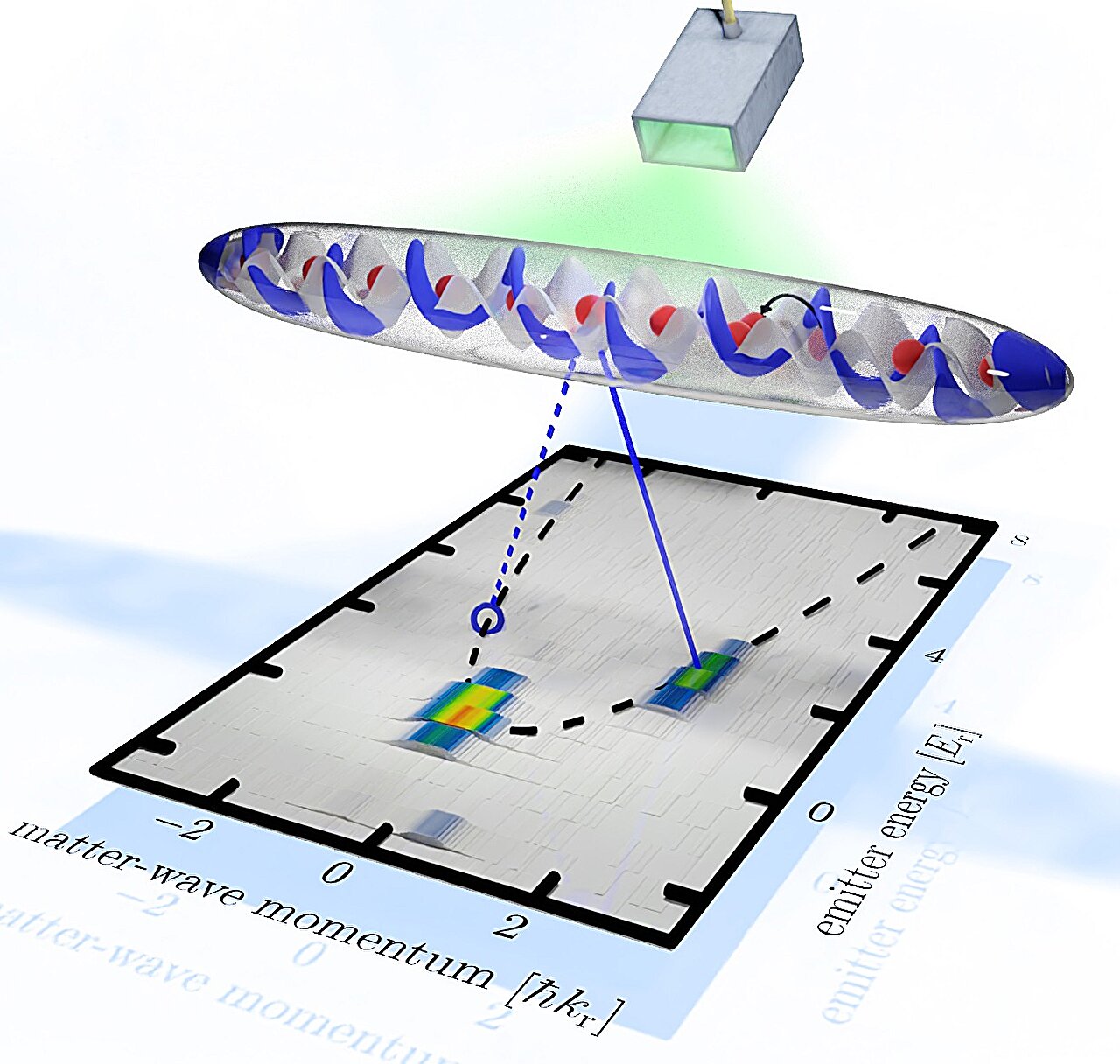
Researchers led by Dominik Schneble have discovered new collective behaviors in quantum optics using matter waves, revealing novel cooperative radiative phenomena in synthetic atom arrays. Their work, published in Nature Physics, explores super- and subradiant dynamics by manipulating ultracold atoms in an optical lattice, offering insights into quantum information science. This study challenges traditional assumptions about photon behavior in quantum systems, demonstrating unprecedented control over subradiant states and highlighting the potential of ultracold matter waves in quantum optics research.

physics1 year ago

"Harnessing Quantum Dark States for Superior Noise Reduction"

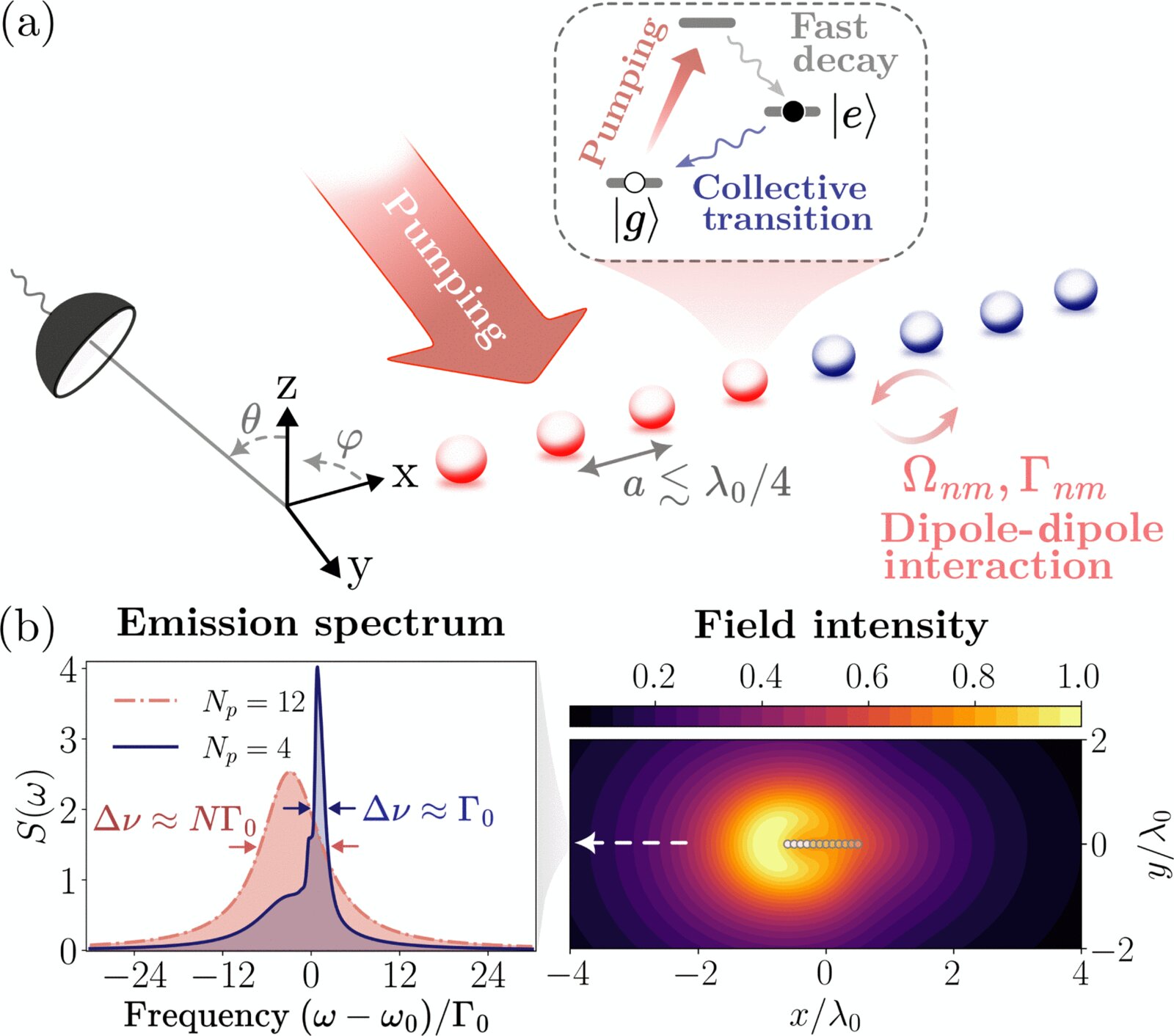
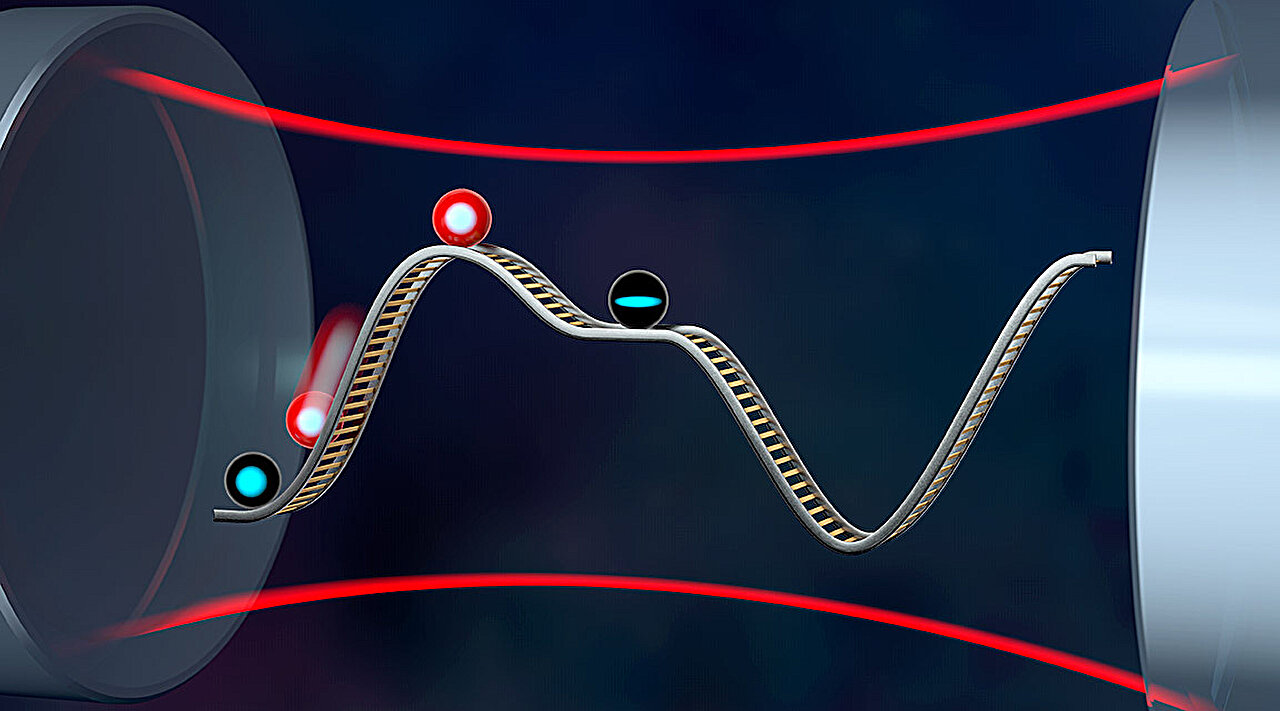
Physicists have discovered a method to create highly entangled spin-squeezed states in multilevel atoms by harnessing superradiance inside an optical cavity, leading to the generation of dark states that are immune to superradiance and emit light at a much slower pace. This breakthrough could significantly enhance the precision of atomic clocks and quantum metrology, offering opportunities for quantum-enhanced measurements and potential applications in noise reduction.

science-and-technology2 years ago

Harnessing the Power of Black Holes: Future Energy Possibilities

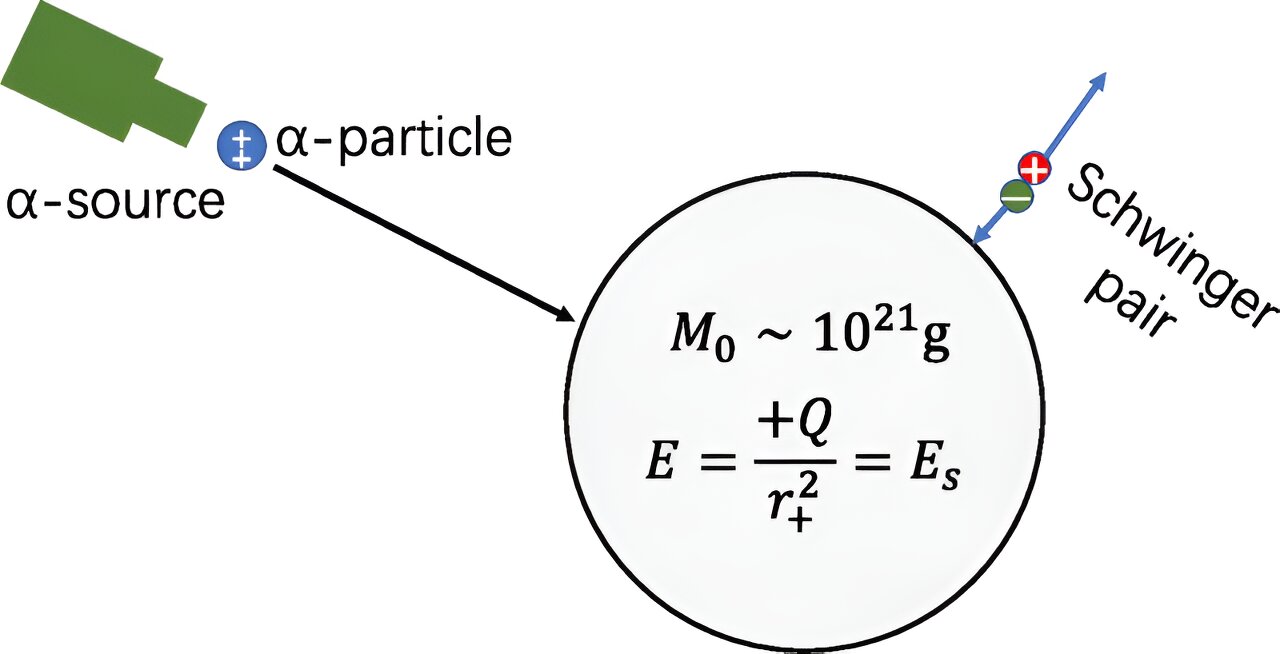
Astrophysicists propose two potential methods for harnessing energy from black holes in the distant future: charging primordial black holes by feeding them electrically charged particles until they repel them, and collecting energy through superradiance; and retrieving energy stored in the form of particle pairs that form in the presence of an electric field around black holes. The researchers estimate a potential recharging efficiency of approximately 25%.

science-and-technology2 years ago

Harnessing the Power of Black Holes: A Revolutionary Energy Solution

Scientists propose two methods for harnessing the energy of black holes. The first method involves "charging" the black hole by injecting it with electrically charged particles until it repels additional charges, effectively becoming "fully charged." The second method involves extracting energy in the form of paired particles that form spontaneously in the presence of an electric field. Theoretical calculations suggest that black hole batteries could have an efficiency 250 times higher than that of an atomic bomb. These proposals provide insights into the intersection of quantum mechanics and gravity.