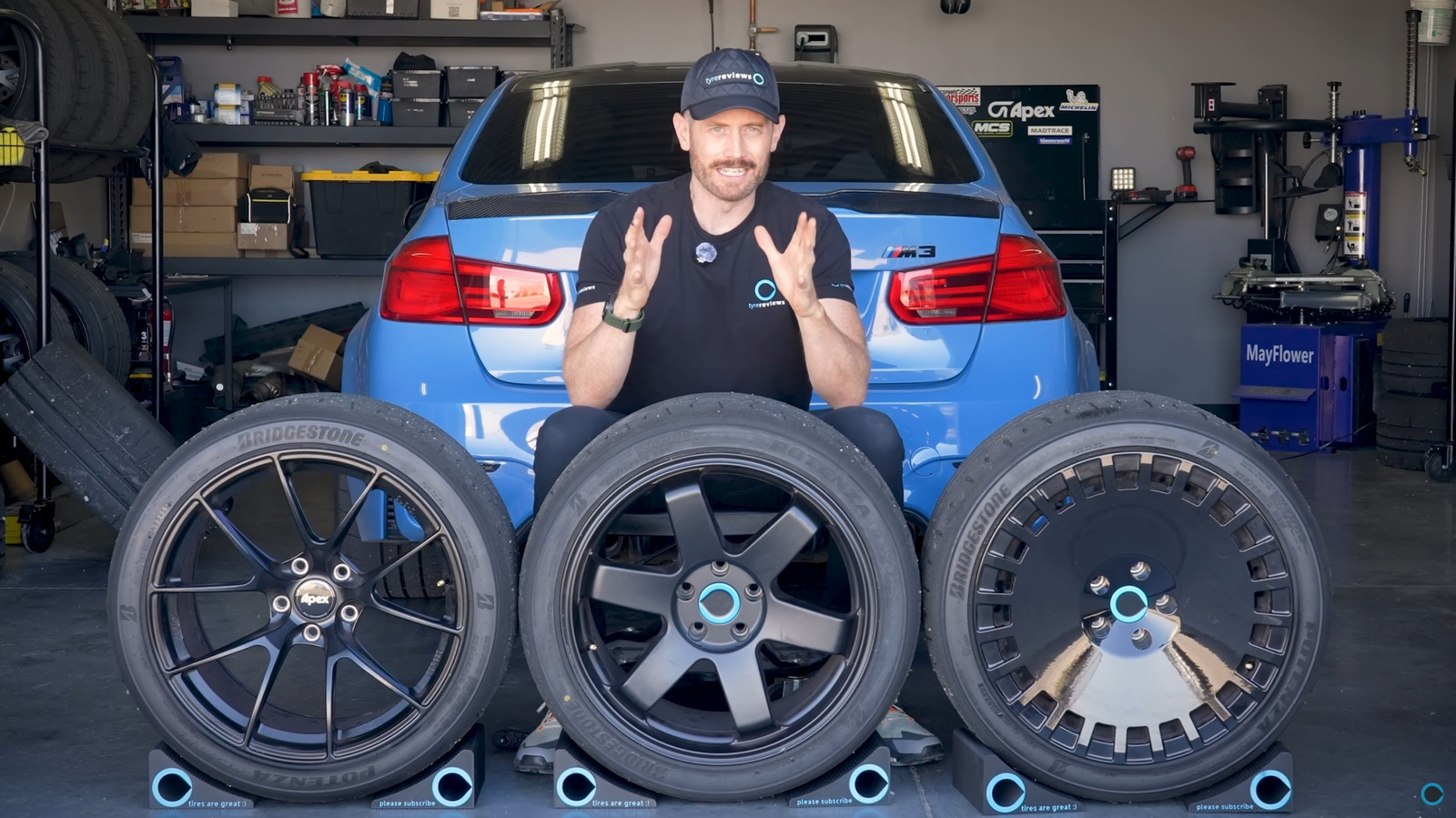
A series of tests on a BMW M3 demonstrated that lighter wheels offer measurable but relatively small improvements in acceleration, braking, and lap times, with subjective feedback indicating better steering feel. While high-end lightweight wheels can be costly, for most drivers, the performance gains may not justify the expense, though enthusiasts and racers can benefit from the reduced rotational and unsprung weight.
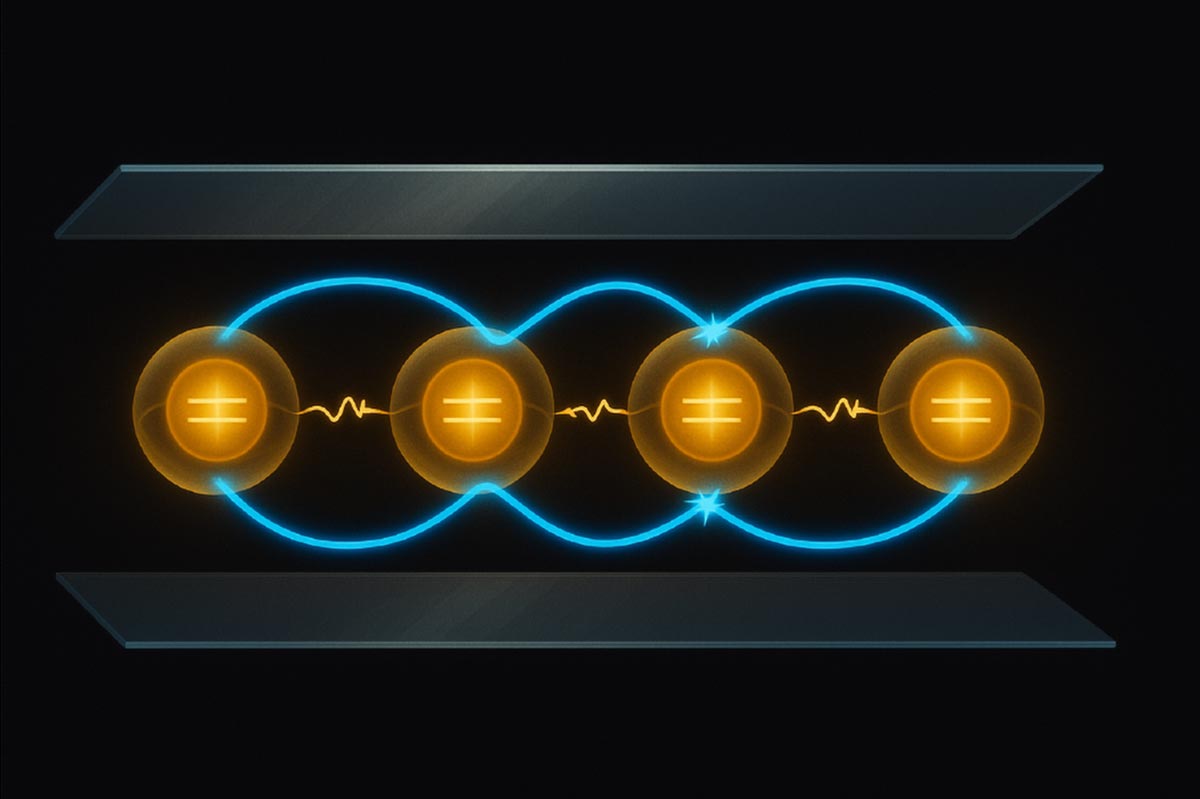
Researchers propose a practical method to detect the Unruh effect, which predicts that an accelerating object perceives empty space as warm, by using synchronized atomic emissions and high-quality mirrors to amplify and time the faint signals, making this elusive quantum phenomenon observable in laboratory conditions.
We feel acceleration but not constant speed because we only sense forces when they are applied to us, such as during changes in speed or direction. At a constant speed, we are in a state of inertia, meaning we continue moving at the same velocity unless acted upon by another force.
Moving at the speed of light is theoretically impossible for humans due to the extreme acceleration forces involved, which could lead to severe injury or death. Additionally, as an object with mass approaches the speed of light, its mass increases, making it impossible to reach that speed. However, particle accelerators have been able to propel subatomic particles to over 99.9% of the speed of light. If it were possible to move at near light speed, the effects of relativity on time would be experienced, with time passing more slowly for the traveler.
Ferrari has achieved a remarkable feat by creating one of the quickest rear-wheel-drive (RWD) production cars in history. The Ferrari 269 GTB outperformed the McLaren Artura and Lamborghini Huracan STO in Car And Driver's acceleration test, achieving a 0-60 mph time of 2.4 seconds. With 819 horsepower and ultra sticky Michelin Pilot Sport Cup 2R tires, the Ferrari also excelled in braking, stopping from 70 mph in just 130 feet. This impressive performance comes at a price, with the Ferrari starting at $343,000.
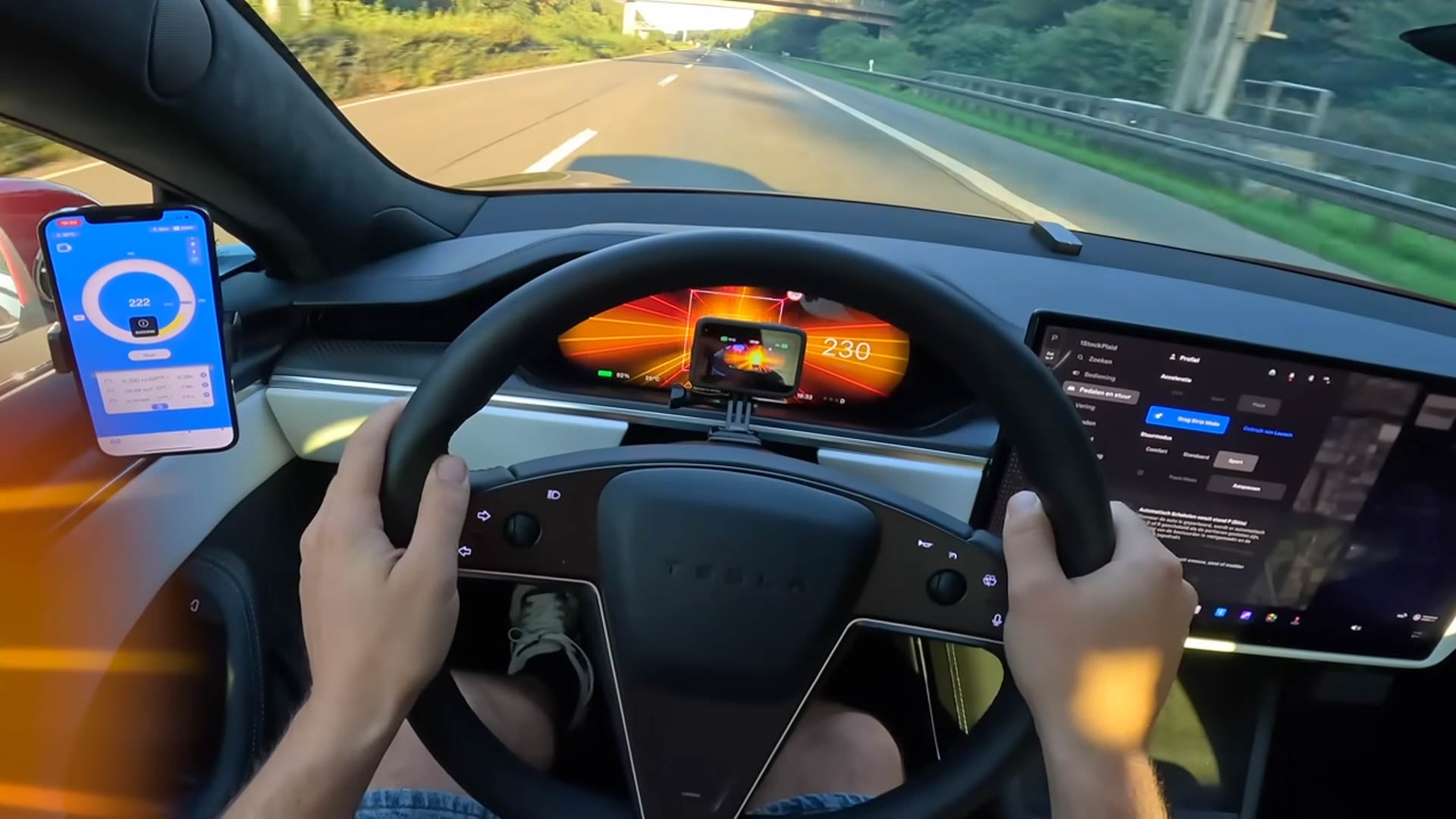
A Tesla Model S Plaid, with its backseat removed, achieved a 62-124 mph acceleration in just 3.99 seconds in a recent video. Equipped with the Track Package, the Model S Plaid also hit a top speed of 203 mph on the German Autobahn. With its three electric motors producing 1,020 horsepower and 1,050 lb-ft of torque, the lightweight modification made the car even more powerful. Despite its incredible acceleration, the Model S Plaid remains a functional car for two passengers, offering a proper steering wheel for high-speed driving.
U.S. inflation accelerated in August as gasoline prices jumped, indicating an increase in overall consumer prices and adding to concerns about rising inflationary pressures.
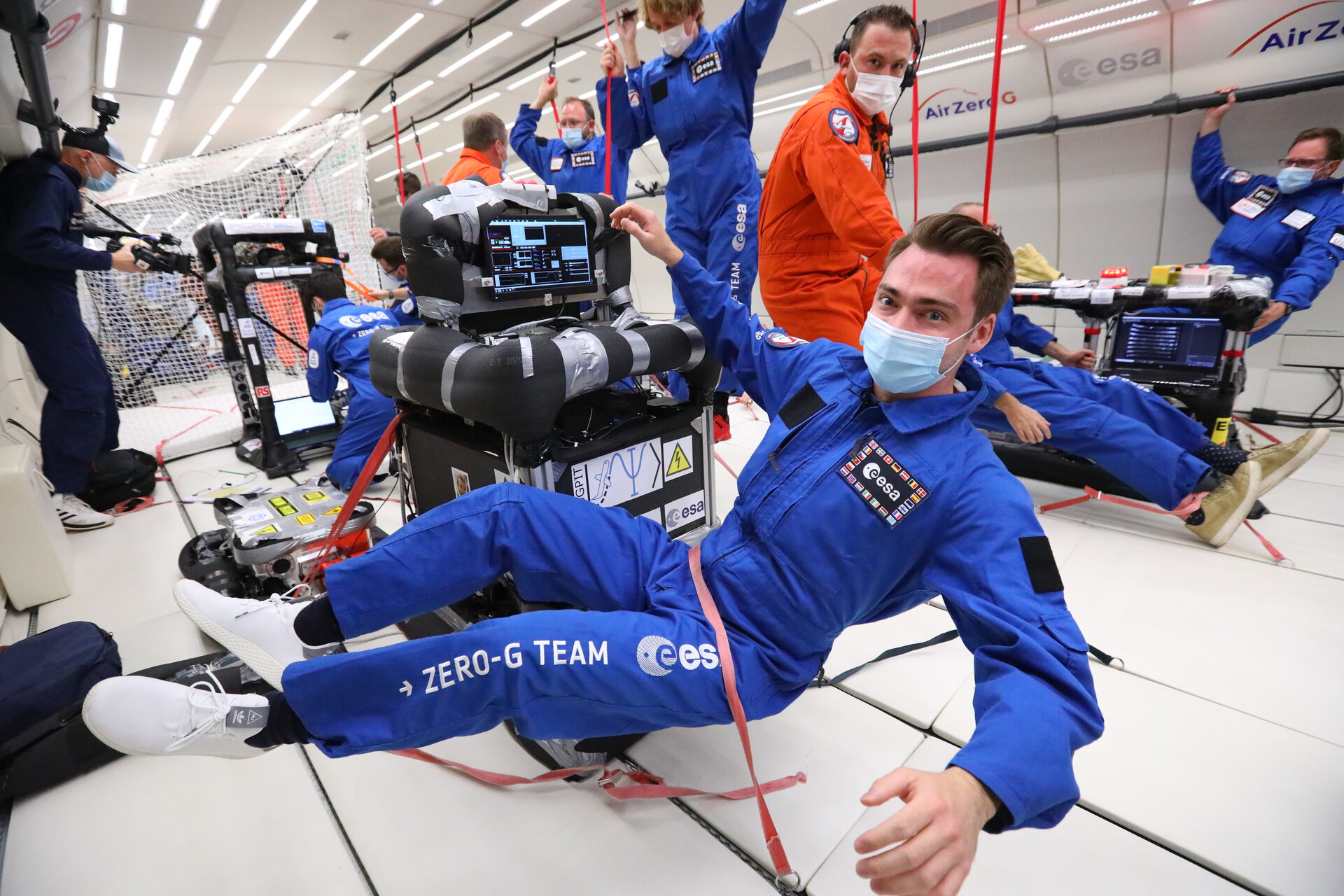
Scientists have tested the robustness of quantum entanglement by subjecting quantum hardware to various environments, including bumpy car rides, drops from a tower, and spins in a centrifuge. The experiments, conducted by the European Space Agency, aimed to understand the effects of acceleration on quantum systems and explore the connections between relativity and quantum physics. The results showed that current quantum communication platforms are remarkably robust, paving the way for the development of space-based applications.
Harley-Davidson's LiveWire S2 Del Mar electric motorcycle has been announced with impressive specs, including a 113-mile city range, acceleration from zero to 60 mph in 3.0 seconds, and a top speed of 103 mph. The bike also features OTA updates, a four-inch round screen, and app-based navigation. Priced at $15,499, its release date is yet to be confirmed, but a July launch in the US is expected.
Volvo has announced its new EX30 EV, which will be priced at $35,000 and will be available for order in Europe and selected markets. The RWD-only model can go from 0-60 mph in just over five seconds, while the AWD model can do it in 3.4 seconds, making it Volvo's fastest accelerating car ever. The EX30 has a 69kWh/64kWh battery and a range of 265/275 miles for the AWD/RWD. The carmaker plans to sell only EVs by 2030 and be carbon neutral a decade later.
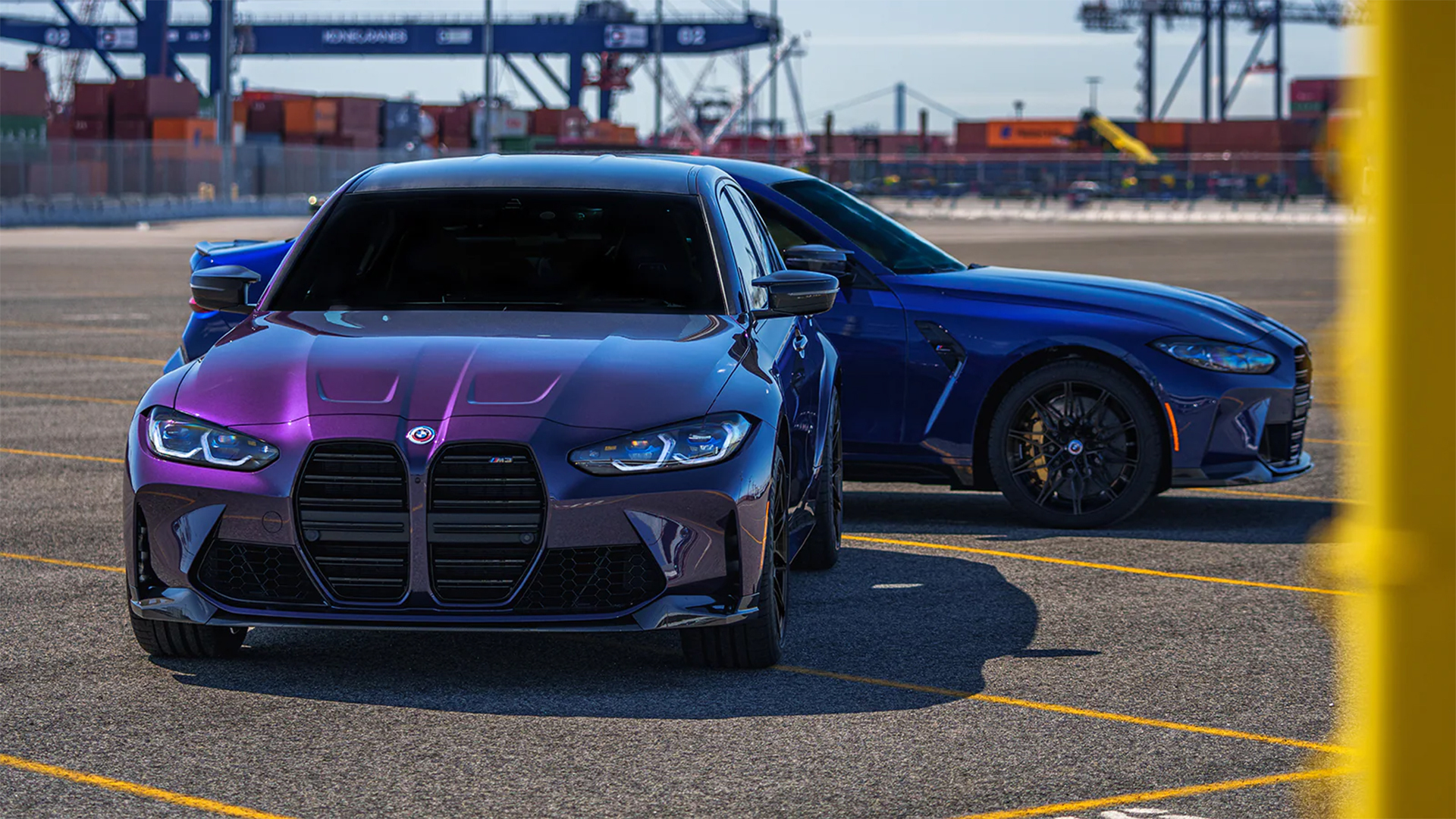
The 2023 BMW M3 Competition xDrive, equipped with a 3.0-liter twin-turbocharged inline-six engine producing 503 hp and 479 lb-ft of torque, was able to accelerate from 0-60 mph in 2.8 seconds (excluding a 1-foot rollout of 0.2 seconds) during a Car and Driver test. The sedan also hit 100 mph in 7.0 seconds, completed the quarter-mile in 11.0 seconds at 124 mph, and reached 150 mph in 18.2 seconds. The launch control system was found to be particularly potent, with a 5-60 mph sprint time of 4.2 seconds. The tested model was the 50 Jahre Edition, limited to 500 units for the US and Canada.
The Porsche 911 GT3 RS, equipped with a naturally aspirated 4.0-liter flat-6 engine, reaches a speed of 163 mph from a standstill in just 20 seconds using launch control. The car laps the Nurburgring in under seven minutes and has a vintage Porsche 356-style tachometer. The engine's sound is an auditory treat, and Porsche made a limited run of soundbars using the GT3's exhaust system.