The article highlights eight common beauty mistakes that accelerate aging, such as neglecting sunscreen, sleeping with makeup on, over-exfoliating, neglecting neck and hands, using hot water on the face, touching the face frequently, using expired products, and following every skincare trend. Avoiding these habits and sticking to simple, proven routines can help maintain a youthful appearance and prevent premature aging.

The anti-sunscreen movement questions the safety of chemical ingredients and their absorption into the bloodstream, but evidence still supports sunscreen use for skin cancer prevention. While sunlight has benefits like vitamin D production, overexposure increases skin cancer risk, especially for lighter skin tones. Public health guidelines suggest balancing sun exposure with protection, considering individual risk factors, and recognizing the benefits of moderate sunlight.
A sunscreen scandal in Australia has led to the recall of 18 products due to safety concerns, with investigations revealing that many sunscreens do not meet their claimed SPF levels, raising issues about manufacturing and testing practices in the industry.
Originally Published 3 months ago — by Hacker News
The article debates the health benefits of sunlight versus skin cancer risks, criticizing questionable studies linking sun exposure to health benefits and emphasizing the physical damage UV radiation can cause, while advocating for moderate sun exposure and skepticism towards overly simplistic health claims.
A study at a Dutch music festival found that mosquitoes prefer individuals who have consumed beer, haven't showered, and haven't applied sunscreen, with skin microbiota and behavior influencing attraction; however, factors like blood type were not supported as influential, and further research is needed.
Scientists warn that a chemical in many sunscreens, EHMC, may prolong plastic life in water and promote harmful biofilms, posing risks to marine ecosystems and human health, prompting calls for further research and policy action.
Celebrity chef Gordon Ramsay revealed he underwent surgery for basal cell carcinoma, a type of skin cancer, and urged the public to use sunscreen to prevent skin damage.
Celebrity chef Gordon Ramsay announced he was diagnosed with and had removed basal cell carcinoma, a common skin cancer caused by sun exposure, emphasizing the importance of sunscreen and sun protection.
The author emphasizes the importance of daily sunscreen use for skin protection, sharing personal routines and struggles with societal beauty standards favoring tanned skin, and advocates for embracing natural skin tone while maintaining sun safety.
The podcast discusses concerns about the potential toxicity of sunscreen, with expert insights on the current scientific understanding of its safety and tips for protecting skin year-round.
Despite longstanding scientific evidence supporting sunscreen use to prevent skin cancer, a growing anti-sunscreen movement on social media questions its safety and promotes natural alternatives, causing concern among health experts who emphasize that avoiding sunscreen increases long-term health risks.
A growing anti-sunscreen movement on social media promotes sun exposure and DIY alternatives, causing confusion and concern among health experts who emphasize sunscreen's role in preventing skin cancer and UV damage.
This article presents a quiz to test your knowledge about sunscreen, covering topics like SPF meaning, types of sunscreen, application tips, and sun damage signs, emphasizing the importance of proper sun protection during summer activities.
Despite living in a sunny region, many people, including Israelis, may still be vitamin D deficient due to sunscreen use, indoor lifestyles, and other factors. Vitamin D is essential for bone health, immune function, and potentially slowing aging, but its production is hindered by sun protection measures. Regular testing and advanced supplement delivery methods like liposomal technology can help maintain optimal levels, which are crucial for overall health and longevity.
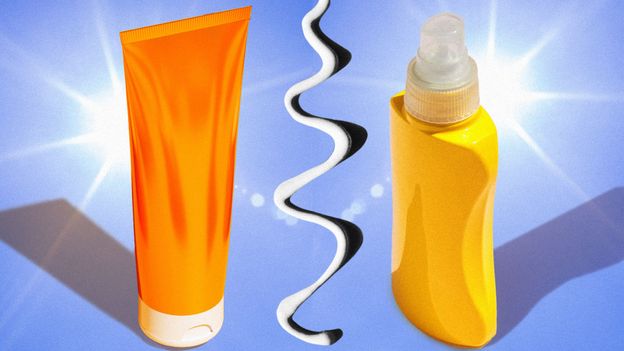
The article clarifies misconceptions about mineral and chemical sunscreens, explaining that both types contain chemicals and work primarily by absorbing UV rays, not reflecting or scattering them. It highlights that inorganic (mineral) sunscreens like zinc oxide and titanium dioxide are often lab-produced and can feel thicker, while organic (chemical) sunscreens are soluble and tend to be smoother. Current research shows minimal health risks from ingredients like oxybenzone, though regulators seek more safety data. Ultimately, the best sunscreen is one that users are comfortable applying regularly.