A sunscreen scandal in Australia has led to the recall of 18 products due to safety concerns, with investigations revealing that many sunscreens do not meet their claimed SPF levels, raising issues about manufacturing and testing practices in the industry.
This article presents a quiz to test your knowledge about sunscreen, covering topics like SPF meaning, types of sunscreen, application tips, and sun damage signs, emphasizing the importance of proper sun protection during summer activities.
To effectively protect your skin from UV damage and skin cancer, apply a generous amount of broad-spectrum sunscreen with SPF 30 or higher at least 30 minutes before sun exposure, reapply every two hours, and use additional protection like hats and shade. 'Once a day' sunscreens are generally insufficient, and SPF in makeup should be considered a top-up, not primary protection. Regular reapplication is crucial, especially after swimming or sweating, to prevent cumulative UV damage and premature aging.
Sunscreen is essential for protecting your skin from harmful UV rays, which can cause skin cancer and premature aging. Dermatologists recommend using a broad-spectrum sunscreen with at least SPF 30, applying it daily, even indoors, and reapplying every two hours when outdoors. Both mineral and chemical sunscreens offer good protection, but mineral sunscreens are less likely to cause irritation. Sunscreen should be applied generously and replaced every three years or if it shows signs of degradation. Additionally, sun-protective clothing and seeking shade during peak sun hours are important for comprehensive sun protection.
Experts warn that young people are risking skin cancer by following social media influencers who claim that SPF is harmful and unnecessary. Dermatologists emphasize that sunscreens are safe and effective in protecting against sun damage and skin cancer, debunking the influencers' advice to build up melanin naturally.
Dermatologist Ashley Magovern emphasizes the importance of a morning skincare routine to hydrate, nourish, and protect mature skin from environmental stressors. She recommends a 4-step routine including cleansing, toning, serum application, and moisturizing with SPF. Specific product recommendations are provided for different skin types, along with optional steps like using eye cream and lip balm. These steps help combat signs of aging and maintain a youthful glow without requiring a significant time investment.
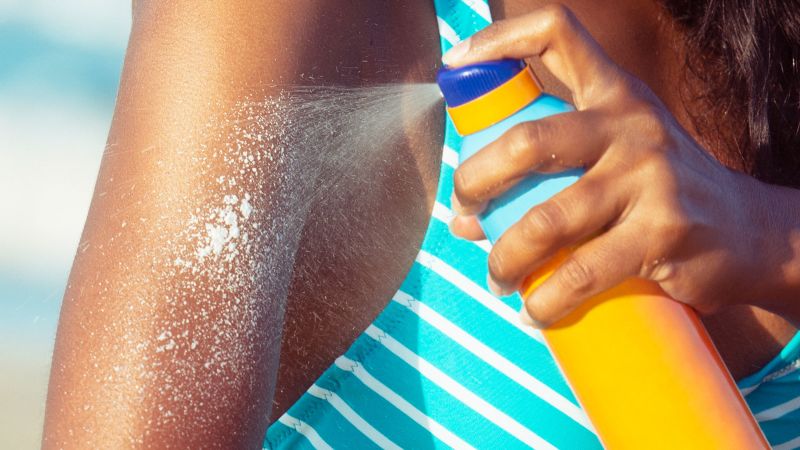
Utah has the highest melanoma rate in the U.S., making effective sunscreen use crucial. However, studies show that people are generally not using enough sunscreen, applying only half or a quarter of the recommended amount. This results in a lower sun protection factor (SPF) and increased sunburn risk. Dermatologists recommend using about 1 fl. oz. of sunscreen per application, applying it to 11 specific areas of the body, and reapplying every two hours or more frequently if swimming or sweating. Rubbing in spray sunscreens is necessary, and additional sun protection tools like hats and seeking shade are recommended.
Many people from minority communities, including those with darker skin tones, are less likely to use sunscreen due to various myths and misconceptions. Some believe that their natural melanin provides enough protection against the sun, while others may rely on DIY remedies or have a lack of knowledge about the importance of SPF. However, experts emphasize that melanin only offers minimal protection, equivalent to an SPF rating of around seven. Lack of education, marketing targeted towards white people, and limited availability of sunscreen products for diverse skin tones contribute to this issue. Accessibility and affordability of sunscreen are also raised as barriers, with calls for the removal of taxes on sunscreen in the UK.
The global sunscreen market is booming, with the value of sun care products projected to reach $14 billion by 2028. This growth is attributed to a shift in the market, with sunscreen formulas becoming more fun, personalized, and suitable for everyday use. Social media and influencers have played a significant role in promoting the importance of sunscreen, particularly among younger individuals. Prestige brands and celebrities have also contributed to the rise in daily SPF use. Additionally, larger skincare trends, such as the popularity of serums and multi-step routines, have increased the need for sun protection. Consumers are advised to look for broad-spectrum protection and an SPF of at least 30, while also considering individual needs and preferences.
Sunscreen is a non-negotiable part of daily skin care that can prevent skin cancer, wrinkles, pigmentation, and sunburn. There are two types of sunscreens: chemical and mineral. Mineral sunscreens work by creating a barrier on the skin that reflects UV rays, while chemical sunscreens get absorbed into the skin and repel UV rays. It's important to find a sunscreen that looks and feels nice on your skin and still protects you from UV rays. Experts recommend wearing sunscreen with SPF 30 or higher and reapplying every two to four hours if you're in the sun. Sunscreens in the European Union contain newer ingredients, but it's important to purchase from a reputable company and check if the FDA sent a warning letter to the company for not being safe or effective.
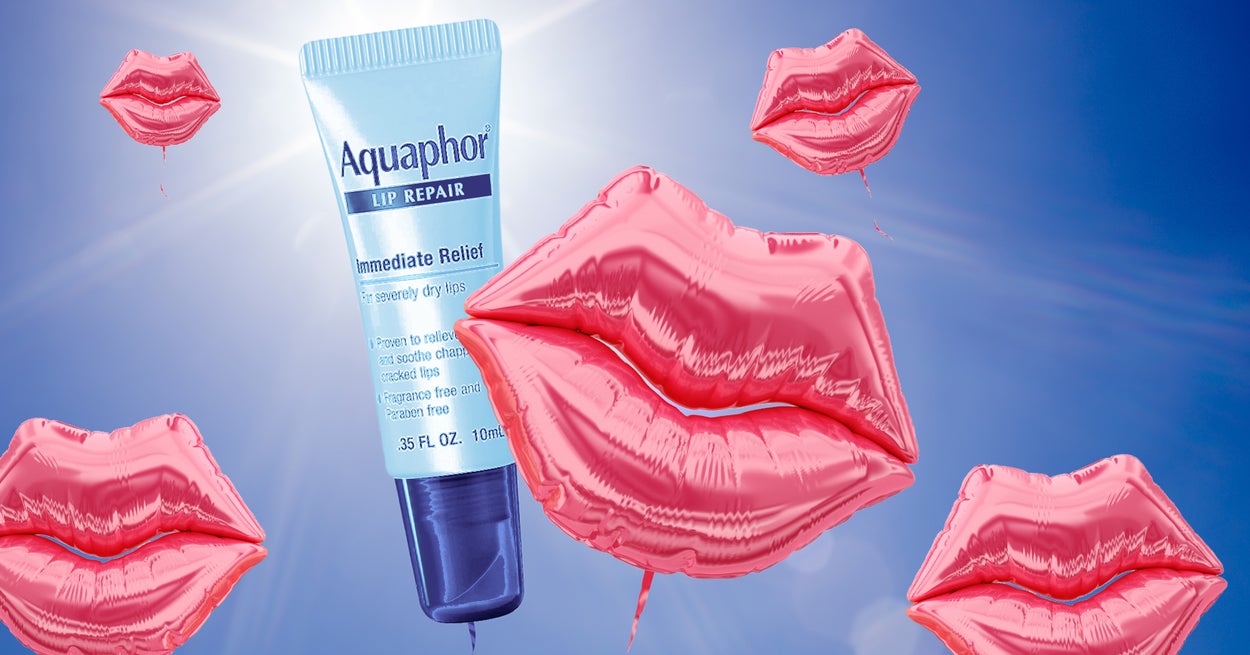
Wearing Aquaphor, a petroleum-based product, on the lips in the sun can cause sunburn, swelling, blisters, and even skin cancer. Lips are a combination of muscle and connective tissue and are automatically positioned to be exposed to the sun just like the rest of your face. Dermatologists warn against using petroleum- and oil-based products in the sun and instead recommend using an SPF lip balm. If you have a mild sunburn, use a cool compress on your lips to help with swelling and to decrease the heat in your lips. Additionally, finding a chapstick with an SPF of 15 or higher can protect against sun damage.
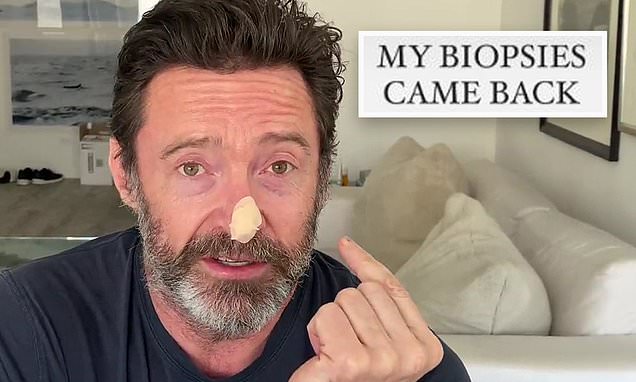
Hugh Jackman has received a negative result from two biopsies after his doctor noticed potential signs of Basal Cell Carcinoma, the most common form of skin cancer. The actor, who has had six skin cancers removed from his face in the past, urged fans to practice sun safety and wear sunscreen with a high SPF. Jackman's childhood was spent outdoors without protective ointments such as sunscreen, and he hopes that sharing his experiences will remind people to take precautions against skin cancer.
Actor Hugh Jackman shared a video on Instagram revealing he had two biopsies for spots on his nose that may be cancerous. He urged his followers to wear sunscreen with a high SPF, emphasizing that basal cell carcinoma, the type of skin cancer he has, is the "least dangerous" but still a warning sign. Jackman reminded his fans that summer is coming and to be safe by wearing sunscreen, no matter how much they want to tan.
Actor Hugh Jackman urges people to wear sunscreen after having two biopsies done for possible basal cell carcinoma. Basal cell carcinoma is the most common type of skin cancer, and skin cancer is the most common form of cancer in the United States. To protect yourself, wear broad-spectrum sunscreen with an SPF of 30 or higher, use the right amount, wear sun-protective clothing, limit exposure, and check yourself for any new or suspicious spots on your skin.