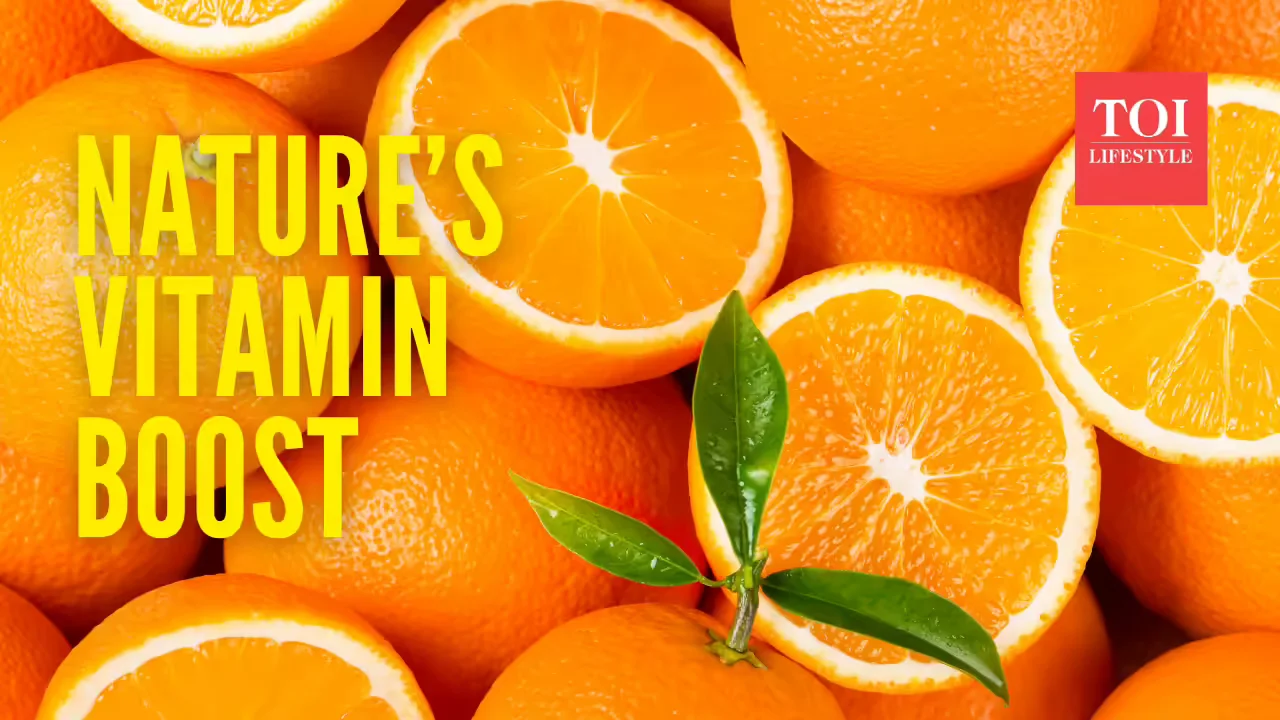
Clementines are a low-calorie, nutrient-rich fruit in season from October to January, packed with vitamin C, antioxidants, and B vitamins that boost immunity, improve skin, support digestion, and enhance brain function. Regular consumption may reduce cold severity, promote collagen production, fight inflammation, and potentially lower dementia and depression risks, but caution is advised for those on certain medications due to compounds like furanocoumarins.
A comprehensive review of over 500 studies suggests that probiotic, prebiotic, and synbiotic supplements may benefit skin conditions like eczema and atopic dermatitis, especially in children, but more standardized research is needed to confirm these effects and guide clinical use.
A study from the University of Otago found that increasing dietary vitamin C through foods like kiwifruit can significantly boost skin collagen production, thickness, and renewal by elevating vitamin C levels in the blood and skin, emphasizing the importance of internal nutrition over topical treatments for skin health.
Copper peptides, particularly GHK-Cu, are emerging as a popular anti-aging ingredient due to their ability to stimulate collagen and elastin production, improve skin firmness and texture, and support wound healing, making them a valuable addition to modern skincare routines.
Hormone therapy for menopause, recently freed from outdated FDA warnings, can significantly improve skin health by increasing collagen, hydration, and barrier function, while also managing menopausal symptoms; proper treatment choices and skincare routines can optimize benefits and minimize side effects.
Rosacea, a skin condition causing redness and bumps, often worsens with age due to chronic inflammation, sun damage, and skin thinning, especially in women and those with fair skin. While its exact cause is unknown, managing triggers, using gentle skincare, applying sunscreen, and seeking medical treatments like topical medications or laser therapy can help control symptoms. Early consultation with a dermatologist is recommended to develop an effective management plan.
A dermatologist warns against using Phitkari (alum) on the face, highlighting its strong dehydrating and astringent properties that can damage the skin barrier, cause micro-tears, and do not have skin-brightening benefits, contrary to popular belief.
Dermatologists are skeptical about a new scalp trend, raising concerns about its safety and effectiveness, highlighting the importance of consulting professionals before trying new haircare practices.
Eating an orange daily offers numerous health benefits, including improved skin, enhanced immune defense, better heart health, digestive support, cognitive and mood benefits, and metabolic regulation, making it a simple and nutritious habit for overall well-being.
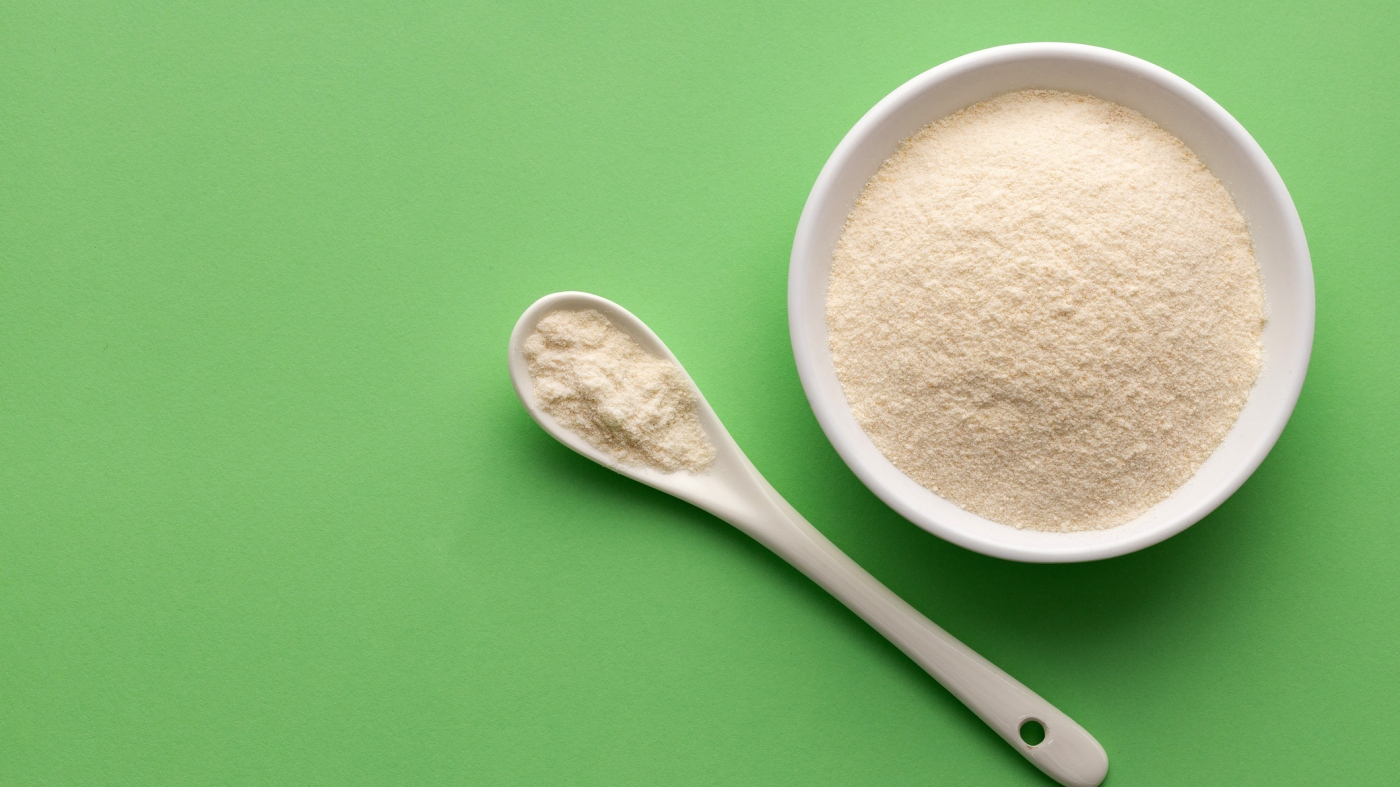
The article compares collagen and biotin, highlighting their benefits for skin, joints, hair, and nails. Collagen supports skin elasticity and joint health, especially as natural production declines with age, while biotin is essential for healthy hair and nails. Both can be obtained through diet or supplements, but consulting a healthcare provider is recommended before use. Collagen may be better for skin and joint concerns, whereas biotin may help with hair and nail issues, and sometimes both can be used together.
While some studies suggest collagen supplements may improve skin hydration, elasticity, and reduce wrinkles, the evidence is mixed and often industry-funded, making it inconclusive. For joint health, benefits are possible but not definitively proven due to low-quality studies. Experts recommend focusing on proven methods like sun protection, a healthy diet, and lifestyle factors for skin and joint health instead of relying solely on collagen supplements.
Eating a balanced diet rich in vitamins A, C, and E, healthy fats, and antioxidants can significantly improve skin health and promote a glowing complexion. Key foods include avocados, salmon, eggs, berries, nuts, and water-rich vegetables, which support collagen production, hydration, and protection against environmental stressors. Incorporating these foods into your diet alongside a good skincare routine can enhance skin appearance from the inside out.
Eating a balanced diet rich in vitamins A, C, and E, healthy fats like omega-3s, and antioxidants from fruits, vegetables, and whole grains can significantly improve skin health and promote a glowing complexion, alongside a good skincare routine.
Eating a balanced diet rich in vitamins A, C, E, healthy fats, and antioxidants—such as avocados, salmon, berries, and nuts—can significantly improve skin health, support collagen production, and protect against environmental damage, complementing skincare routines for a glowing complexion.
Eating a diet rich in energy-supporting foods, vitamin C, antioxidants, protein, healthy fats, and fermented foods can support healthy aging by improving skin elasticity, energy levels, muscle mass, and overall cellular health, thereby slowing signs of aging and promoting vitality.