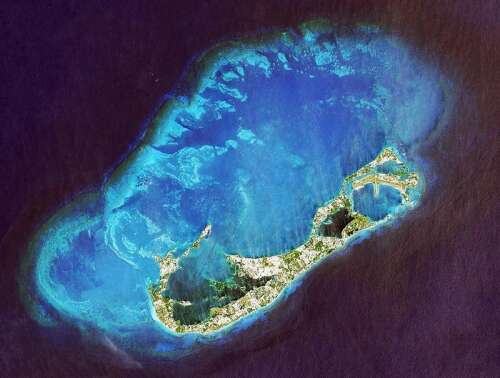
A recent study reveals a massive, lighter rock slab beneath Bermuda, nearly 13 miles thick, which lifts the island above the oceanic crust. This discovery challenges previous understanding of Bermuda's volcanic origins, suggesting the island sits on a buoyant, ancient intrusion rather than a recent volcanic hotspot, and highlights the island's unique geological history.
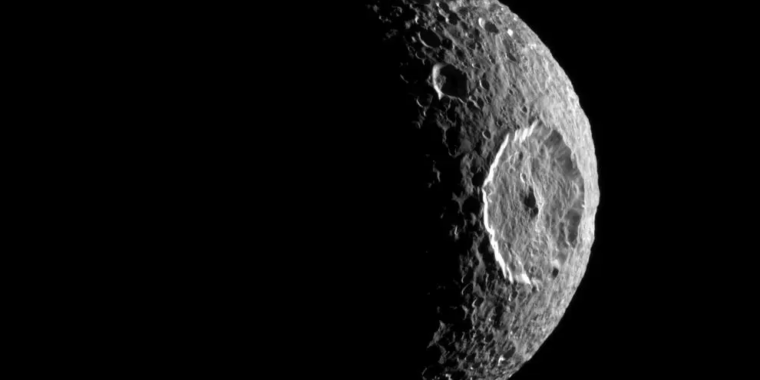
Evidence from orbital mechanics and tidal forces suggests that Saturn's moon Mimas has a subsurface ocean, contradicting its heavily cratered surface. The ocean likely formed relatively recently, possibly within the last 3 million years, due to tidal heating. This discovery adds Mimas to the growing list of Solar System objects with subsurface oceans and raises questions about its history and interactions with other moons and Saturn's rings.
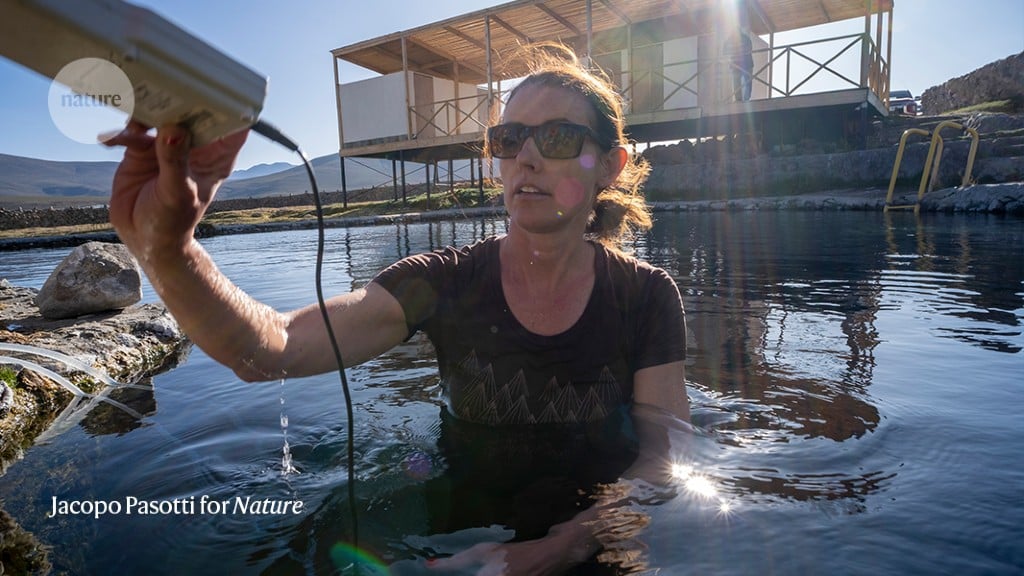
Geomicrobiologist Karen Lloyd and her team have been exploring the roles of microorganisms that inhabit the deep subsurface of the Earth, particularly in hot springs and volcanoes. By collecting fluids from various locations around the world, they aim to understand how these microbes contribute to the cycling of essential elements and provide valuable information on hot-spring safety to local communities. Their goal is to build a global dataset that sheds light on how microbes thrive in extreme environments deep inside the planet.