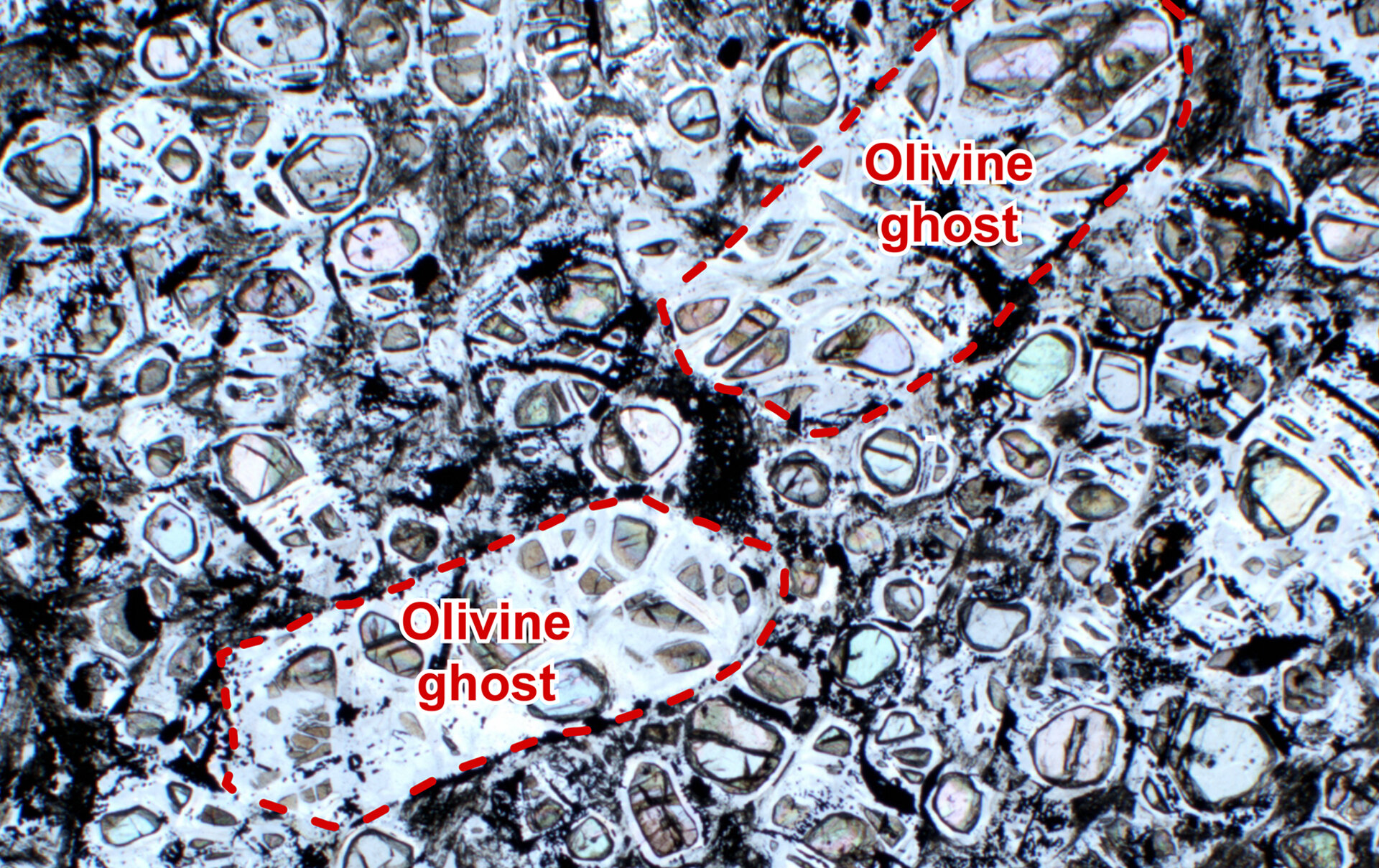
A new study suggests that Earth's continents began forming much earlier than previously thought, with evidence of active plate tectonics and crust recycling during the Hadean eon, based on chemical analysis of ancient crystals and geodynamic models.
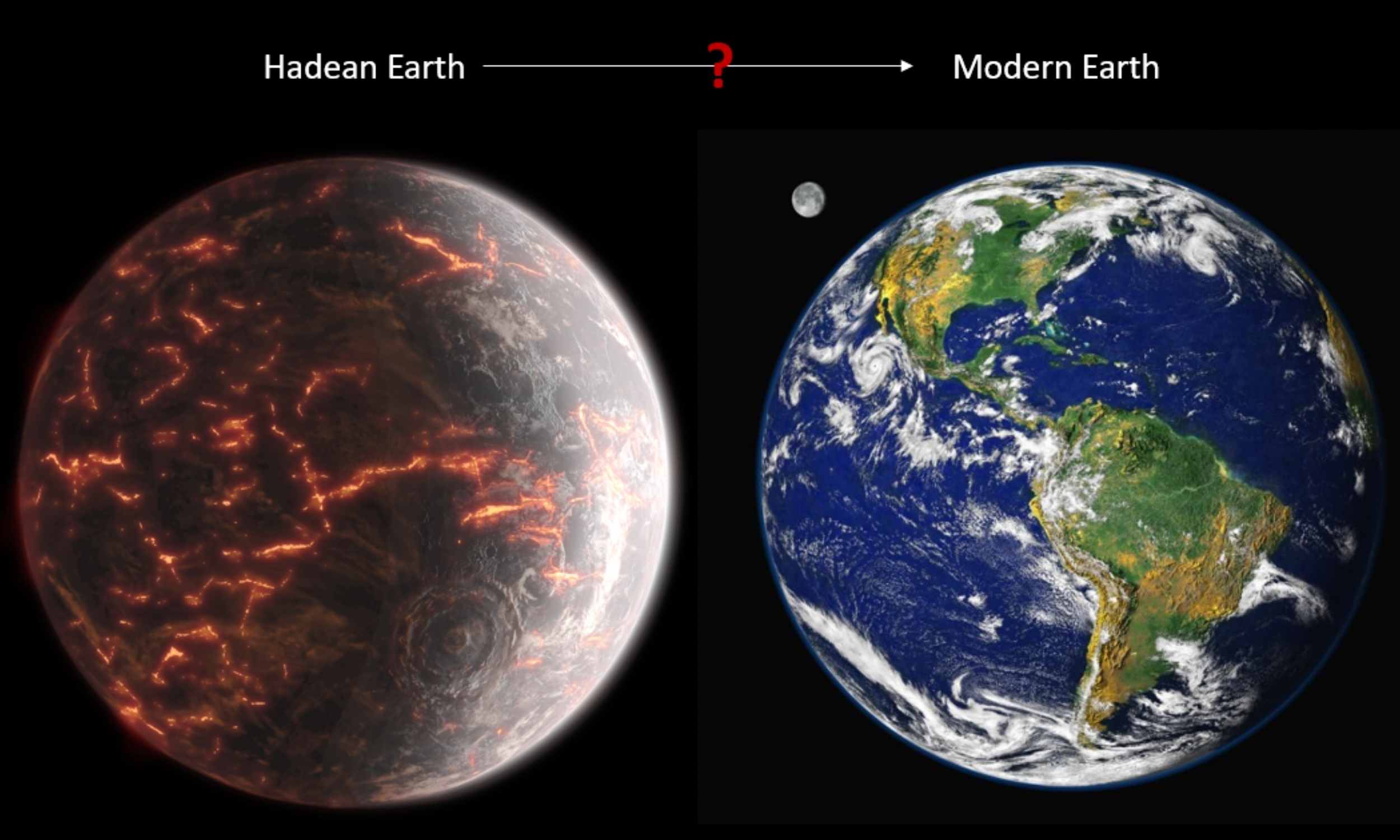
A new study suggests that subduction and continental crust formation on Earth began hundreds of millions of years earlier than previously believed, during the Hadean Eon, indicating a more active early Earth than traditionally thought.
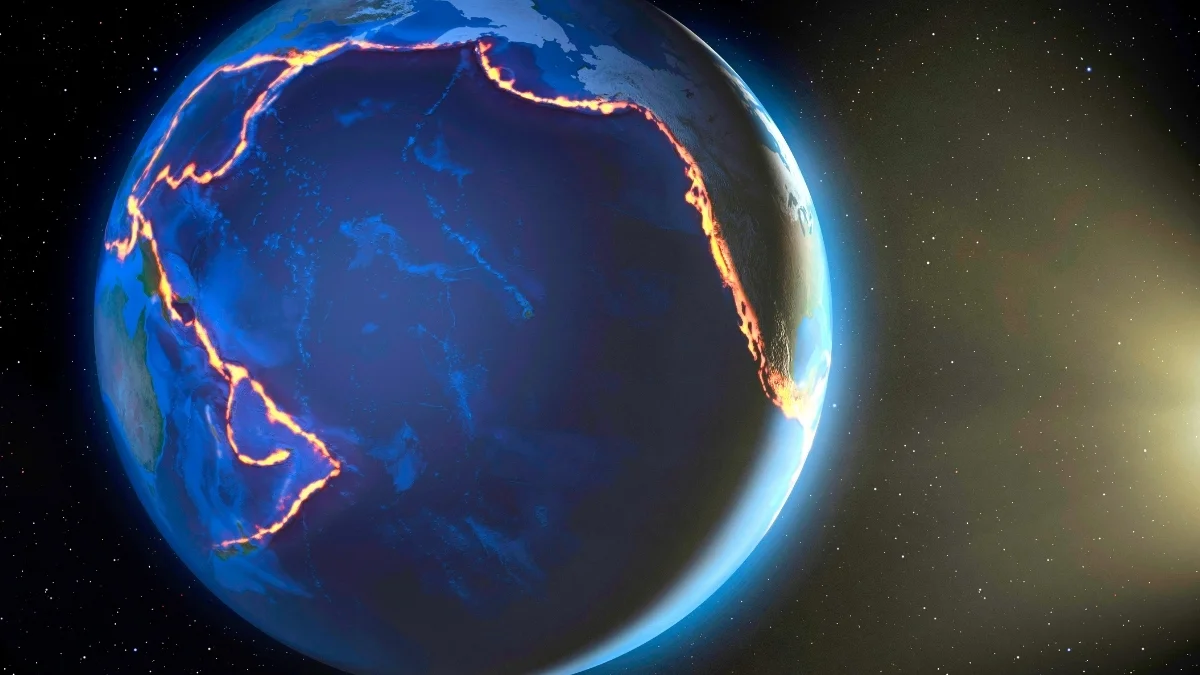
A new study suggests that subduction zones, where one tectonic plate dives beneath another, can spread like a contagion from one oceanic plate to another, potentially explaining the formation of major earthquake and volcano systems like the Ring of Fire. Evidence from ancient geological records and geochemical signatures supports this hypothesis, which could imply similar processes might occur in the Atlantic region in the future.
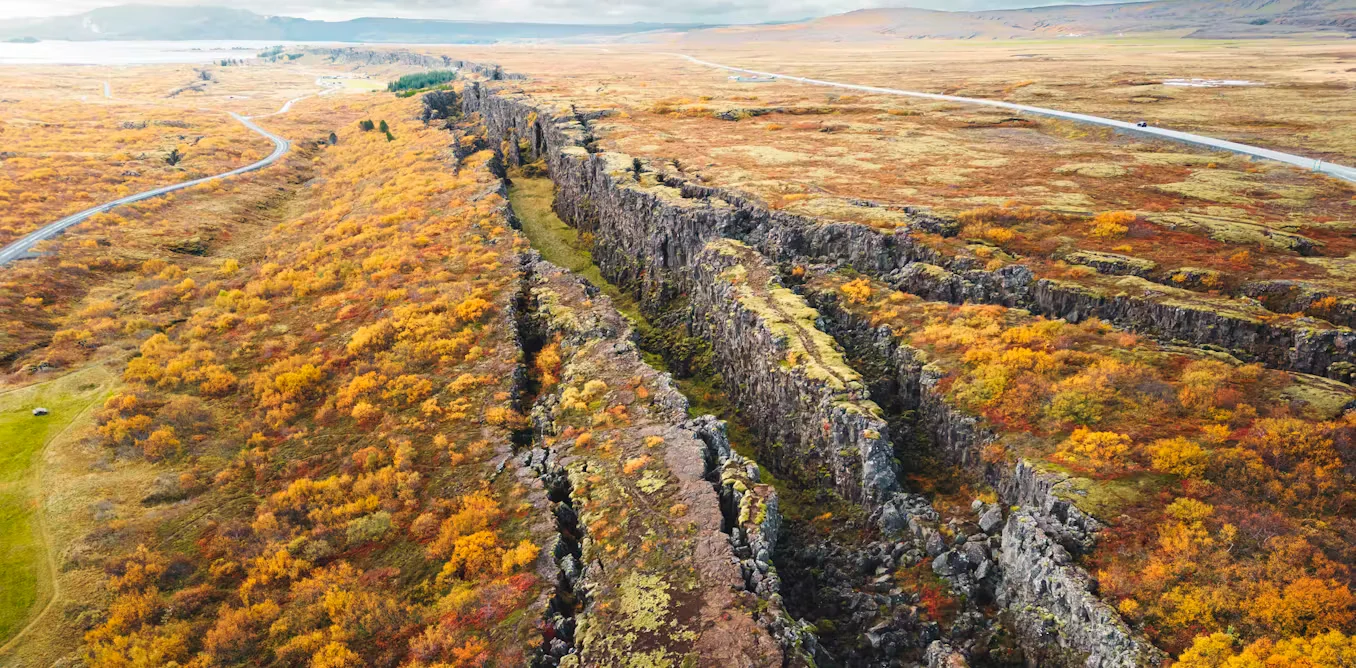
As Africa and Eurasia collide, a tectonic slab beneath the Mediterranean has flipped upside down, causing unusual seismic activity in Spain. Geologists found evidence of a subducted oceanic lithosphere, indicating a rapid sinking process that led to the slab overturning. This process has implications for the region's tectonic structures and deep earthquakes, shedding light on the complex geological dynamics at play in the western Mediterranean.
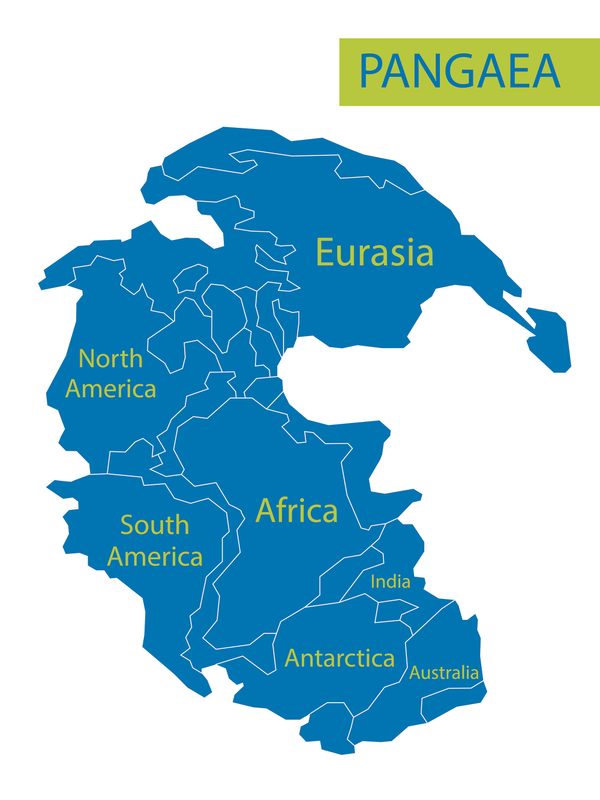
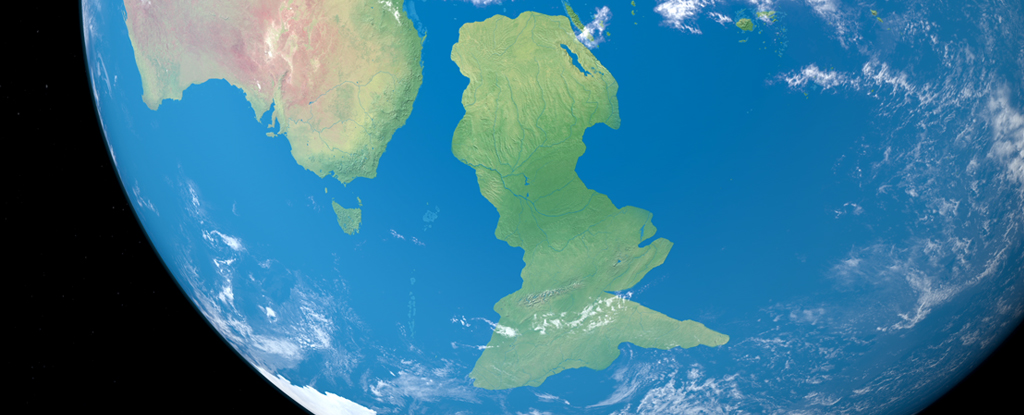
Scientists have located a missing continent, known as Argoland, that disappeared 155 million years ago. After years of searching, Dutch researchers have found pieces of the landmass in Southeast Asia. The discovery sheds light on the geological history of Earth and the breakup of the supercontinent Pangea. The findings suggest that Argoland broke into smaller microcontinents before drifting and embedding themselves in Southeast Asian jungles. This discovery raises questions about how many other missing continents may exist and provides insights into biodiversity and climate. Further exploration is needed to uncover potential missing territories in the Pacific Ocean.
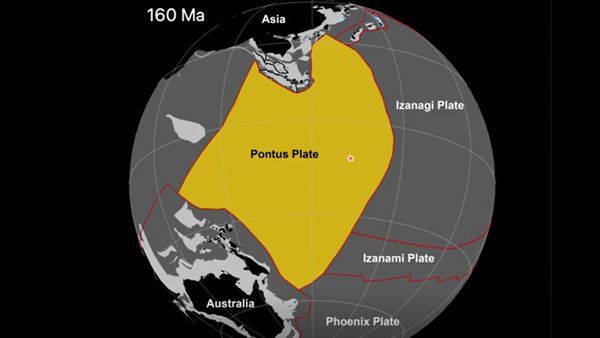
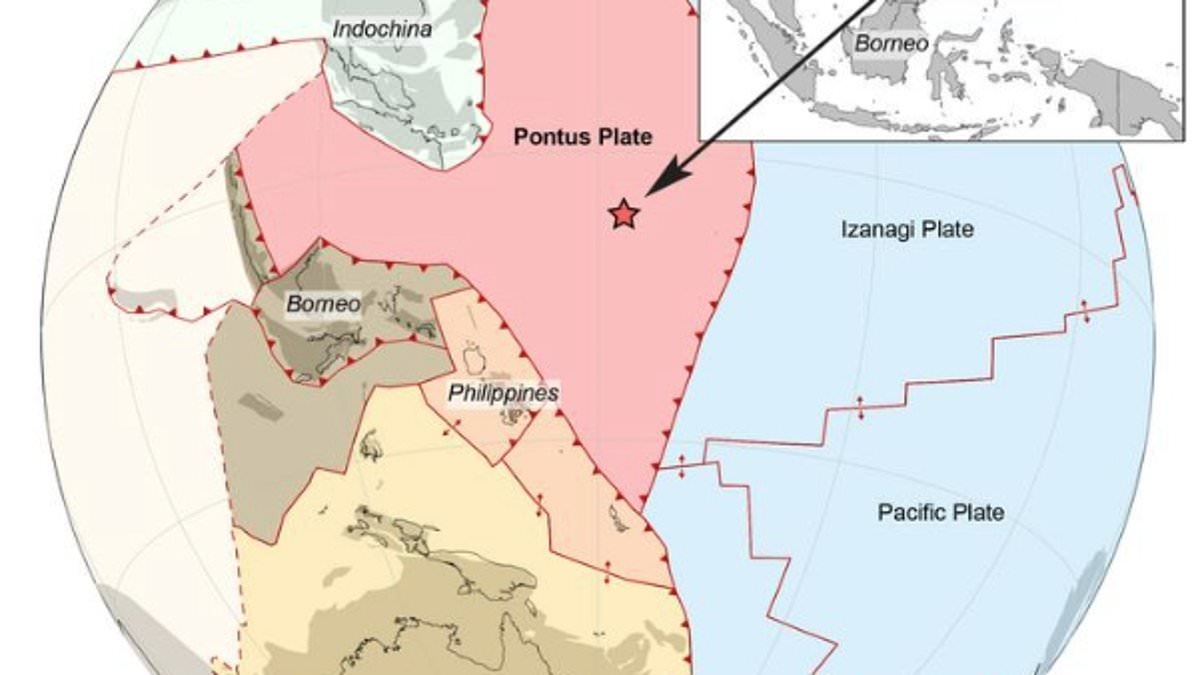
Scientists have rediscovered a long-lost tectonic plate, known as the Pontus plate, that disappeared 20 million years ago. The plate, once a quarter of the size of the Pacific Ocean, was found through rock fragments in Borneo and remnants detected in Earth's mantle. The discovery was made while studying the Pacific plate, and the researchers noticed a discrepancy in the latitude of the rocks collected in Borneo. Computer models revealed that the Pontus plate occupied a previously unknown gap between South China and Borneo. The plate formed at least 160 million years ago and eventually shrank before disappearing under the Australian and Chinese plates.
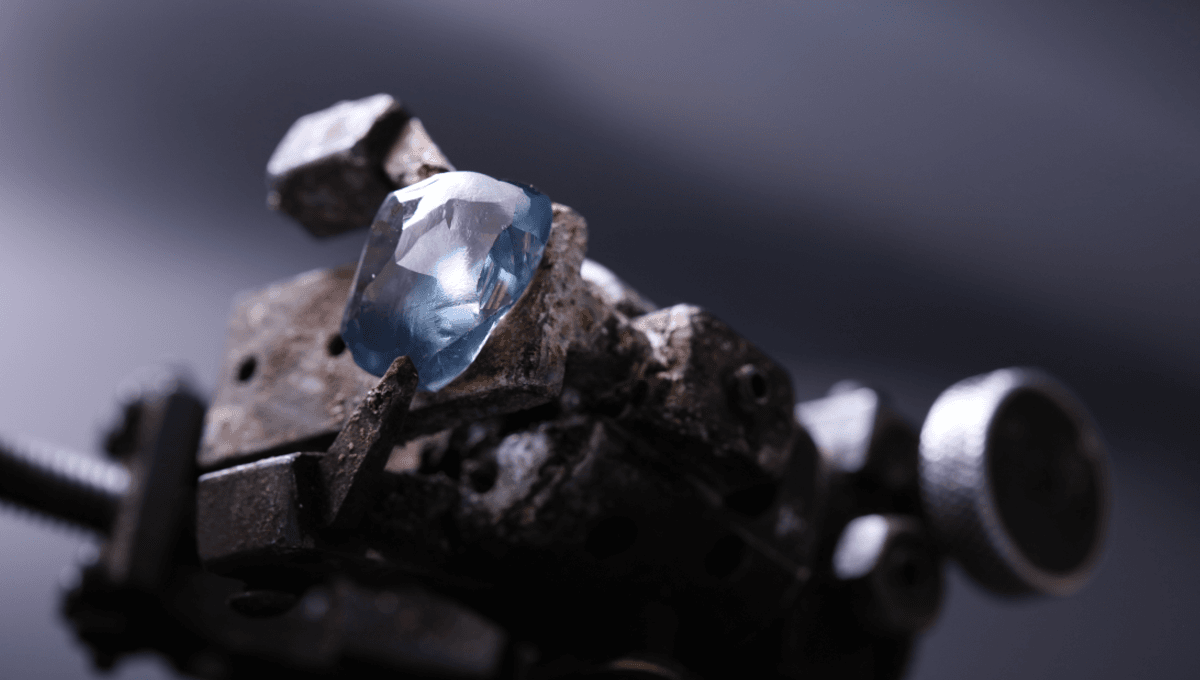
A 3-billion-year-old blue diamond, named the Okavango Blue Diamond, has been discovered in Botswana. This rare diamond, weighing 20.46 carats, contains an unusually high amount of boron, which is thought to have been brought deep into the Earth's crust through plate tectonics and subduction. Blue diamonds are extremely rare, representing only 0.01% of all mined diamonds, and their coloration is due to impurities. The Okavango Blue Diamond is classified as a Type llb "Fancy Deep Blue" and is considered a once-in-a-lifetime find.
Scientists have discovered a long-lost tectonic plate called Pontus in the west Pacific Ocean. Pontus, once a quarter the size of the Pacific Ocean, existed around 150 million years ago and was slowly subducted and lost over millions of years. Researchers used computer modeling and studied oceanic rocks to identify the plate and its movement. The discovery of Pontus provides insights into Earth's geological history and the process of subduction.
Geologists have traced the origins of Zealandia, a submerged chunk of the ancient supercontinent Gondwana, using geochemical and isotope data from newly dredged rock samples and seismic readings. The research suggests that Zealandia's edge subducted under West Antarctica up to a quarter of a billion years ago, creating similarities in geological patterns. Contrary to previous suggestions, magnetic anomalies in the region are not related to this event. Instead, the Campbell Magnetic Anomaly System is believed to have arisen from extensive stretching between different parts of Gondwana, eventually leading to the formation of Zealandia's surrounding sea floors. The findings provide a foundation for further analysis of the stretching of the Earth's crust in this region.
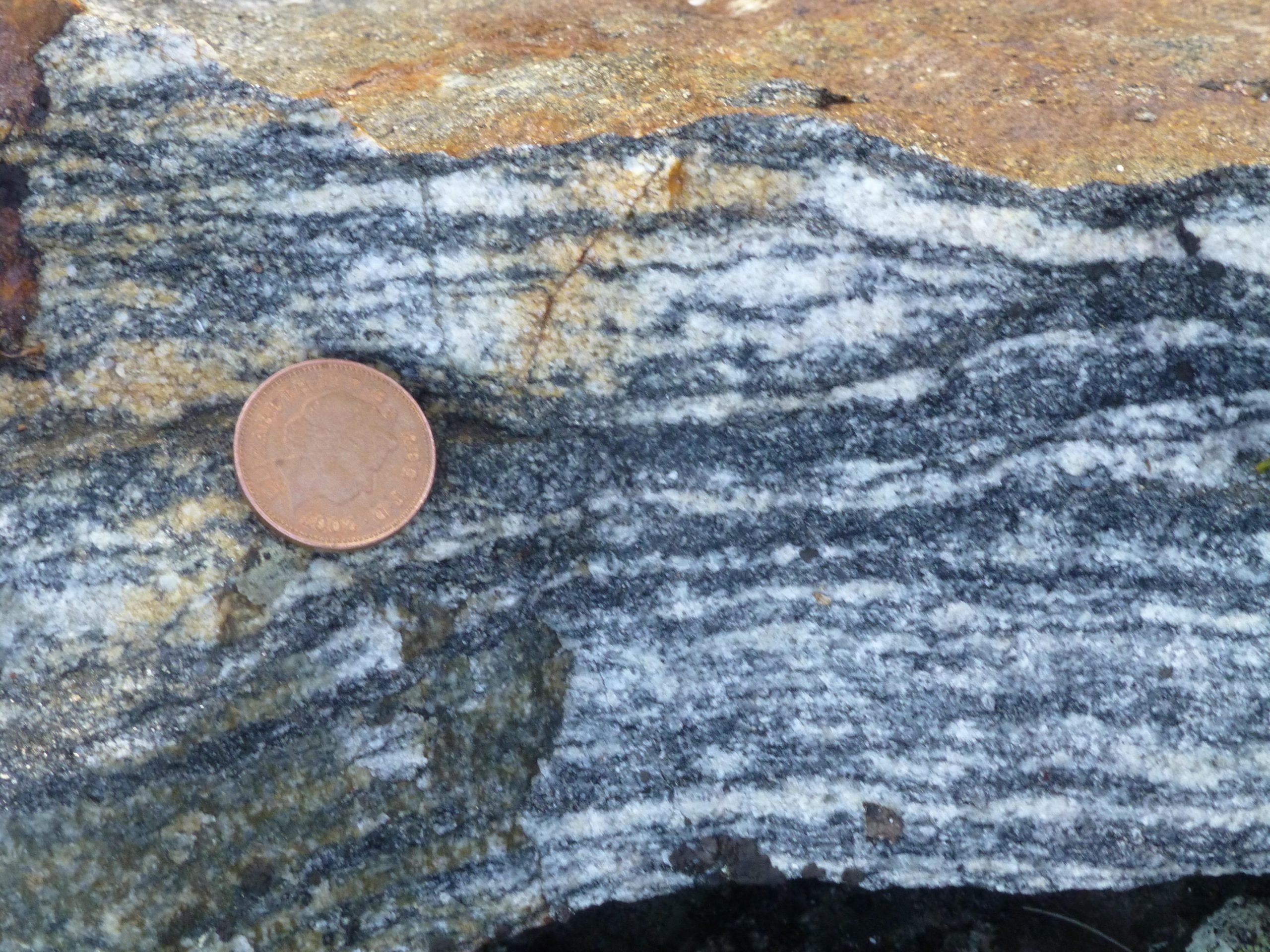
Geochemical evidence obtained from Earth's oldest-known rocks, found in northern Canada, challenges previous theories about the early history of plate tectonics. The study reveals that there is no evidence of surface material recycling in the rocks dating back to 4 billion years ago, suggesting that subduction and plate tectonics may not have operated as they do today. However, a distinct shift in silicon and oxygen isotopes at 3.8 billion years ago indicates a possible change in Earth's geodynamics, potentially marking the onset of plate subduction. The findings shed new light on the early tectonic processes that shaped our planet.
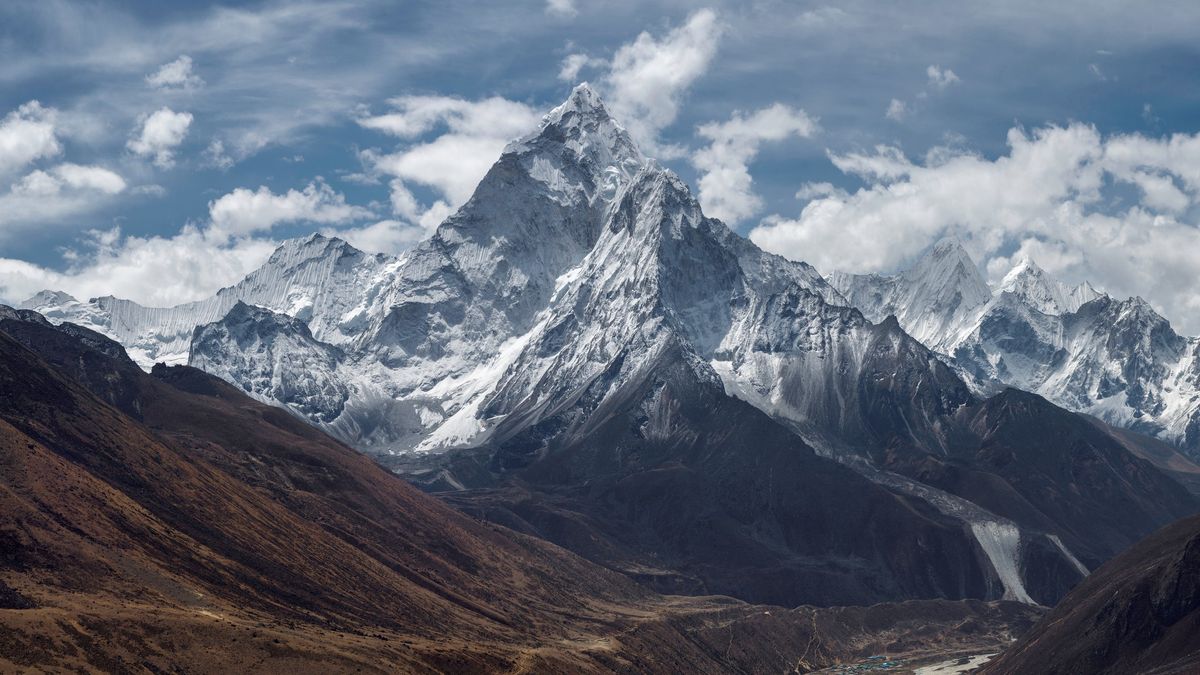
The formation of the Himalayas, including Mount Everest, was not solely due to a single massive tectonic collision as previously believed. A new study suggests that the mountains began their ascent around 63-61 million years ago due to the subduction of the Indian tectonic plate. The collision between the Indian and Eurasian plates, which occurred 45-59 million years ago, further elevated the mountains. This discovery challenges previous assumptions about the formation of mountain ranges and may provide insights into past climate and biodiversity in the region.
New geochemical evidence from Earth's oldest-known rocks in Canada challenges previous models suggesting plate tectonics operated from the planet's early days. The study found no evidence of surface material recycling at 4.0 billion years ago, indicating subduction and plate recycling may not have been present at that time. However, a distinct shift in silicon and oxygen isotopes at 3.8 billion years ago suggests a possible change in Earth's geodynamics, potentially marking the onset of plate subduction. The findings shed light on the early history of tectonic activity on Earth.
A new study led by scientists from the University of Alaska Fairbanks has found that volcanoes in the Aleutian-Alaska Arc release more subducted slab carbon as carbon dioxide into the atmosphere than previously believed. The research focused on tracking the carbon cycle in the Aleutian-Alaska Arc, which has fewer carbon sources compared to other volcanic arcs. The study revealed that approximately 43% to 61% of sediment-derived organic carbon and 6% to 9% of inorganic carbon from the subducted slab crust are returned to the atmosphere through volcanic degassing. These findings contribute to a better understanding of the fate of subducted carbon and can improve climate models.