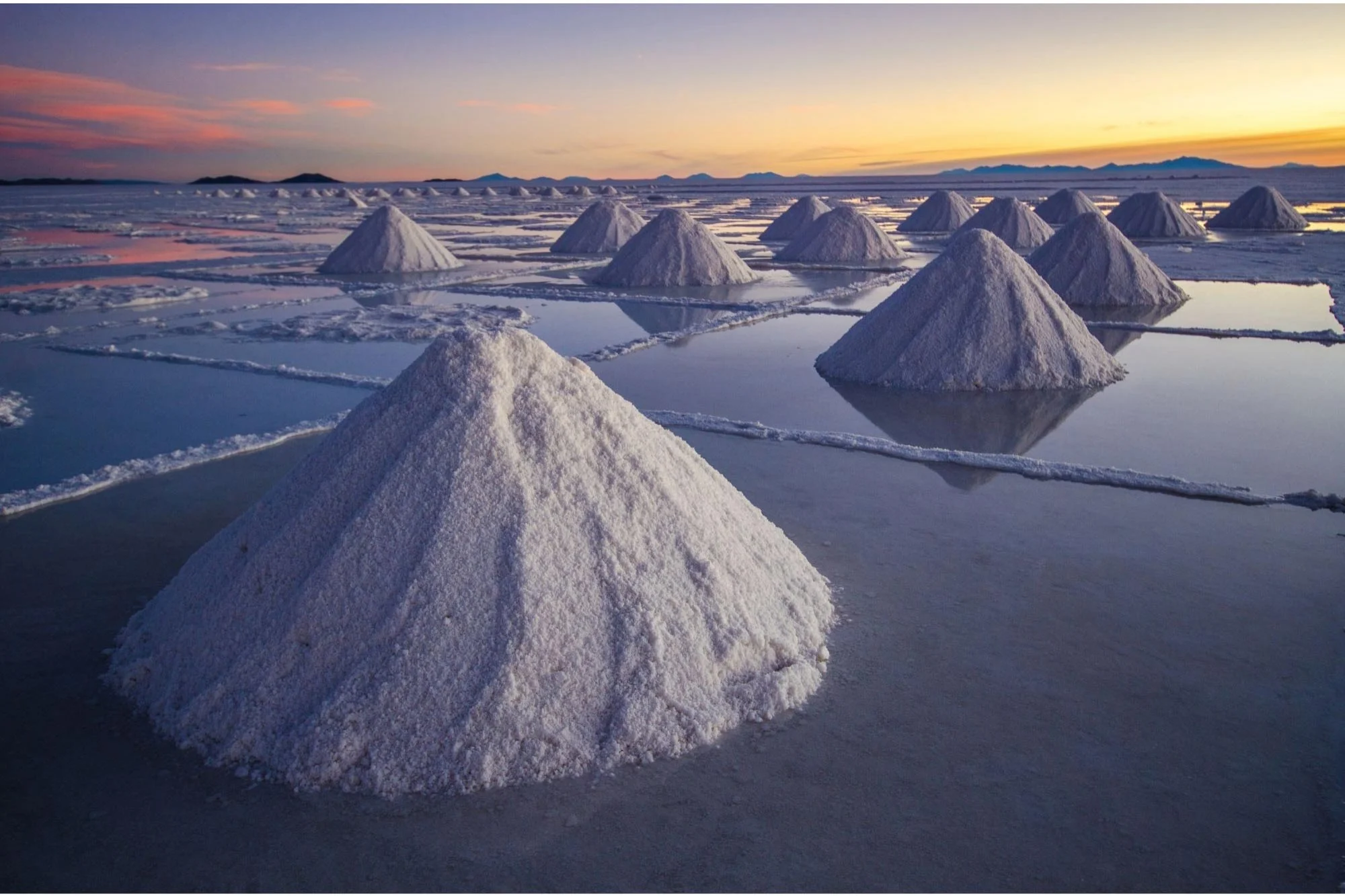
A study reveals that boron, not carbonate, controls the pH and chemistry of lithium-rich brines in salt flats like Salar de Uyuni, which could impact future lithium extraction and wastewater management strategies.
Boron is a trace element that plays a crucial role in various bodily functions, including nutrient absorption, immune system regulation, and bone health. It supports increased magnesium absorption, reduced inflammation, improved antioxidant activity, and boosts immunity. Boron is found naturally in plant-based foods and is highly bioavailable. It can be obtained from sources like prune juice, avocado, grapes, peaches, apples, pears, and legumes. The recommended daily intake of boron is 1-13 mg, with 3 mg being a common target. Excessive intake can lead to toxicity symptoms, so caution is advised.
A 3-billion-year-old blue diamond, named the Okavango Blue Diamond, has been discovered in Botswana. This rare diamond, weighing 20.46 carats, contains an unusually high amount of boron, which is thought to have been brought deep into the Earth's crust through plate tectonics and subduction. Blue diamonds are extremely rare, representing only 0.01% of all mined diamonds, and their coloration is due to impurities. The Okavango Blue Diamond is classified as a Type llb "Fancy Deep Blue" and is considered a once-in-a-lifetime find.
Scientists at Tohoku University have discovered that boric acid can catalyze the formation of lengthy peptides under neutral and acidic conditions, challenging previous theories that alkaline conditions were necessary. The presence of boron-containing minerals in ancient rocks supports the idea that boron-rich, neutral environments on prebiotic Earth could have facilitated protein synthesis. This finding sheds light on the origin of life and the formation of catalytic organic polymers. The researchers evaporated amino acid solutions containing boric acid and observed the creation of polypeptides, with the longest peptides reaching 39 monomers in length under neutral conditions. The study suggests that boron-rich, neutral evaporative environments were ideal for the formation and interaction of essential polymers in the chemical evolution of life.