
Reevaluating the Formation of the Himalayas: Challenging Traditional Assumptions
TL;DR Summary
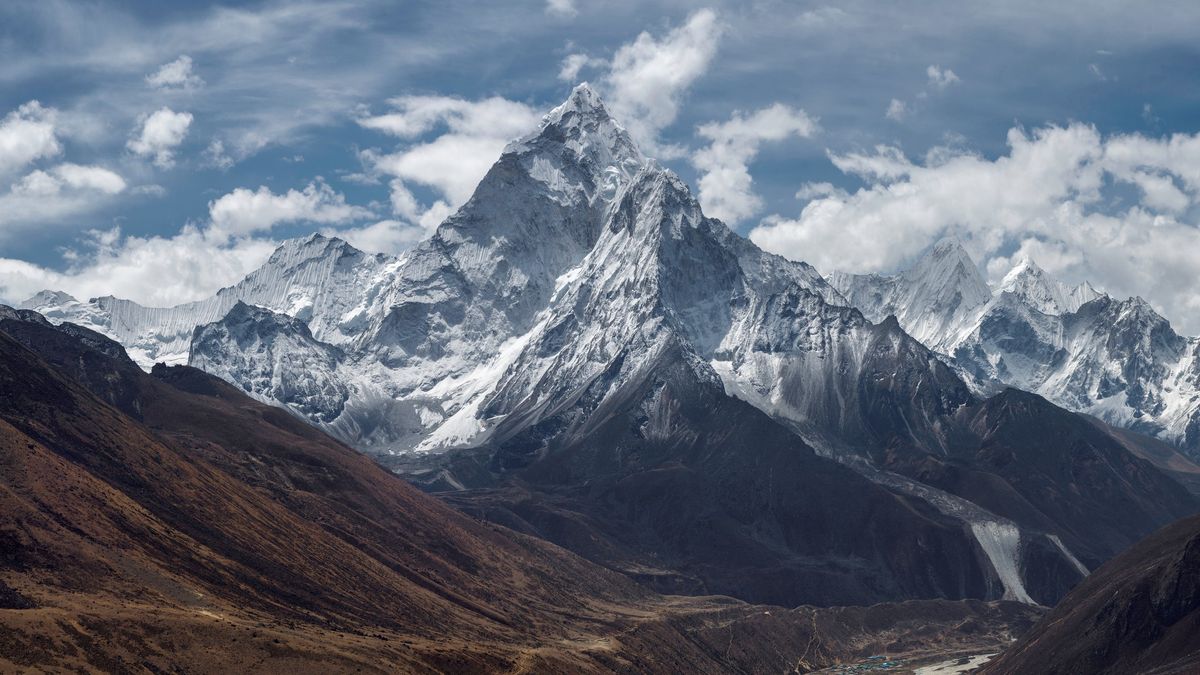
The formation of the Himalayas, including Mount Everest, was not solely due to a single massive tectonic collision as previously believed. A new study suggests that the mountains began their ascent around 63-61 million years ago due to the subduction of the Indian tectonic plate. The collision between the Indian and Eurasian plates, which occurred 45-59 million years ago, further elevated the mountains. This discovery challenges previous assumptions about the formation of mountain ranges and may provide insights into past climate and biodiversity in the region.
- A single massive tectonic collision? That's not how the Himalayas came to be, scientists say Livescience.com
- New paleoaltimetry research questions assumptions about the formation of the Himalayas Phys.org
- Himalayas' height had help by elevated tectonic plates Interesting Engineering
- View Full Coverage on Google News
Reading Insights
Total Reads
0
Unique Readers
7
Time Saved
3 min
vs 4 min read
Condensed
88%
718 → 86 words
Want the full story? Read the original article
Read on Livescience.com