Tag

Stromatolites

All articles tagged with #stromatolites

science2 months ago

Ancient Salt Mountains in Australia Served as Early Life Refuges

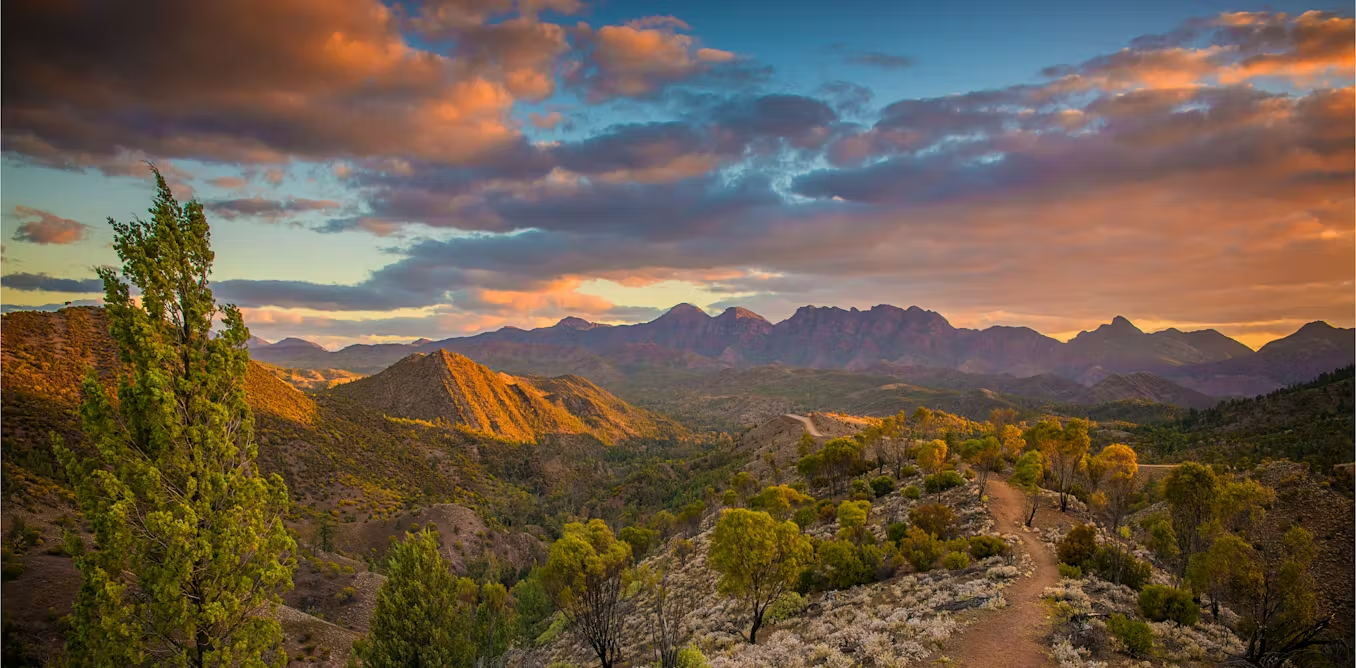
Ancient salt mountains, or salt diapirs, in southern Australia played a crucial role in creating refuges for early life during the Precambrian era, shaping ecosystems like stromatolite reefs and potentially aiding life's persistence through Earth's harsh periods. These geological structures, formed from evaporated seas over millions of years, influenced the development of early microbial communities and continue to impact modern resource exploration and environmental strategies.

science1 year ago

"Life on Earth May Have Begun in Saudi Arabia 3.48 Billion Years Ago, Study Finds"

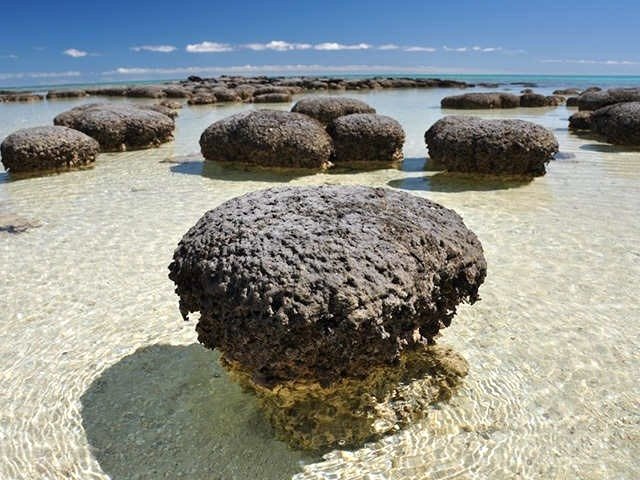
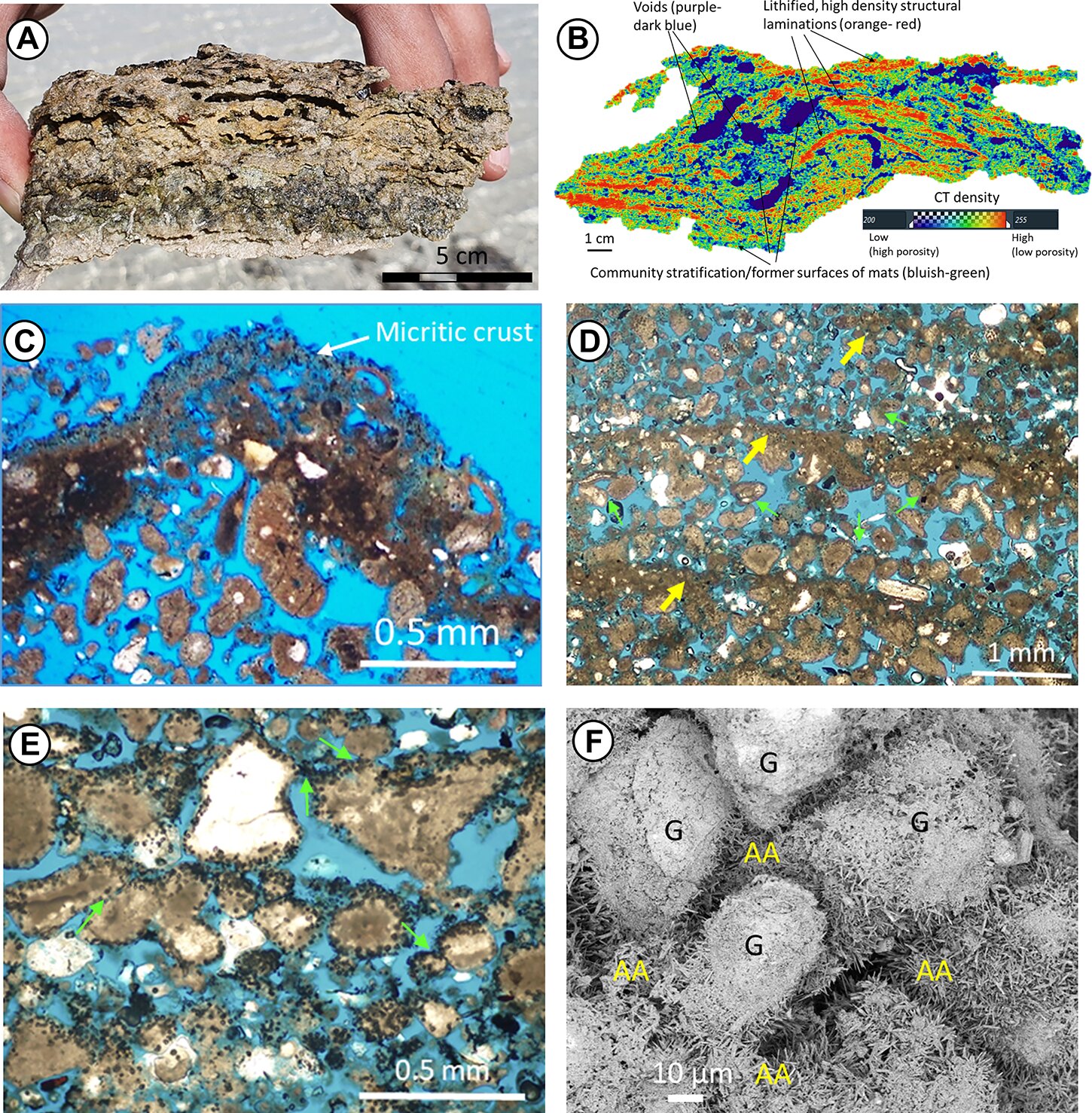
Scientists have discovered living stromatolites on Sheybarah Island in Saudi Arabia's Red Sea, marking the first such find in the Middle East. These ancient microbial structures, formed by cyanobacteria, offer insights into Earth's early life and environmental conditions 3.48 billion years ago. The study, published in Geology, highlights the significance of stromatolites in the Great Oxygenation Event and their potential as biosignatures for extraterrestrial life.

science1 year ago

"Ancient Life Traces Unearthed in Saudi Arabia"

Researchers have discovered living stromatolites on Sheybarah Island in the Red Sea, Saudi Arabia. These ancient biotic structures, which played a crucial role in Earth's early oxygenation, are now found in niche extreme environments. The discovery offers a unique opportunity to study early life and ocean evolution, potentially aiding in the search for life on other planets.

science-and-environment2 years ago

"Scientists Discover Hidden Lagoons and Ancient Life Forms in Argentina's 'Forgotten' Land"

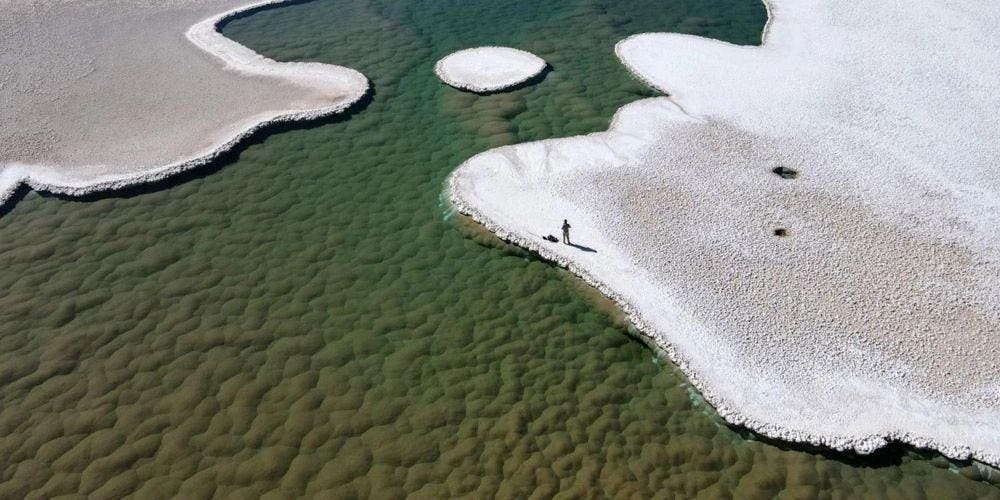
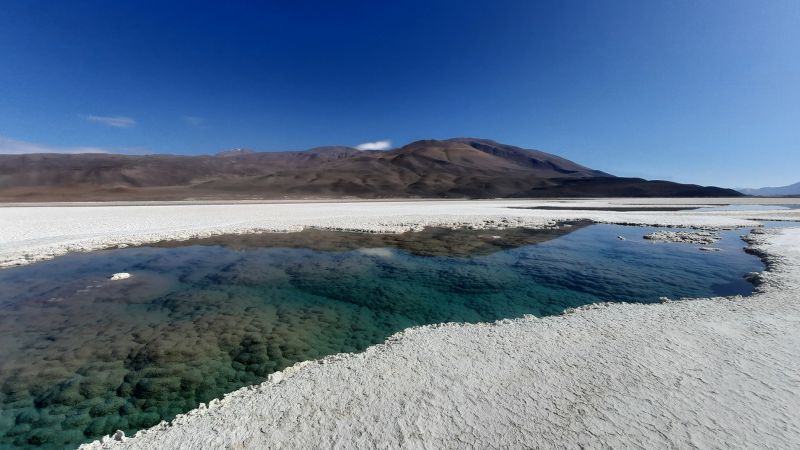
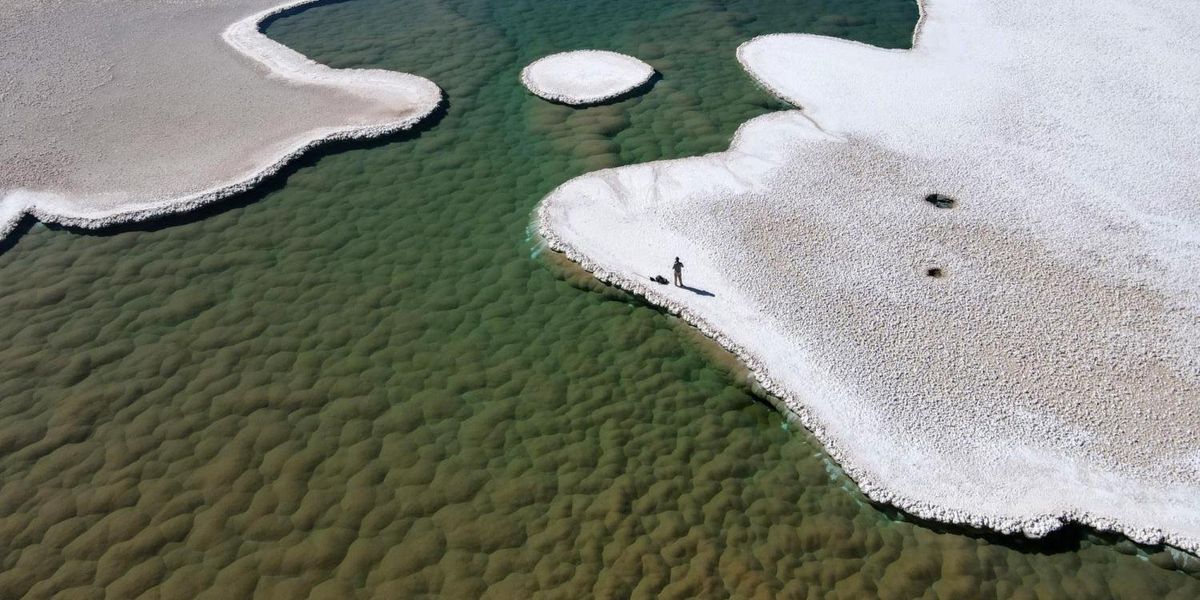
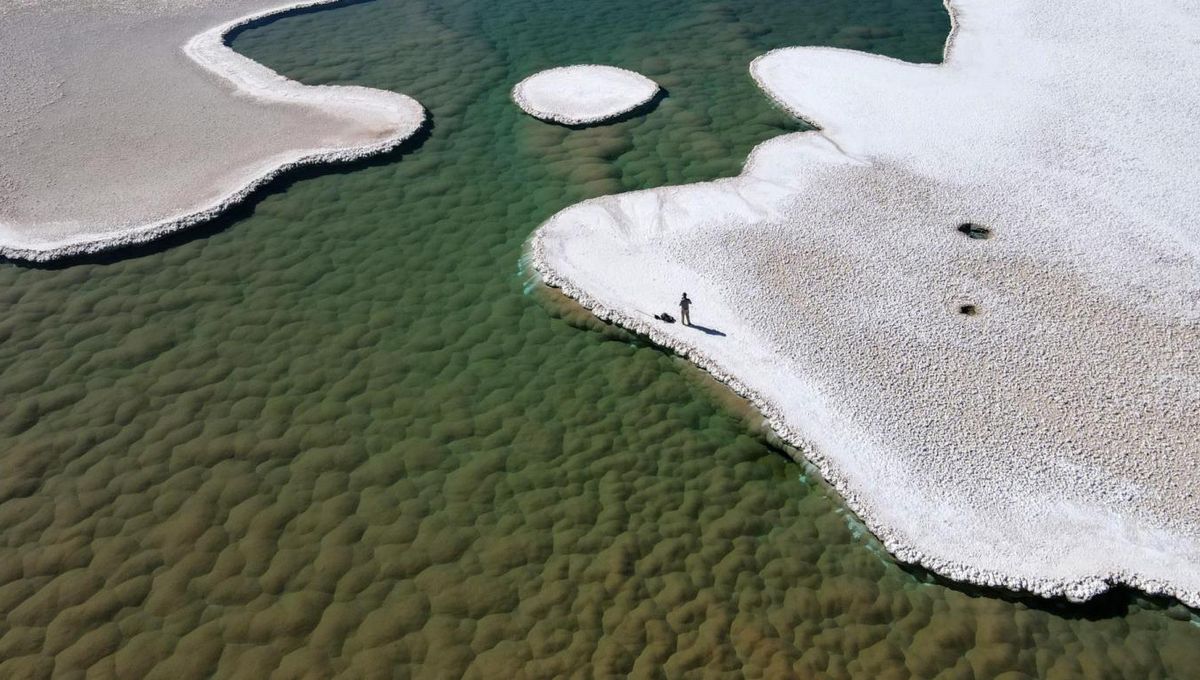
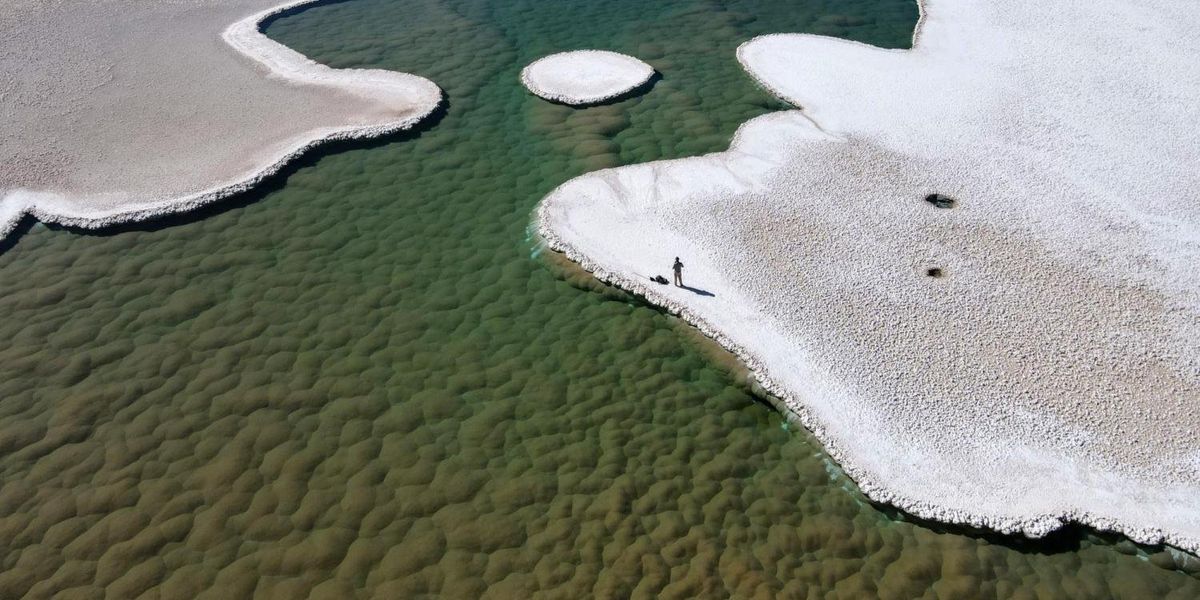
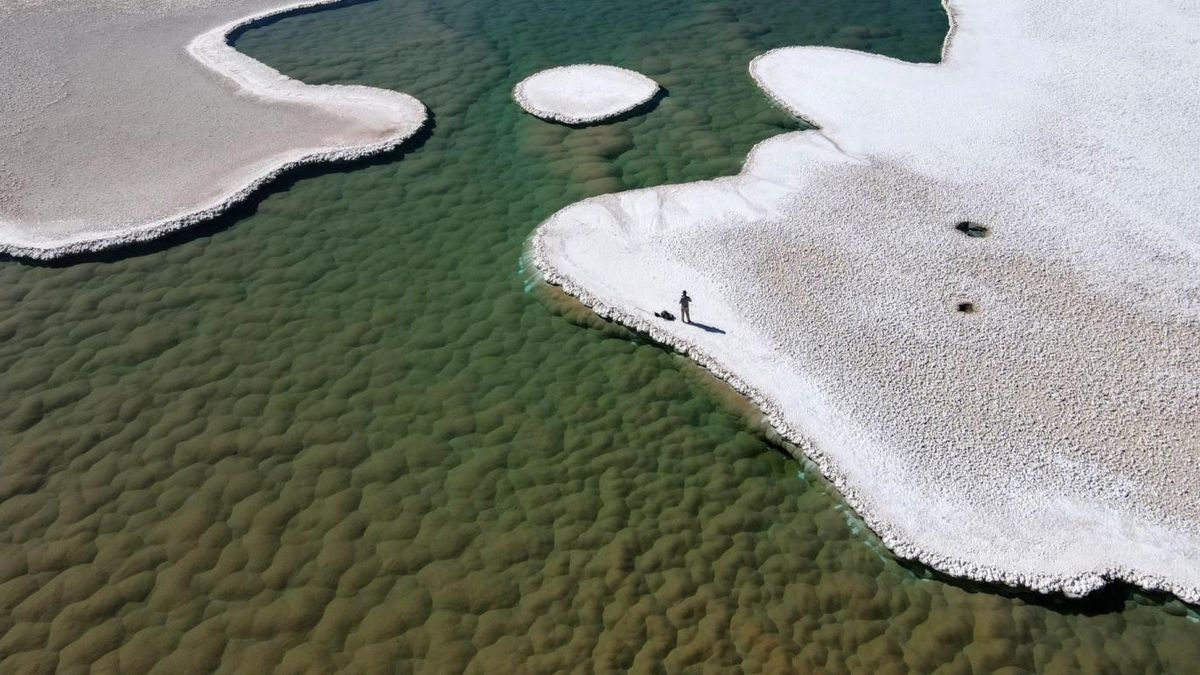
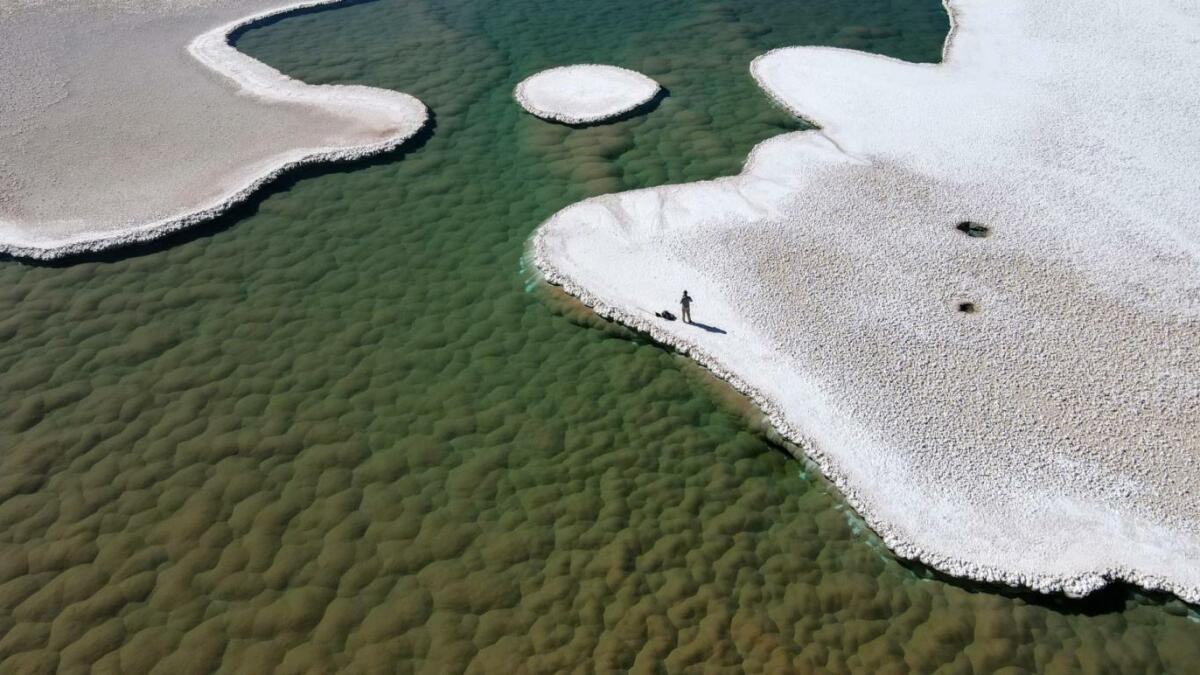
Scientists investigating satellite images of Argentina's Puna de Atacama desert discovered unusual green and blue spots, leading to the discovery of lagoons with stromatolite communities resembling ancient life forms over 3.5 billion years old. These formations are under threat due to a mining lease in the area, prompting a race to study and potentially protect this unique ecosystem before it's disturbed.

science2 years ago

"Lost Lagoon Unveils Ancient Living Fossils and Clues to Earth's Origins"

Scientists have discovered a hidden lagoon system in Argentina containing stromatolites, giant layered rocks formed by cyanobacteria. These stromatolites provide insight into Earth's earliest forms of life, dating back 3.5 billion years. The fossils found in the lagoons represent Earth's earliest macrofossils in a rare environment. The discovery also has implications for the possibility of life on Mars, as stromatolites could have formed through anoxygenic photosynthesis, similar to what may have occurred on the red planet. The study of these ancient stromatolites will help us understand Earth's early history and shed light on the potential for life on other worlds.

science2 years ago

Lost Lagoon: Uncovering Earth's Prehistoric Secrets in the Atacama Desert

A system of lagoons in Argentina has been discovered, hosting rare microbial communities that resemble the earliest fossil evidence of life on Earth 3.5 billion years ago. These communities, known as stromatolites, could provide valuable insights into the possibility of life on Mars, which was more Earth-like in its early stages. Geologists believe that understanding these modern communities on Earth could help identify similar features in Martian rocks and inform future exploration efforts.

science2 years ago

Unveiling Ancient Microbial Ecosystems: Lost Lagoon Network Discovered in Atacama Desert

Scientists have discovered a hidden ecosystem with an extensive network of lagoons in Argentina's Puna de Atacama, containing giant stromatolites that could provide insights into early life on Earth and potentially on Mars. Stromatolites are layered rocks created by blue-green algae, representing some of the oldest ecosystems on Earth. The recently uncovered stromatolites in Puna de Atacama are larger than modern ones and composed of gypsum and halite. The discovery suggests an undisturbed inland ecosystem that allowed their growth. The stromatolites may have formed through anoxygenic photosynthesis, similar to ancient Earth conditions. The findings could have implications for the search for life on Mars, as Mars has ancient lakes and salt deposits with similar minerals.

science2 years ago

Unearthed: The Hidden Prehistoric "Lost World" on Earth

Scientists have discovered an "alien" ecosystem in the Atacama desert in Argentina, unlike anything seen before. The ecosystem consists of a network of crystal-clear lagoons surrounded by salt plains, and is home to stromatolites, complex microbial communities that form massive rock mounds. These stromatolites resemble those that existed during the early Archaean period, suggesting they could be one of the best modern examples of the earliest signs of life on Earth. The discovery could also provide insights into how life may have arisen on Mars. However, the ecosystem is at risk due to plans for lithium mining in the area.

science2 years ago

Unveiling Earth's Hidden Prehistoric "Lost World"

Previously unstudied lagoons in Patagonia have revealed the presence of microbial communities known as stromatolites, which represent some of the earliest evidence for life on Earth. These stromatolites resemble fossils in ways no other known examples do, and they provide a glimpse into what Earth may have looked like 3.5 billion years ago. The discovery in Patagonia, specifically in hypersaline lagoons in Puna de Atacama, could be one of the best modern examples of the earliest signs of life on Earth. The location is also seen as a proxy for ancient Mars, offering insights into what to look for when searching for similar features on the Red Planet. However, the site is at risk due to potential lithium mining activities in the area.

science-and-environment2 years ago

"Unveiling the Enchanting Oasis: Crystal-clear Lagoons Found in Desert's Hidden Realm"

Scientists have discovered a unique ecosystem of crystal-clear lagoons in the Atacama desert, Argentina's Puna de Atacama. Despite being one of the driest environments on Earth, the lagoons are home to complex microbial communities called stromatolites, resembling those from Earth's early Archaean period. The discovery could provide insights into the earliest signs of life on Earth and offer clues about the potential for life on Mars. However, the area is at risk of being destroyed due to planned lithium mining, prompting scientists to urgently document and protect the ecosystem.

science2 years ago

Microbial Wonderland: Unearthing the Hidden Lagoons of the Atacama Desert

Researchers have discovered a unique ecosystem in the Puna de Atacama desert in Argentina, consisting of crystal-clear lagoons hosting mounds of rock layered with microbes resembling early forms of life on Earth. The lagoons, located at high altitudes and in bone-dry conditions, offer insights into the earliest stages of life on Earth and potentially ancient life on Mars. The mounds, believed to be stromatolites, are growing from the microbes and are similar in size to ancient stromatolites. However, the site is at risk of being destroyed due to mining activities.

science-and-environment2 years ago

Unveiling Earth's Hidden Prehistoric Realm

Scientists have discovered a unique ecosystem in the remote Argentina desert, consisting of greenish lagoons harboring vast bacterial communities called stromatolites. This ecosystem could provide insights into Earth's early life billions of years ago and potentially offer clues about the past environment of Mars. The discovery was made by geologist Brian Hynek and his team, who believe that this lagoon could be one of the best modern examples of the earliest signs of life on Earth. The finding highlights the ongoing potential for new discoveries on our own planet.

space-exploration2 years ago

"Ancient Australian Stromatolites: A Mars Exploration Blueprint"

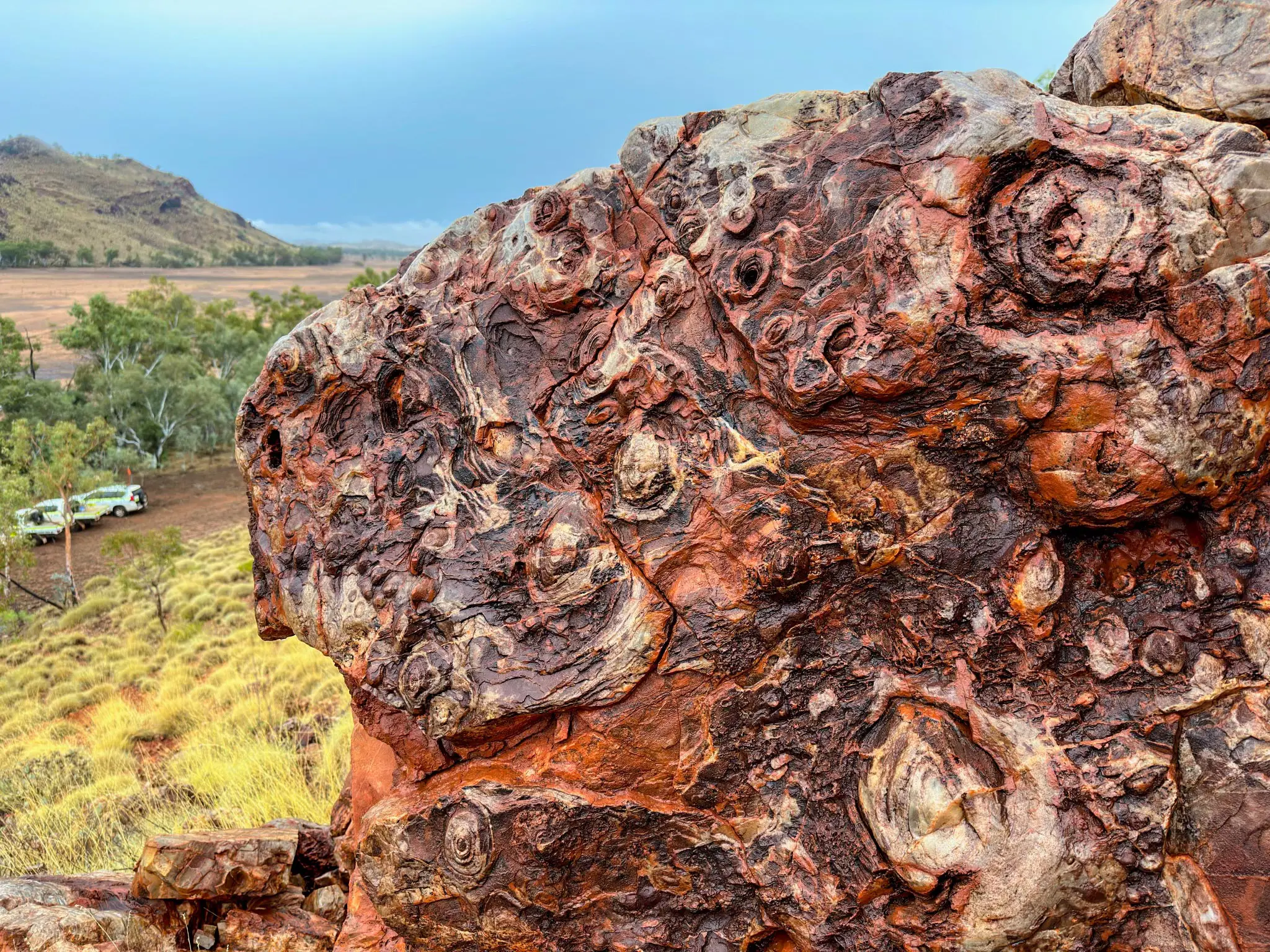
NASA, along with international partners, is studying stromatolites in Western Australia's Pilbara region, the oldest confirmed fossilized lifeforms on Earth, to gain insights into Mars exploration. The teams discuss the importance of geological context in choosing sampling sites and ensuring the integrity of a sample's biological origin. The Pilbara region serves as a critical testing ground for identifying signs of life in ancient environments and honing skills for future Mars missions. The expedition highlights the challenges of locating and confirming fossil evidence and emphasizes the significance of understanding the geological context. The findings will contribute to NASA's Perseverance rover's sampling campaign and the joint Mars Sample Return missions, aiming to answer the question of whether we are alone in the universe.