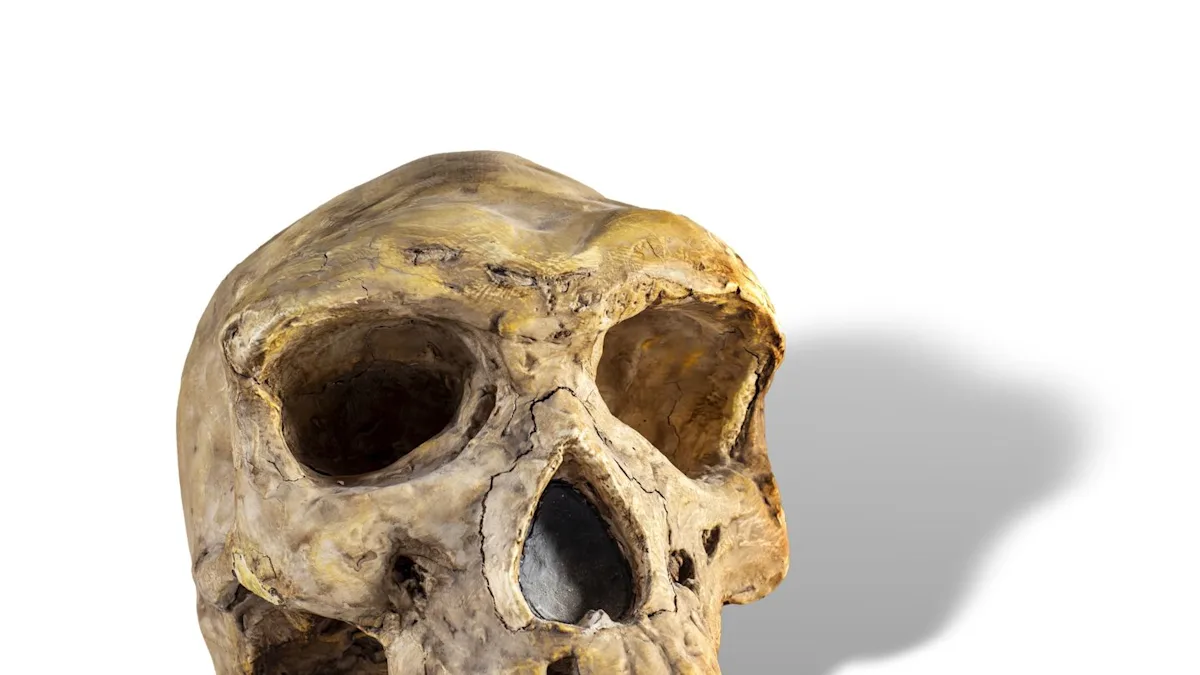
Research shows that ancient human ancestors were exposed to high levels of lead, which may have influenced brain development and social behaviors, giving modern humans an evolutionary advantage, particularly in language and communication, potentially contributing to their survival over Neanderthals.
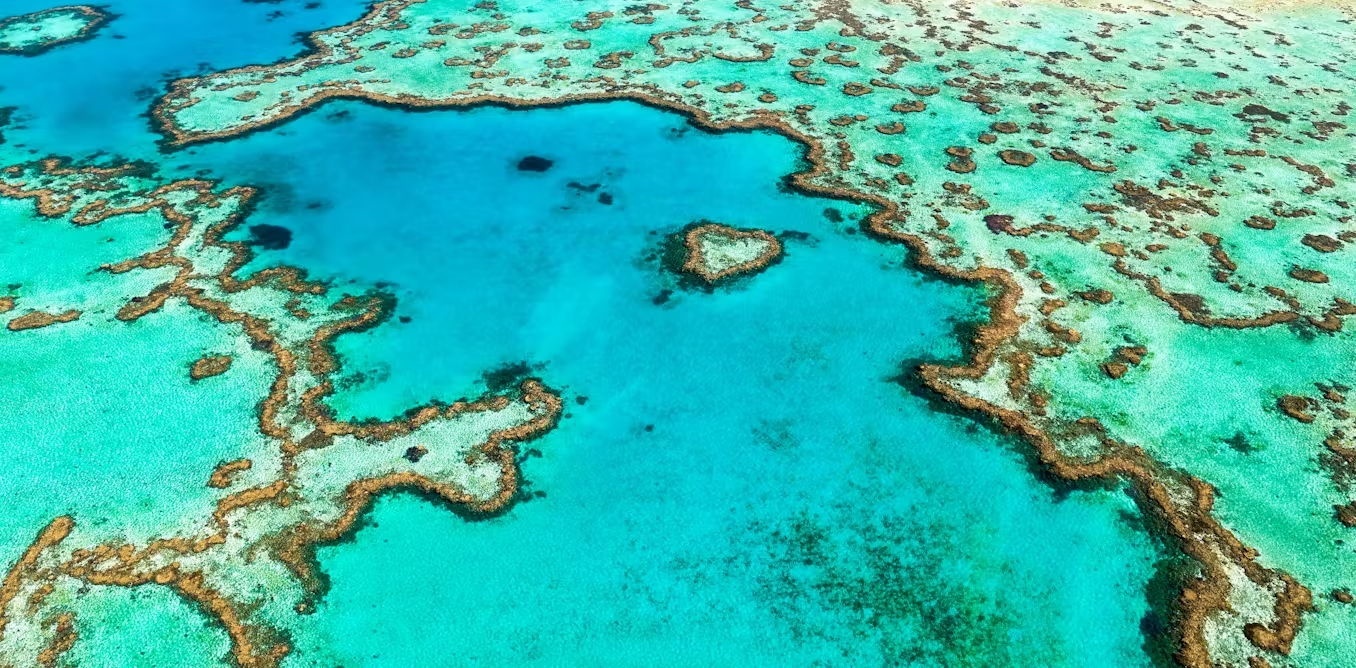
Research on ancient coral fossils from the Great Barrier Reef shows that the reef survived rapid sea level rises around 11,000 years ago, demonstrating resilience, but modern reefs face additional stresses from climate change that threaten their survival. The study suggests that while reefs can adapt to past environmental changes, current human-induced stresses may limit their ability to cope with future sea level rises, emphasizing the need for conservation efforts.
Scientists have discovered a hidden lagoon system in Argentina containing stromatolites, giant layered rocks formed by cyanobacteria. These stromatolites provide insight into Earth's earliest forms of life, dating back 3.5 billion years. The fossils found in the lagoons represent Earth's earliest macrofossils in a rare environment. The discovery also has implications for the possibility of life on Mars, as stromatolites could have formed through anoxygenic photosynthesis, similar to what may have occurred on the red planet. The study of these ancient stromatolites will help us understand Earth's early history and shed light on the potential for life on other worlds.
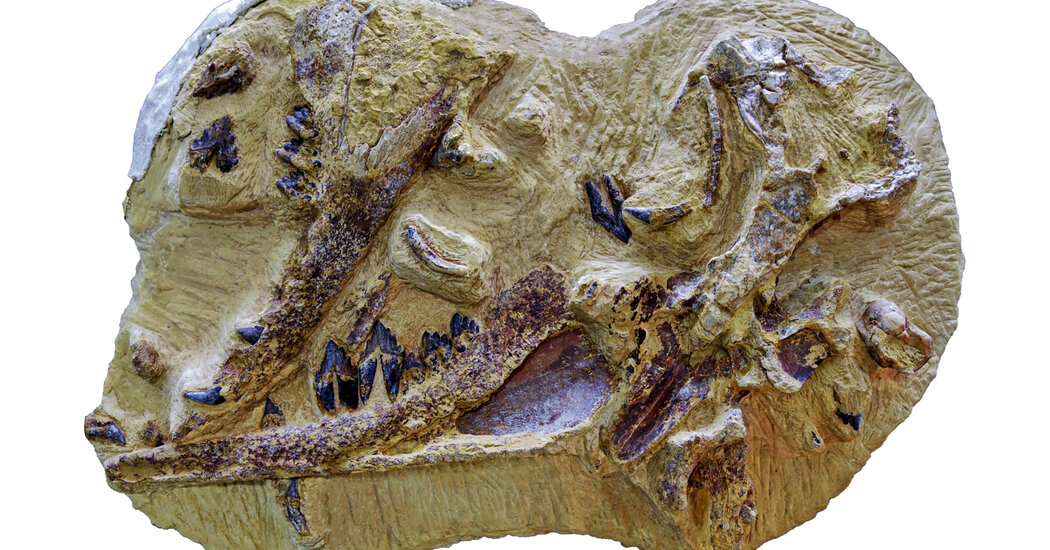
Paleontologists in Egypt have discovered the fossil of Tutcetus rayanensis, a previously unknown species of miniature whale that lived 41 million years ago during the late middle Eocene. Measuring about eight feet long and weighing approximately 400 pounds, Tutcetus is the smallest known member of the basilosaurid family. The discovery challenges conventional assumptions about the life history of primitive whales and provides insights into the evolutionary changes in whale anatomy. The fossil was named in honor of King Tutankhamen and coincides with the centenary of the discovery of his tomb.