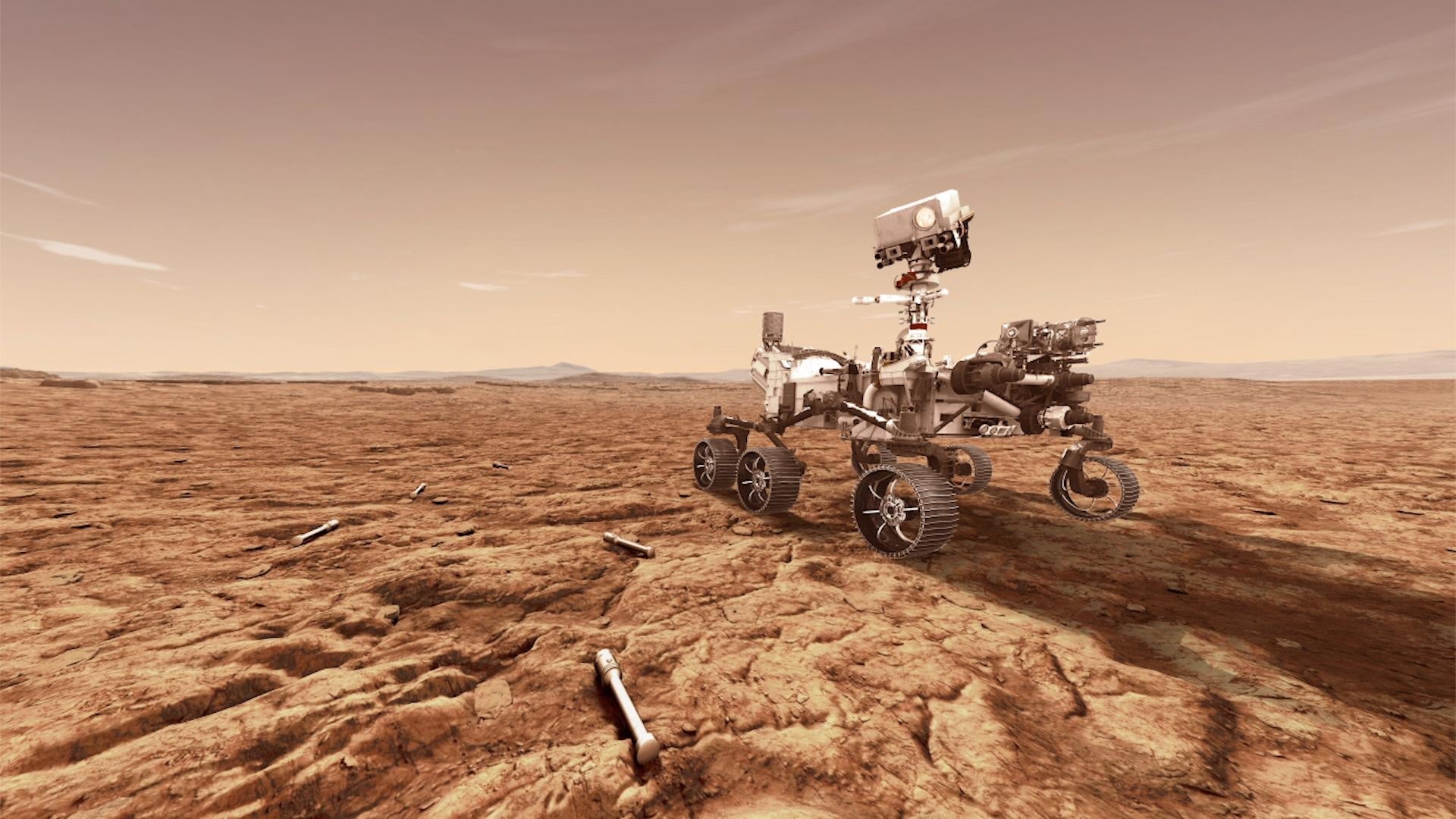
NASA's Mars Sample Return mission faces delays and budget issues, while China's Tianwen-3 mission is on track to return Martian samples by 2031, potentially giving China a significant lead in planetary science and space exploration, raising concerns about a new geopolitical space race.
This Week In Space episode 177 discusses a potential discovery of ancient life on Mars, based on recent findings from the Perseverance rover's drill samples, with insights from Dr. Michael Tice, highlighting the significance of the research and future prospects in Mars exploration.
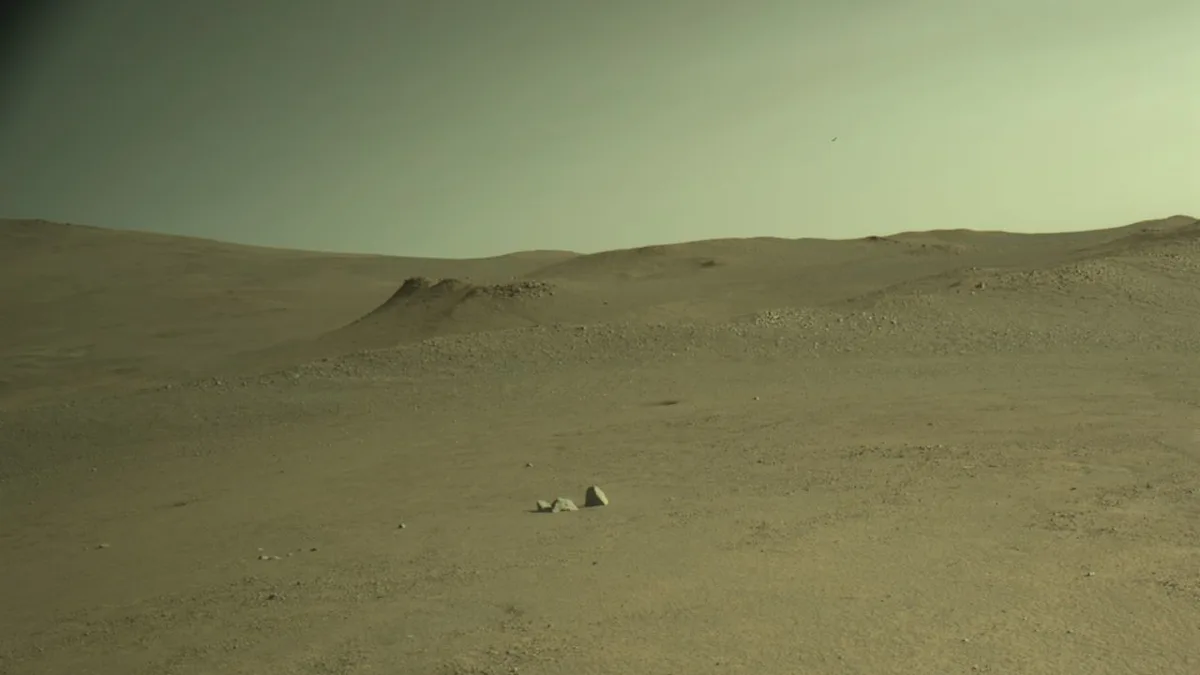
NASA's Perseverance rover captured an image from Soroya Ridge on Mars, continuing its mission to explore the planet's surface, search for signs of ancient microbial life, and collect samples for future analysis.
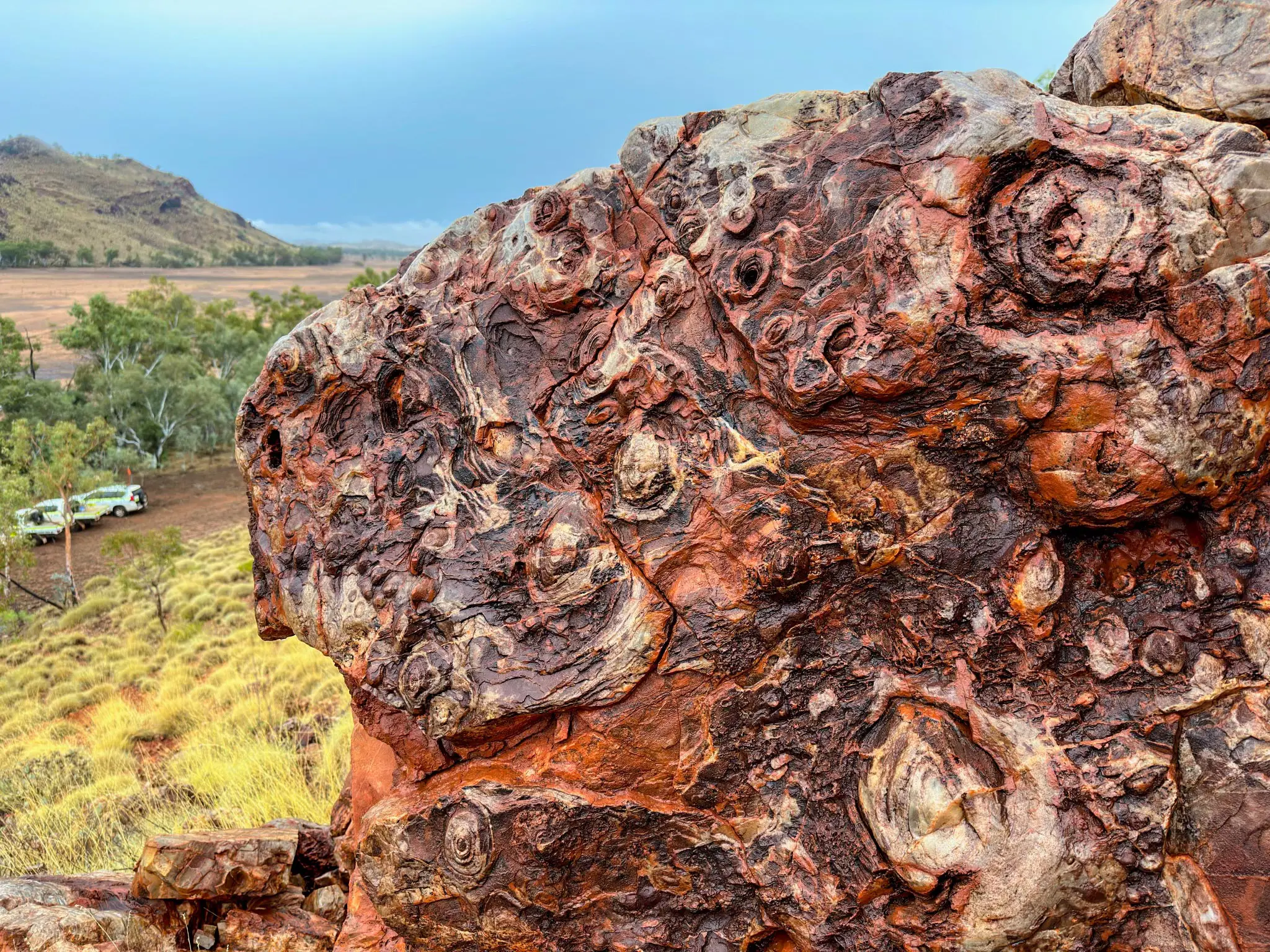
NASA, along with international partners, is studying stromatolites in Western Australia's Pilbara region, the oldest confirmed fossilized lifeforms on Earth, to gain insights into Mars exploration. The teams discuss the importance of geological context in choosing sampling sites and ensuring the integrity of a sample's biological origin. The Pilbara region serves as a critical testing ground for identifying signs of life in ancient environments and honing skills for future Mars missions. The expedition highlights the challenges of locating and confirming fossil evidence and emphasizes the significance of understanding the geological context. The findings will contribute to NASA's Perseverance rover's sampling campaign and the joint Mars Sample Return missions, aiming to answer the question of whether we are alone in the universe.