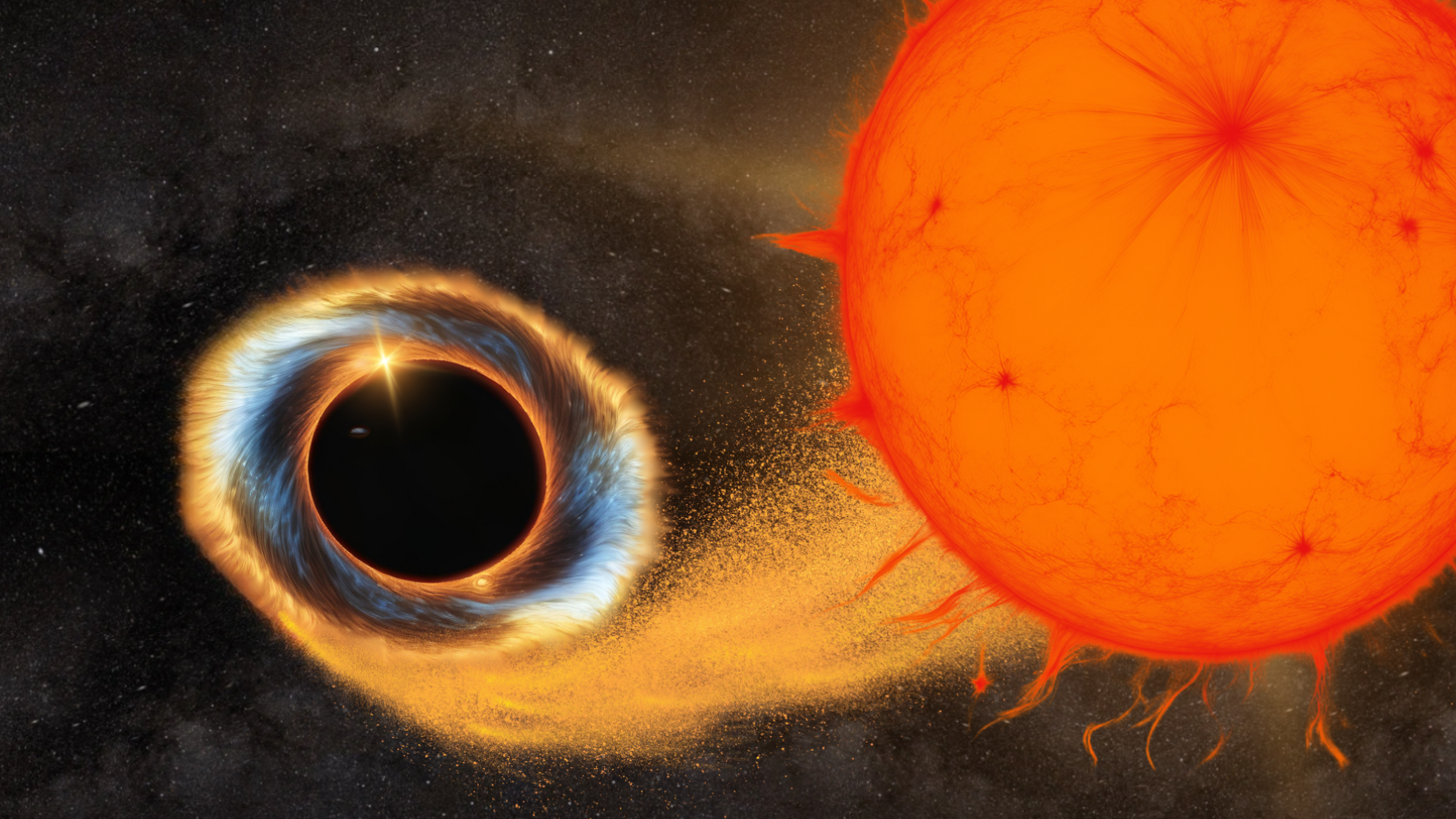
NASA's TESS spacecraft has detected a red giant star in a binary system with a black hole, revealing its turbulent history and unusual properties such as being younger than expected and spinning rapidly, likely due to past mergers or interactions. This discovery provides insights into stellar evolution and binary systems involving black holes.
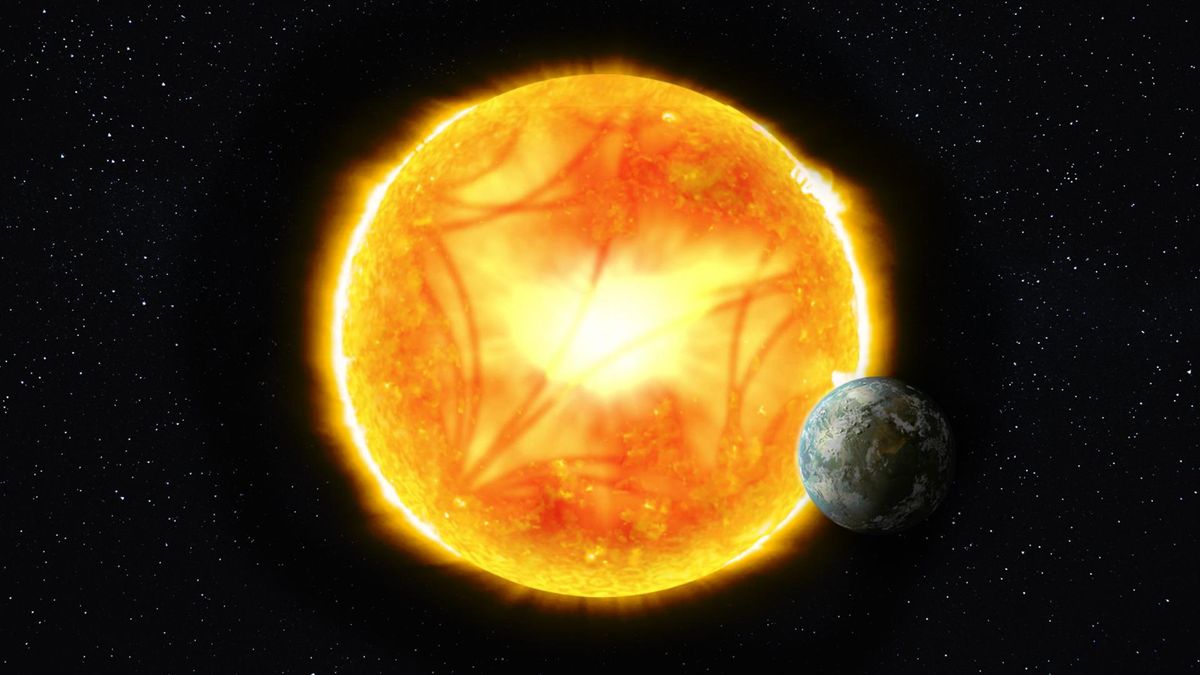
Astronomers have developed a new method of measuring cosmic distances by analyzing the frequencies of "music" played by vibrating stars. This technique, called asteroseismology, converts the vibrations and oscillations of stars into soundwaves, which can then be used to determine the distance to the stars. By comparing these distance measurements with the parallaxes obtained by the European Space Agency (ESA) satellite Gaia, scientists can improve the accuracy of Gaia's measurements and build a precise 3-dimensional map of the Milky Way. This method could also be used in upcoming space missions to detect and survey exoplanets.