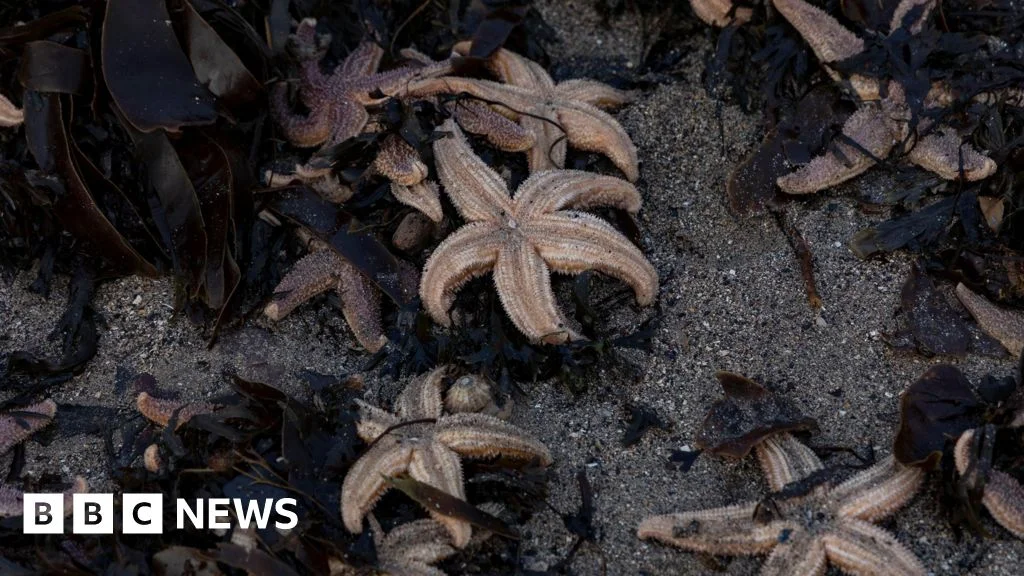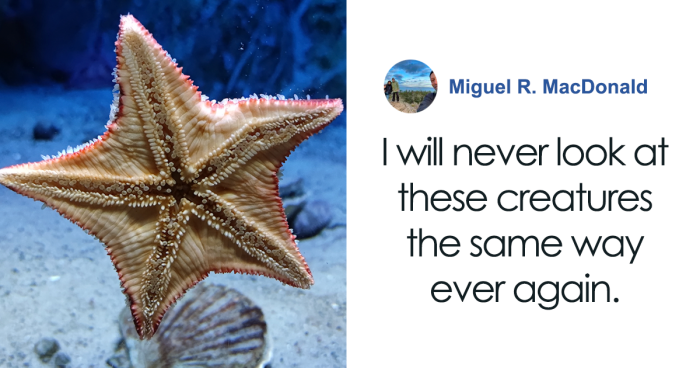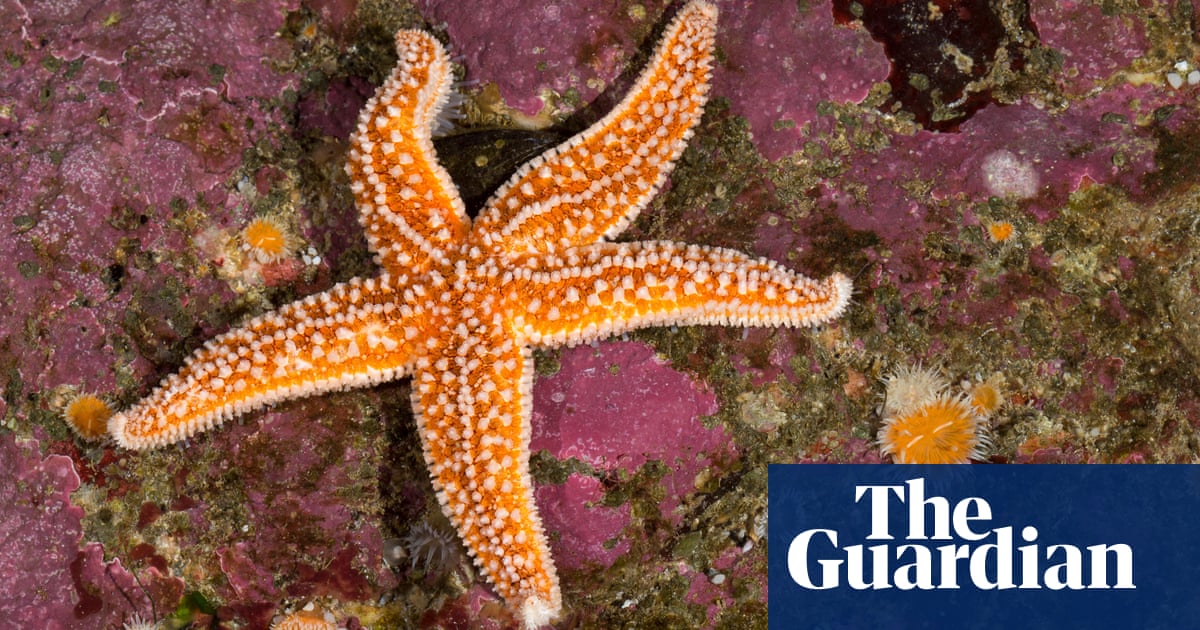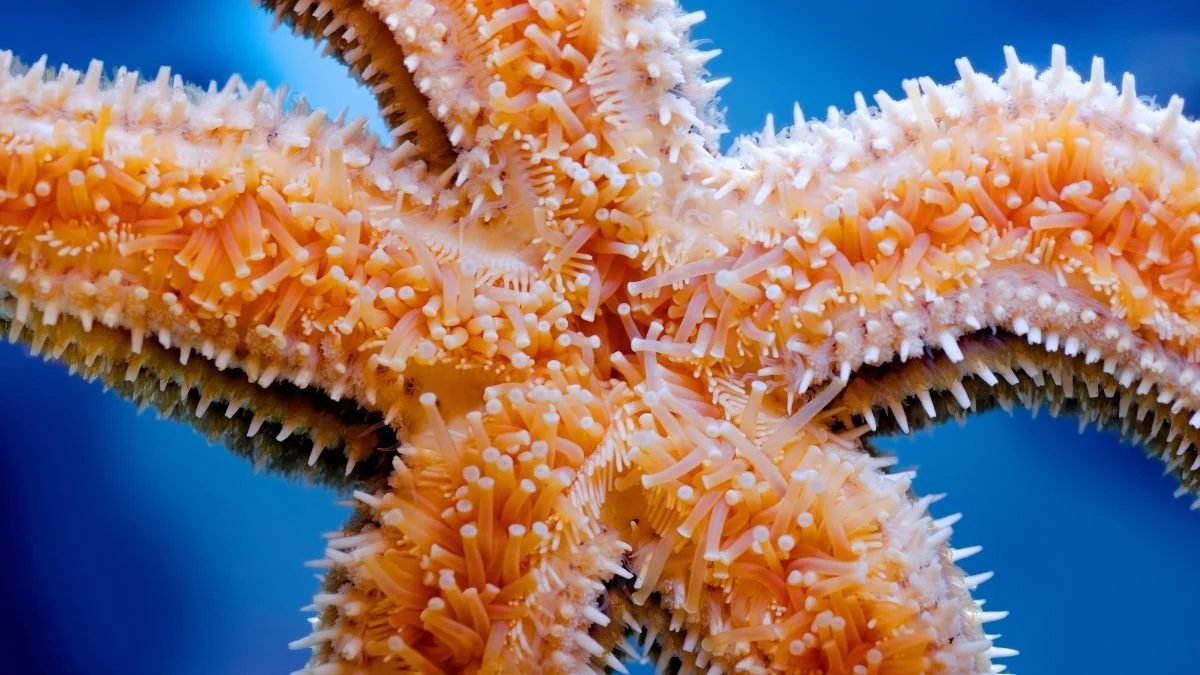
Thousands of starfish washed up on Wardie Bay in Edinburgh, likely due to stormy weather and rapid temperature changes, with marine biologists noting such events are natural but require further investigation.
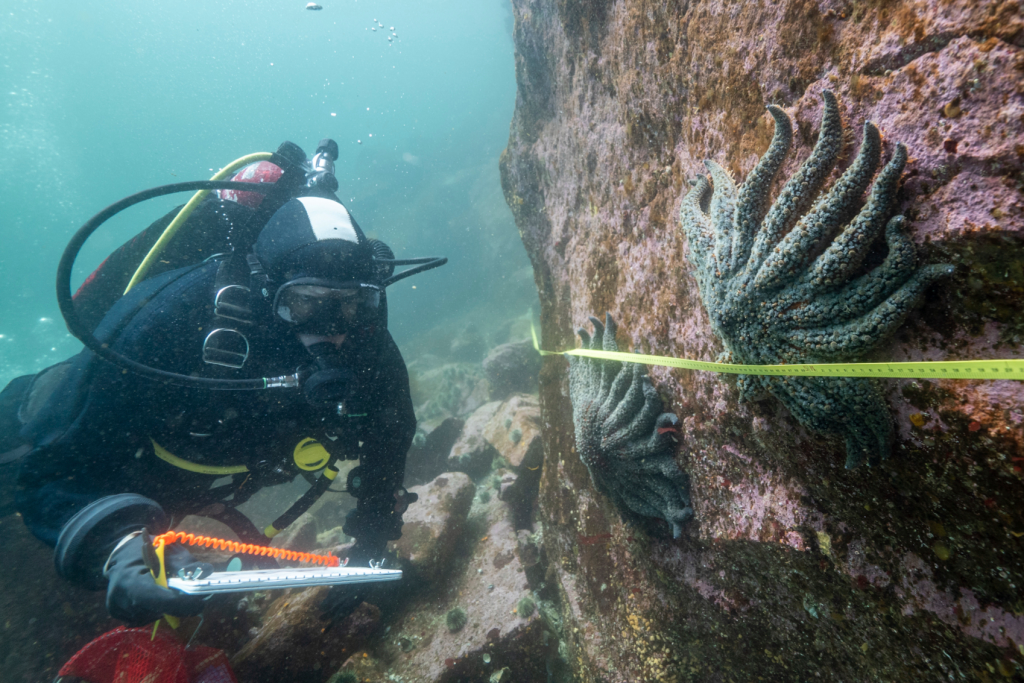
Scientists have identified a strain of bacteria, Vibrio pectenicida, as the cause of the wasting disease that has killed billions of starfish along the West Coast since 2013, leading to ecological shifts such as sea urchin overpopulation and kelp decline. The discovery offers hope for recovery efforts, including breeding resistant starfish and restoring kelp forests, while raising questions about environmental triggers like climate change.
A 500-million-year-old fossil from Morocco, Atlascystis acantha, provides crucial evidence on how starfish evolved from bilateral ancestors to their current fivefold symmetry, revealing that the five-armed body plan likely developed later through duplication after losing a trunk, thus filling a significant gap in the evolutionary record of echinoderms.
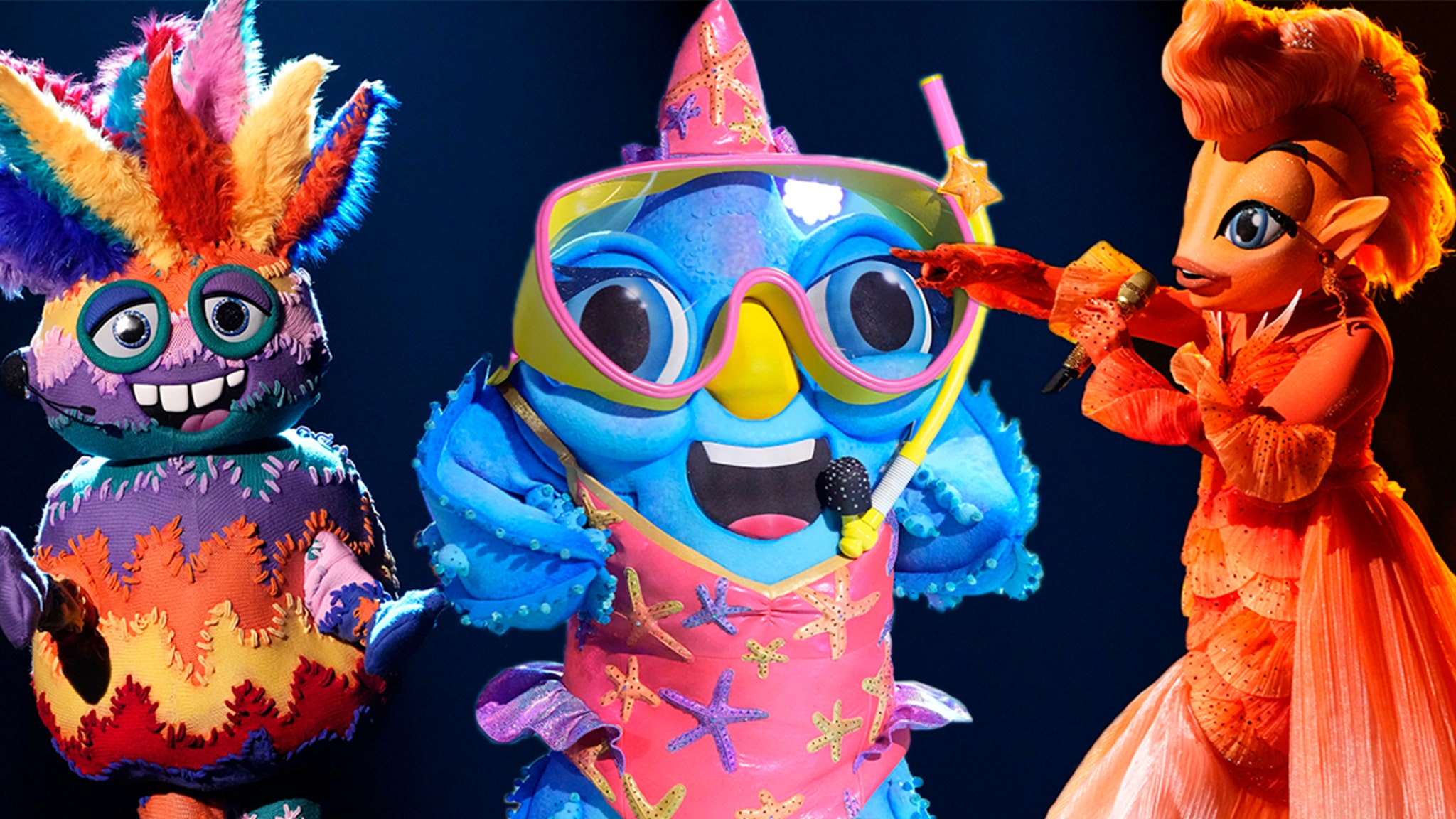
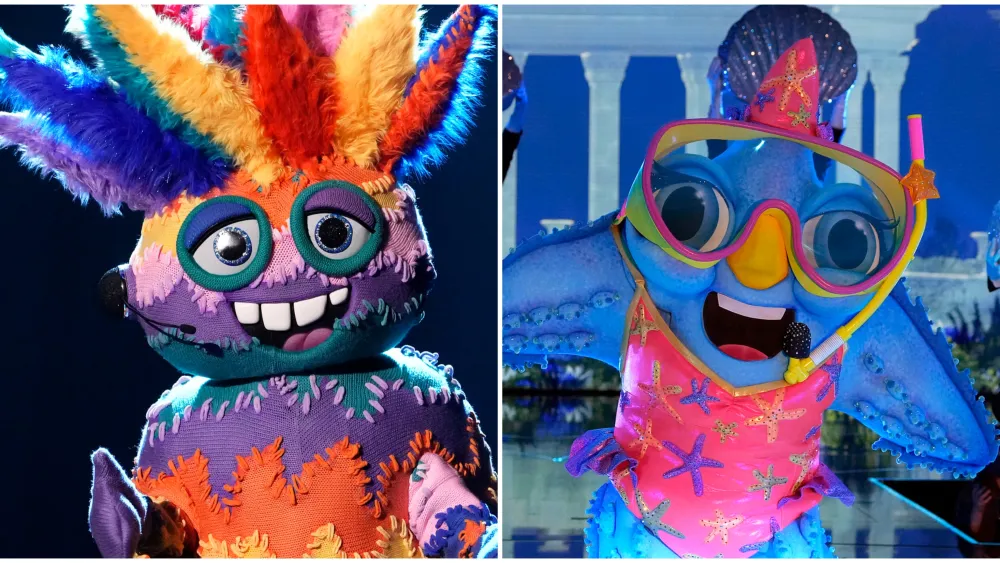
In the latest episode of 'The Masked Singer,' Group A's Goldfish, Starfish, and Ugly Sweater competed in a double elimination round, with Ugly Sweater and Starfish getting unmasked. Ugly Sweater's performance of "I Want to Break Free" by Queen led to guesses of Charlie Wilson, while Starfish's rendition of "Under Pressure" by Queen & David Bowie sparked speculation of Kate Flannery or Jennifer Coolidge. Goldfish's emotional performance of "The Show Must Go On" by Queen honored her late supporter, leading to guesses of a high-profile Hollywood figure.
Season 11, Episode 7 of "The Masked Singer" revealed singer/songwriter Charlie Wilson as Ugly Sweater and "The Office" star Kate Flannery as Starfish. The two battled it out in the Group A finals, with Goldfish emerging victorious. The episode featured performances of Queen songs and panel guesses for the masked celebrities. The season also includes themed episodes and new costumes, with a total of 16 celebrity singers.
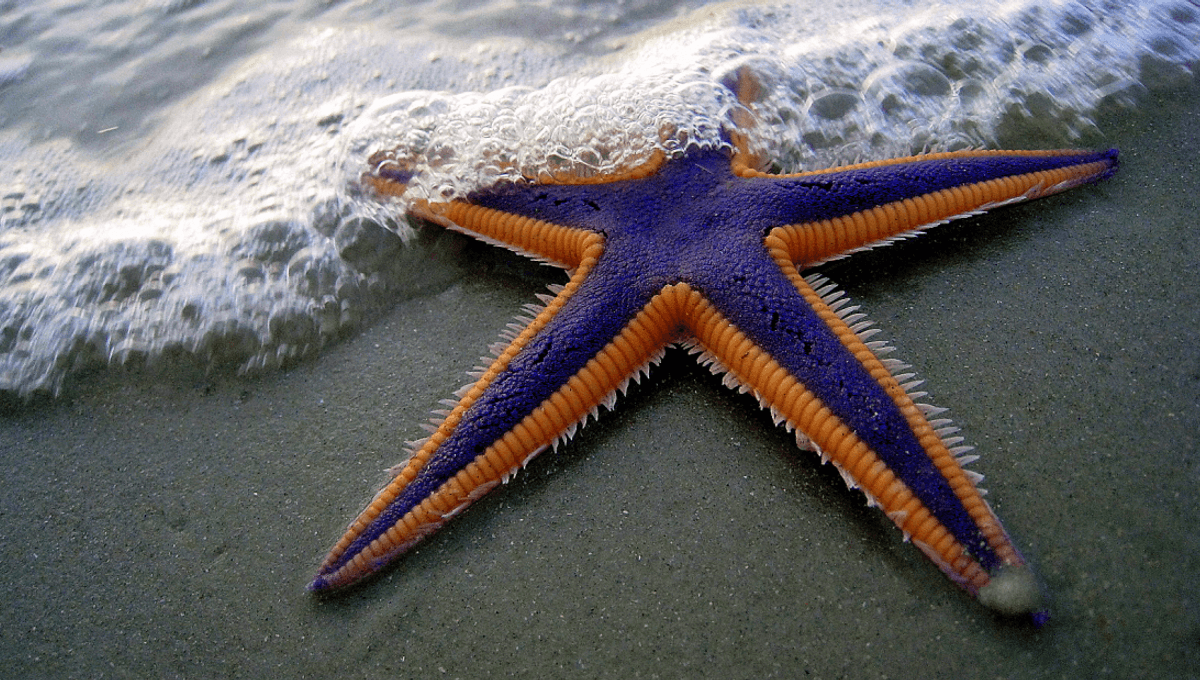
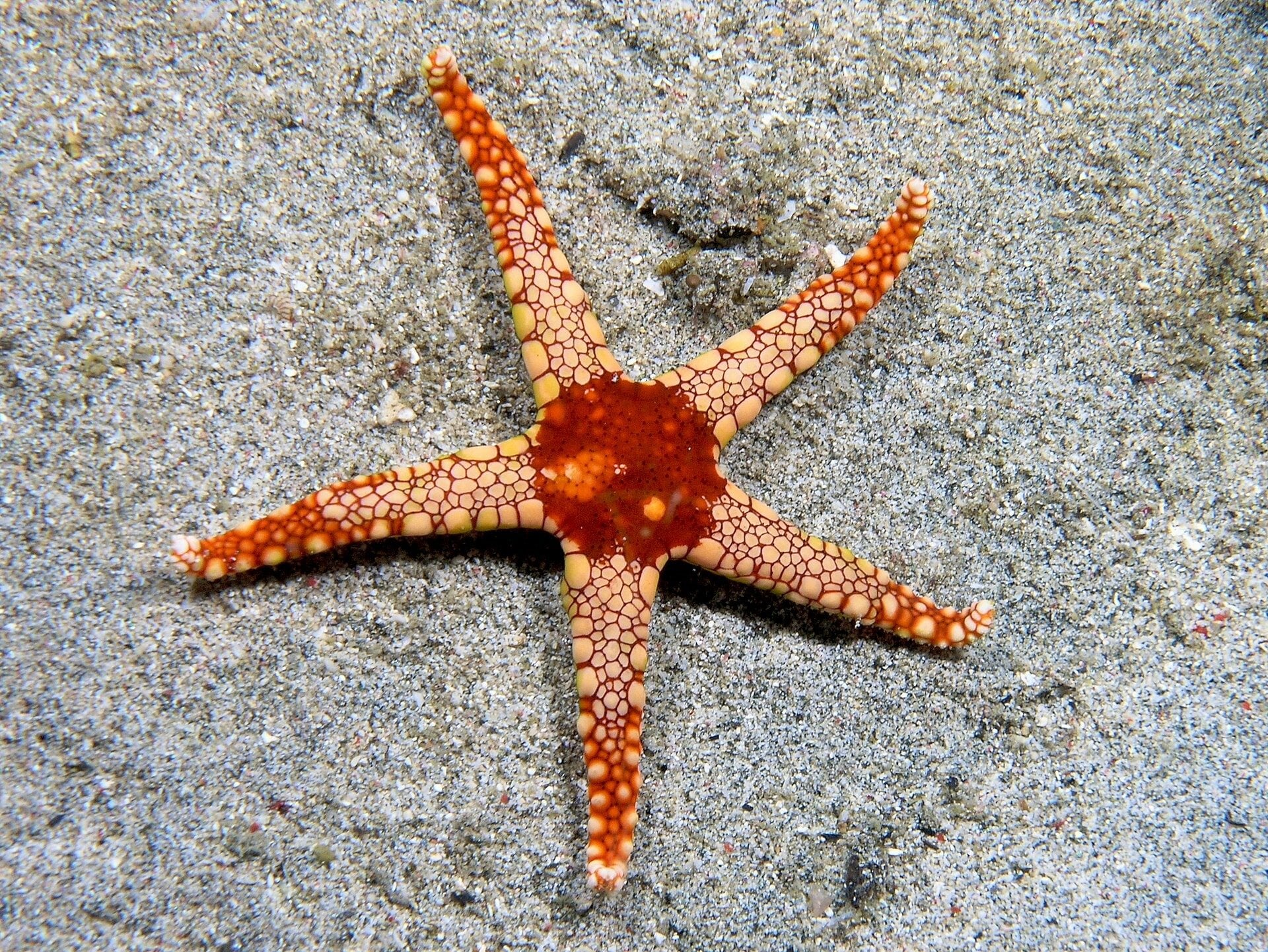
New research using HIFI sequencing suggests that starfish bodies are essentially just one giant head with no discernable trunk or torso, contrary to previous assumptions. The study found gene expressions corresponding to a head all over the sea stars, especially in the center of the body and each arm, but no signs of genes associated with a trunk. This challenges the traditional understanding of starfish anatomy and raises questions about the evolution of echinoderms.
A new study published in the journal Nature reveals that starfish don't just have a head, they are a head, and their "arms" are also heads. The research, which used RNA tomography to map gene expression, suggests that starfish have a decoupling of the head and trunk regions, challenging previous assumptions about their anatomy. This discovery may provide new insights into the evolution of echinoderms and raises questions about their unique body plan.
Scientists have solved the centuries-old mystery of the location of a starfish's head. Contrary to previous assumptions, starfish do not have a single head positioned at the center of their bodies. Instead, they have head-like regions in each of their limbs, as revealed by genetic studies. This discovery challenges the traditional understanding of animal symmetry and raises questions about the nervous system and brain development in starfish. The study of echinoderms, which include starfish, has the potential to provide insights into the evolution of life on Earth and various mechanisms of species' health maintenance.
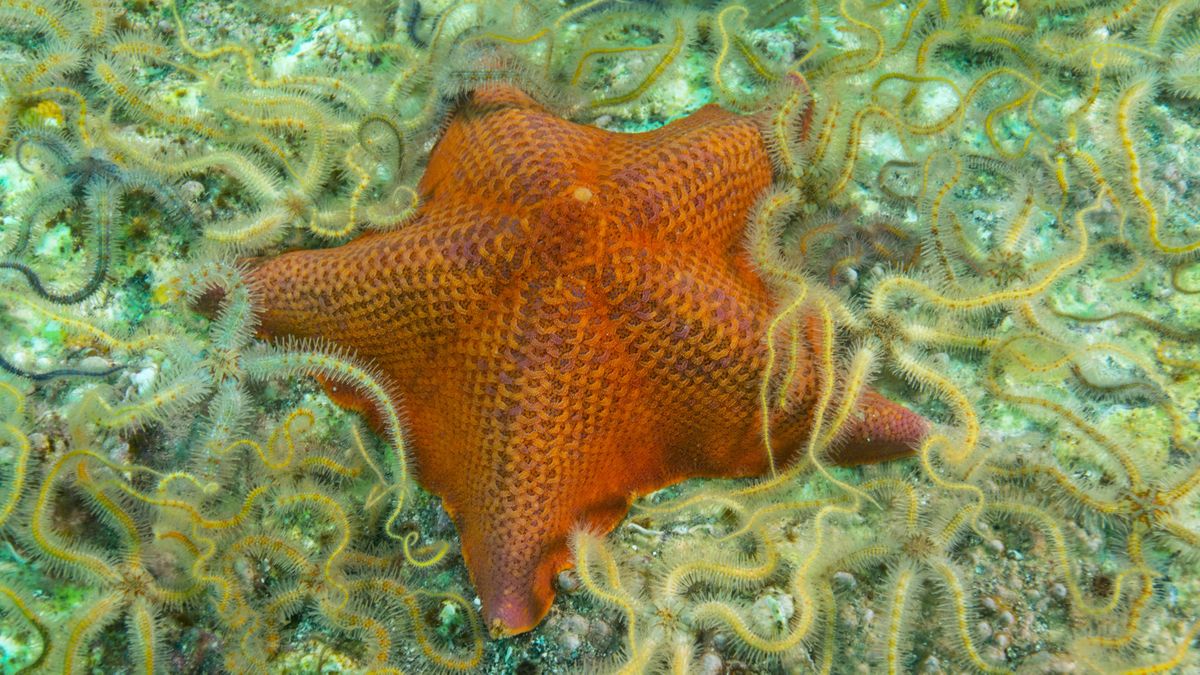
Scientists have discovered that starfish and other echinoderms are essentially walking heads with little to no body. Through genetic tests on bat stars, researchers found that the head of a starfish is its body, with anterior genes expressed all the way to the tips of its arms. This challenges previous hypotheses that suggested a duplication or stacking of the bilateral body plan. The study also suggests that seemingly bilateral echinoderms, like sea cucumbers, have a radial body plan, resembling a stretched-out head on its side. The reasons behind this unique body plan remain unclear.
Scientists have discovered that starfish have multiple heads, with head-like regions in each of their limbs, according to a study published in Nature. This finding challenges the traditional understanding of starfish anatomy and raises questions about their nervous system. The researchers analyzed starfish genes and found that the genes typically associated with the trunk of an animal were absent in starfish, suggesting that their body plan is roughly equivalent to the head in other animals. The discovery highlights the genetic similarities between starfish and other animals, including humans, and opens up new avenues for understanding starfish biology and evolution.
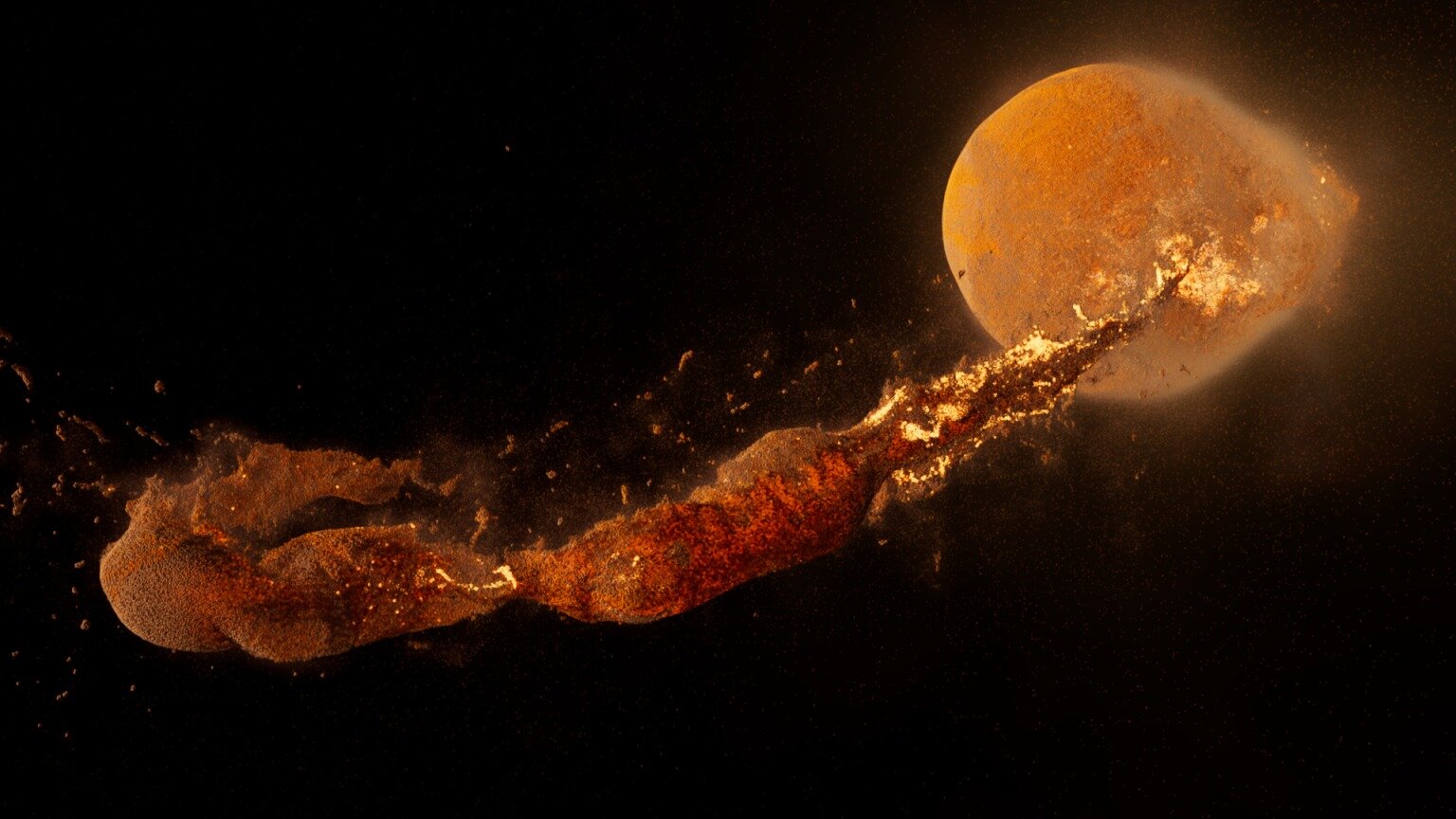
Researchers have made intriguing discoveries in various scientific fields. A study suggests that starfish lack torso and tail sections, challenging previous assumptions about their anatomy. Another study proposes that the Earth's moon may contain material from the collision with a Mars-sized object called Theia, which sank into the Earth's mantle. Scientists are also testing wearable devices that vibrate to provide spatial orientation cues for astronauts in microgravity environments. Additionally, researchers have found that rats can imagine distant locations, as demonstrated through brain-computer interface experiments.
Scientists have discovered that starfish and other echinoderms have an unusual body plan where their "arms" are actually extensions of their head. Through gene analysis, researchers found that the majority of genes switched on in the outermost layers of the starfish body corresponded to those activated in the heads of acorn worms and vertebrates. This suggests that the trunk genes were lost in the evolution of echinoderms. The study sheds light on how adult echinoderms acquired their unique five-fold body plan and provides insights into the evolution of these creatures from their bilateral ancestors.