Tag

Genetic Studies

All articles tagged with #genetic studies

science1 year ago

"Cell Cannibalism: A Universal Phenomenon Across Life Forms"

A study by Arizona State University researchers reveals that cell-in-cell phenomena, where one cell engulfs and sometimes consumes another, are widespread across the tree of life and not limited to cancer cells. These interactions, which date back over 2 billion years, play crucial roles in normal development, homeostasis, and stress response in various organisms. The findings challenge the notion that such behaviors are inherently cancerous and suggest that targeting them for cancer treatment may be misguided. The research opens new avenues for understanding cellular cooperation, competition, and the evolution of multicellularity.
genetics-research1 year ago

"Genetic Insights from the Born in Guangzhou Cohort Study on East Asian Pregnancy Outcomes"

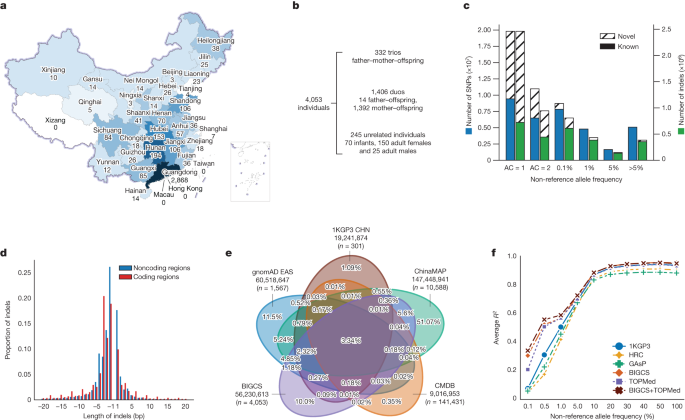
The Born in Guangzhou Cohort Study (BIGCS) has released raw sequencing data approved by The Ministry of Science and Technology of China, enabling generational genetic discoveries. The study's code and software tools are available on Github, and various publicly available software and databases were used for the research. The study references previous genetic studies and cohorts, emphasizing the importance of prospective cohort studies in understanding human genetic variation and disease.

evolutionary-biology2 years ago

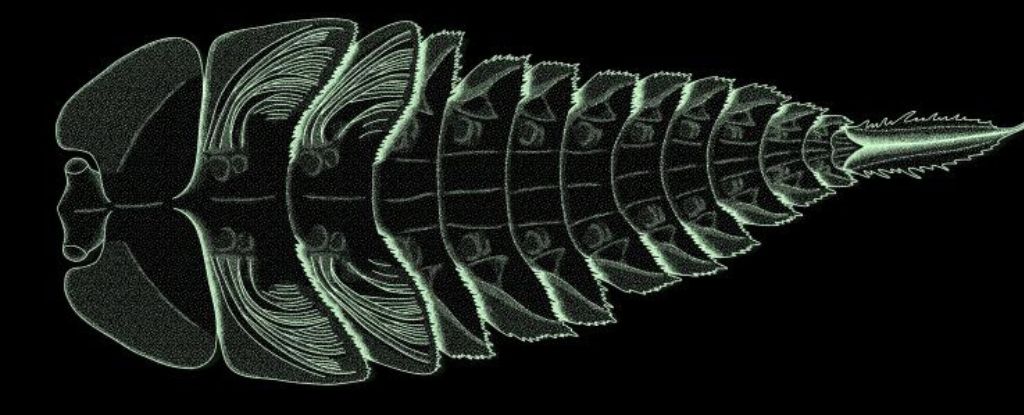
"Speculative Theory: Insect Wings Evolved from Gills"

A team of researchers has proposed a wild hypothesis suggesting that insect wings may have evolved from gills, based on the analysis of prehistoric fossils of flying insects from 300 million years ago. The discovery implies that some of the first winged insects were aquatic or semi-aquatic as larvae, challenging the traditional assumption that their ancestors were terrestrial. The study provides support for the idea that wings evolved from precursors of ancestral gills, but more evidence is needed to confirm this hypothesis, which is still in its early stages.

science-and-technology2 years ago

The Genetic Legacy of Our Ancestors: Neanderthals, Denisovans, and Other Humans

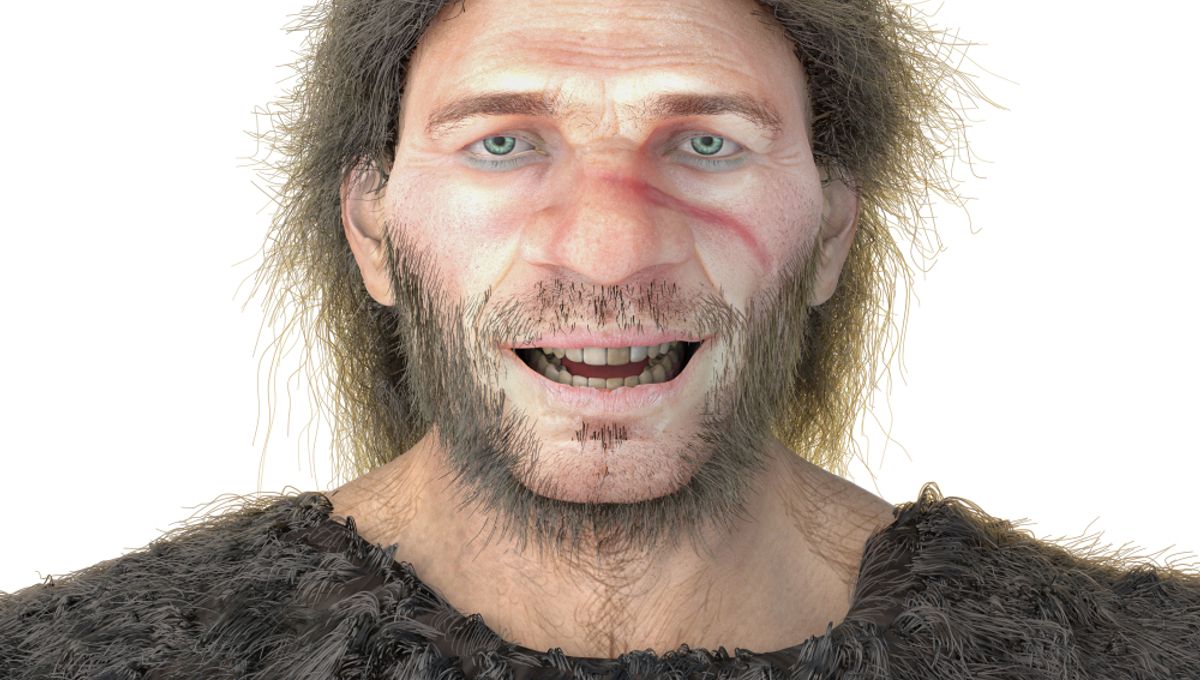
The discovery and analysis of ancient DNA has revealed that our Homo sapiens ancestors coexisted with other types of humans, such as Neanderthals, Denisovans, and Homo floresiensis. Genetic studies have shown evidence of interbreeding between these different hominin species, with modern humans inheriting about 2% of their genomes from Neanderthals and 4-6% from Denisovans. The presence of archaic DNA in modern humans has provided insights into human history, adaptation to new environments, and susceptibility to diseases. The work of Svante Pääbo, who was awarded the 2022 Nobel Prize in Physiology or Medicine for his contributions to paleogenomics, has been instrumental in unraveling these mysteries.

science2 years ago

Decades-Long Mystery Solved: Starfish Unveiled as Walking Heads

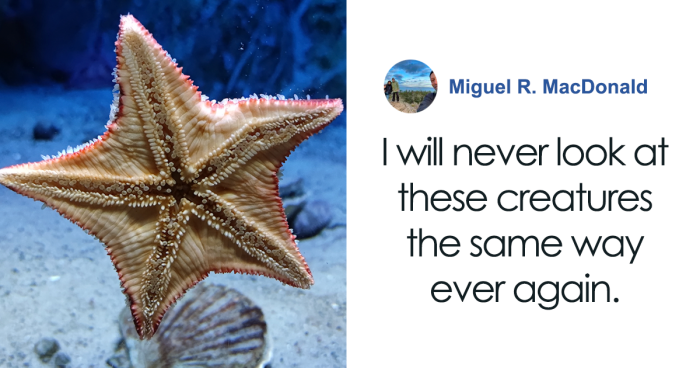
Scientists have solved the centuries-old mystery of the location of a starfish's head. Contrary to previous assumptions, starfish do not have a single head positioned at the center of their bodies. Instead, they have head-like regions in each of their limbs, as revealed by genetic studies. This discovery challenges the traditional understanding of animal symmetry and raises questions about the nervous system and brain development in starfish. The study of echinoderms, which include starfish, has the potential to provide insights into the evolution of life on Earth and various mechanisms of species' health maintenance.

science-and-research2 years ago

"Unlocking the Genetic Code: The Power of Participating in Genetic Studies"

Researchers analyzing a genetic study of half a million people have discovered that participation in genetic studies may have a genetic component. This finding could help researchers understand and account for biases in large studies that link genomics with health, behavior, and other traits. The study also revealed that certain genetic variations associated with study participation are also linked to other traits, such as education level. However, the researchers note that participation in genetic studies is a complex trait in its own right, and untangling all the factors involved is challenging.

researchscience2 years ago

Uncovering Bias and Consent Challenges in Biobank Studies

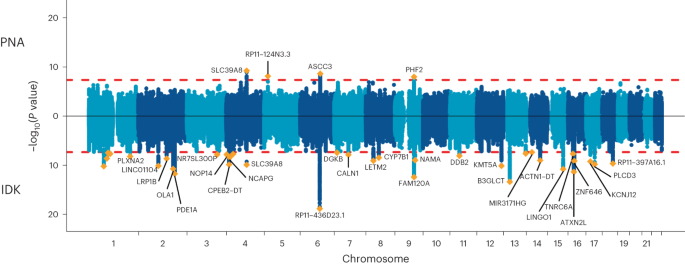
A study using data from the UK Biobank examined item nonresponse behavior in survey questionnaires and its potential bias in genetic studies. The research analyzed phenotypic and genetic data from over 360,000 individuals to gain insights into the impact of item nonresponse on genetic research. The findings contribute to a better understanding of bias in genetic studies and highlight the importance of addressing item nonresponse in social and behavioral research.