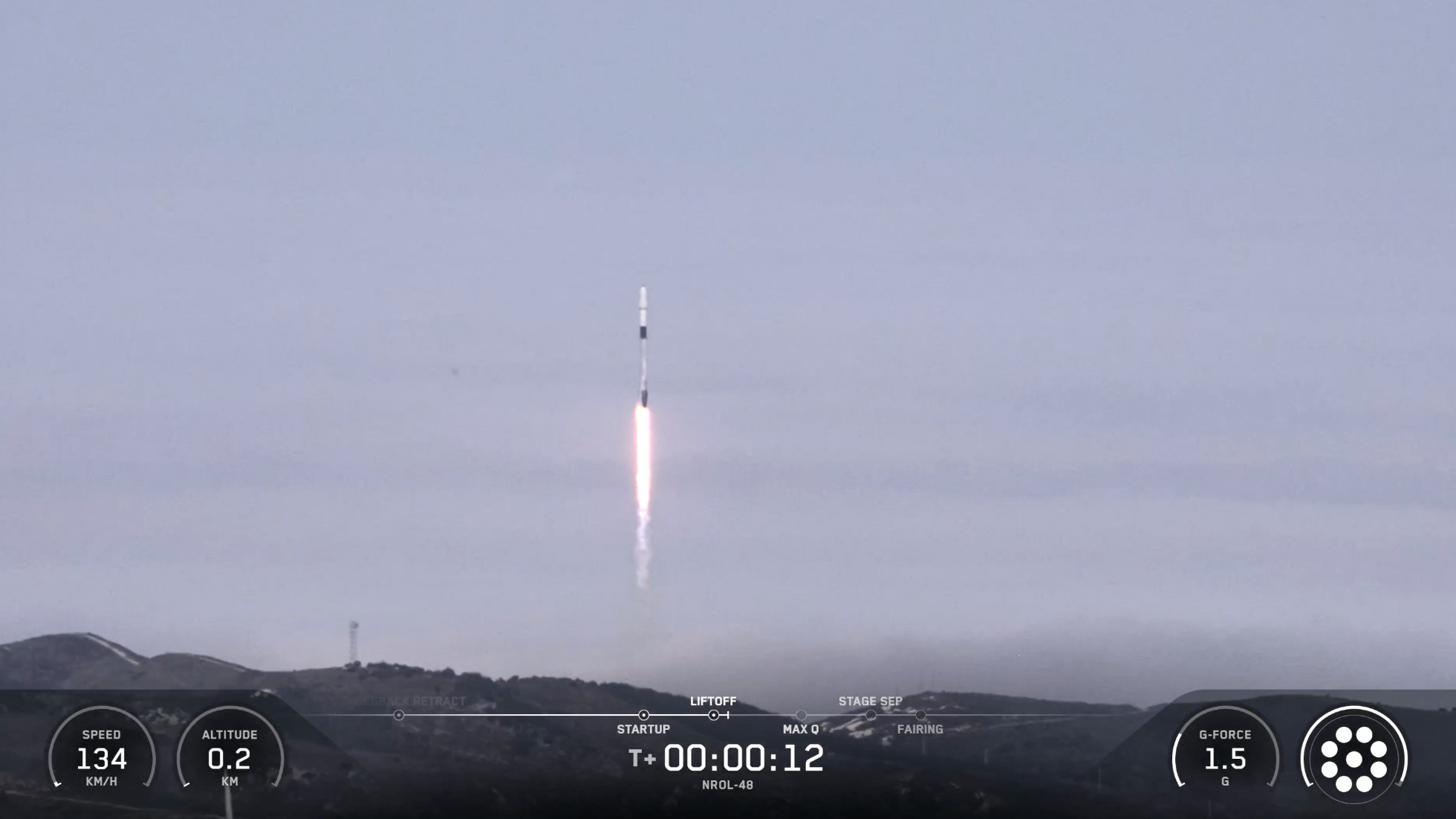
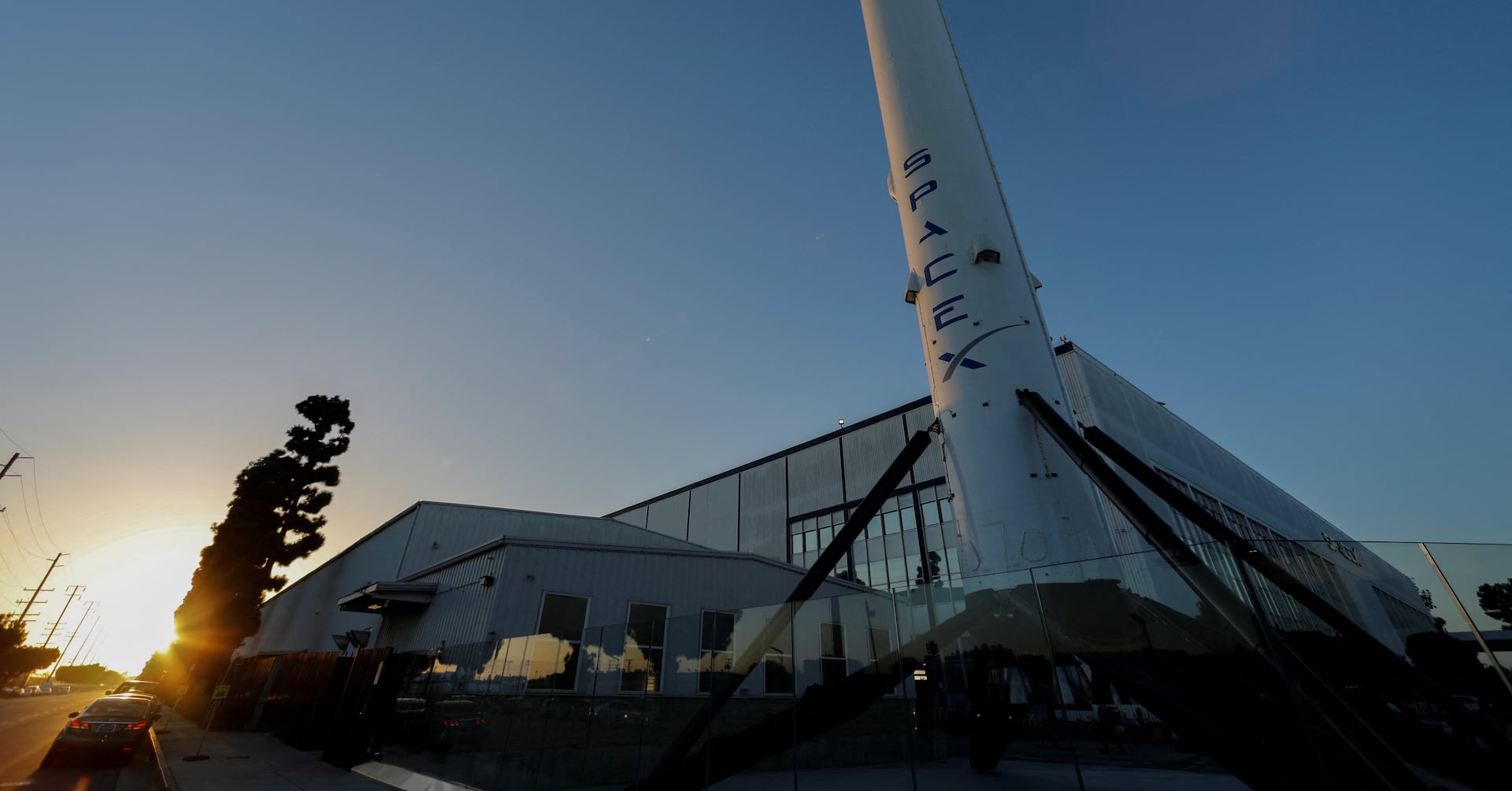
SpaceX launched its 11th batch of US spy satellites for the NRO using a Falcon 9 rocket from Vandenberg, part of a new 'proliferated architecture' network of smaller, cost-effective satellites to enhance US reconnaissance capabilities, with payload details undisclosed.
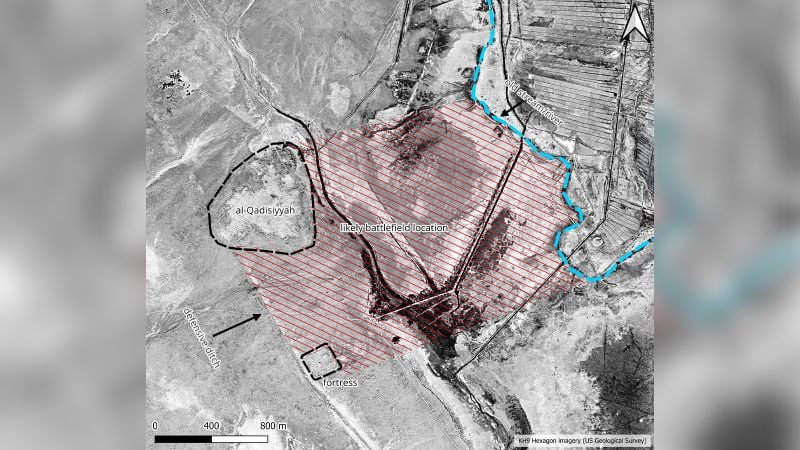
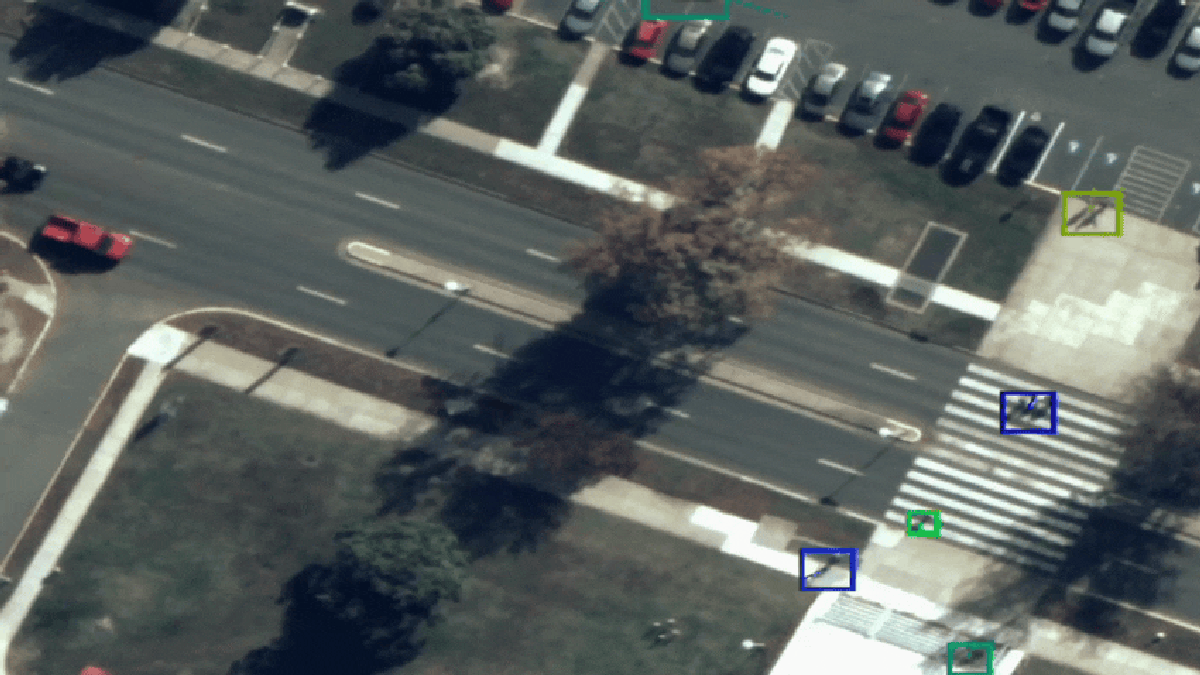
Archaeologists from Durham University and the University of Al-Qadisiyah have identified the site of the historic Battle of al-Qadisiyyah in Iraq using declassified US spy satellite images from the 1970s. The battle, which occurred in 636 or 637 AD, marked a significant victory for Arab Muslims over the Sasanian Empire. The discovery was made by comparing historical accounts with satellite imagery, revealing features like a fort and double wall. The site, now farmland, is located 30 kilometers south of Kufa. Further archaeological surveys are planned, though currently delayed due to regional tensions.
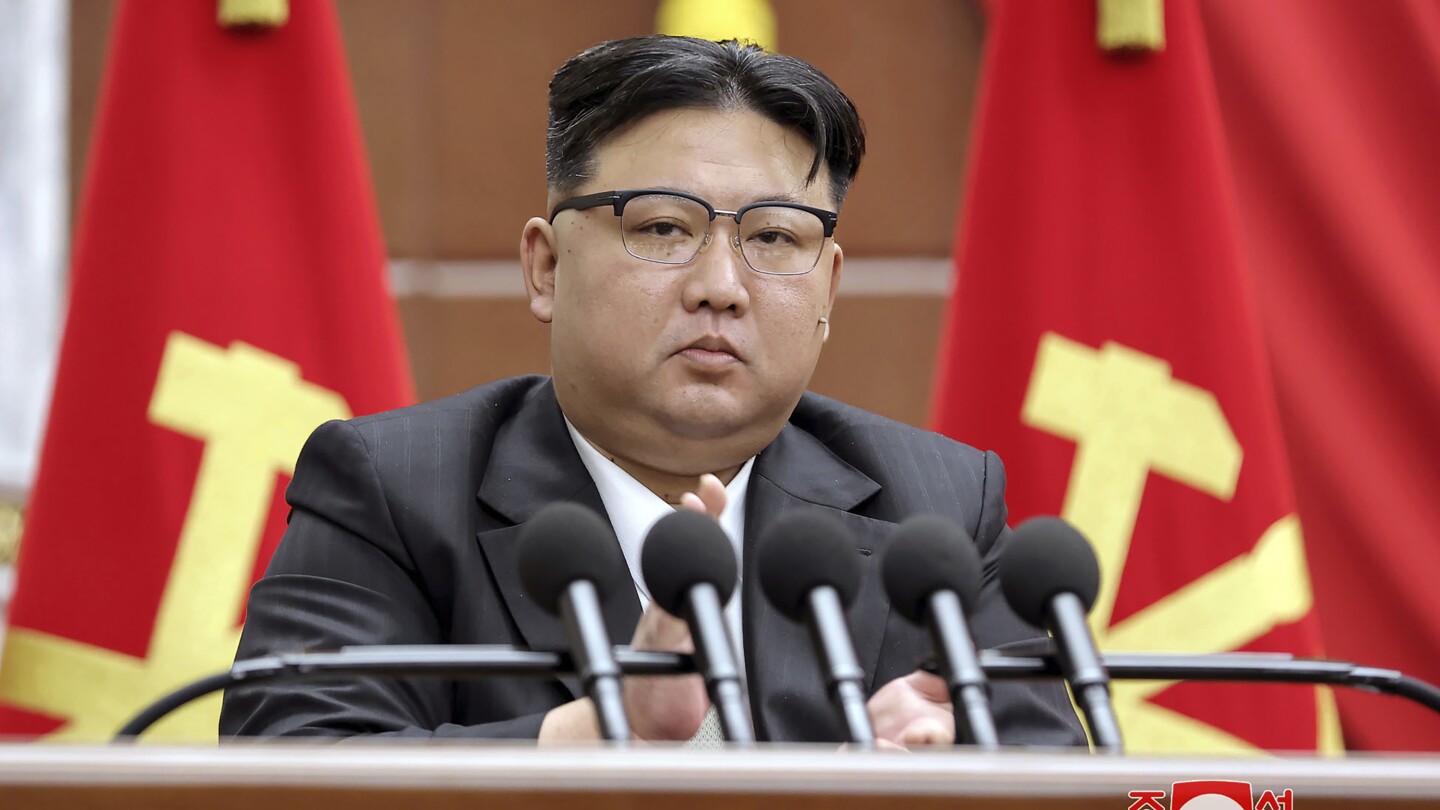
North Korea's leader Kim Jong Un emphasized the importance of deploying spy satellites for national sovereignty after a failed rocket launch, while the regime followed through on a threat to drop trash on South Korea using balloons.
Chinese military and state media criticized the United States for its SpaceX spy satellite program, accusing it of threatening global security and exhibiting double standards. The program, developed under a $1.8 billion contract with the National Reconnaissance Office, has sparked concerns in China about potential security threats. The U.S. has been urged to refrain from aiding what China perceives as malevolent actions, while the NRO declined to comment on the extent of SpaceX's involvement. This development comes amid escalating tensions between the two countries in the realm of space technology and surveillance.
Chinese military and state media criticized the United States for its SpaceX spy satellite program, accusing it of threatening global security and displaying double standards. The program, developed under a $1.8 billion contract with the National Reconnaissance Office, has sparked concerns in China about potential security threats. The Chinese military urged U.S. companies not to assist in such endeavors, while Chinese researchers have studied the risks posed by SpaceX's satellite network. SpaceX and U.S. authorities have not commented on China's reaction.
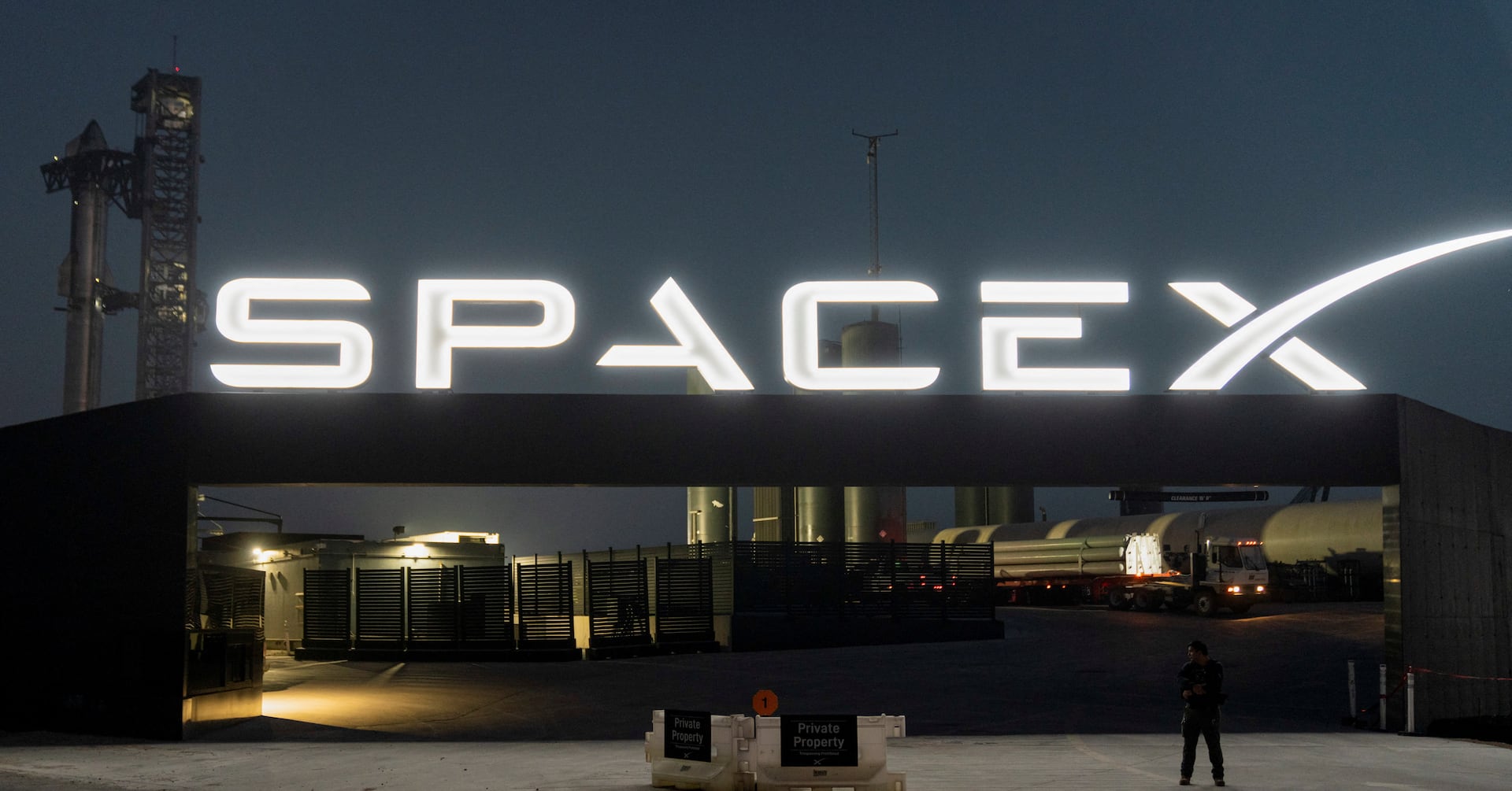
SpaceX is reportedly working with the National Reconnaissance Office (NRO) to develop a classified system of swarming spy satellites, worth $1.8 billion, capable of Earth-imaging and sharing data with U.S. intelligence and military officials. The program, managed under SpaceX's Starshield unit, aims to provide continuous imagery of global activities, intensifying competition in space military power. The leaked contract raises concerns about the public's limited knowledge of SpaceX's classified work, while highlighting the U.S. military's reliance on the company.
SpaceX is reportedly developing a network of spy satellites under a $1.8 billion contract with the US National Reconnaissance Office, aiming to provide persistent, pervasive, and rapid coverage of Earth's activities. The program, led by Elon Musk's company, could significantly enhance the US government and military's ability to detect targets globally. This initiative reflects a growing trust between SpaceX and national security agencies, despite past tensions. The development of the Starshield network aligns with the US's efforts to compete in space military dominance, amid similar pursuits by China and concerns about Russian space weapons.
SpaceX's Starshield unit has a classified contract with the US National Reconnaissance Office to build a network of "hundreds" of spy satellites with Earth-imaging capabilities, operating in low orbits. The network, aimed at significantly advancing US government and military intelligence capabilities, is part of a government-focused secure satellite network owned and controlled by the US government and DoD Space Force. While the timeline for operational deployment is unclear, the project signifies a significant advancement in space-based intelligence, surveillance, and reconnaissance capabilities.
SpaceX is reportedly constructing a network of spy satellites for the U.S. National Reconnaissance Office under a $1.8 billion contract, aiming to significantly enhance the government's ability to monitor potential targets globally. The program, operated by SpaceX's Starshield unit, involves the deployment of hundreds of Earth-imaging satellites in low orbits. This initiative underscores the deepening collaboration between Elon Musk's company and national security agencies, despite recent controversies. The project represents a strategic move in the intensifying competition for dominance in space, with the U.S. seeking to expand its military capabilities through advanced satellite systems.
SpaceX is reportedly building a network of spy satellites for a U.S. intelligence agency under a $1.8 billion contract with the National Reconnaissance Office (NRO). The network, being developed by SpaceX's Starshield business unit, aims to significantly enhance the U.S. government and military's ability to quickly identify potential targets worldwide. The program involves the deployment of hundreds of satellites with Earth-imaging capabilities in low orbits. This initiative underscores the deepening ties between SpaceX and national security agencies, despite Elon Musk's past controversies with the Biden administration.
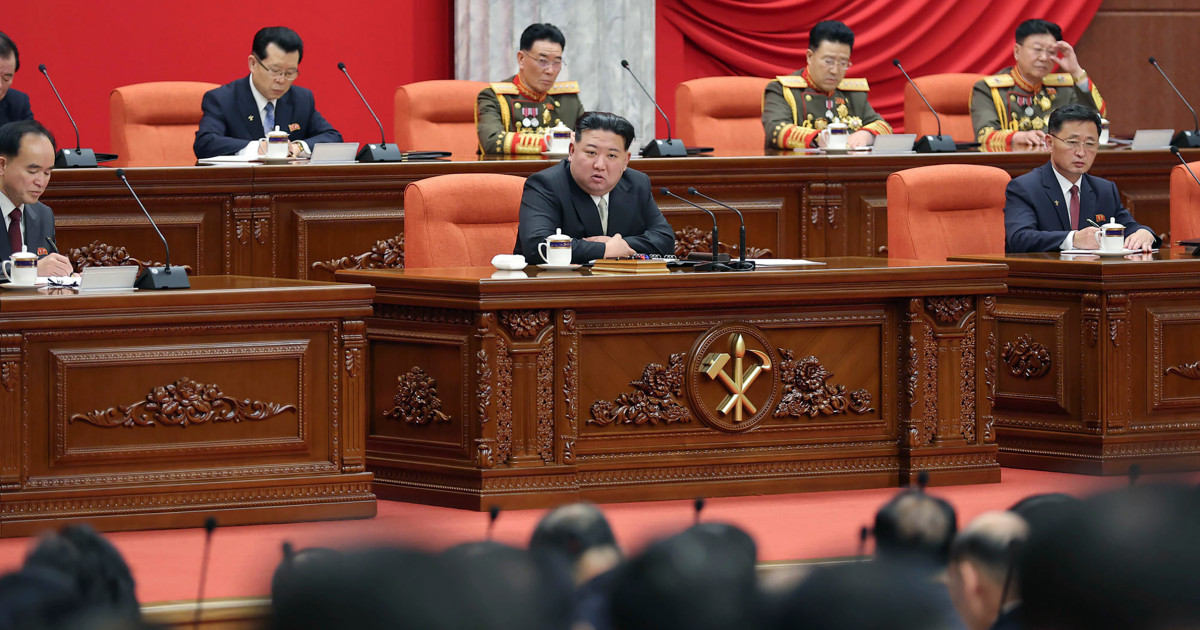
North Korean leader Kim Jong Un has announced plans to enhance the country's military capabilities by launching three more military spy satellites, producing additional nuclear materials, and developing attack drones in 2024. This move is seen as an effort to bolster war readiness against U.S.-led confrontational moves. Kim's strategy appears to be aimed at leveraging a stronger nuclear position for potential high-stakes diplomacy with the U.S., particularly if Donald Trump returns to the presidency. The announcement includes an emphasis on improving submarine capabilities and unmanned combat equipment, while also maintaining a strong stance against South Korea, which Kim has dismissed as a partner for reconciliation or unification.
North Korean leader Kim Jong Un announced plans to launch three new spy satellites in 2024, intensifying military developments amidst deteriorating relations with South Korea. Kim declared unification with the South no longer possible, citing Seoul's adversarial stance. North Korea's recent activities, including the launch of an advanced long-range missile and the deployment of a spy satellite, have escalated tensions, particularly with South Korea enhancing defense cooperation with the US. Kim's rhetoric suggests a heightened state of readiness for potential conflict, emphasizing the need to strengthen nuclear and missile forces. South Korea's defense ministry warned of an overwhelming retaliation should Pyongyang use nuclear weapons.
North Korean leader Kim Jong Un has announced plans to enhance the country's military capabilities by launching three more military spy satellites, producing additional nuclear materials, and developing modern attack drones in 2024. This move is seen as an effort to prepare for "overwhelming" war readiness in response to U.S.-led confrontations. Kim's strategy appears to be influenced by the upcoming U.S. presidential elections, with the potential return of Donald Trump seen as an opportunity for North Korea to negotiate sanctions relief. The announcement has been met with strong condemnation from South Korea, which vows to deter North Korean threats in partnership with the United States.
North Korean leader Kim Jong Un has announced that North Korea will no longer pursue reunification with South Korea, labeling the relationship as hostile and warlike. The country plans to launch three new military spy satellites in 2024 to enhance its defense capabilities. This move comes amid increased war preparations in response to perceived confrontation moves by the US and its allies. The announcement signifies a significant shift in inter-Korean relations and could lead to increased tensions in the region. North Korea's missile program continues to advance, with recent successful tests and launches, prompting greater defense cooperation among the US, Japan, and South Korea.
North Korean leader Kim Jong Un announced plans to launch three military spy satellites, build more nuclear weapons, and develop modern unmanned combat equipment in 2024 to enhance war readiness against what he perceives as U.S.-led hostilities. This announcement follows a year of over 100 ballistic missile tests by North Korea and comes amid stalled diplomacy with the U.S. North Korea is also reportedly increasing cooperation with Russia and China, with allegations of arms exchanges between North Korea and Russia. The U.S. and South Korea have responded with expanded military exercises and strategic deployments, while experts remain skeptical about the capabilities of North Korea's satellite technology.