European Leaders Criticize US Approach in Venezuela Crisis
European leaders expressed concern and called for de-escalation following the US strike on Venezuela, emphasizing the importance of respecting international law and regional security.
All articles tagged with #global security

European leaders expressed concern and called for de-escalation following the US strike on Venezuela, emphasizing the importance of respecting international law and regional security.

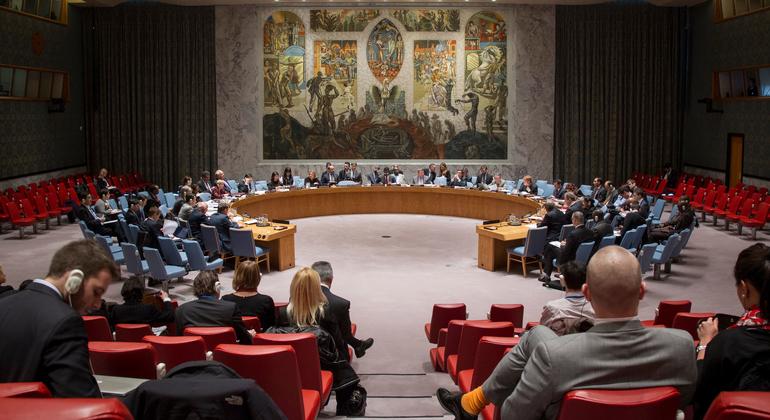
The UN Security Council is holding a session to discuss threats to international peace and security, including Israel's recognition of northern Somalia as an independent state, with live updates available.

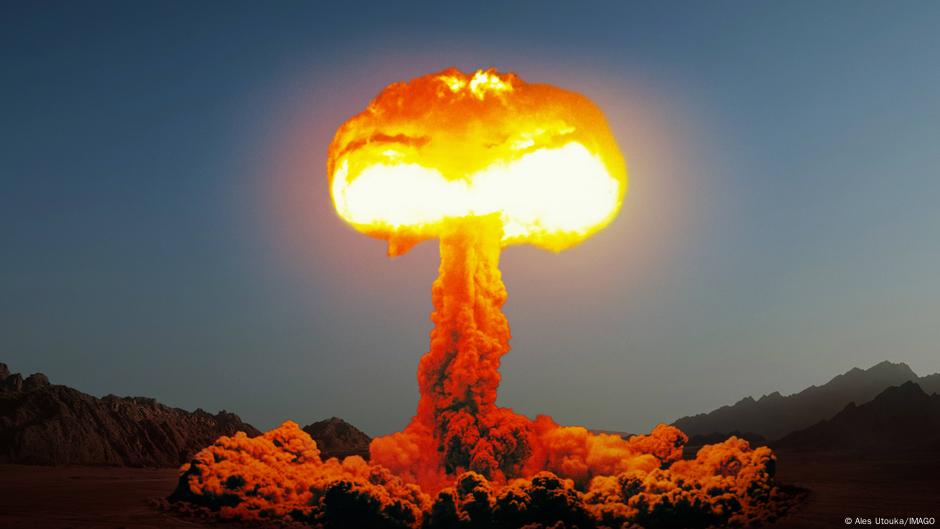
The US possesses approximately 3,700 nuclear warheads, with ongoing modernization efforts costing around $1.7 trillion, and President Trump has recently threatened to restart nuclear testing, raising concerns about global security and nuclear reliability.

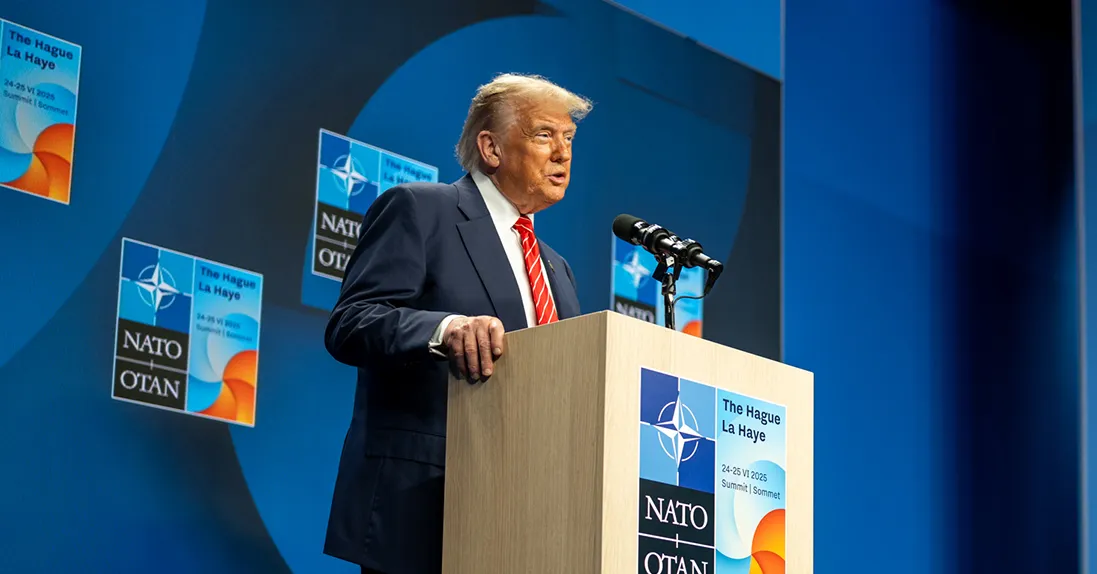
President Trump brokered a historic NATO agreement where member countries committed to increasing their defense spending to 5% of GDP, marking a significant shift towards shared responsibility and strengthening global security, receiving widespread praise from international leaders and lawmakers.

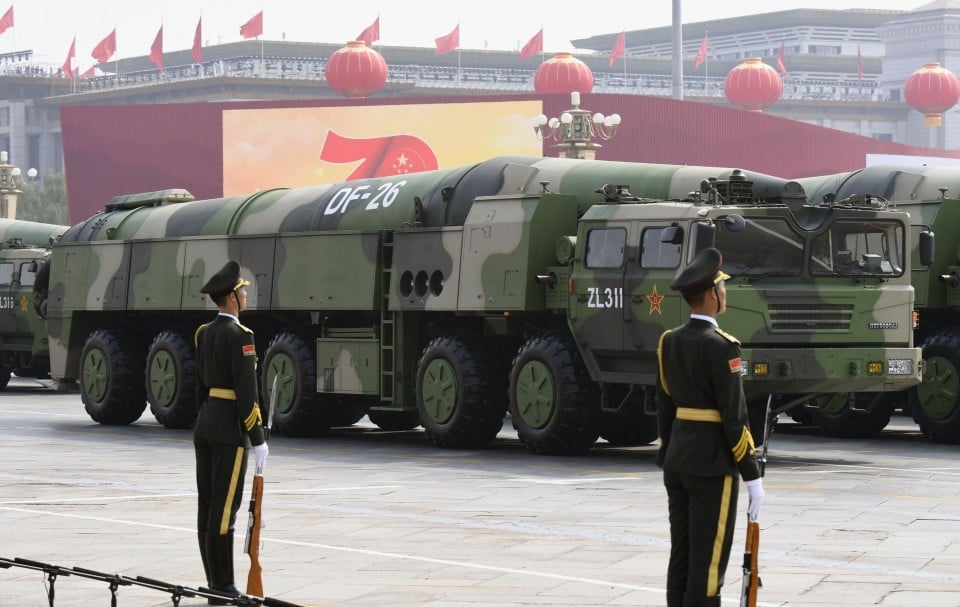
China's nuclear arsenal has increased by 100 warheads in 2024 to a total of 600, marking the fastest expansion among countries, while the global nuclear stockpile slightly declined to 12,241, raising concerns about a new nuclear arms race, with Russia and the US holding the majority of the world's warheads.

The SIPRI Yearbook 2025 reports a resurgence in nuclear modernization programs among the nine nuclear-armed states, reversing long-term disarmament trends and raising concerns about a new, more complex arms race driven by advanced technologies like AI, cyber, and space capabilities, which could increase the risk of nuclear conflict.

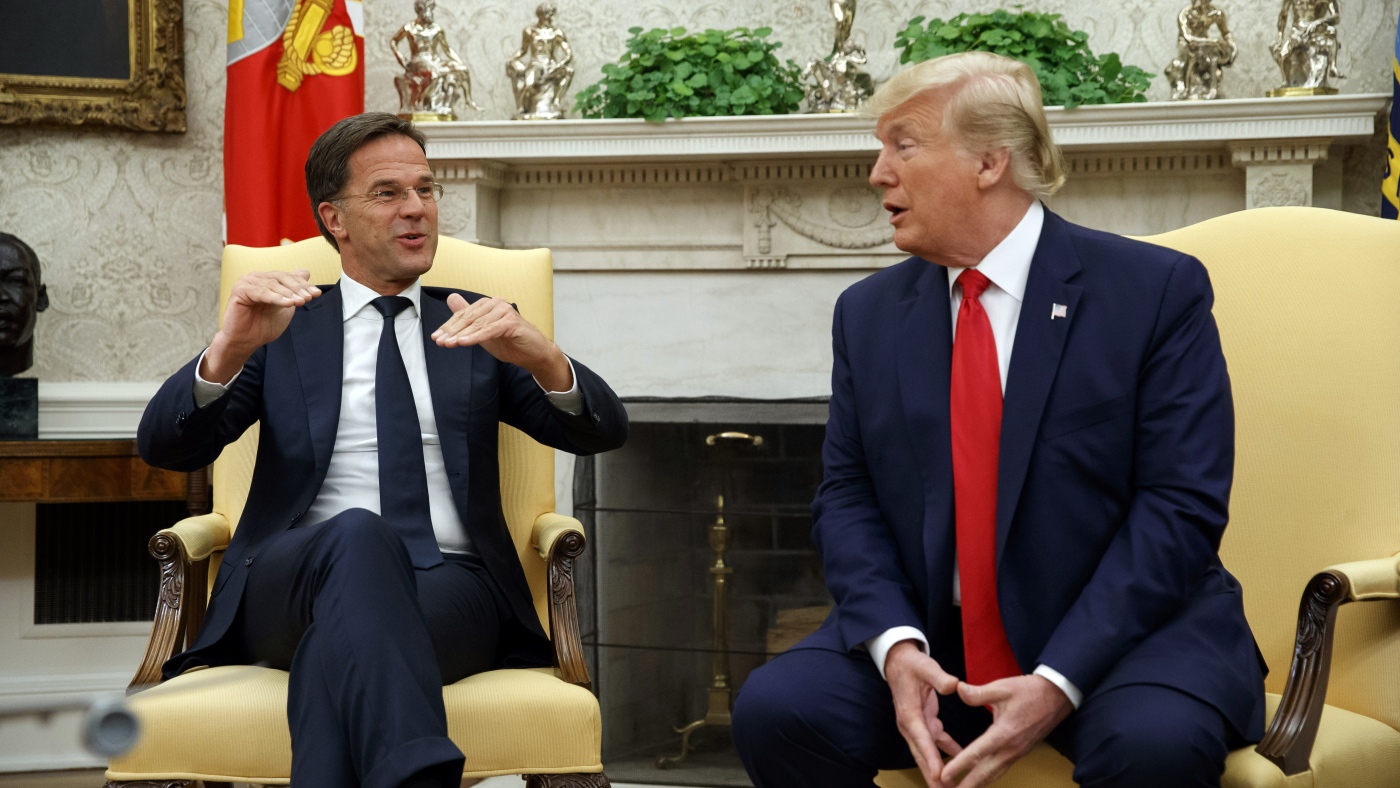
U.S. President-elect Donald Trump met with NATO Secretary General Mark Rutte in Florida to discuss global security issues. This meeting marks Rutte's first encounter with Trump since his election. Trump has previously criticized NATO, questioning its value and the defense spending of its members. Rutte also met with Trump's national security team, including Michael Waltz.

Donald Trump's first criminal trial begins, focusing on alleged falsification of business records to cover up hush-money payments to Stormy Daniels; Iran's recent attack on Israel tests fragile alliances in the region; Biden administration urged to confront deteriorating global security environment and take stronger actions against Iran, Russia, and China; Poll shows mixed views on Trump's offensiveness, particularly among younger voters; New Hampshire Gov. Chris Sununu faces challenges in dealing with support for Donald Trump.

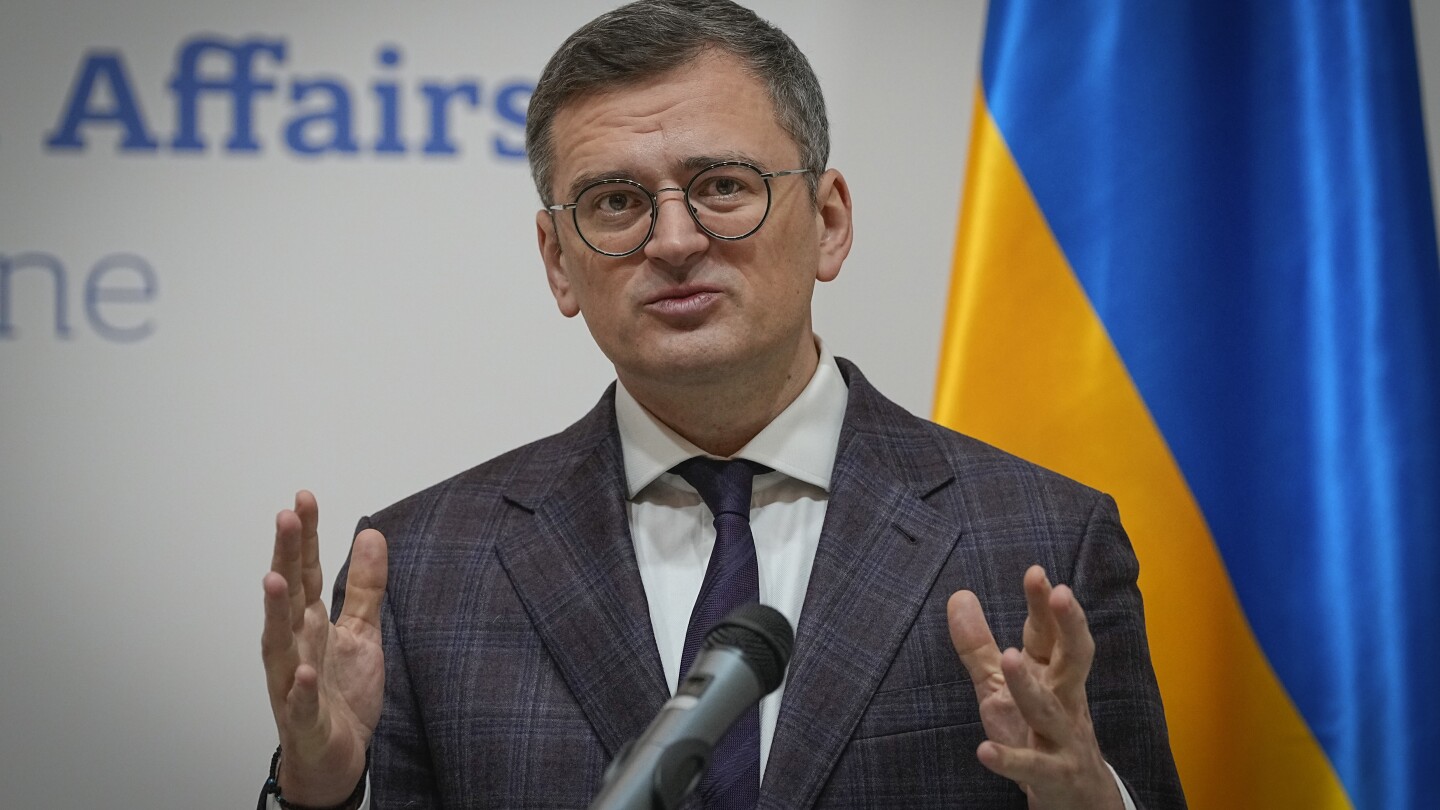
India's foreign minister held talks with his Ukrainian counterpart to strengthen bilateral ties and cooperation, with Ukraine seeking India's support in ending Russia's war in Ukraine. Despite historical ties with Russia, India has expressed willingness to contribute to peace efforts and has been trying to reduce its dependence on Moscow for arms and technology. The visit comes after Prime Minister Narendra Modi spoke to both the Ukrainian and Russian presidents, emphasizing the need for diplomacy and dialogue to end the conflict. India has positioned itself as a rising global player and has increased engagement with Western powers while also maintaining its relationship with Russia.

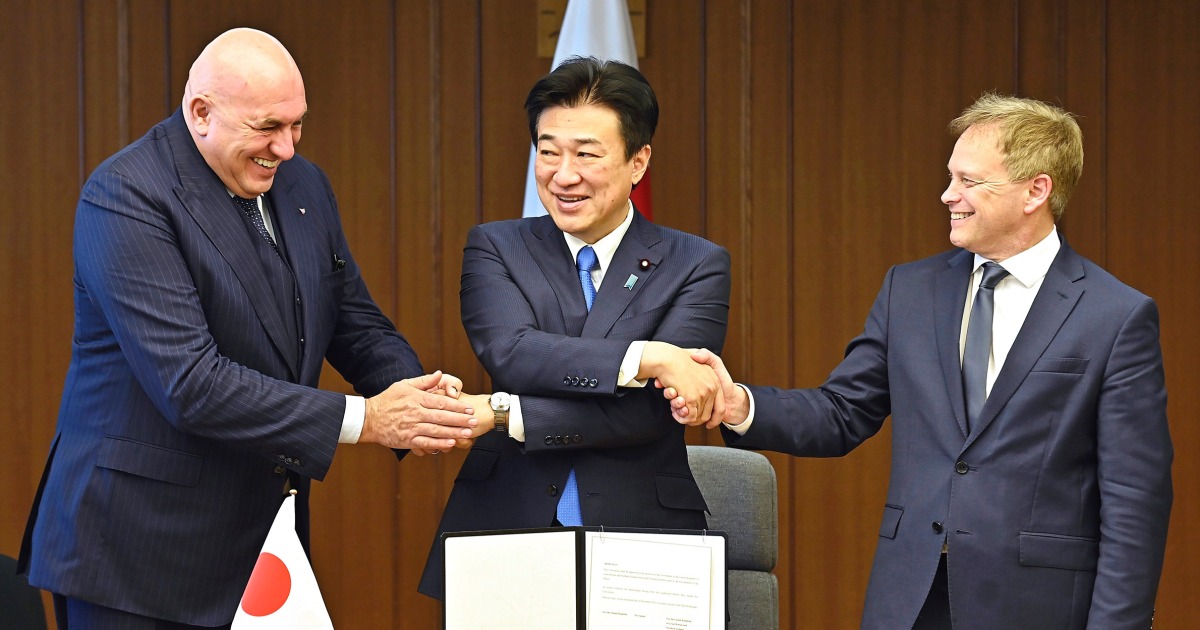
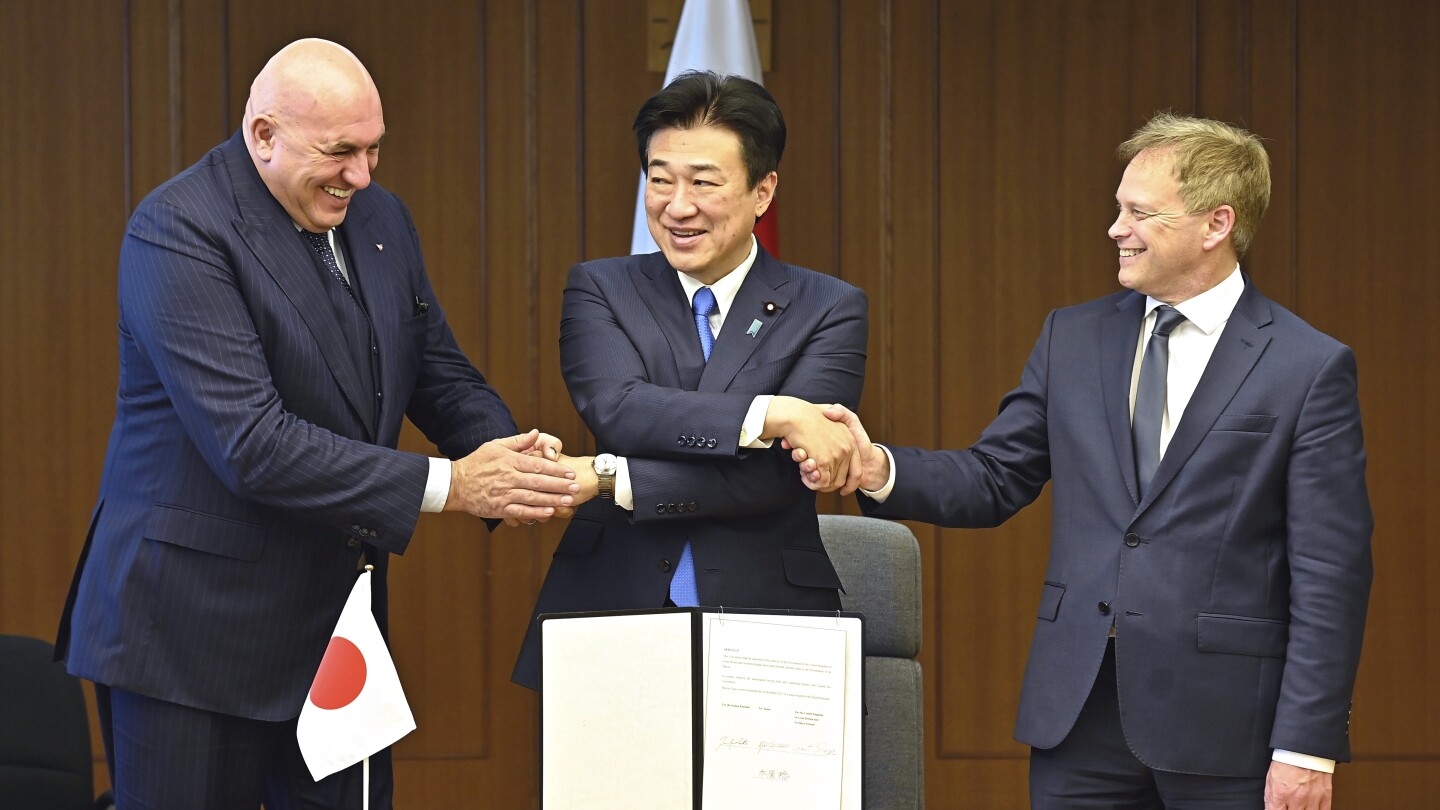
Japan's Cabinet approved a plan to sell future next-generation fighter jets developed with Britain and Italy to other countries, marking a significant departure from the country's postwar pacifist principles. The decision aims to bolster Japan's role in global security and build up its arms industry, but has sparked criticism and concerns about transparency and public approval. The move reflects Japan's evolving stance on arms exports amid rising regional tensions, particularly from China, and is part of efforts to replace its aging fleet of American-designed F-2 fighters.

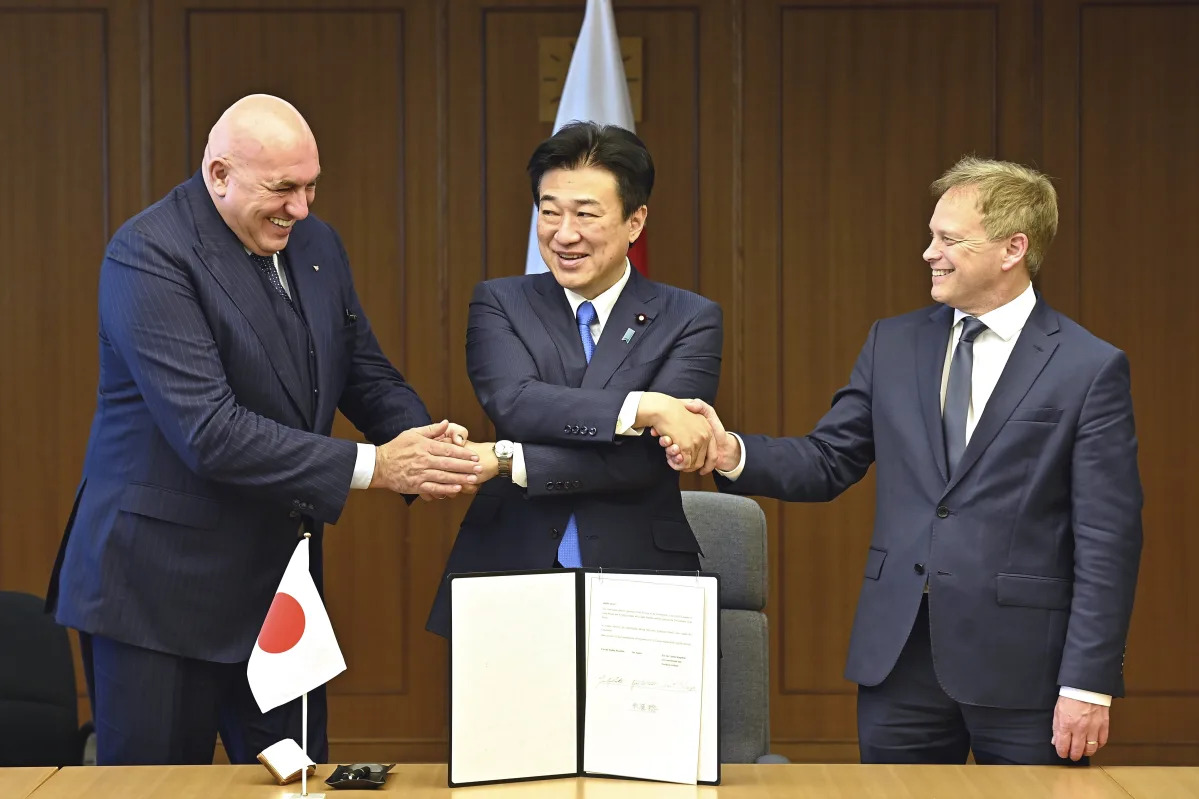
Japan's Cabinet approved a plan to sell future next-generation fighter jets developed with Britain and Italy to other countries, marking a significant departure from the country's postwar pacifist principles. The decision aims to secure Japan's role in the joint fighter jet project, build up its arms industry, and bolster its global security presence. This move comes as Japan seeks to replace its aging fleet of American-designed F-2 fighters and enhance its military capabilities amid rising regional tensions, particularly from China. The decision to allow international arms sales is expected to help defray development and manufacturing costs for the joint fighter jet project, but has faced criticism from opponents and a divided public opinion.

Japan's Cabinet approved a plan to sell future next-generation fighter jets developed with Britain and Italy to other countries, marking a significant departure from the country's postwar pacifist principles. The decision aims to bolster Japan's role in global security and build up its arms industry, but has sparked criticism and concerns about transparency and public approval. The move comes amid rising regional tensions, particularly from China, and is part of Japan's efforts to modernize its military capabilities.

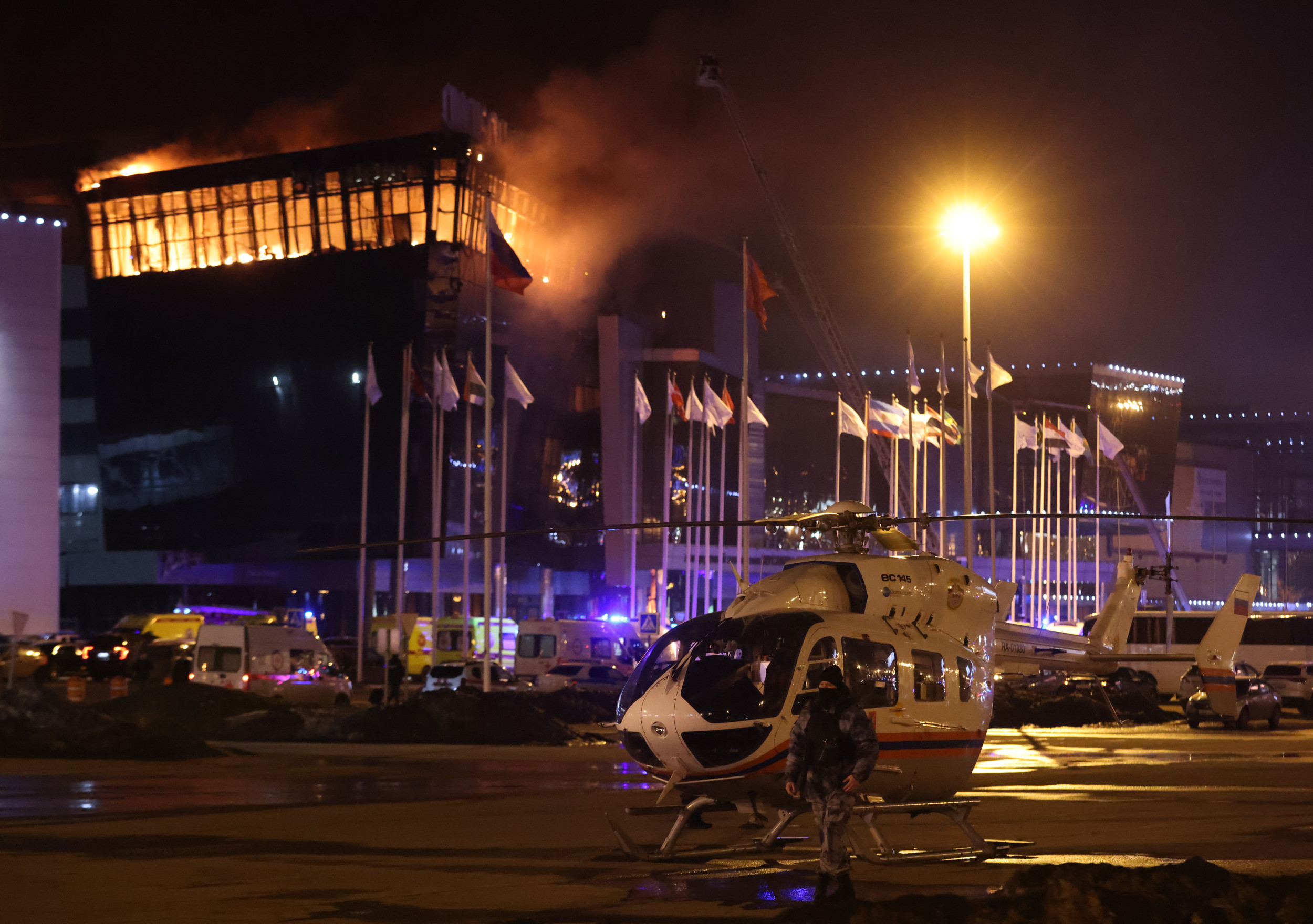
While the world's attention is focused on the war in the Gaza Strip, ISIS has been quietly ramping up operations globally, with recent attacks in Russia and a growing presence in Afghanistan. The group's Khorasan branch has been vocal about expanding its campaign beyond Afghanistan, targeting countries from France to China. ISIS-K's activities have exploited mistrust between neighboring countries, making it difficult for integrated security cooperation to counter the group effectively. Despite the fall of its territorial caliphate, ISIS retains the intent and capabilities to carry out attacks on a significant scale, posing a significant threat to international security.

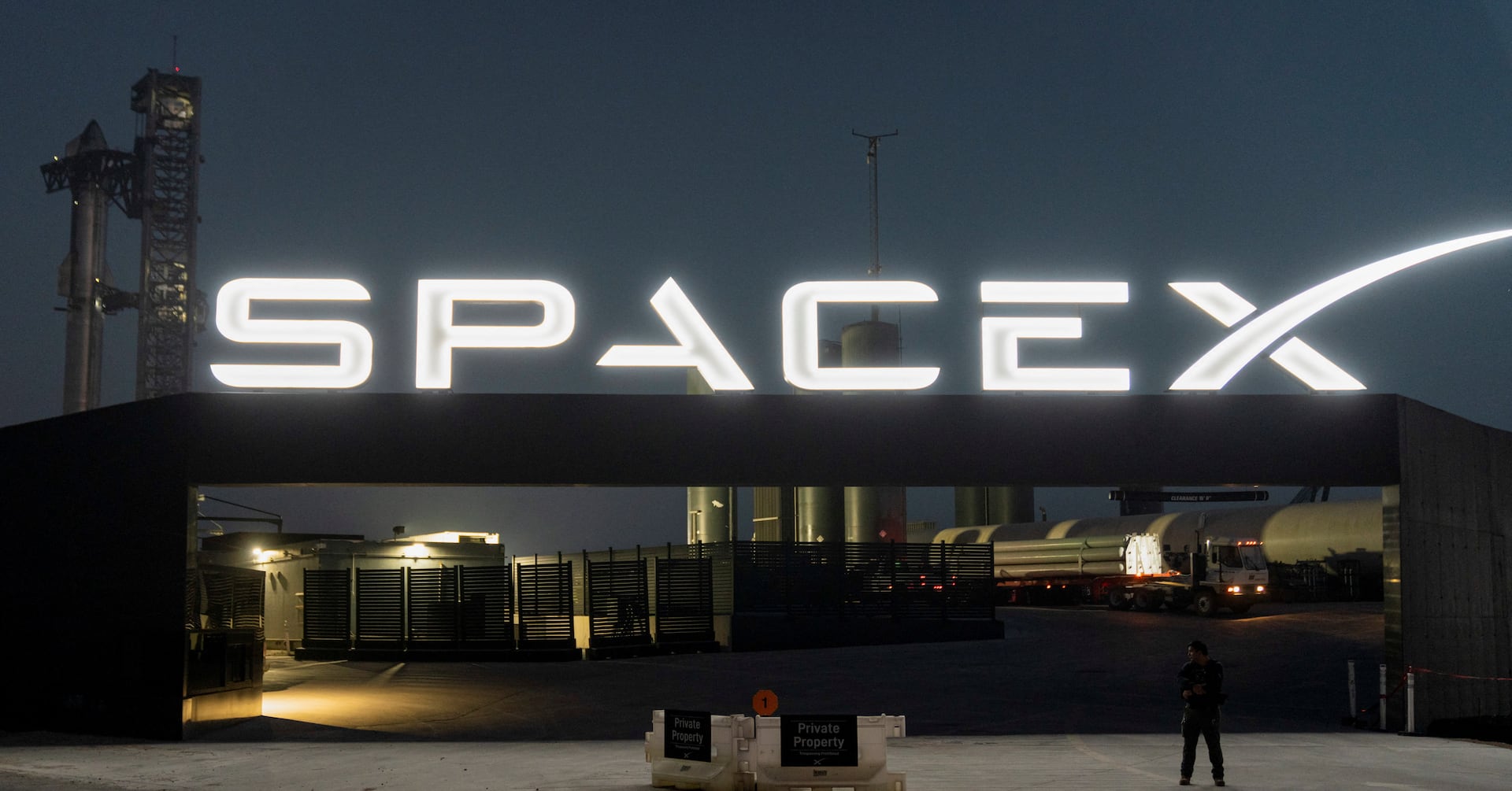
Chinese military and state media criticized the United States for its SpaceX spy satellite program, accusing it of threatening global security and exhibiting double standards. The program, developed under a $1.8 billion contract with the National Reconnaissance Office, has sparked concerns in China about potential security threats. The U.S. has been urged to refrain from aiding what China perceives as malevolent actions, while the NRO declined to comment on the extent of SpaceX's involvement. This development comes amid escalating tensions between the two countries in the realm of space technology and surveillance.

Chinese military and state media criticized the United States for its SpaceX spy satellite program, accusing it of threatening global security and displaying double standards. The program, developed under a $1.8 billion contract with the National Reconnaissance Office, has sparked concerns in China about potential security threats. The Chinese military urged U.S. companies not to assist in such endeavors, while Chinese researchers have studied the risks posed by SpaceX's satellite network. SpaceX and U.S. authorities have not commented on China's reaction.