Tory Bruno, former ULA CEO, has joined Blue Origin as president of its newly formed National Security Group, bringing extensive experience in space launch and defense systems to help Blue Origin compete for national security satellite launches and expand its role in space defense.
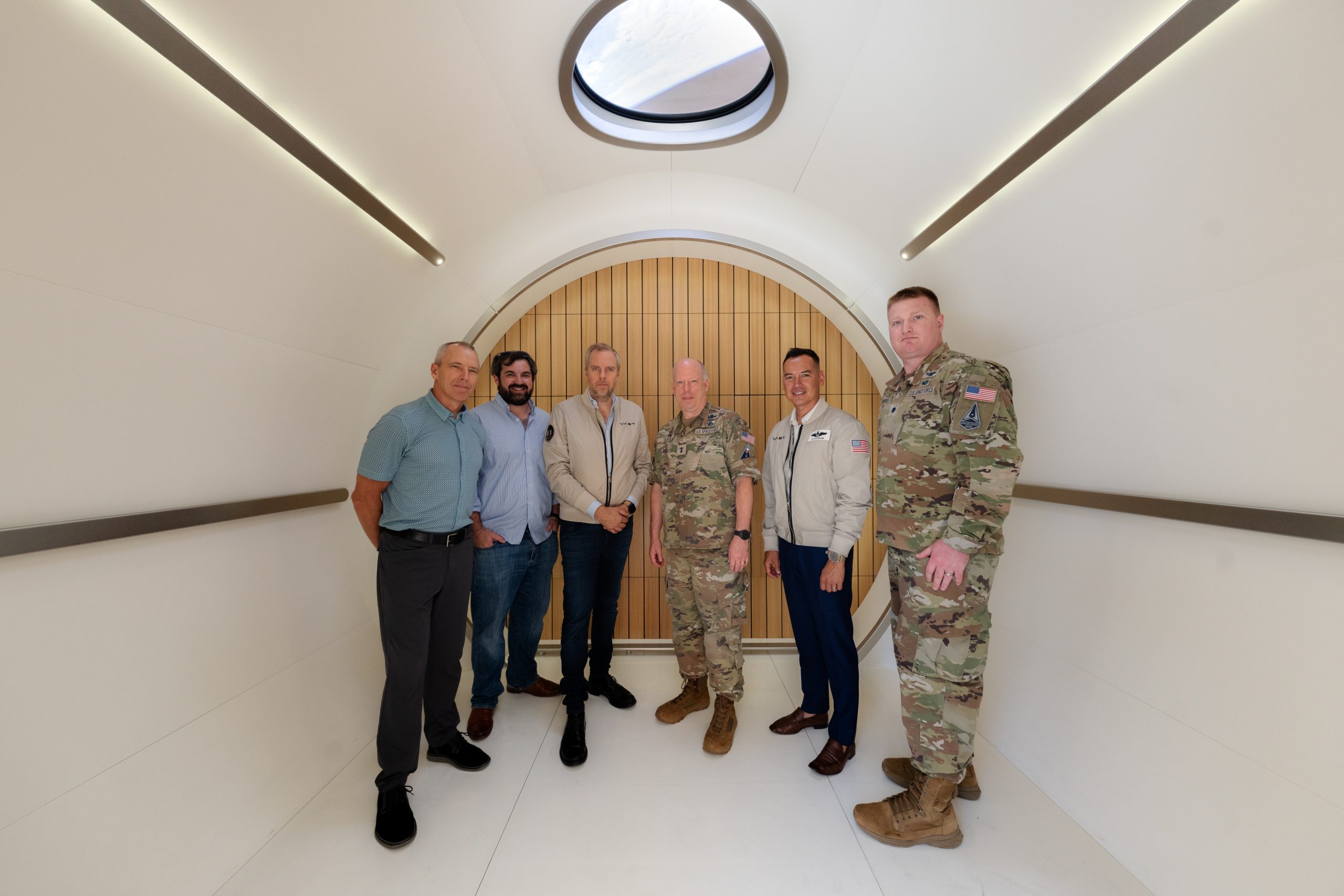
In-Q-Tel, a U.S. national security venture fund, invested in Vast, a company developing commercial space stations, primarily for market insight rather than immediate military use. The investment aims to understand market evolution and potential U.S. government support, with possible future collaborations with the Space Force and opportunities for military personnel in space. The move reflects growing interest in commercial space infrastructure, with strategic implications for national security and space deterrence.
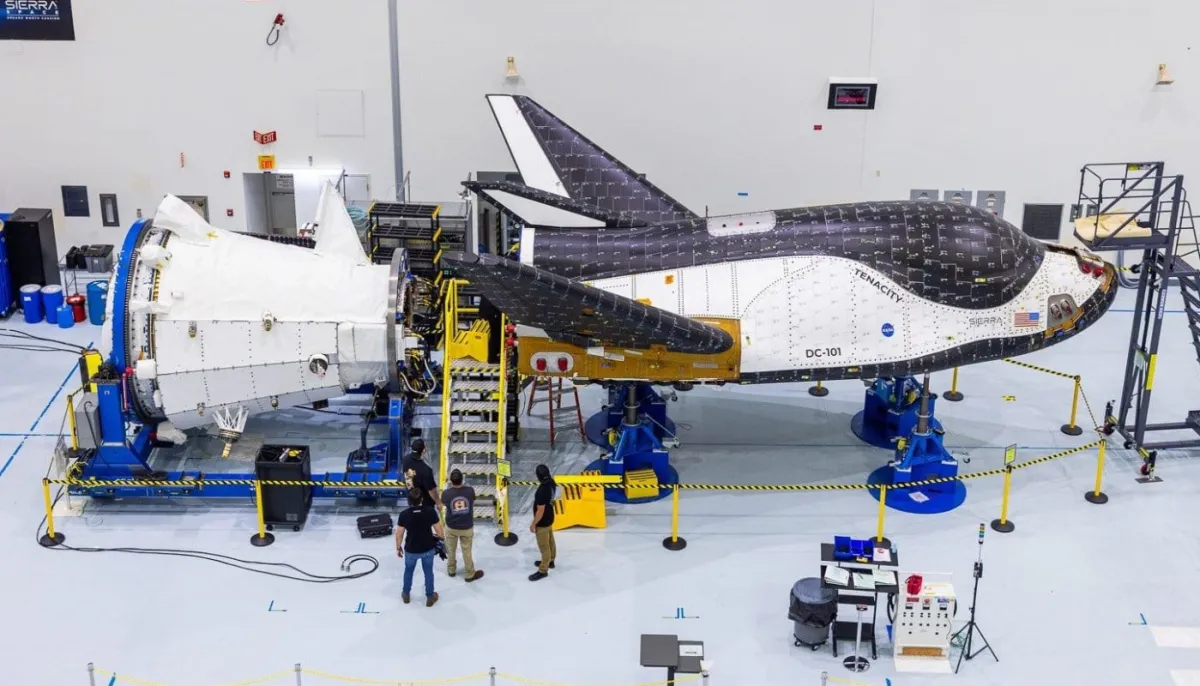
Sierra Space's Dream Chaser spaceplane, initially designed for ISS cargo resupply, faces a major shift after NASA removed its guaranteed purchase contract, leading the company to pivot towards defense and commercial markets with a free-flying demonstration planned for late 2026.
The United States Space Force is planning a military exercise in orbit called Victus Haze, involving two spacecraft and two rocket launches from different spaceports, to prepare for rapid operations in response to on-orbit aggression. The mission, valued at approximately $92 million, aims to leverage the commercial space industry's innovations and demonstrate the ability to counter irresponsible behavior in space, particularly from adversaries like China. The exercise will involve a demonstration of satellite rendezvous and will test the ability to respond to maneuvering objects in low-Earth orbit with limited space domain awareness capabilities.
The U.S. Space Force is teaming up with Rocket Lab and True Anomaly to conduct a demonstration mission, named Victus Haze, to simulate responses to potential threats in Earth's orbit. Scheduled for 2025, the mission aims to test scenarios such as satellite interference and espionage. This initiative reflects the Space Force's focus on countering threats in space, particularly from adversaries like China, and underscores its role in safeguarding American interests in space.
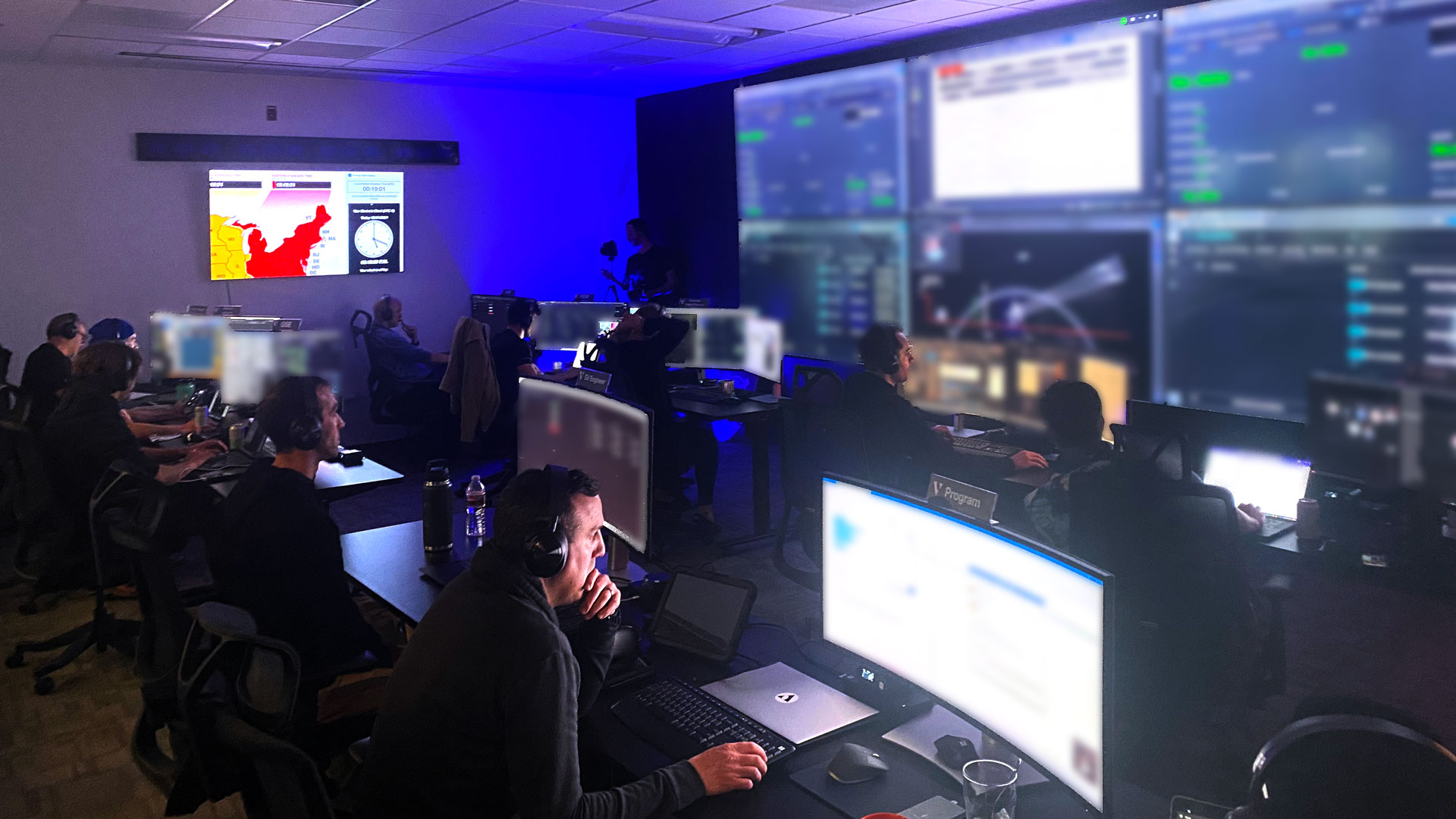
Rocket Lab and True Anomaly have been awarded contracts by the U.S. Space Force to launch the "tactically responsive" Victus Haze mission, aimed at testing and refining the military's capabilities for rapidly deploying satellites in response to space threats. Rocket Lab will design, build, and operate a spacecraft for the mission, while True Anomaly will provide a command and control center. The project, funded by the Defense Innovation Unit and Space Force's technology arm, is part of a broader effort to develop more agile space systems for military operations.
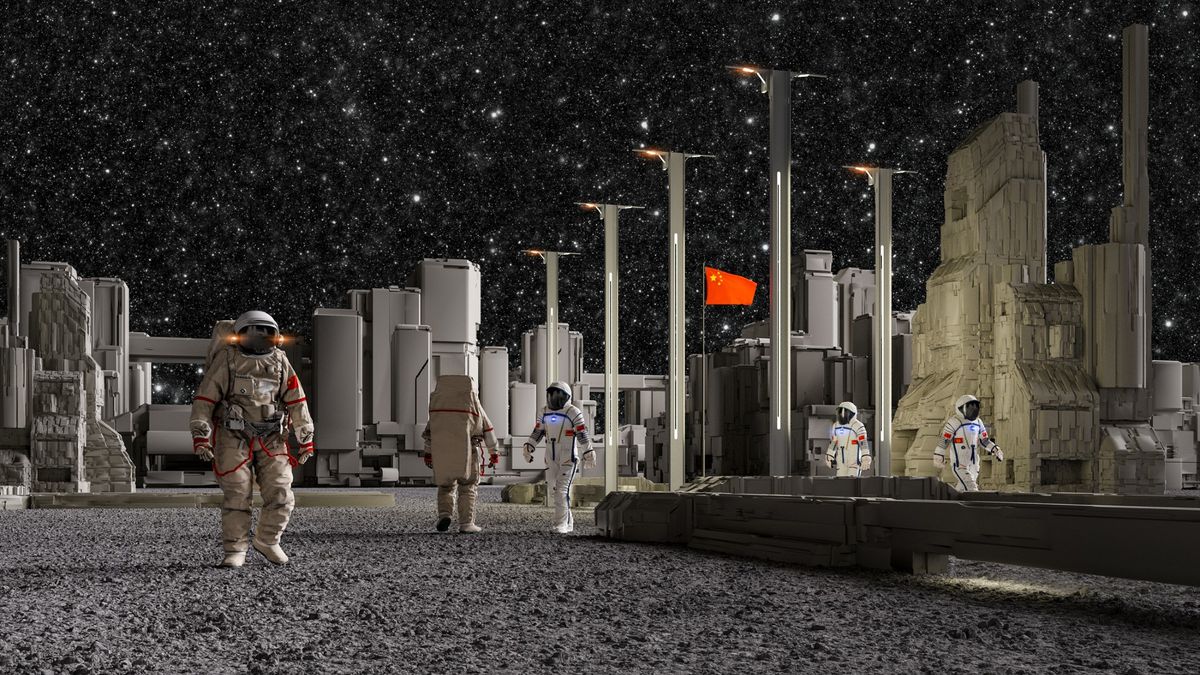
U.S. officials warn that China is rapidly advancing its space capabilities, tripling its on-orbit intelligence, surveillance, and reconnaissance satellites since 2018 and building a "kill web" over the Pacific Ocean to target U.S. and allied military capabilities. China has also developed counterspace weapons and demonstrated anti-satellite weapon technology. The U.S. acknowledges the challenge to its leadership in space and emphasizes the need for innovation and resilience in space technology to counter this threat, while emphasizing that war in space is not inevitable and would be detrimental to the United States and its allies.
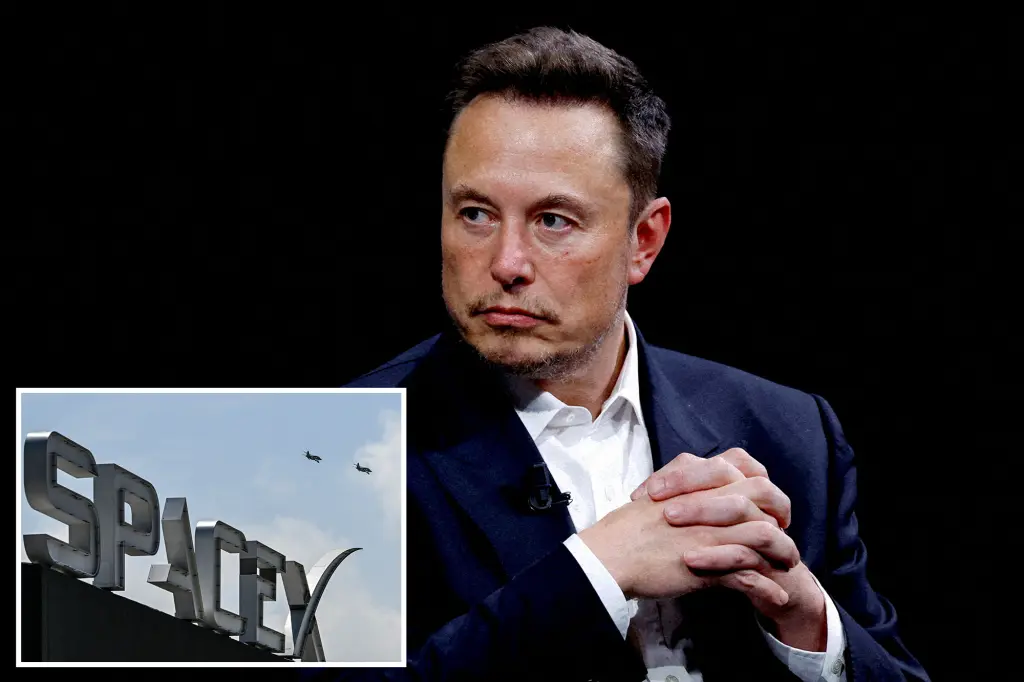
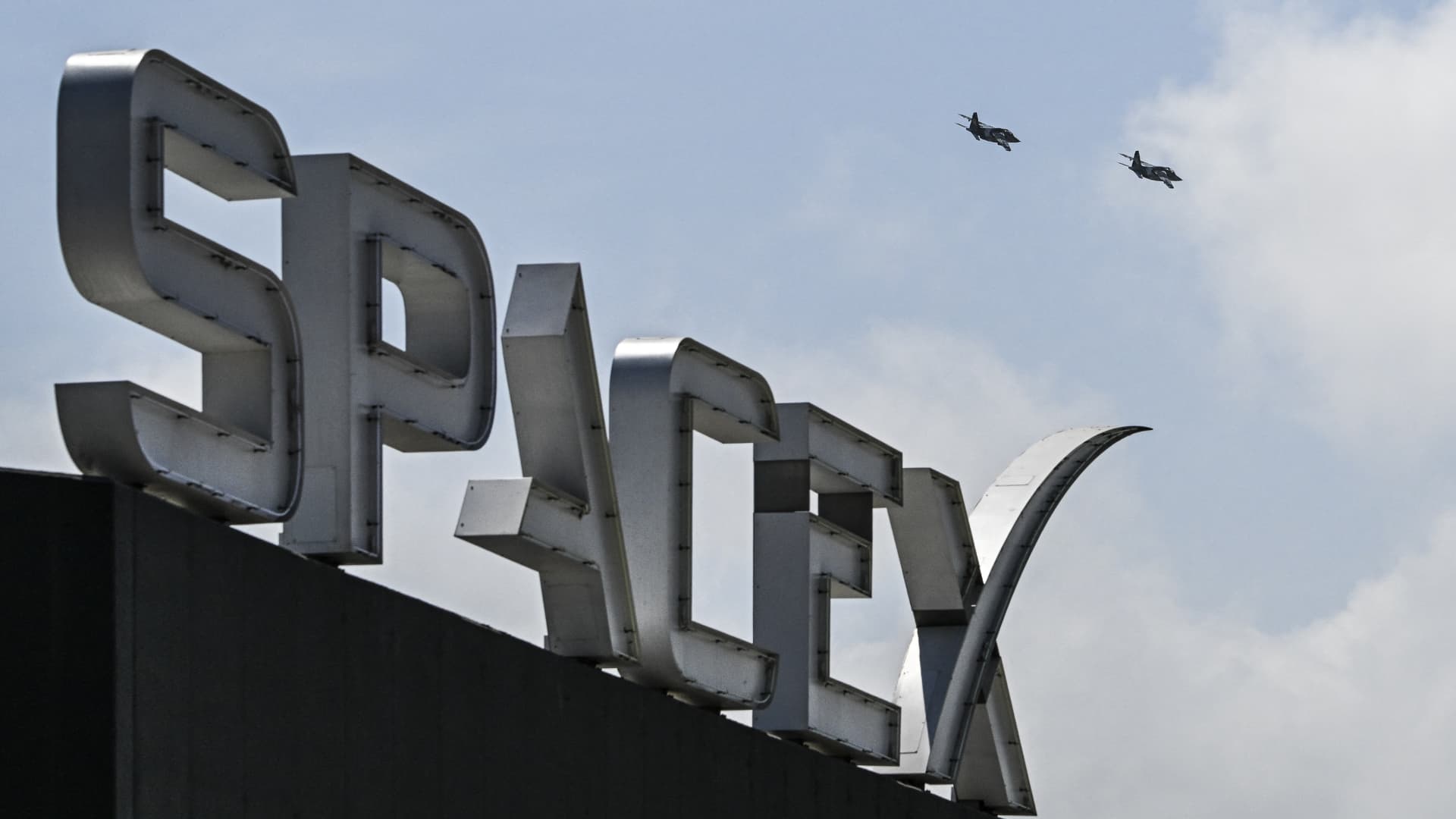
SpaceX is reportedly developing a network of spy satellites under a $1.8 billion contract with the US National Reconnaissance Office, aiming to provide persistent, pervasive, and rapid coverage of Earth's activities. The program, led by Elon Musk's company, could significantly enhance the US government and military's ability to detect targets globally. This initiative reflects a growing trust between SpaceX and national security agencies, despite past tensions. The development of the Starshield network aligns with the US's efforts to compete in space military dominance, amid similar pursuits by China and concerns about Russian space weapons.
SpaceX is reportedly constructing a network of spy satellites for the U.S. National Reconnaissance Office under a $1.8 billion contract, aiming to significantly enhance the government's ability to monitor potential targets globally. The program, operated by SpaceX's Starshield unit, involves the deployment of hundreds of Earth-imaging satellites in low orbits. This initiative underscores the deepening collaboration between Elon Musk's company and national security agencies, despite recent controversies. The project represents a strategic move in the intensifying competition for dominance in space, with the U.S. seeking to expand its military capabilities through advanced satellite systems.
Reports of Russia pursuing nuclear weapons in space have raised concerns about the vulnerability of U.S. satellites and the potential catastrophic impact on infrastructure. Both Russia and the U.S. have previously detonated nuclear warheads in space, causing widespread effects on satellites and electrical systems. Recent developments include Russia and China's efforts to weaponize space, such as deploying nesting doll satellites and testing anti-satellite systems. The establishment of the U.S. Space Force reflects the growing focus on space defense and the need to address evolving threats, including the possibility of nuclear weapons in space.
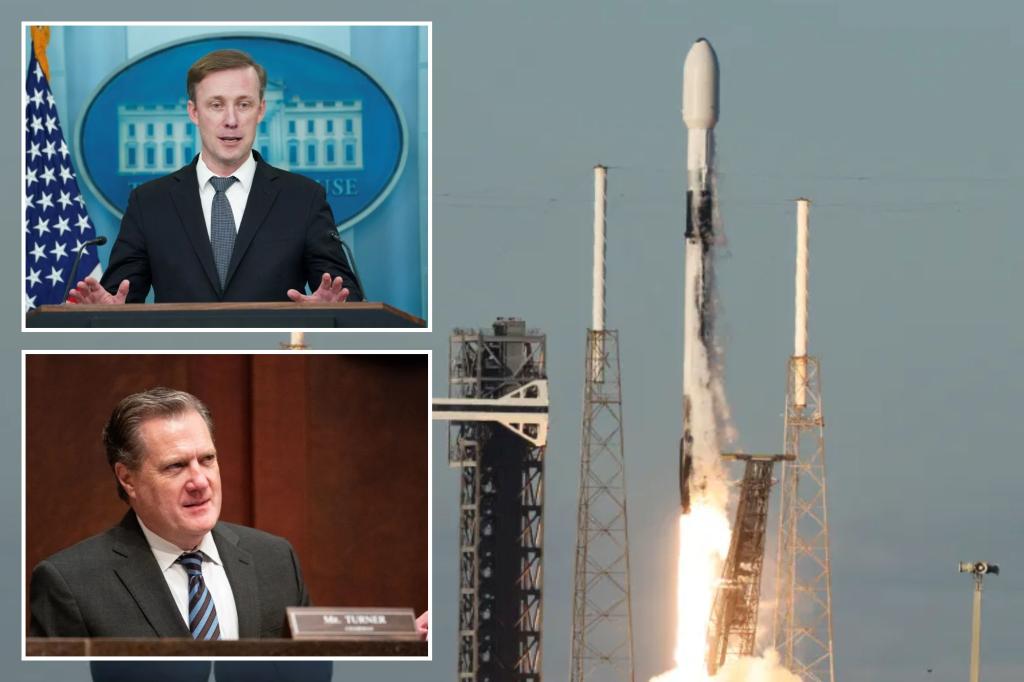
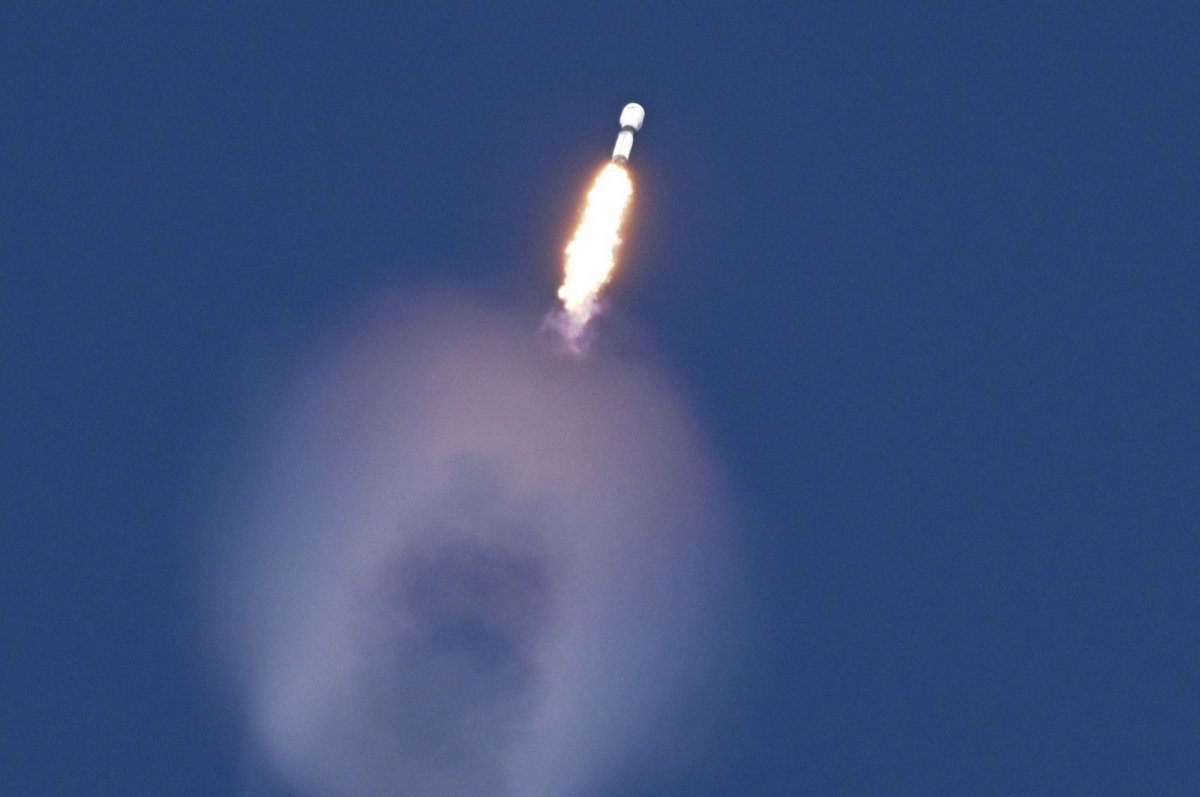
The US launched six satellites, including advanced missile tracking technology, a day after alarming intel revealed Russia's interest in deploying nuclear weapons in space to target Western satellites. The launch, conducted by SpaceX's Falcon 9 rocket in coordination with the Space Development Agency and the Missile Defense Agency, aims to bolster the US's ability to track advanced weapons, including hypersonic ones. Amid heightened concerns about Russia's growing nuclear capabilities, the House Intelligence Committee Chairman's cryptic threat against US national security and Russia's rumored space technology have raised alarm.
The US launched six satellites, including two from the Missile Defense Agency and four from the Space Development Agency, capable of detecting global missile launches into orbit, following concerns about Russia's space-based weapons capability. The satellites will detect hypersonic, ballistic, and other advanced threats earlier than terrestrial radars. House Intelligence Committee Chairman Mike Turner raised an alarm about a "serious national security threat" related to Russia's space capabilities, specifically its nuclear capabilities in space, which could potentially threaten US military communications and reconnaissance. White House National Security Adviser Jake Sullivan will discuss the Russian threat with members of Congress.
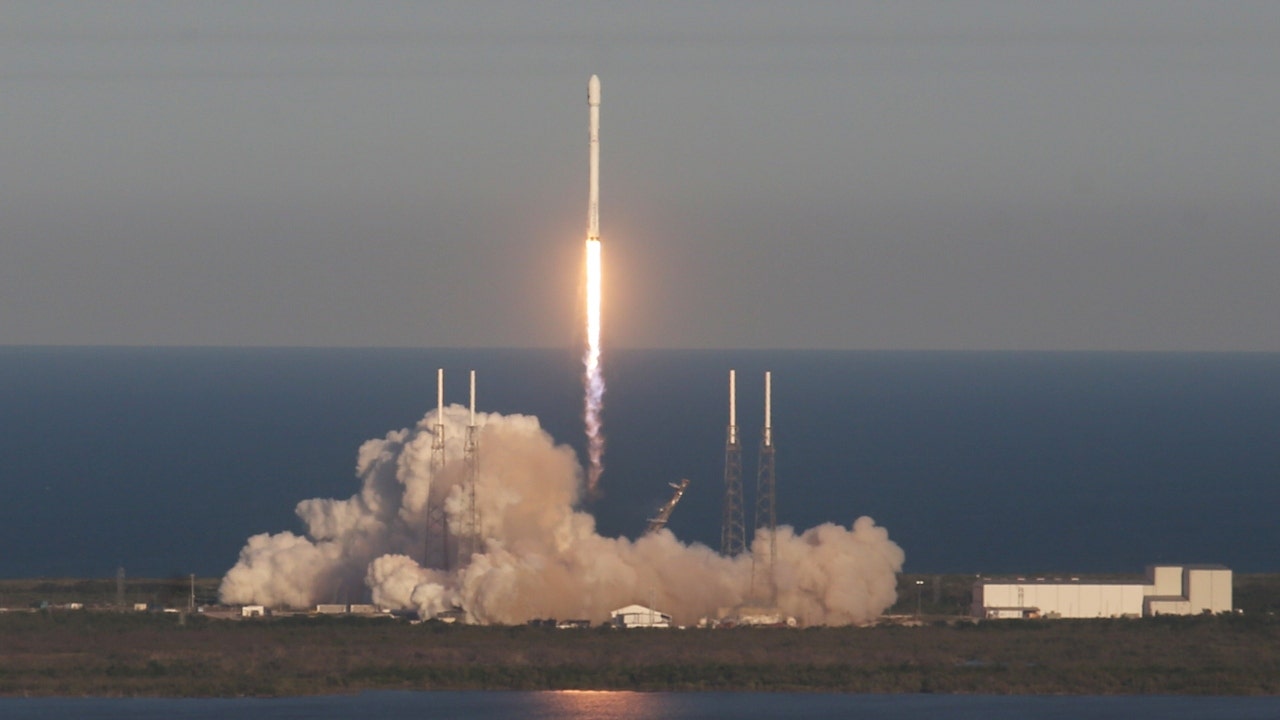
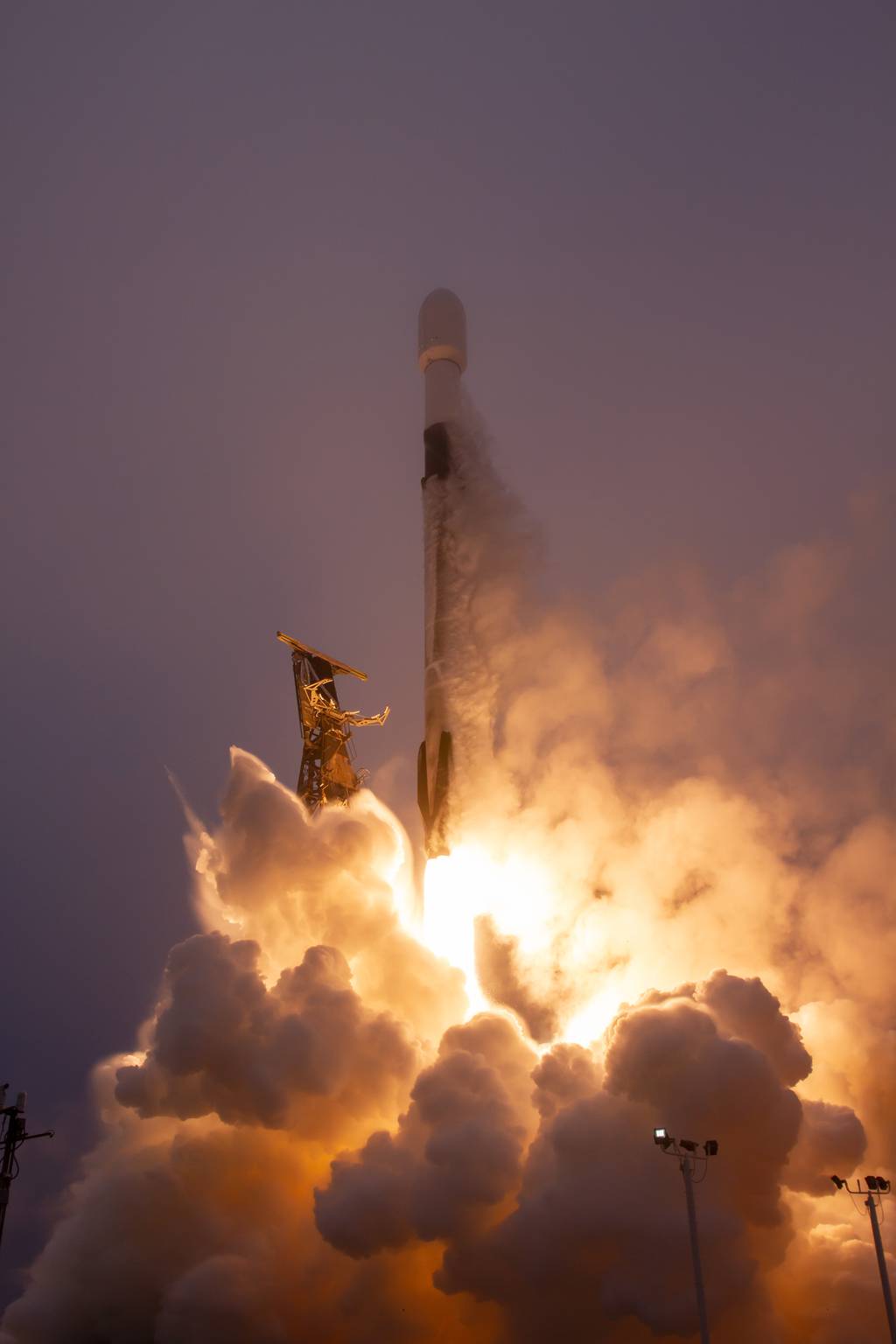
The U.S. military, in partnership with SpaceX, successfully launched six missile-defense satellites into low-Earth orbit from Cape Canaveral Space Force Station, aiming to enhance national defense against hypersonic missile threats. The satellites include two for the Missile Defense Agency's hypersonic and ballistic tracking space sensor satellite program and four for the Space Development Agency's proliferated warfighter space architecture program. This launch marks a significant advancement in the country's missile warning and defense capabilities, particularly in response to the rapid development of hypersonic technology by adversaries like China and Russia.
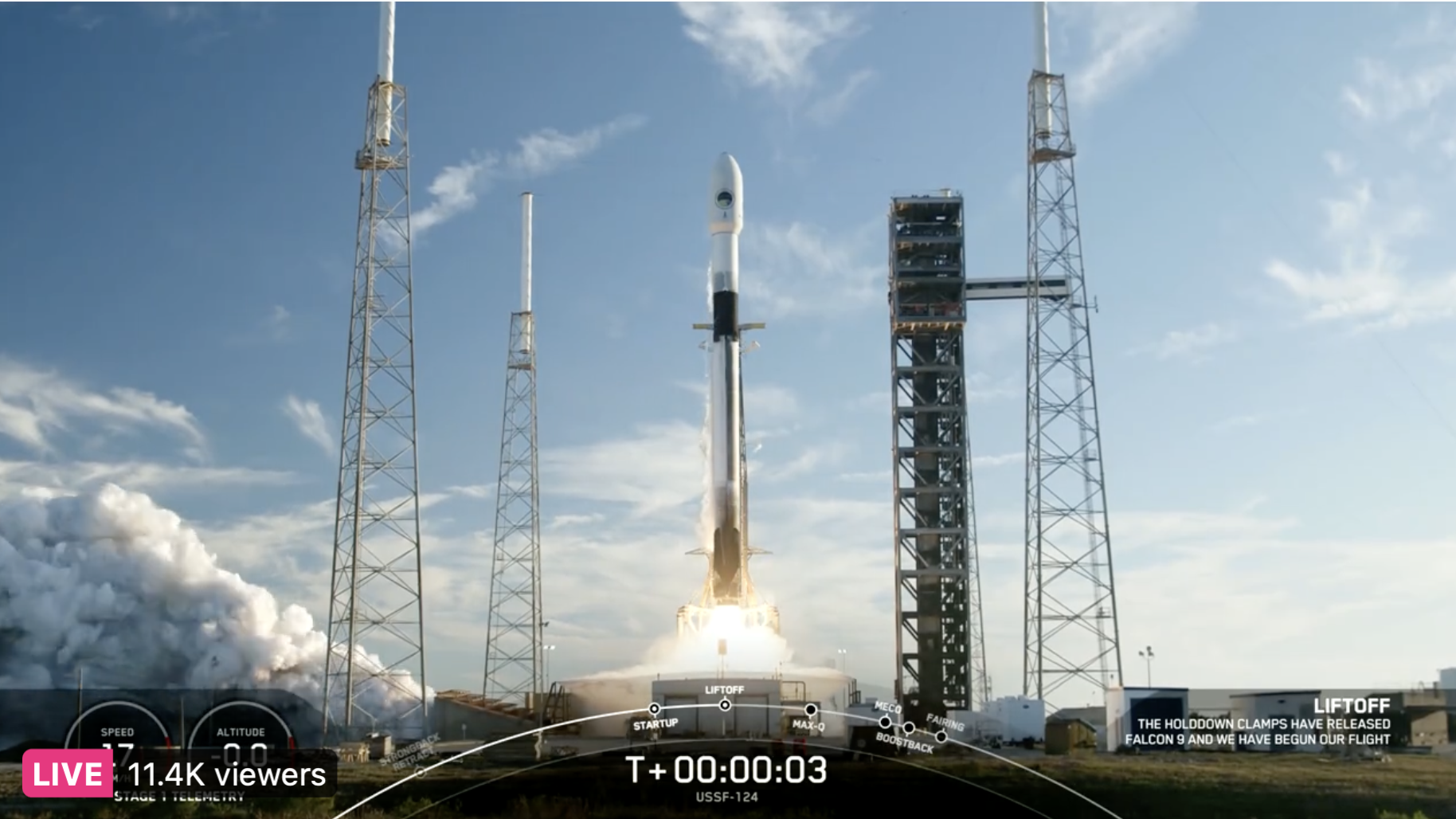
SpaceX successfully launched the USSF-124 mission, deploying six classified U.S. military satellites, including two for the Missile Defense Agency and four for the Space Development Agency. The satellites are part of programs aimed at tracking hypersonic and ballistic missiles, with L3Harris and Northrop Grumman providing the satellite payloads. This launch represents a significant milestone for L3Harris, marking its first prime contractor role in a missile-defense mission.
The Pentagon, in collaboration with SpaceX, has launched six satellites to enhance its missile tracking capabilities, with four satellites supporting the Space Development Agency's tracking constellation and two being part of the Missile Defense Agency's Hypersonic and Ballistic Tracking Space Sensor program. These satellites, residing in low Earth orbit, aim to detect and track traditional ballistic missiles and maneuvering hypersonic weapons, providing a more robust network to counter increasing threats from China and Russia. The Pentagon plans to invest nearly $16 billion in these efforts through fiscal 2028, with future tranches of SDA spacecraft combining capabilities and incorporating improved sensor technology.