A recent study endorses spinning as an effective exercise for managing hip osteoarthritis, showing it can reduce pain and improve function better than physiotherapy, with benefits lasting long-term. Spinning is a low-impact, inclusive workout that boosts cardiovascular health, burns calories, and can serve as a gateway to other fitness activities, making it a valuable and sustainable exercise option for all ages.
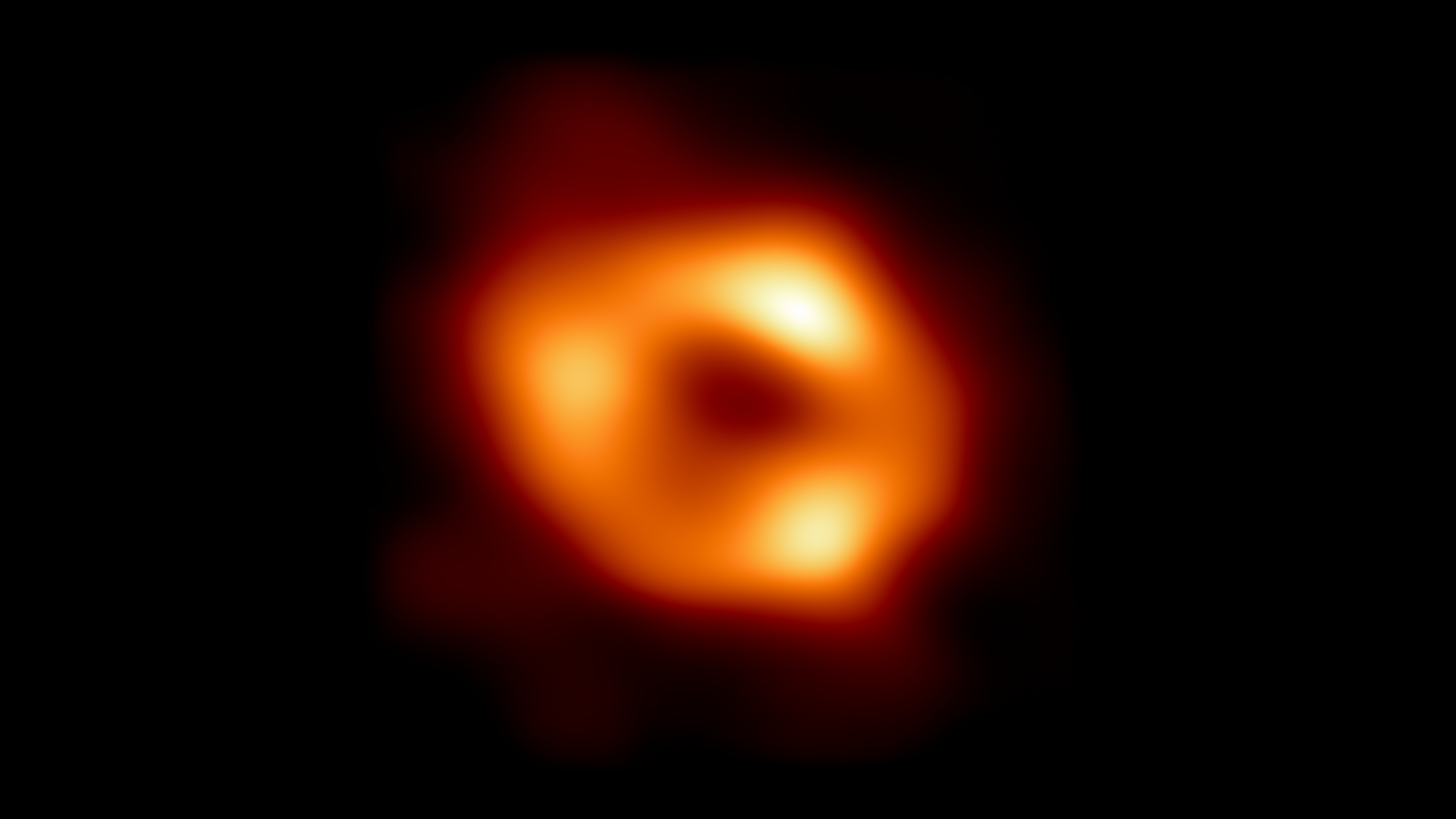
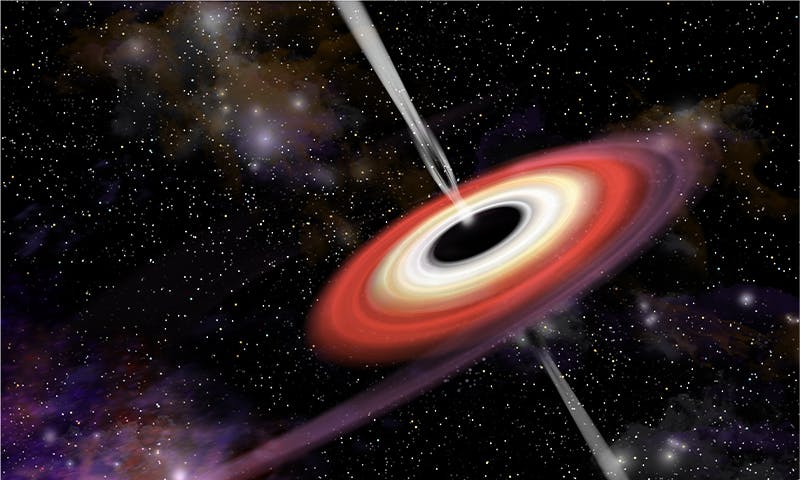
New research suggests that the supermassive black hole at the center of the Milky Way is spinning so fast that it's warping space-time, causing it to take on the shape of a football. Data from NASA's Chandra X-ray Observatory indicates that the black hole, known as Sgr A*, is spinning at 60 percent of its maximum possible speed, leading to far-reaching implications for our understanding of these massive cosmic objects and their impact on the universe.
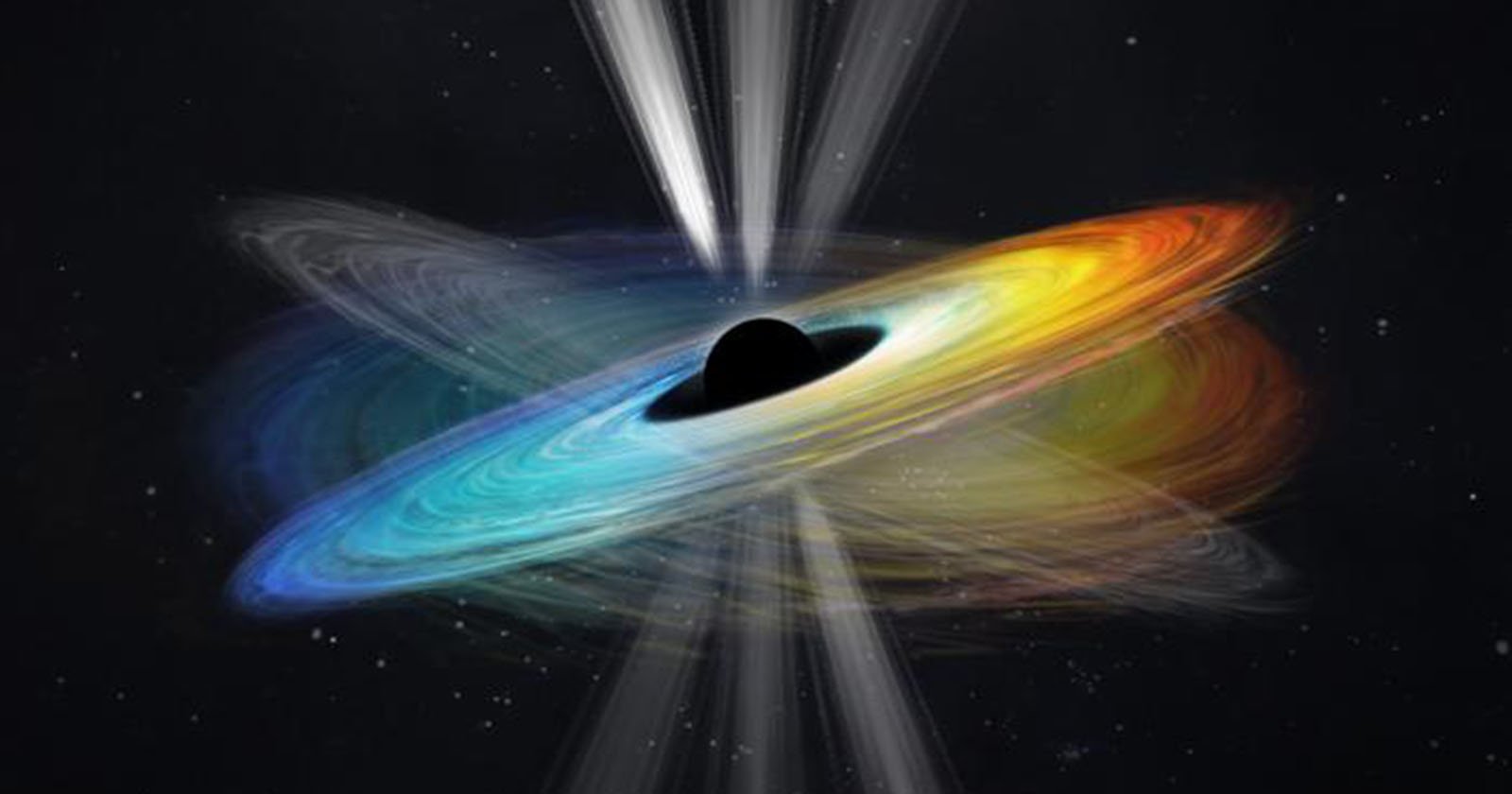
Scientists have observed a wobble in the jet of material being flung out from the center of the galaxy Messier 87, providing evidence that its supermassive black hole is spinning. By examining 22 years of data, researchers found that the innermost portion of the jet twirls around once every 11 years, indicating the rotation of the black hole. The wobbling of the accretion disk, which is connected to the jet, suggests that the plane of its spin is not entirely aligned with the black hole's spin. This finding sheds light on the growth and history of supermassive black holes.
Scientists have discovered "smoking gun evidence" that a supermassive black hole at the center of a nearby galaxy is spinning, confirming Albert Einstein's theories of general relativity. By stitching together images from observatories across the Earth, researchers observed the black hole's jet, which moves in a predictable 11-year cycle, providing evidence of its spin. This discovery not only confirms the existence of spinning black holes but also sheds light on the co-evolution of black holes and galaxies, as well as the structure of our universe.
Scientists have confirmed that the black hole at the center of the M87 galaxy, known as M87*, is spinning. Analyzing over two decades of observational data, the study links the motion of the jet base with the central supermassive black hole, providing evidence of its spin. This finding enhances our understanding of supermassive black holes and their accretion disk structures. However, there are still questions regarding the precise spin rate and the configuration of other black holes. M87* made history in 2019 as the first supermassive black hole ever photographed.
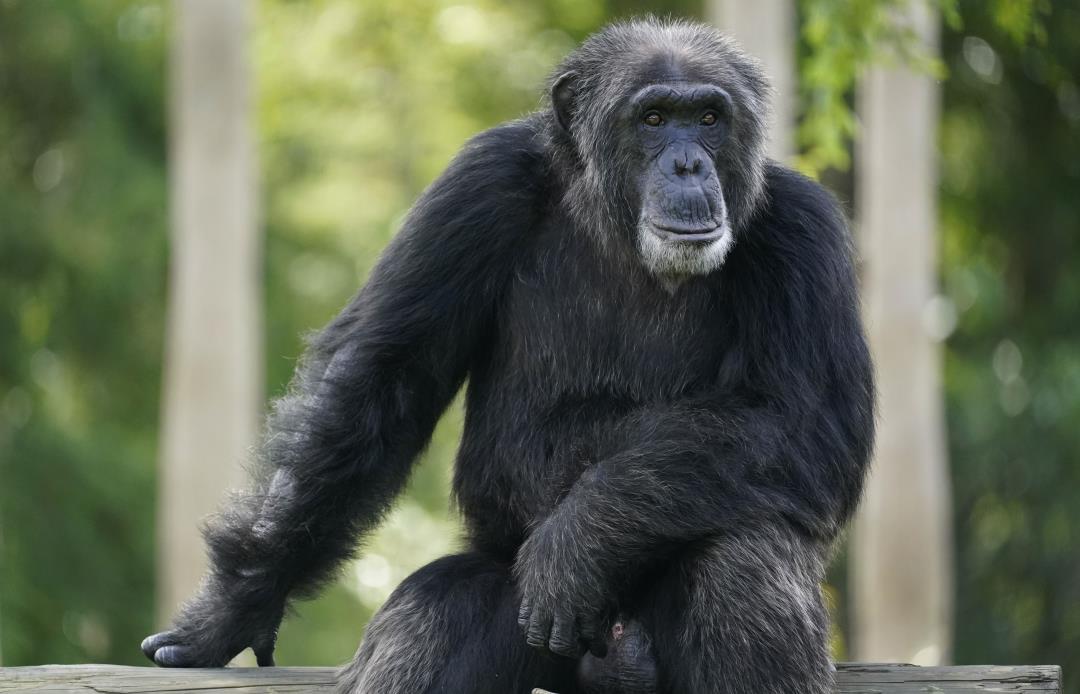
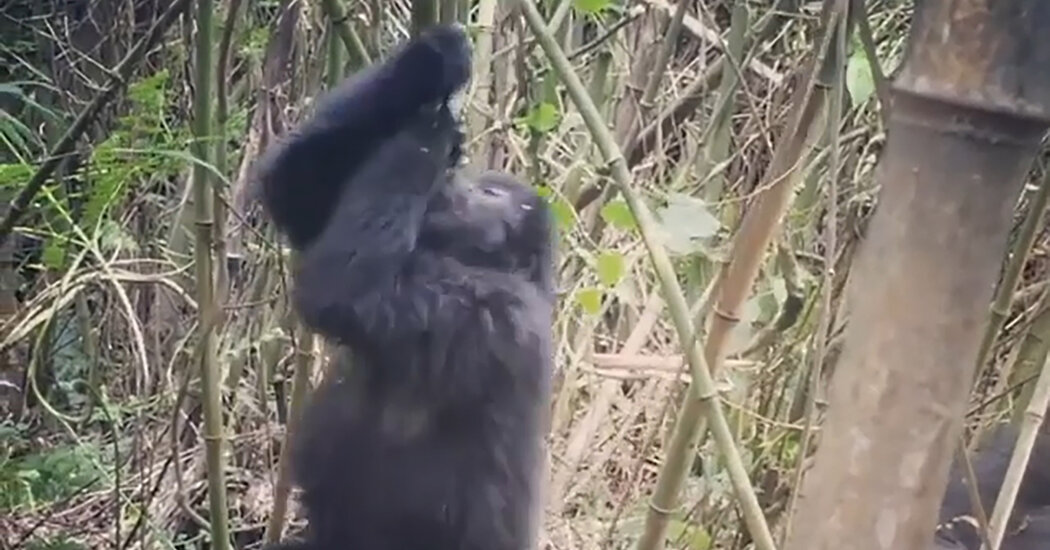
Researchers in the UK have found that great apes, including gorillas, chimpanzees, and orangutans, intentionally spin in circles to get dizzy, possibly due to a shared tendency to seek and delight in experiences that stimulate and alter their senses. The behavior may have come from our shared ancestors and could help explain why humans evolved a desire to get high. The spinning behavior may engender similar neurophysiological effects in nonhuman great apes.
Videos of captive and wild nonhuman primates show that they enjoy spinning in circles, possibly in pursuit of altered mental states. Researchers found evidence of great apes spinning on ropes or ropelike materials, with most spinning at an average rotation velocity of 1.43 revolutions per second. The longer an ape spun, the more likely it was to show signs of dizziness, such as letting go of the rope and immediately sitting or lying down. Apes tended to repeat the process of spinning and stopping, engaging in an average of three bouts of spinning per session. The animals also often made “play faces” while spinning, implying that they were most likely having fun rather than only seeking a way to relieve themselves of boredom in captivity.