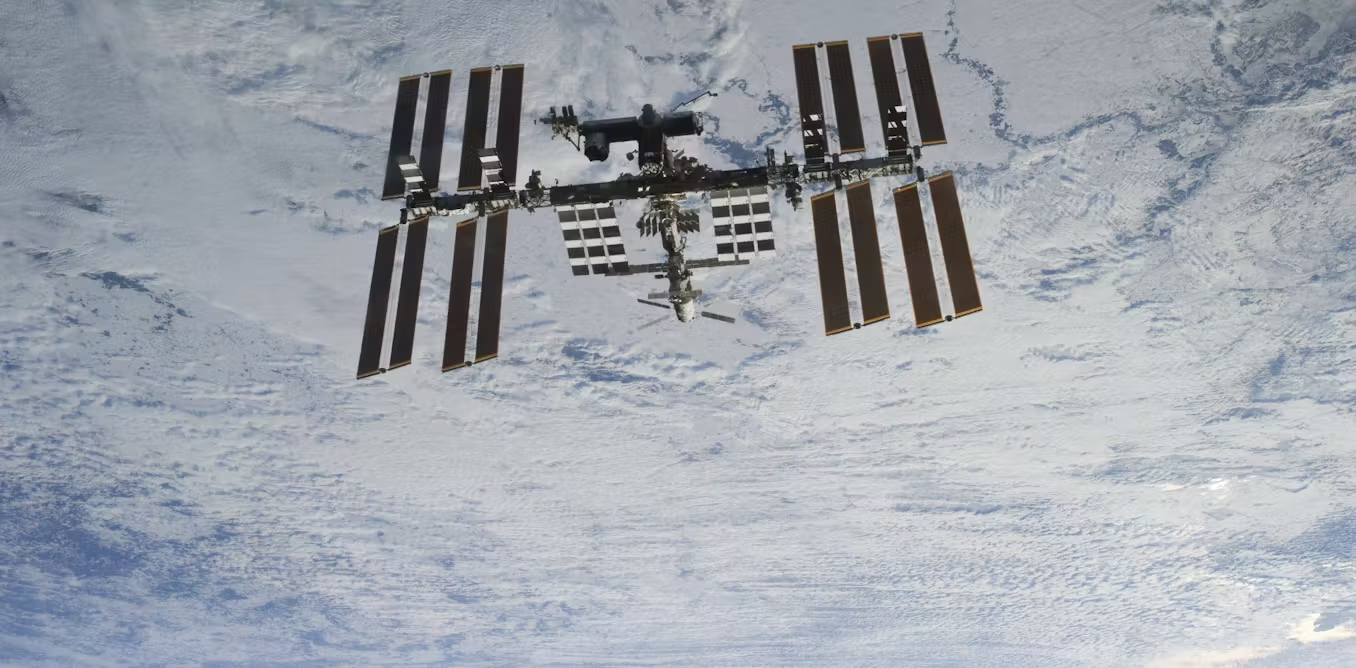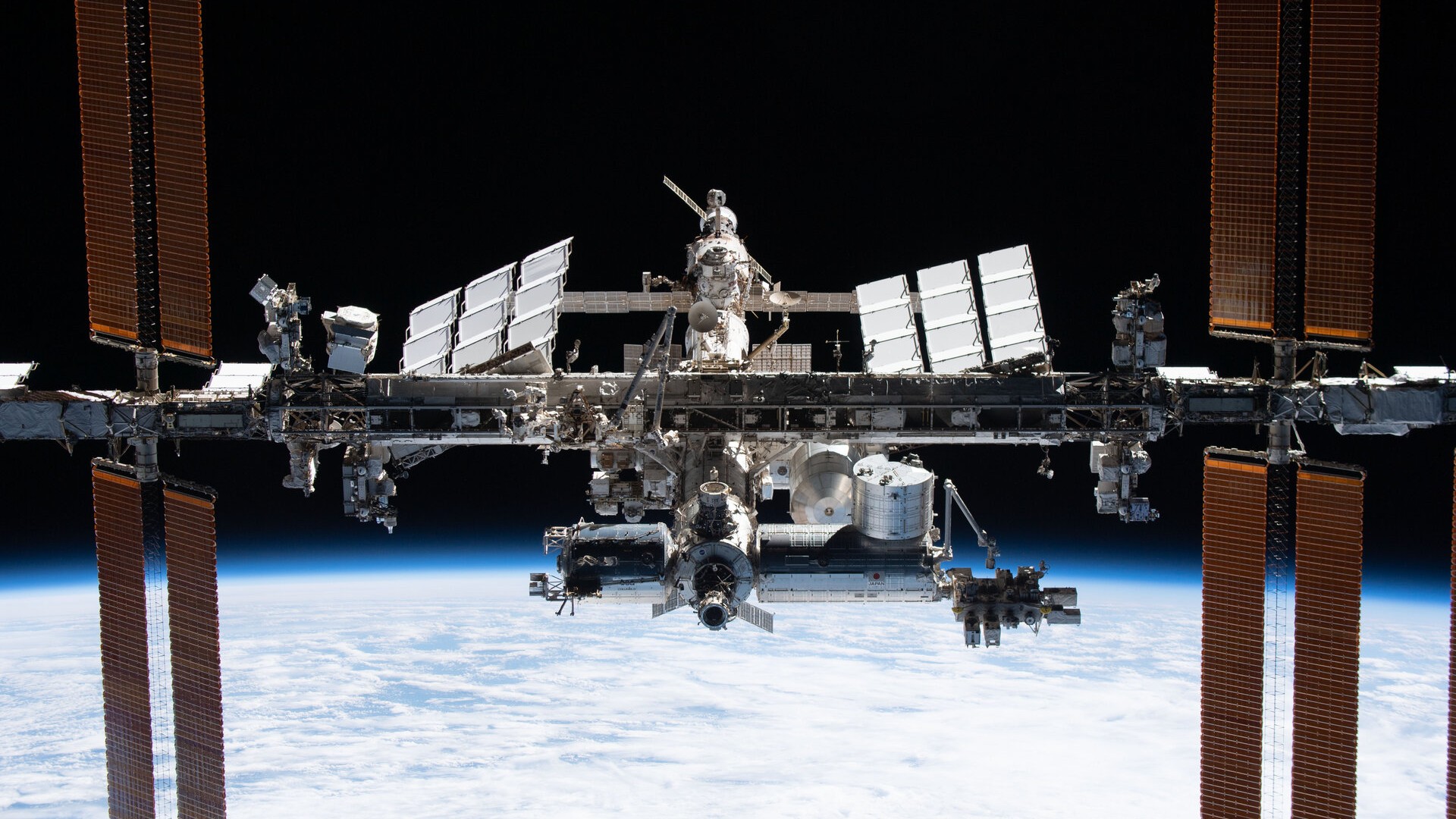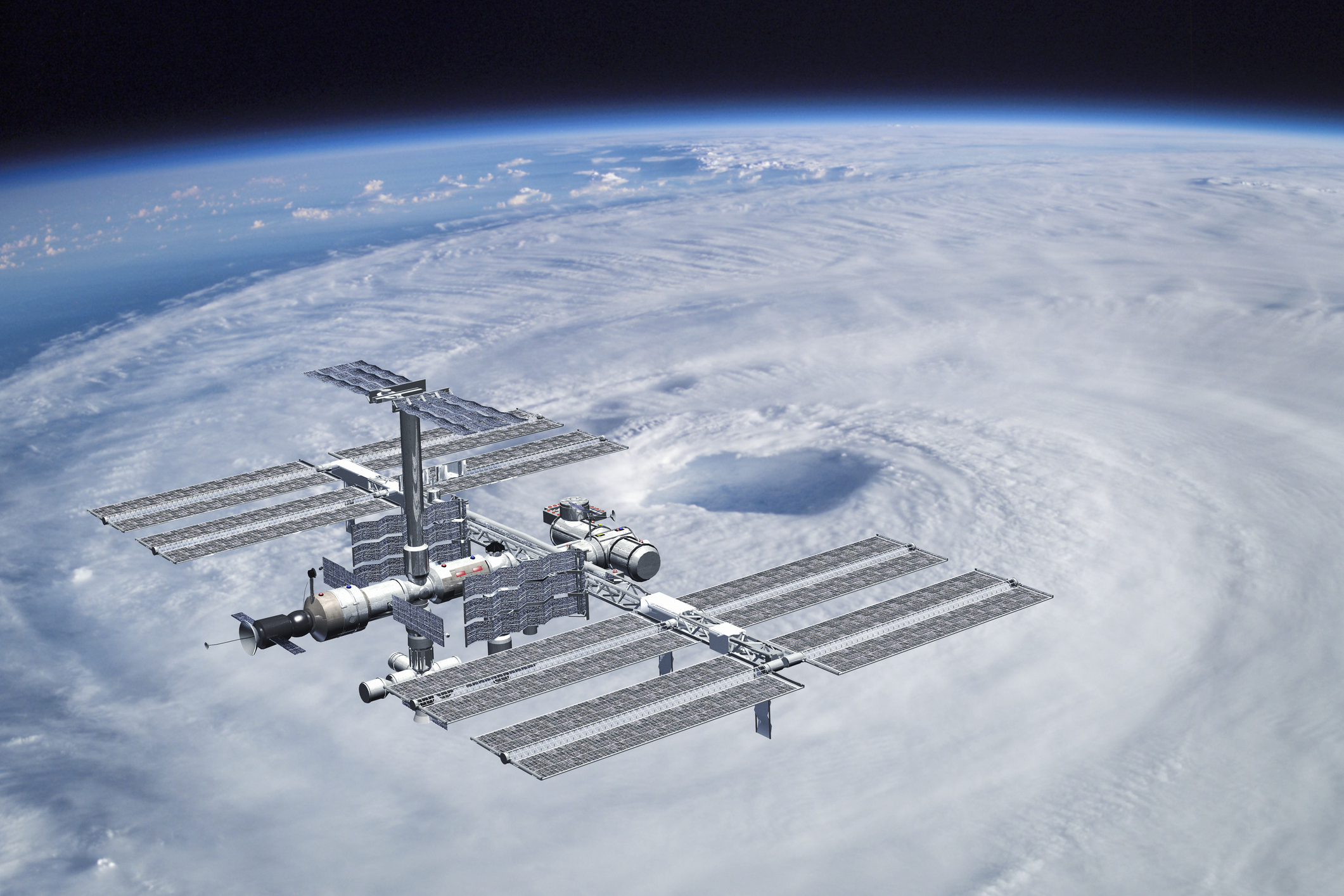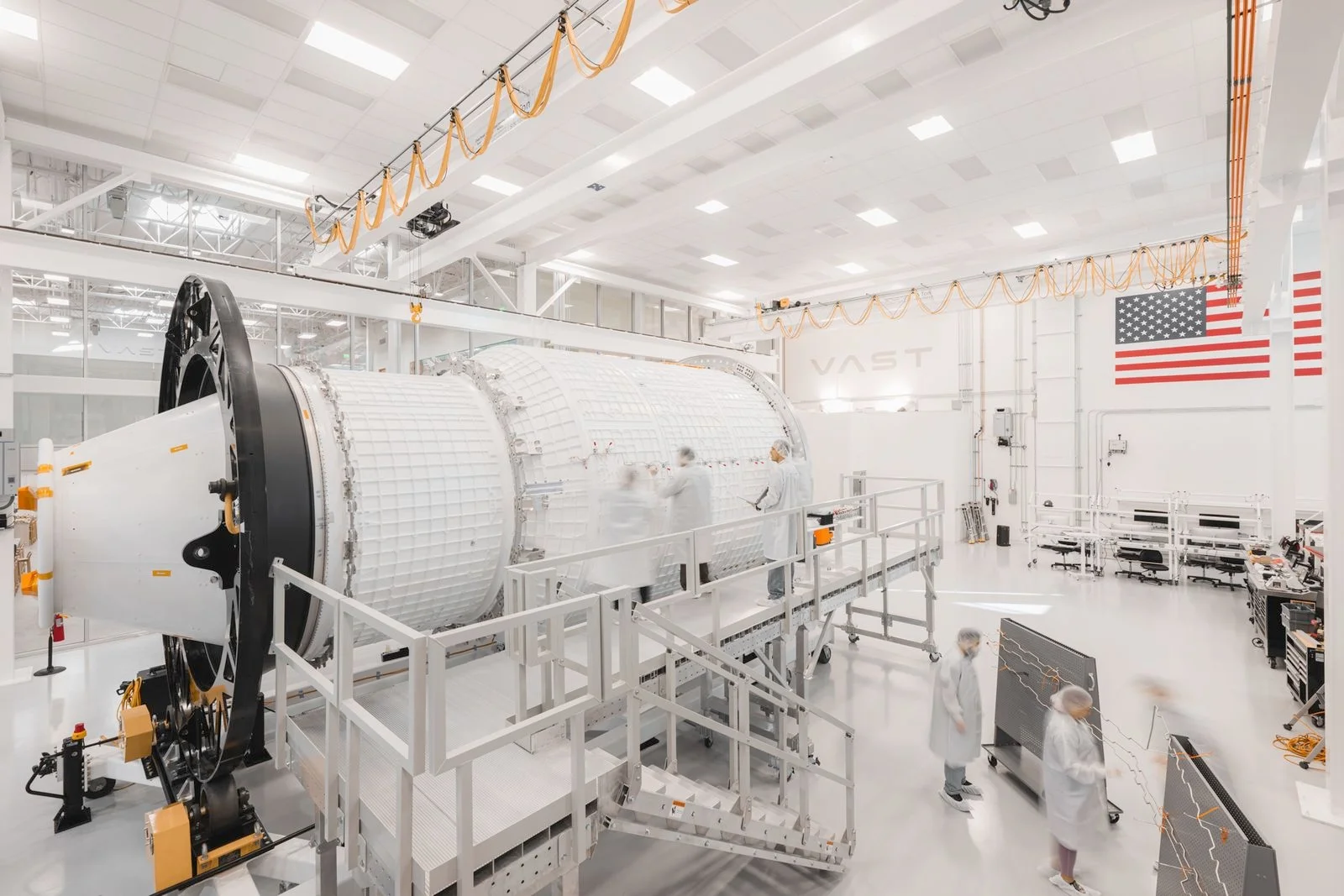
NASA plans to deorbit the International Space Station by 2030, ending a 25-year streak of continuous human presence in low-Earth orbit, and will transition to commercial space stations developed by private companies, while continuing space research and international collaboration.
NASA plans to deorbit the ISS in 2030 without a direct replacement, but is fostering private sector involvement through programs like Axiom Space, which aims to build a new commercial space station, potentially ensuring continued human presence in low Earth orbit beyond the ISS's retirement.
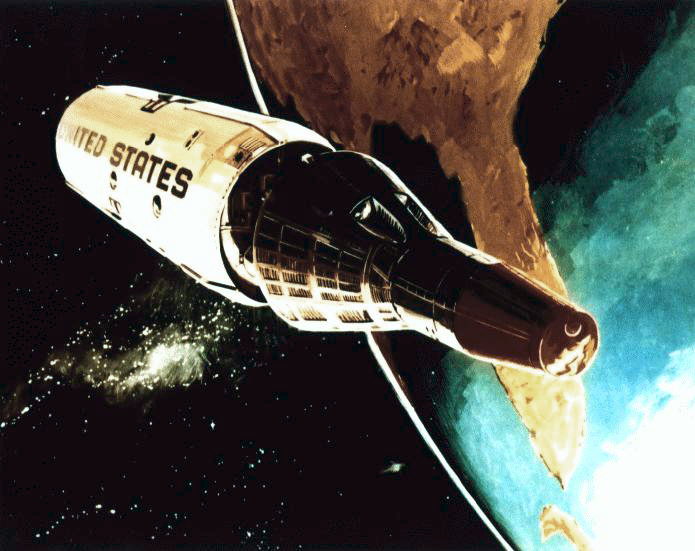
The article explores ambitious and innovative concepts for Project Gemini that were considered but never realized, including space station supply craft, lunar landing, and rescue missions, offering a fascinating glimpse into an alternate path of space exploration history.
NASA is overhauling its plans to replace the ISS with a privately-operated station, lowering capability requirements and shifting to a less expensive, more flexible approach due to budget constraints, aiming for a more achievable timeline and increased commercial partnerships.
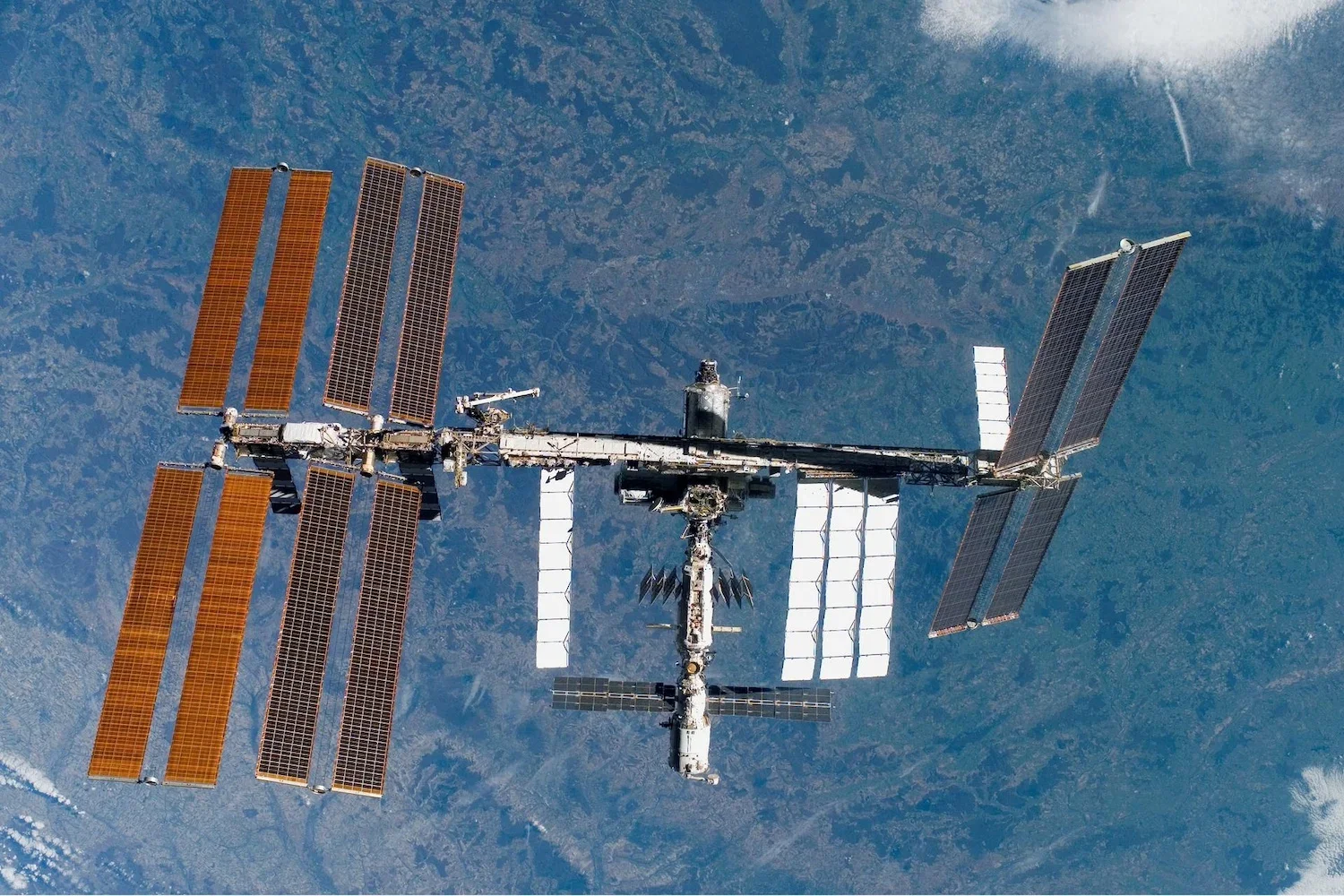
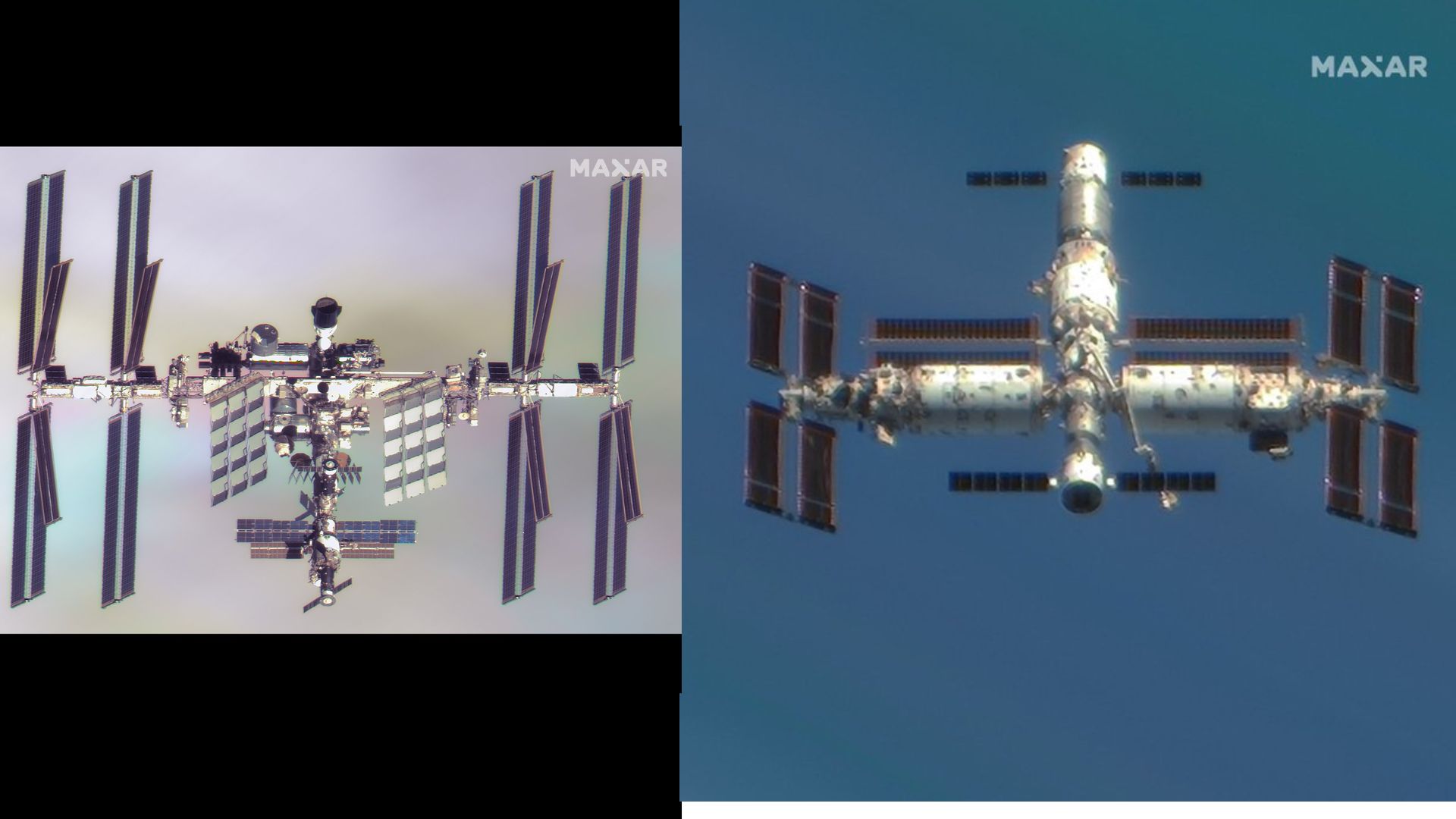
The article compares the International Space Station and China's Tiangong Space Station, highlighting their features, purpose, and the impressive ability of Maxar Technologies' satellites to capture detailed images of these fast-moving structures from space.
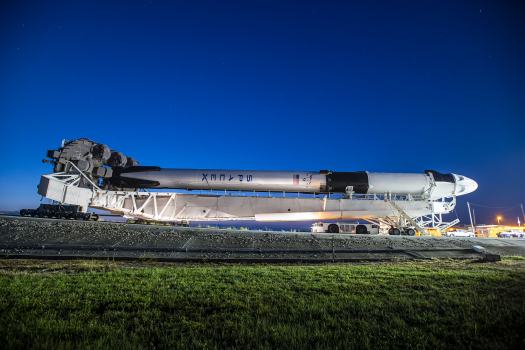
NASA has awarded SpaceX an $843 million contract to safely deorbit the International Space Station by 2030. SpaceX is also involved in launching new space stations for various companies, ensuring continued low-Earth-orbit research. While SpaceX is not publicly traded, its involvement boosts the value of other companies like Airbus, which is part of the Starlab team.
The International Space Station (ISS), a symbol of international cooperation and human exploration, will be decommissioned by 2030. Future space stations will be privately owned, with NASA as a key customer. This shift marks the end of an era of government-led space collaboration, raising concerns about the loss of continuous human presence in space and the unique international partnerships the ISS fostered.
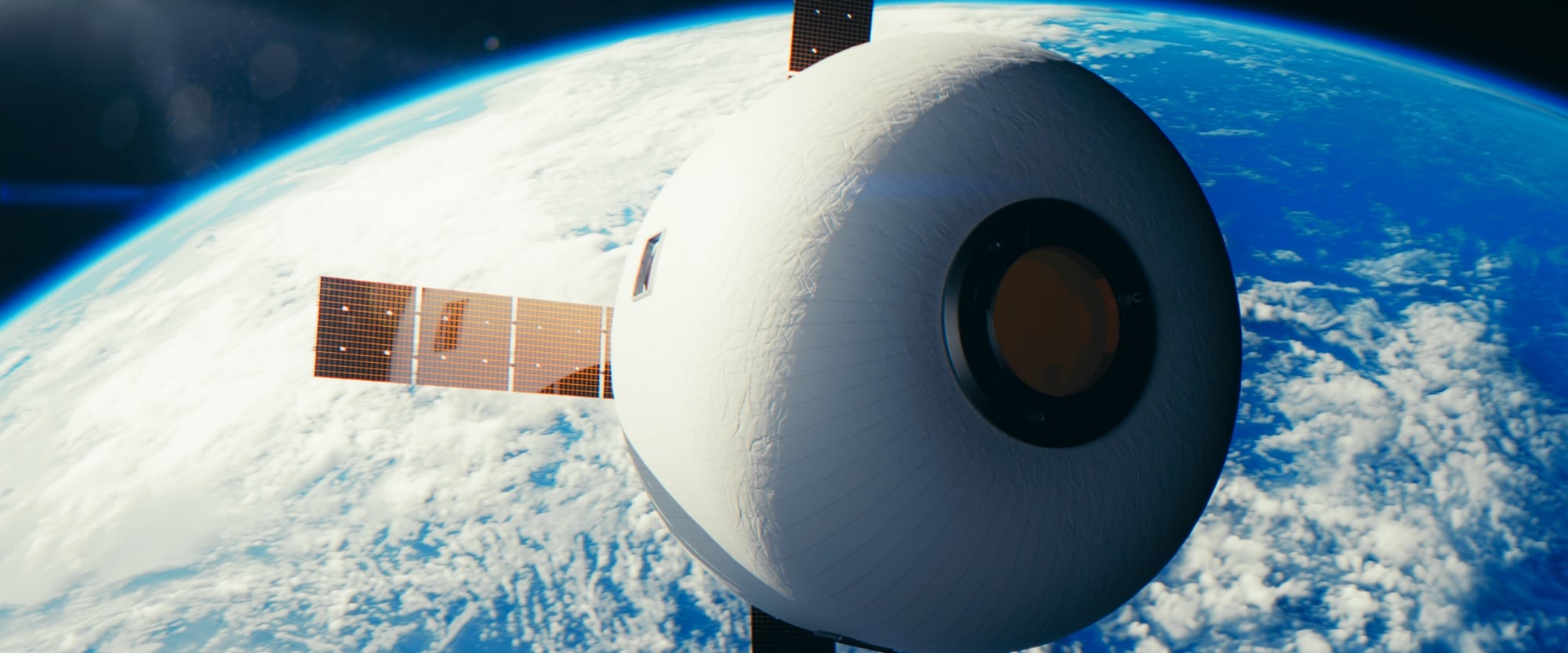
Max Space, a startup, plans to develop inflatable modules for space stations and other applications, with the first module scheduled to launch on a SpaceX mission in 2025. The company's expandable modules are designed to be larger and less expensive than alternatives, with a focus on scalability and cost-effectiveness. Max Space aims to supply modules to other companies developing commercial space stations and is currently focused on developing the technology, having raised a "sub-$10 million" seed round to fund the initial module's development and launch.
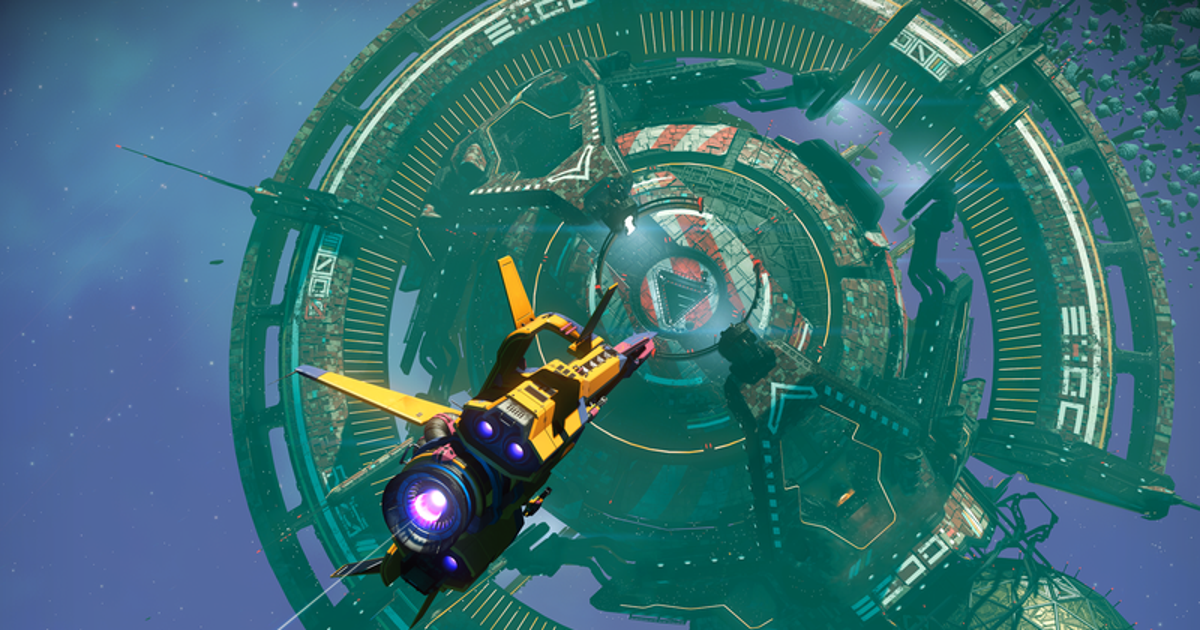
No Man's Sky's 27th major update, Orbital, is set to revamp the game's space stations, making them vast, diverse, and customizable, while also introducing a spaceship editor for players to gather and trade parts. The update also includes a new Guild system and the ability to send frigate fleets on missions. Developer Hello Games is also working on a new project called Light No Fire, while continuing to improve No Man's Sky features.
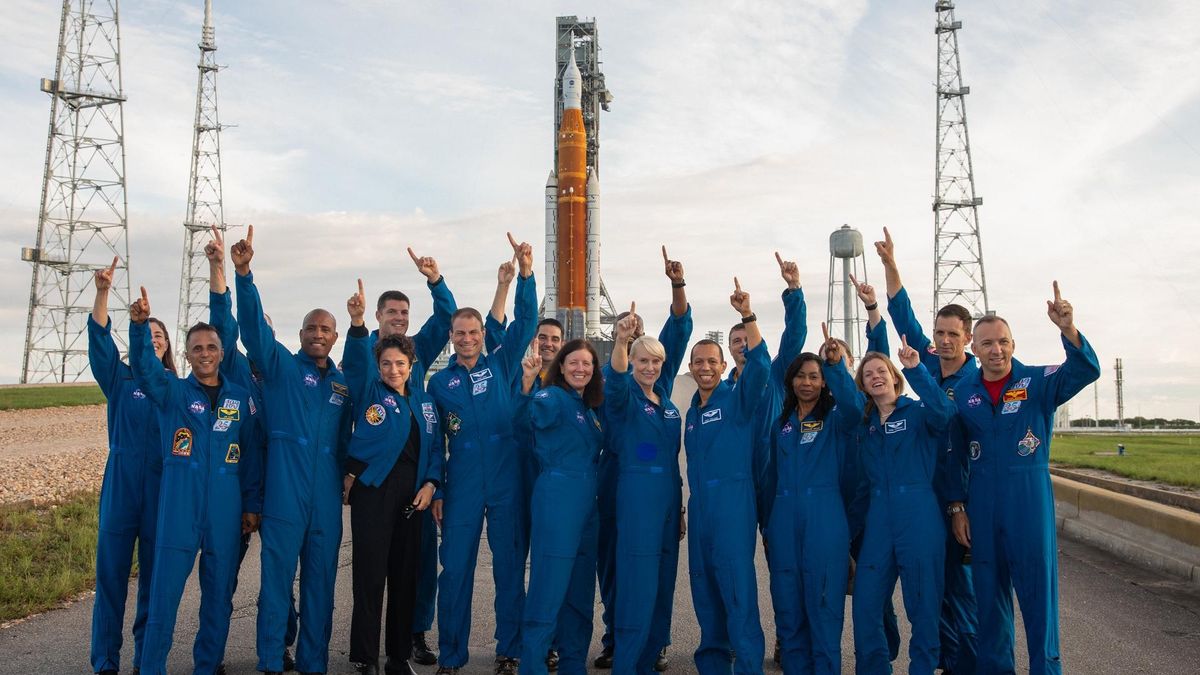
NASA's new astronaut candidates, including Jack Hathaway and Jessica Wittner, are excited about upcoming missions to the moon, lunar space stations, and commercial space stations. They are prepared for challenges such as technical delays and budget constraints, and are eager to contribute their skills to space exploration. The astronauts are looking forward to participating in the Artemis program and are enthusiastic about the opportunities for human spaceflight and exploration.
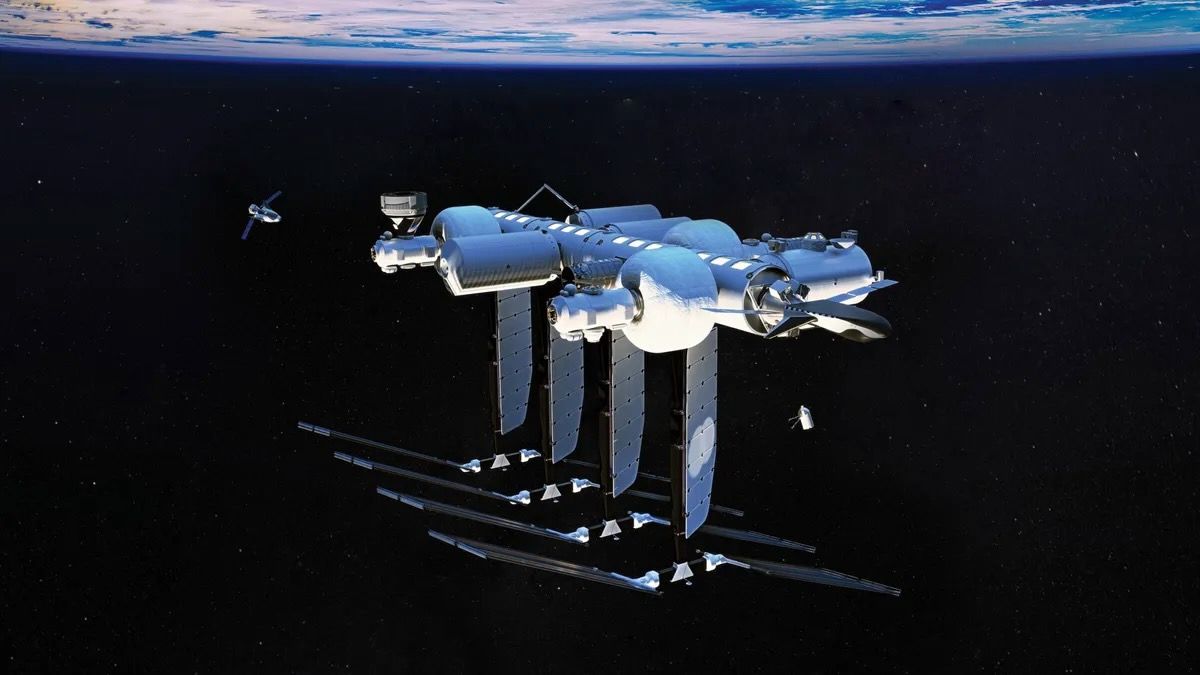
NASA has awarded nearly $100 million in additional funding to commercial space station partners, including Blue Origin and Voyager Space, to develop concepts for a new orbiting lab as part of the space agency's Commercial Low Earth Orbit Destinations program. The funding will be used for various development milestones focused on operations, assembly, integration, testing, and technology maturation, as well as upgrading Northrop Grumman's Cygnus cargo spacecraft to enable it to dock directly with the new space stations. These efforts aim to ensure a smooth transition from the International Space Station to commercial destinations and support training, research, and testing in low Earth orbit.
This week's space launches include Axiom-3, flying four private astronauts to the International Space Station, Tianzhou 7 cargo spacecraft heading for the Chinese Space Station, Japan launching a military reconnaissance satellite, the maiden flight of the Gravity-1 rocket by OrienSpace, and SpaceX's Starlink 6-37 mission. These launches continue a rapid cadence of flights, with 2024 likely to surpass the record 220 orbital launch attempts in 2023.
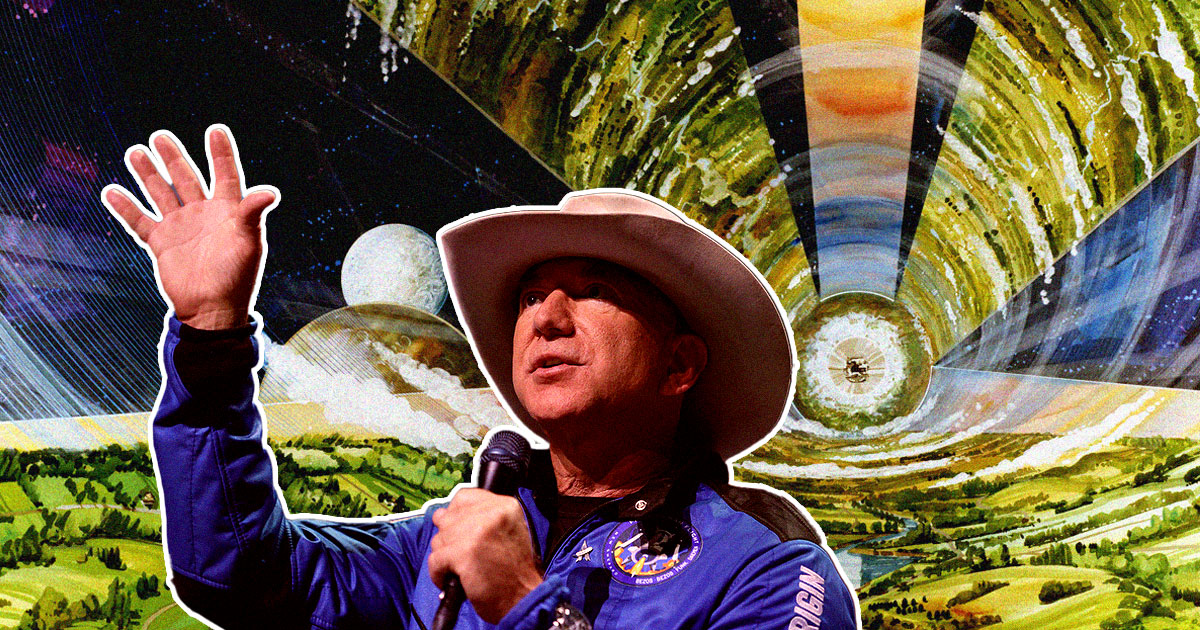
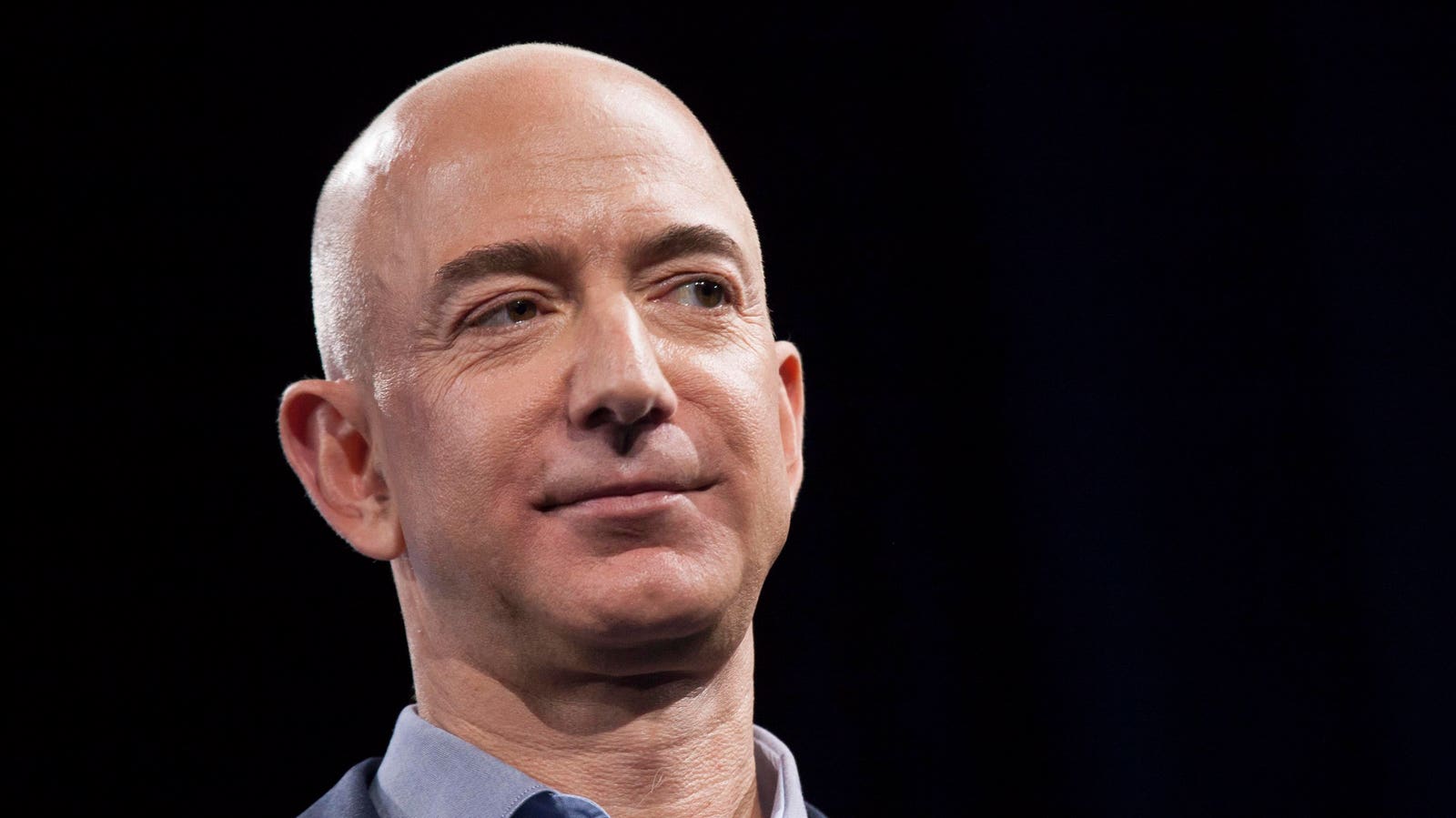
Amazon founder and Blue Origin CEO Jeff Bezos envisions a future where a trillion humans live in massive cylindrical space stations, allowing for an astronomical number of humans to survive. Bezos believes that the planetary surfaces are too small to accommodate such a population. His vision contrasts with that of his space competitor, Elon Musk, who aims to establish cities on other planets. Bezos sees Earth becoming a holiday destination, while humans have the choice to live in space colonies or on Earth. He is also optimistic about the future of AI and refrains from criticizing Musk.
Amazon founder Jeff Bezos believes that humans should live in giant cylindrical space stations rather than colonizing other planets, setting out a different vision from his rival Elon Musk. Bezos envisions a future with a trillion humans living in the solar system, utilizing the abundant resources and energy available in space. He highlights the advantages of space stations, such as the ability to create Earth-like gravity and position them strategically. Bezos also suggests that people may one day visit space stations for vacations, similar to how people visit national parks today.
Code found in Starfield suggests that Bethesda may be planning to introduce player-built space station outposts in the game. Modder VextheCollector discovered existing code for space stations that was left unfinished and activated it through a mod, although some aspects remain buggy. Bethesda has a history of expanding building systems in their games, such as Fallout, and it's possible that they will do something similar in Starfield. While it's unclear how Bethesda plans to release additional content for Starfield, it is expected that they will roll out updates over time to maintain player engagement.