Algeria's parliament unanimously passed a law declaring France's colonization a 'state crime,' demanding an apology and full compensation, amid ongoing tensions over historical grievances and recent diplomatic disputes.
Nicolas Dufourcq, head of France’s Bpifrance, warns that Europe is currently being 'doubly colonized' by Chinese industry and U.S. technology, highlighting ongoing economic and technological influences.
Originally Published 3 months ago — by Hacker News
The article explores the idea of living on Venus through floating cloud cities at 30 miles altitude, where conditions could be Earth-like, and discusses the engineering challenges and motivations behind colonizing other planets, emphasizing that space colonization is driven by exploration, survival, and resource considerations rather than practicality. It also debates the feasibility of terraforming planets like Mars and Mercury, and the broader implications of space colonization for humanity's future.
'Chief of War' is a grand, historically detailed series on Apple TV+ that explores the unification and colonization of Hawai'i in the 18th century, highlighting themes of greed, power, and cultural survival through the story of Ka’iana and the island kingdoms. The series is immersive, with dialogue in Hawaiian and rich visuals, offering a deep dive into Hawaiian history and the impact of colonization.
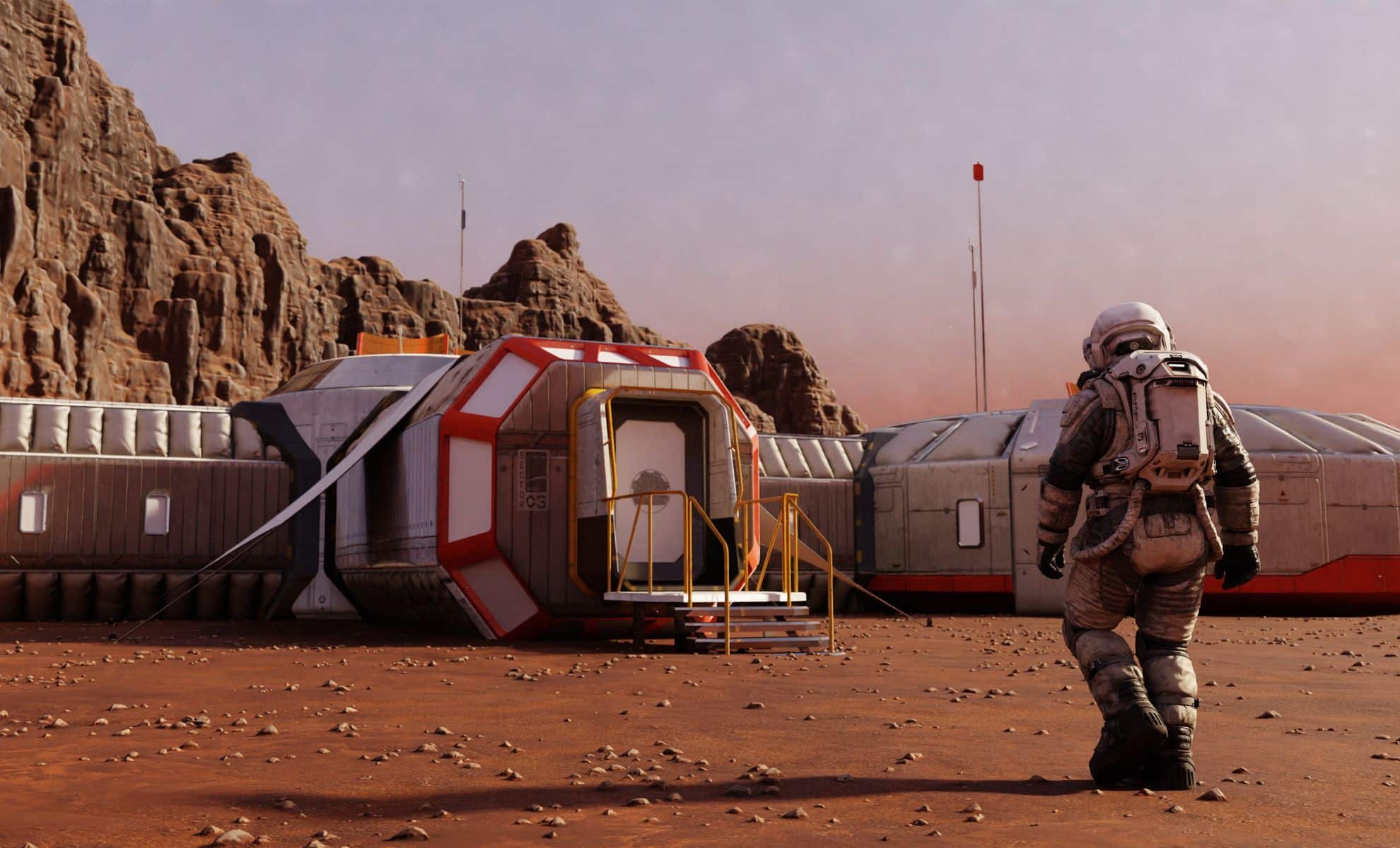
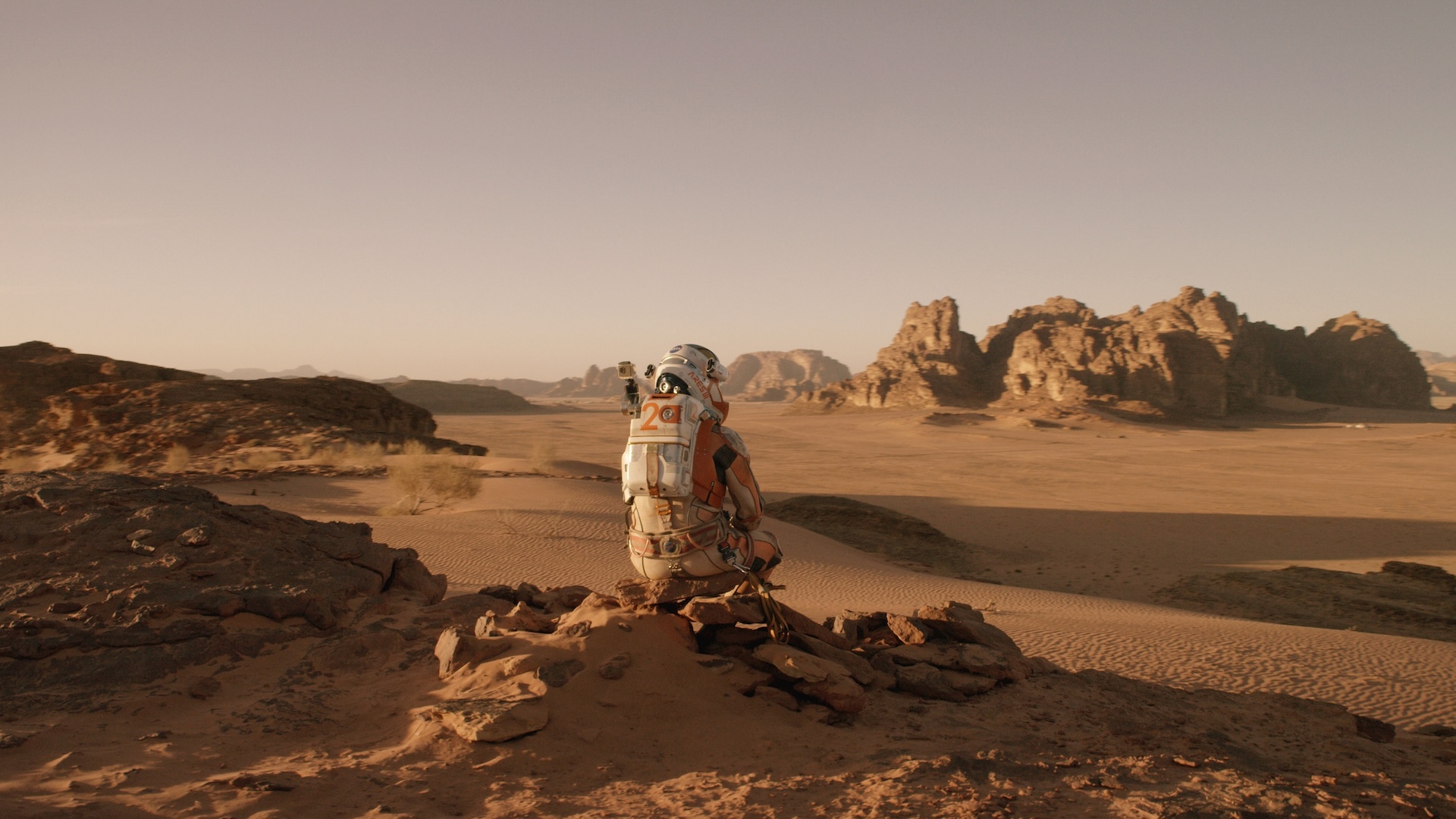
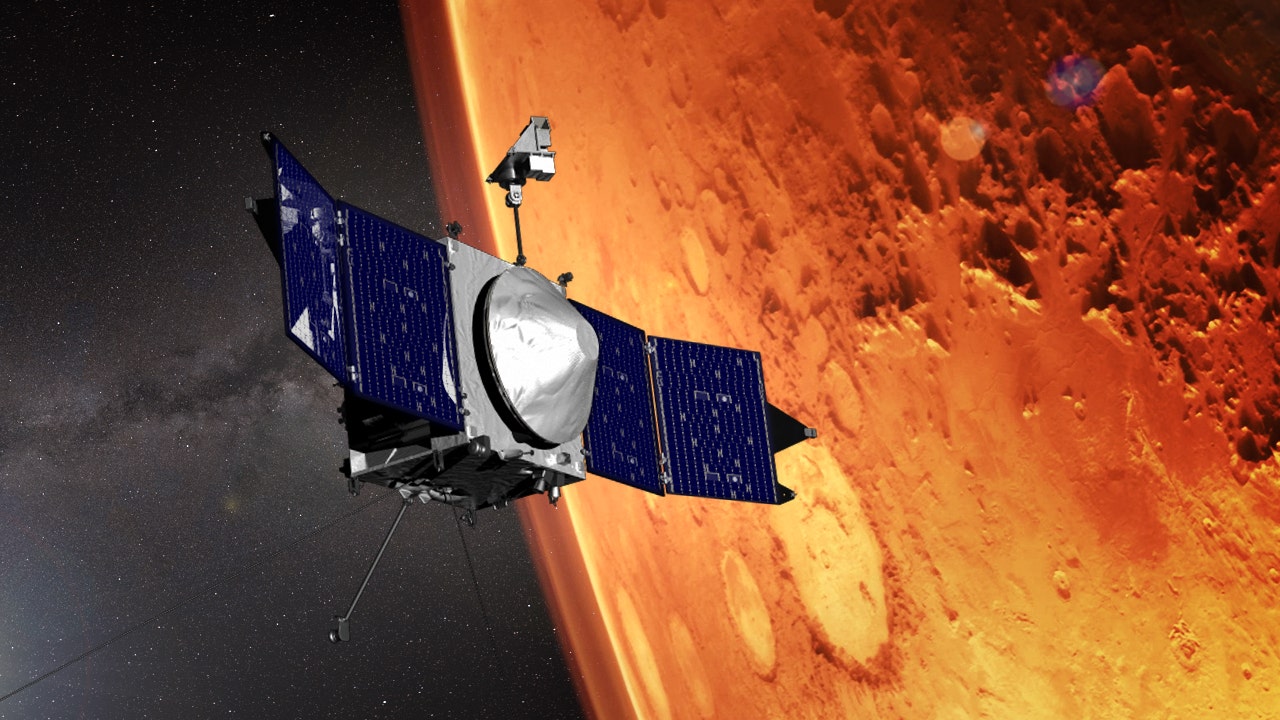
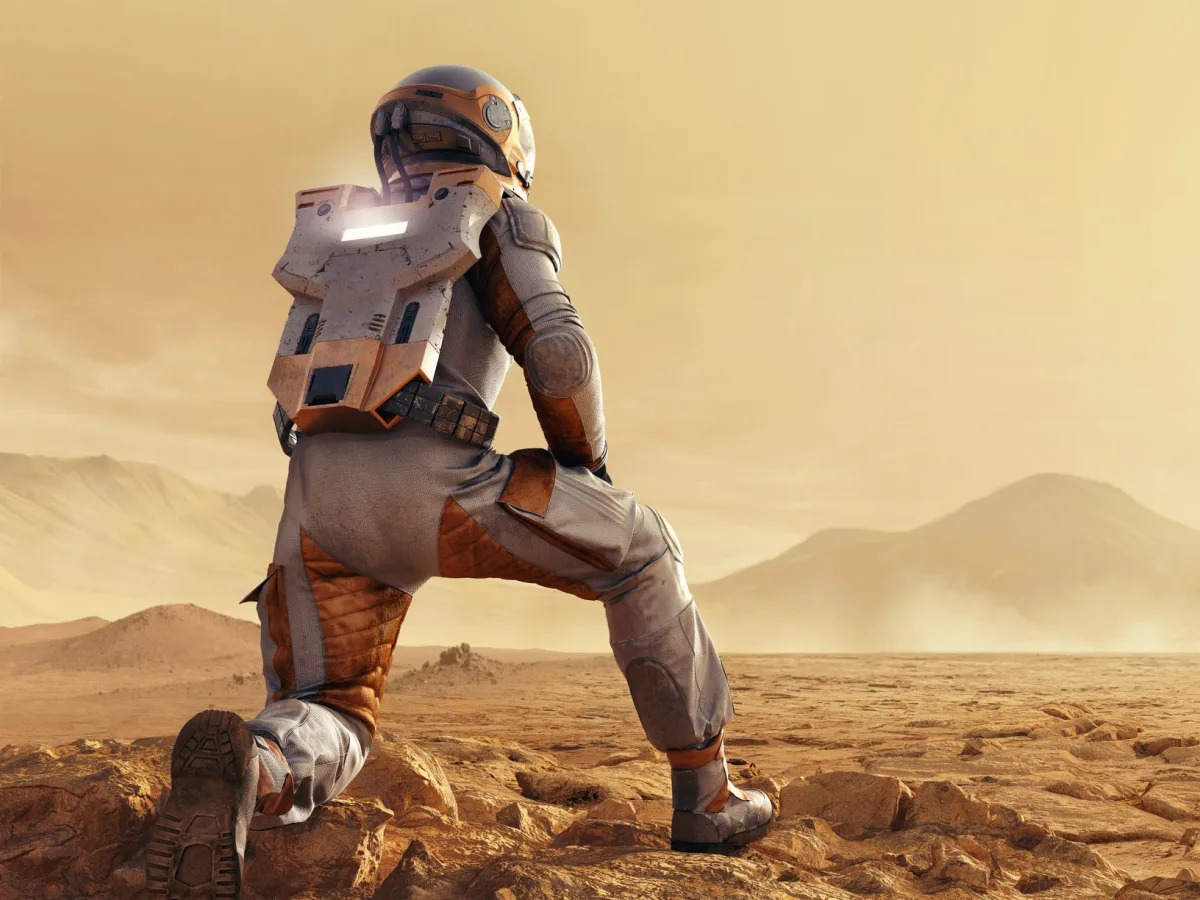
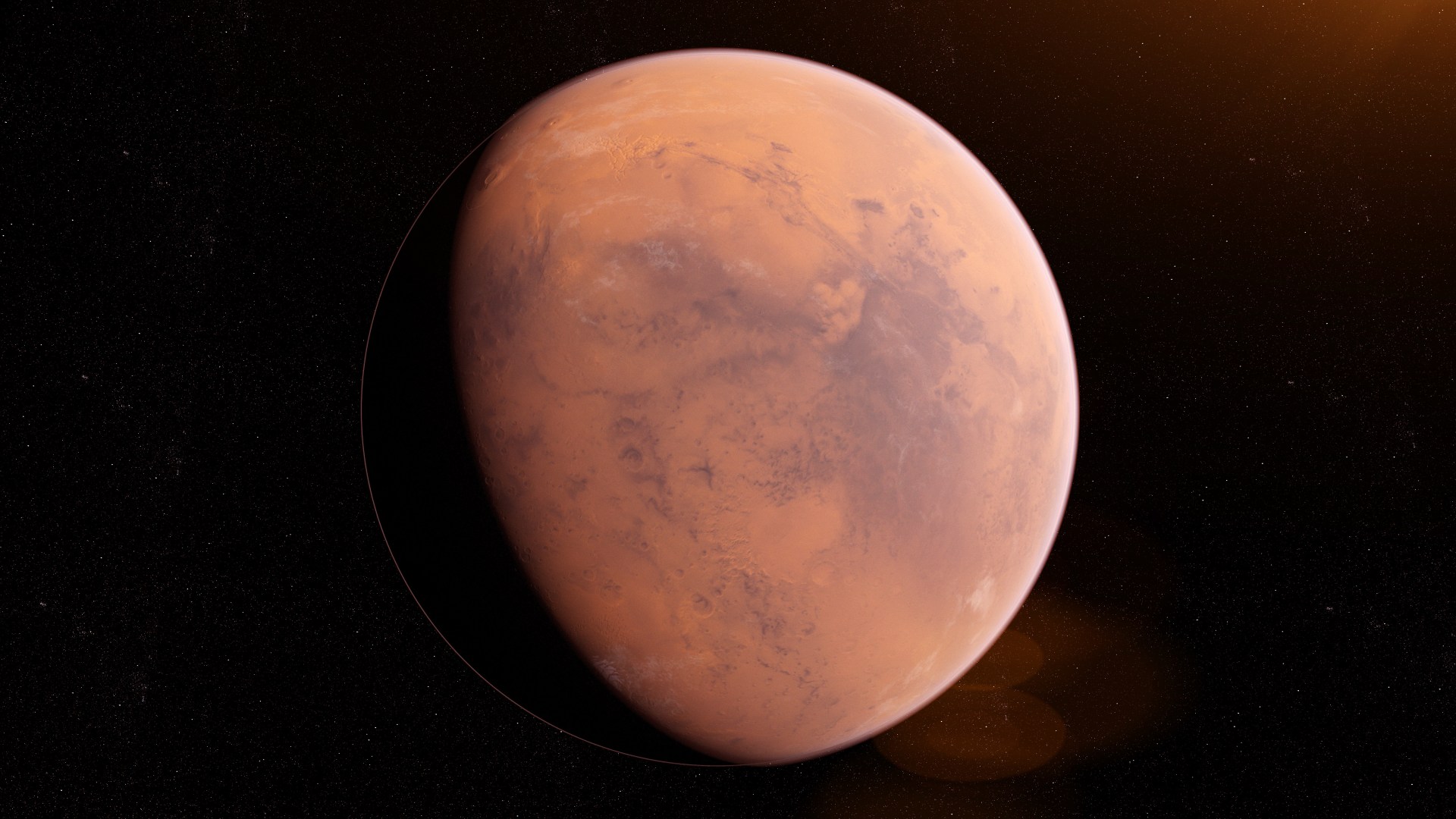
A decade after the release of 'The Martian,' robotic missions have surpassed human efforts in Mars exploration, revealing the planet's past habitability and raising questions about future colonization, amid shifting space policy priorities and funding challenges.
While 'The Martian' predicts humans reaching Mars by 2035, current exploration relies heavily on robotic missions that have significantly advanced our understanding of Mars' climate, geology, and potential habitability, though human colonization remains a complex and uncertain goal amid shifting priorities and funding challenges.
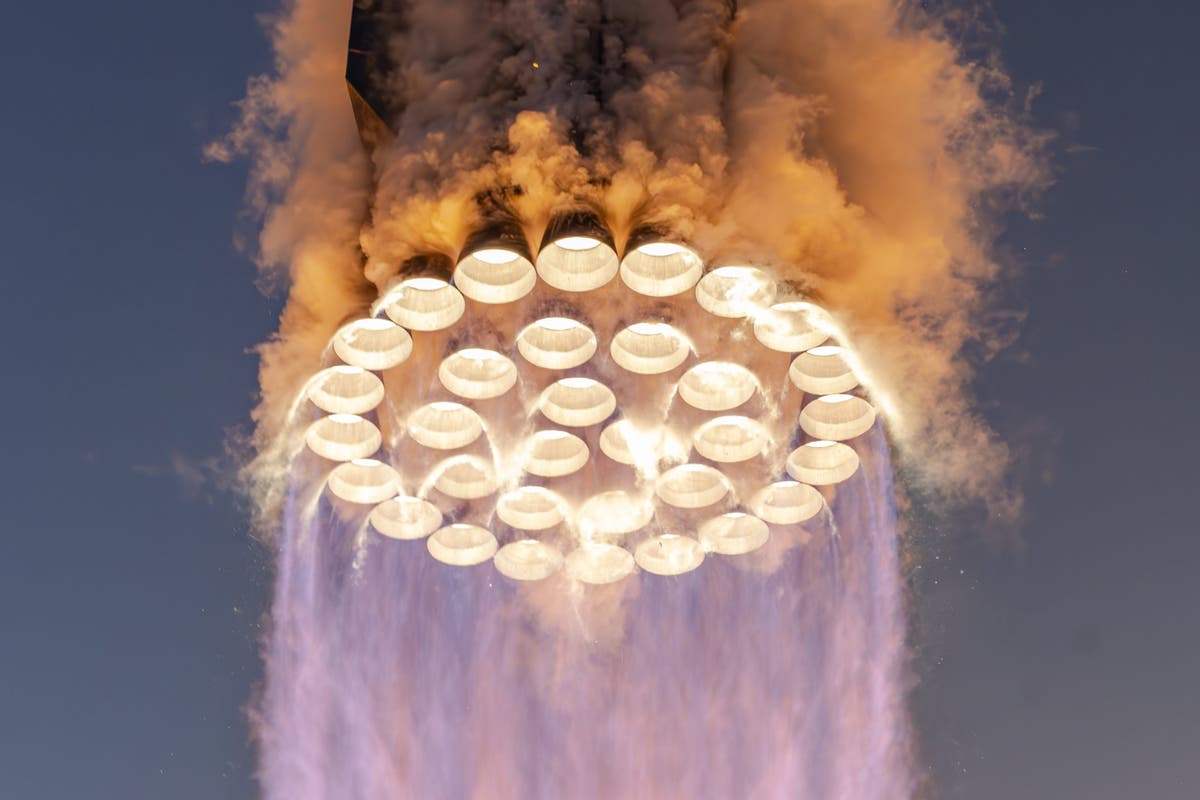
SpaceX's Starship rocket, the most powerful and fully reusable spacecraft, successfully reached orbit for the first time, marking a significant milestone in the company's efforts to colonize another planet. Measuring 120 meters tall, it became the heaviest single object ever sent into space and is designed to take both crew and cargo to the moon and beyond, showcasing its potential for space travel and exploration.
Taiwanese food is distinct from Chinese cuisine, with its own unique pantry items and a sweeter flavor profile, influenced by the island's history of colonization. The Dutch and Japanese occupations shaped Taiwan's sugar and rice industries, leading to the incorporation of sugar in savory dishes and the cultivation of short-grain rice. Shuixian Gong Market in Tainan showcases the abundance of fresh ingredients and traditional Taiwanese cuisine staples, reflecting the island's culinary heritage.
Amazon founder Jeff Bezos believes that humans should live in giant cylindrical space stations rather than colonizing other planets, setting out a different vision from his rival Elon Musk. Bezos envisions a future with a trillion humans living in the solar system, utilizing the abundant resources and energy available in space. He highlights the advantages of space stations, such as the ability to create Earth-like gravity and position them strategically. Bezos also suggests that people may one day visit space stations for vacations, similar to how people visit national parks today.
A study published in Nature Synthesis suggests that a robot chemist powered by artificial intelligence could efficiently produce oxygen for human survival on Mars. The study highlights the challenge of finding the optimal oxygen evolution reaction (OER) catalysts among the million possibilities on Mars, which could take humans a lifetime to accomplish. By utilizing AI robots, the process could be completed within six weeks, without the need for human intervention. This advancement in robot chemistry could pave the way for human exploration and colonization of extraterrestrial planets.
Chinese scientists have developed a robot chemist capable of creating oxygen from Martian rocks, potentially paving the way for human colonization of Mars. The robot analyzed minerals found in Martian meteorites, identified the necessary chemicals, and conducted experiments autonomously. This breakthrough could eliminate the need to transport oxygen from Earth, making it more feasible to establish human settlements on the red planet. The robot's AI system aims to find innovative ways to produce compounds using local resources, and its success in creating oxygen from water within two months demonstrates its potential. While other methods exist, this development brings us closer to the goal of making Mars habitable and could also have applications for lunar missions.
Scientists at the University of Surrey have developed a new "bacteria paint" that contains oxygen-producing bacteria, which could potentially make the air on Mars breathable for humans. The paint, called "green living paint," contains bacteria that can produce oxygen and capture carbon dioxide, similar to plants. These bacteria, known as photosynthetic Chroococcidiopsis, are capable of surviving in extreme environments and require very little water. The paint could be used to create livable conditions on Mars and aid in colonization efforts.
Scientists at the University of Michigan have discovered that the life-threatening fungus Candida auris uses a unique adhesin called Surface Colonization Factor 1 (SCF1) to stick to surfaces, including skin and catheters. This adhesin, unlike those found in other fungi, forms strong cation-pi bonds similar to those used by oceanic organisms like barnacles and mollusks. The researchers also found that SCF1 is associated with increased colonization and enhanced disease-causing ability. Understanding the link between SCF1 and virulence could lead to more effective anti-fungal therapies for C. auris, which is often resistant to current medications. The adhesive properties of SCF1 suggest a possible oceanic origin for C. auris.
A new study suggests that deadly Clostridioides difficile infections in hospitals may originate from within the infected patients themselves, rather than from transmission between patients. The study found little evidence of transmission between patients, indicating that those already colonized with C. diff were at a greater risk of developing an infection. While hospital infection prevention measures are still necessary, the study highlights the need to identify and prevent infection in colonized patients. Researchers are exploring the use of AI models to predict patients at risk of C. diff infection for more focused intervention.
A recent study by researchers from George Mason University suggests that a long-term Mars outpost could survive with just 22 psychologically stable colonists, challenging previous studies that estimated a minimum of 100 colonists. The researchers used agent-based modeling to simulate various attributes and responsibilities of the colonists, finding that the number of "neurotics" should be kept to a minimum as they had a higher mortality rate. The study highlights the importance of considering social and behavioral aspects in the success and cost-effectiveness of future Mars missions.