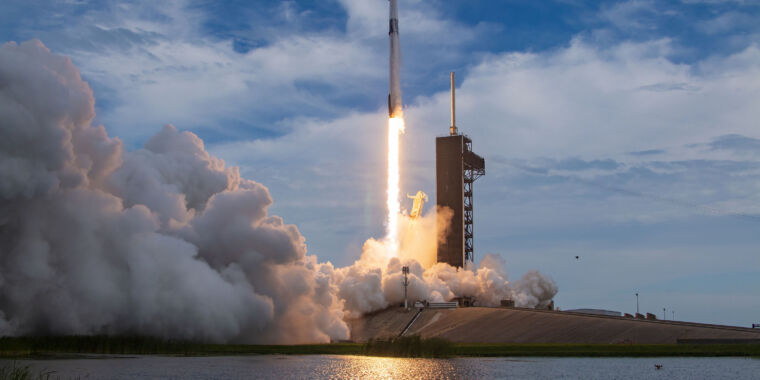
U.S. President Donald Trump signed an executive order to streamline regulations for commercial rocket launches, benefiting private space companies like SpaceX by reducing environmental review requirements and outdated rules, potentially accelerating space development and benefiting Musk's ventures.
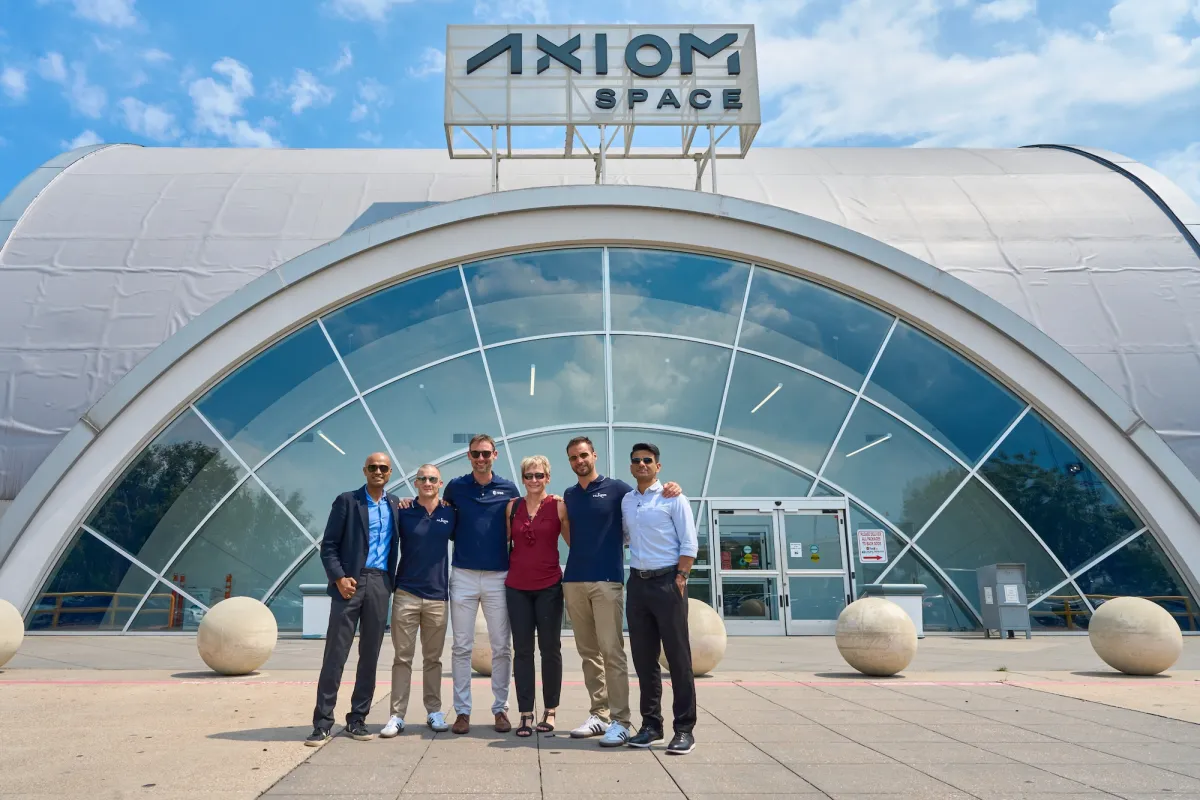
Axiom Space is preparing for its fourth mission to the ISS, marking a milestone as its first break-even mission and a significant step for national space programs from India, Poland, and Hungary, highlighting the growing role of commercial companies in space exploration.
The 2025 Humans to the Moon & Mars Summit in Washington, D.C., brings together global space leaders to discuss advancements, partnerships, and policies for returning humans to the moon by 2027 and reaching Mars in the 2030s, with virtual participation available.
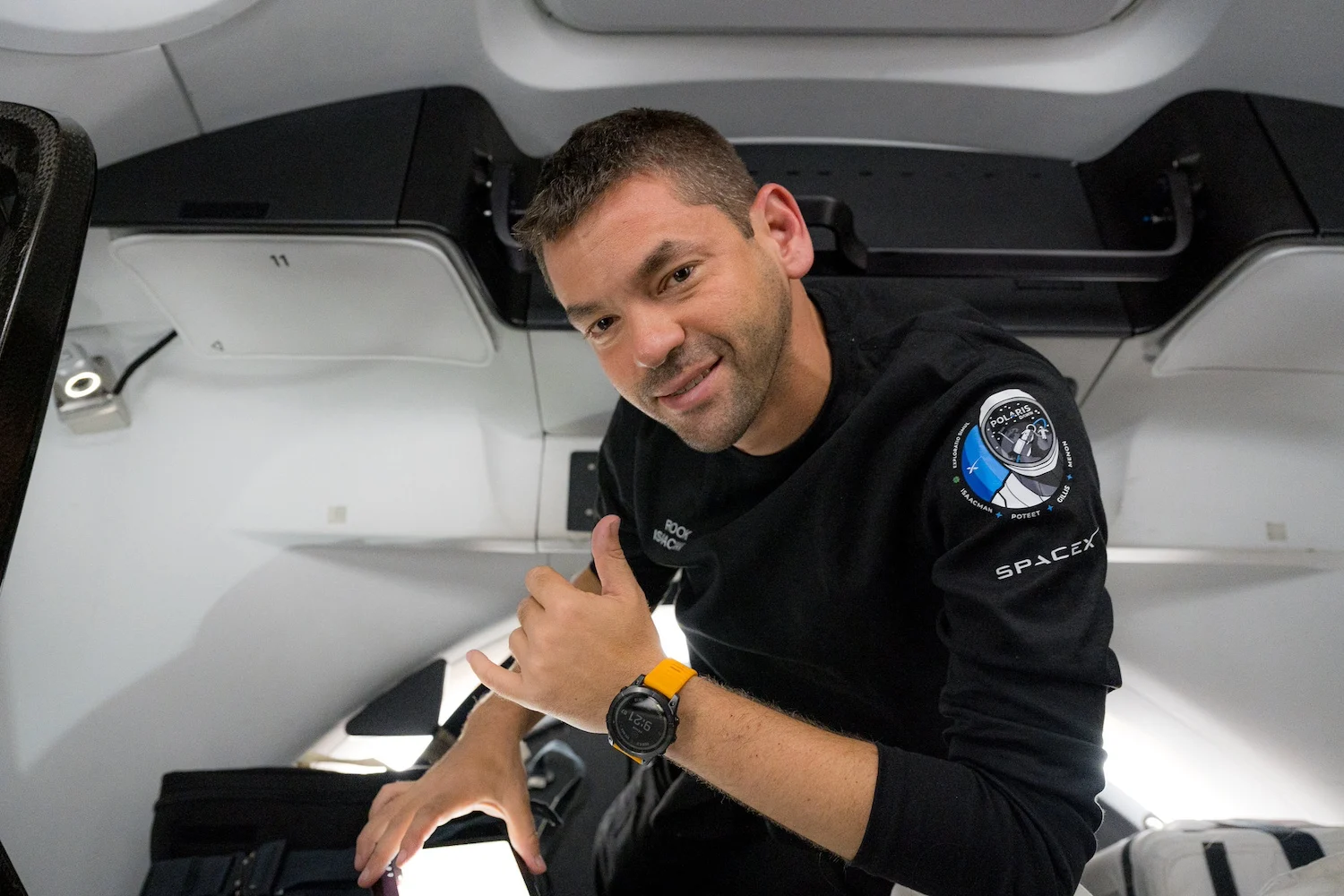
Billionaire entrepreneur Jared Isaacman has been nominated by President-elect Donald Trump to lead NASA, sparking discussions about the agency's future direction amid budget constraints and competition from private space companies. Isaacman, known for his commercial space missions with SpaceX, represents a shift from traditional NASA leadership, raising questions about the balance between public exploration goals and commercial interests. As NASA faces challenges with its Artemis Moon program and the costly Space Launch System, Isaacman's leadership could either revitalize the agency or further entangle it with commercial spaceflight demands.
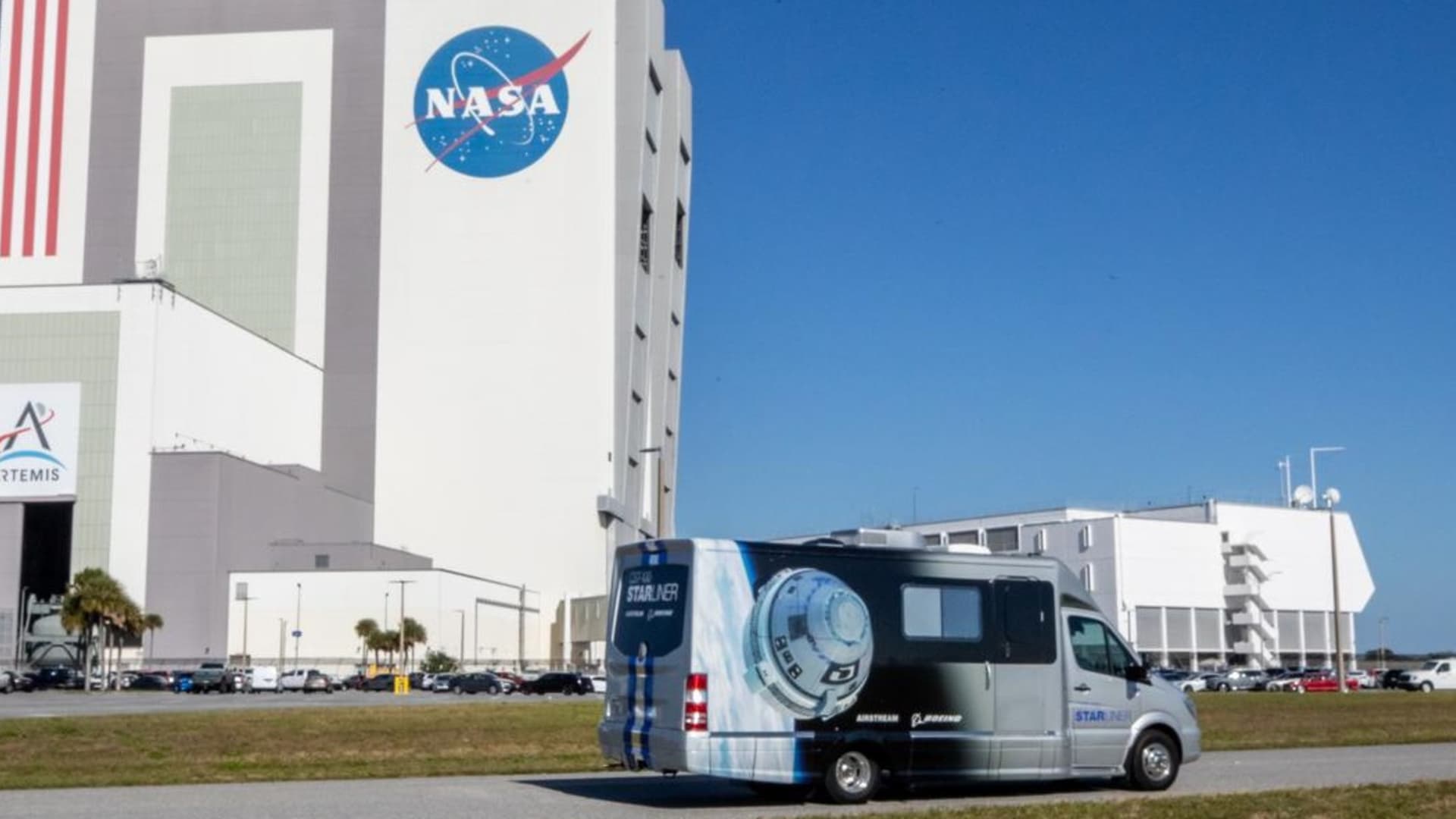
Boeing's Starliner program, once seen as a competitor to SpaceX, is now positioned as a backup for NASA's crew transportation needs, with the company expressing uncertainty about its future beyond fulfilling its current NASA contracts. Meanwhile, SpaceX continues to lead the commercial spaceflight industry, with significant achievements in crewed missions and satellite launches. Other industry developments include aerospace companies' legal disputes, executive appointments, and upcoming rocket launches.
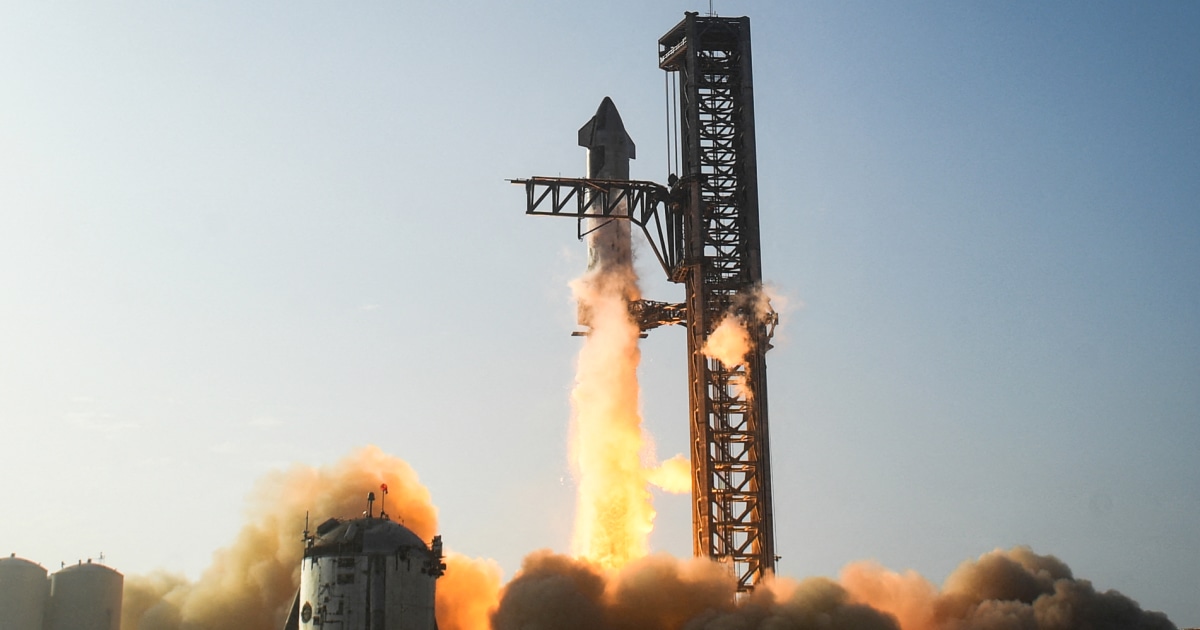
SpaceX is preparing for the third test flight of its Starship megarocket, aiming to demonstrate capabilities crucial for NASA's moon missions and the commercial spaceflight industry. The launch is scheduled for Thursday morning from the Starbase test site in Texas, with objectives including controlled re-entry through Earth’s atmosphere and various technology demonstrations. If successful, this test could pave the way for future missions to the moon and beyond, with Starship expected to play a key role in NASA’s Artemis III mission.
The first commercial moon mission, conducted by the company Intuitive Machines, is attempting to revive its lunar lander as the lunar night comes to an end. The lander, which delivered NASA's water-hunting VIPER rover to the moon's surface, shut down during the two-week-long lunar night due to the extreme cold. Intuitive Machines is now working to re-establish communication with the lander and resume its operations as the sun rises on the moon's surface.
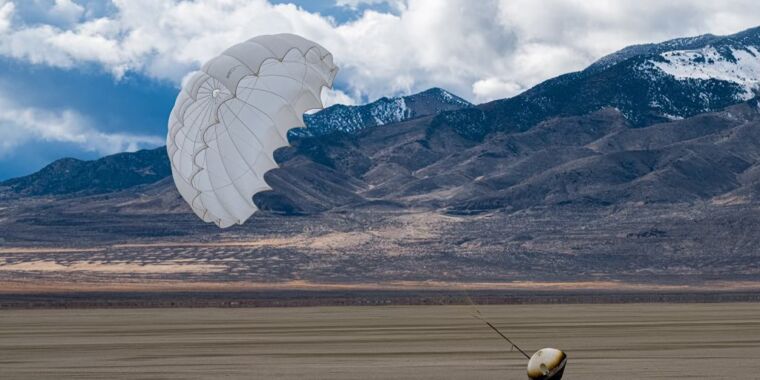
Varda Space Industries successfully obtained FAA approval for the reentry of its space capsule, marking the first commercial spacecraft landing at a military test range. The company's achievement was the result of navigating complex regulatory and bureaucratic processes, including securing a commercial reentry license and coordinating with government entities. The spacecraft landed in the Utah desert and was retrieved for transport back to Varda's headquarters, signaling a significant milestone for the in-space manufacturing company.
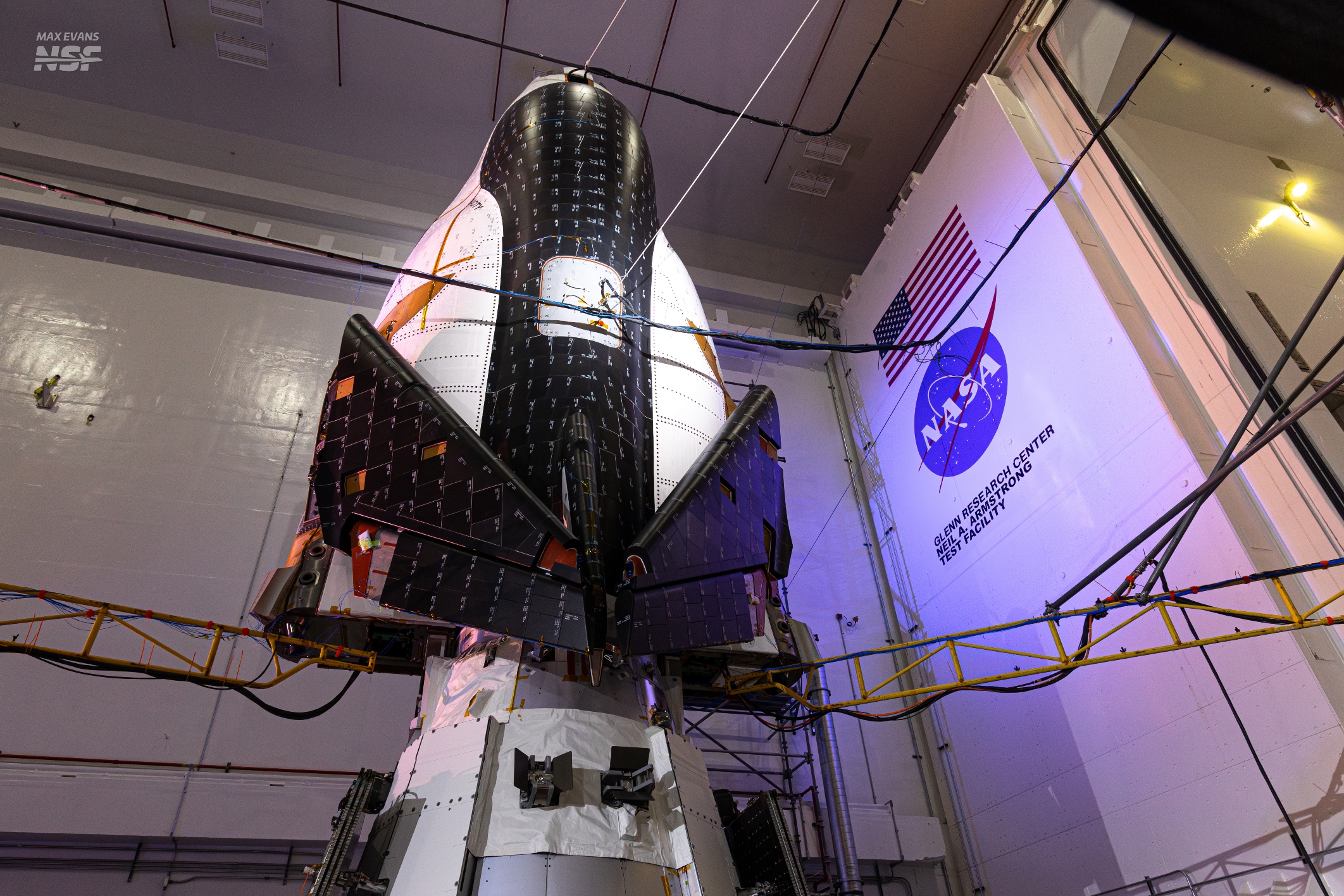
Sierra Space's Dream Chaser undergoes successful testing at NASA's Neil Armstrong Test Facility, preparing for its first flight to the International Space Station in 2024. The vehicle, equipped with a cargo module capable of carrying 9,000 pounds of cargo, will join NASA's Commercial Resupply Services program, offering down mass capability to return science experiments and research samples back to Earth. Sierra Space plans to conduct multiple flights with the potential for global launch and landing locations, marking the beginning of what they call the "orbital age" of commercializing low-Earth orbit.
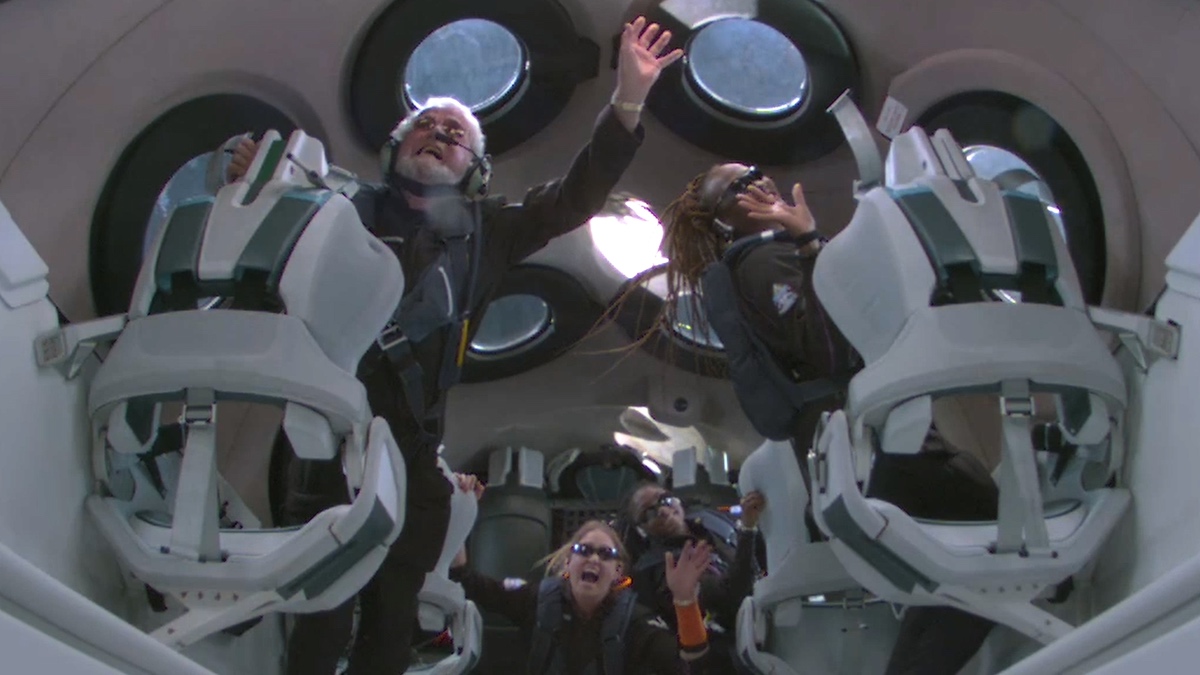
Medical researchers and commercial spaceflight advocates are collaborating to study the health issues and risks associated with space travel for a more diverse population of private astronauts, who may not meet the strict medical standards used by NASA and other space agencies. The proposed Human Research Program for Civilians in Spaceflight and Space Habitation (HRP-C) aims to collect medical data and conduct research on potential spaceflight risks, focusing on informed consent and research rather than regulation. Efforts like TRISH's EXPAND initiative are also working to fill gaps in the population of space travelers, with a new focus on women. The goal is to reduce health risks for private astronauts while enabling as many people as possible to fly in space based on strong science.
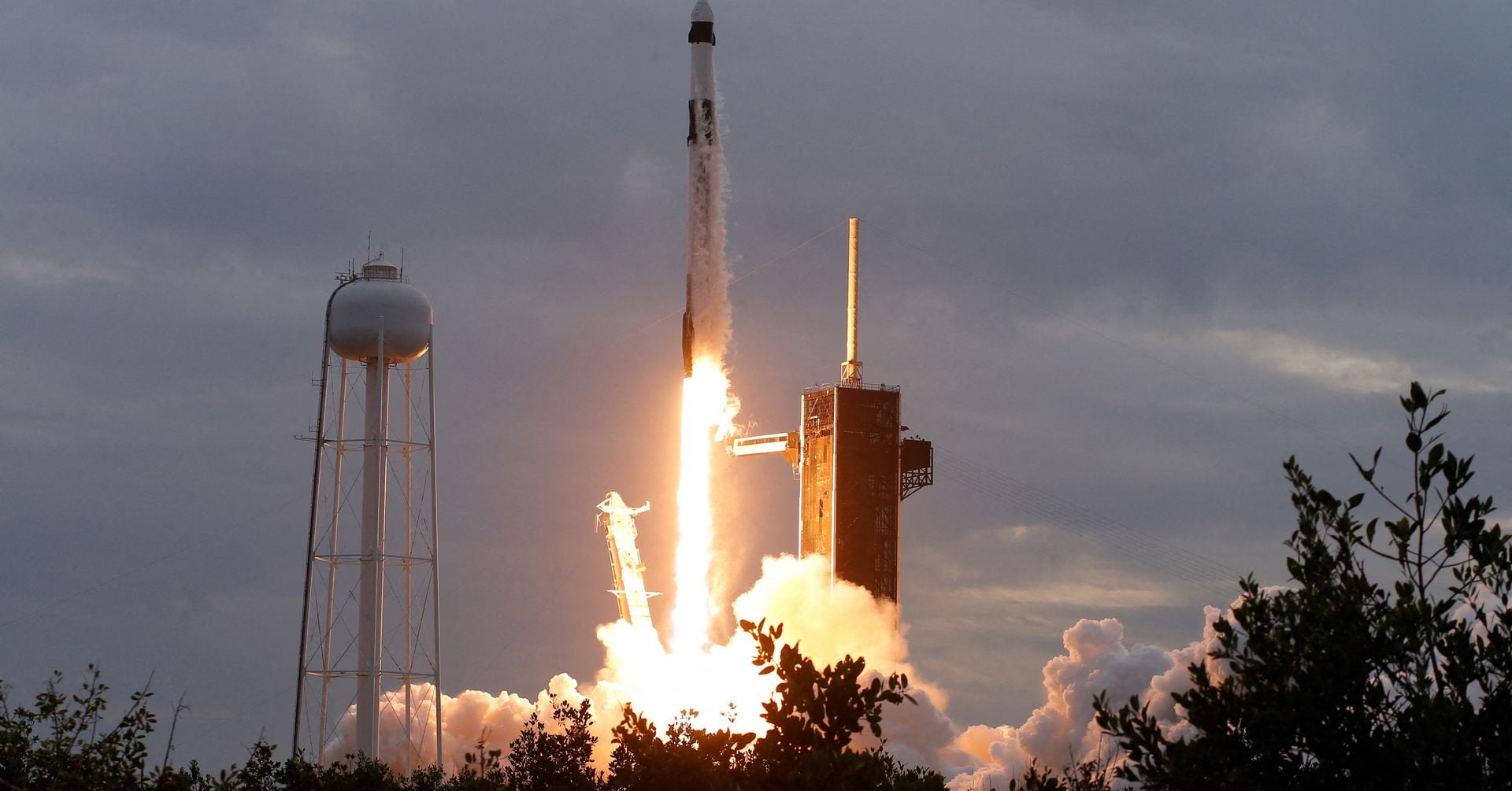
A four-man crew, including Turkey's first astronaut, arrived at the International Space Station for a two-week stay as part of the Axiom Mission 3, a commercial mission arranged by Axiom Space. The crew, launched by SpaceX, will conduct over 30 scientific experiments focusing on the effects of spaceflight on human health and disease. Axiom, a company specializing in commercial spaceflight, charges at least $55 million per seat for its services and is also involved in building a commercial space station to replace the ISS, which NASA expects to retire around 2030.
A private astronaut mission, the third for Axiom Space, is set to launch astronauts from Italy, Sweden, and Turkey to the International Space Station on a commercially chartered mission, marking Turkey's first astronaut. The launch, originally scheduled for Wednesday, has been rescheduled for Thursday at 4:49 p.m. Eastern time. The crew includes astronauts from the Italian, Swedish, and Turkish Air Forces, with the mission's commander being a former NASA astronaut. Other nations, such as Saudi Arabia, Poland, and the United Kingdom, are also making arrangements for their astronauts to fly on commercial spaceflights.
Axiom Space, in partnership with SpaceX, is disrupting Europe's traditional pathway to space by offering privately funded missions for European astronauts, including those from the European Space Agency's (ESA) astronaut reserve pool. Countries like Sweden and Poland are paying substantial amounts to send their nationals to space through contracts brokered by ESA, raising questions about the benefits to European taxpayers who fund the agency's operations. The arrangement with Axiom Space and the costs involved have sparked concerns about ESA's purpose of promoting the European space sector and the principle of geo-return for member states.
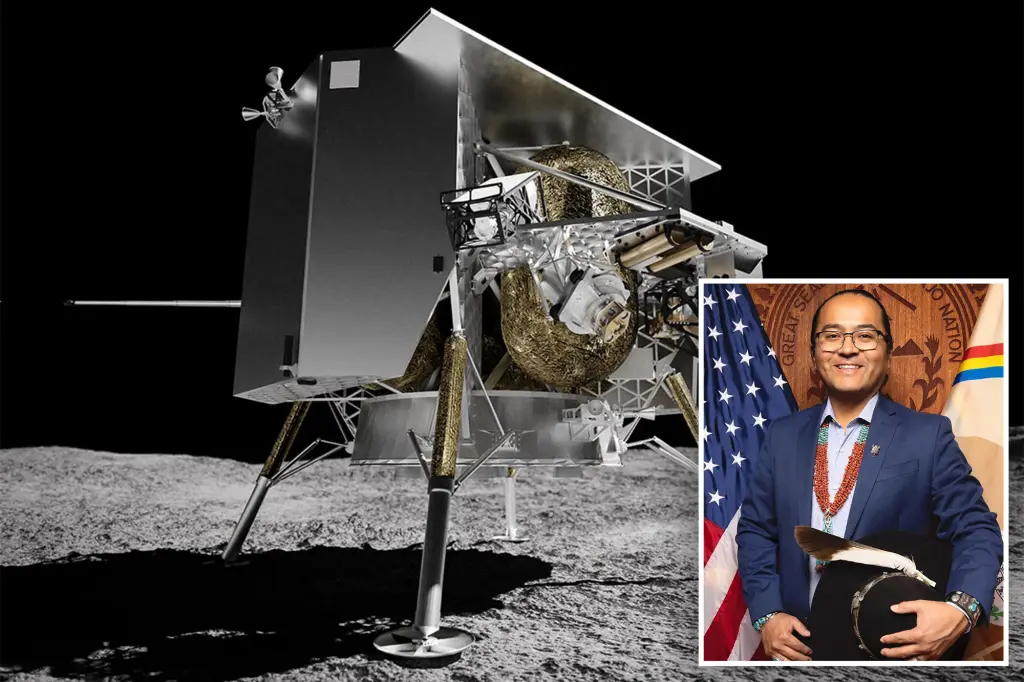
The Navajo Nation is protesting a commercial space burial mission that plans to send the remains of historical figures like George Washington and John F. Kennedy, as well as "Star Trek" celebrities, to the moon, a site they consider sacred. The Biden administration is intervening to address the concerns, while the company behind the mission, Celestis, argues that the mission is respectful and that no single group owns the moon. The controversy has prompted a White House meeting and could potentially delay the mission, which involves sending remains in titanium capsules to the moon's surface and into deep space.
Astronauts aboard the International Space Station (ISS) highlight the positive impact of commercial spaceflight, including increased access to orbit, more space-based research opportunities, and the ability for smaller countries to conduct their own research and technology programs. The surge in commercial spaceflight, led by companies like SpaceX, has allowed for collaboration between government agencies and commercial entities, filling each other's gaps and enhancing strengths. SpaceX has launched multiple crewed missions for NASA and is also involved in future moon and Mars missions. The research conducted on the ISS directly contributes to NASA's Artemis program, which aims to return humans to the moon and eventually reach Mars.