Tag

Long Duration Missions

All articles tagged with #long duration missions

science-and-technology5 months ago

Innovative Spaceship Designs for Interstellar Human Travel

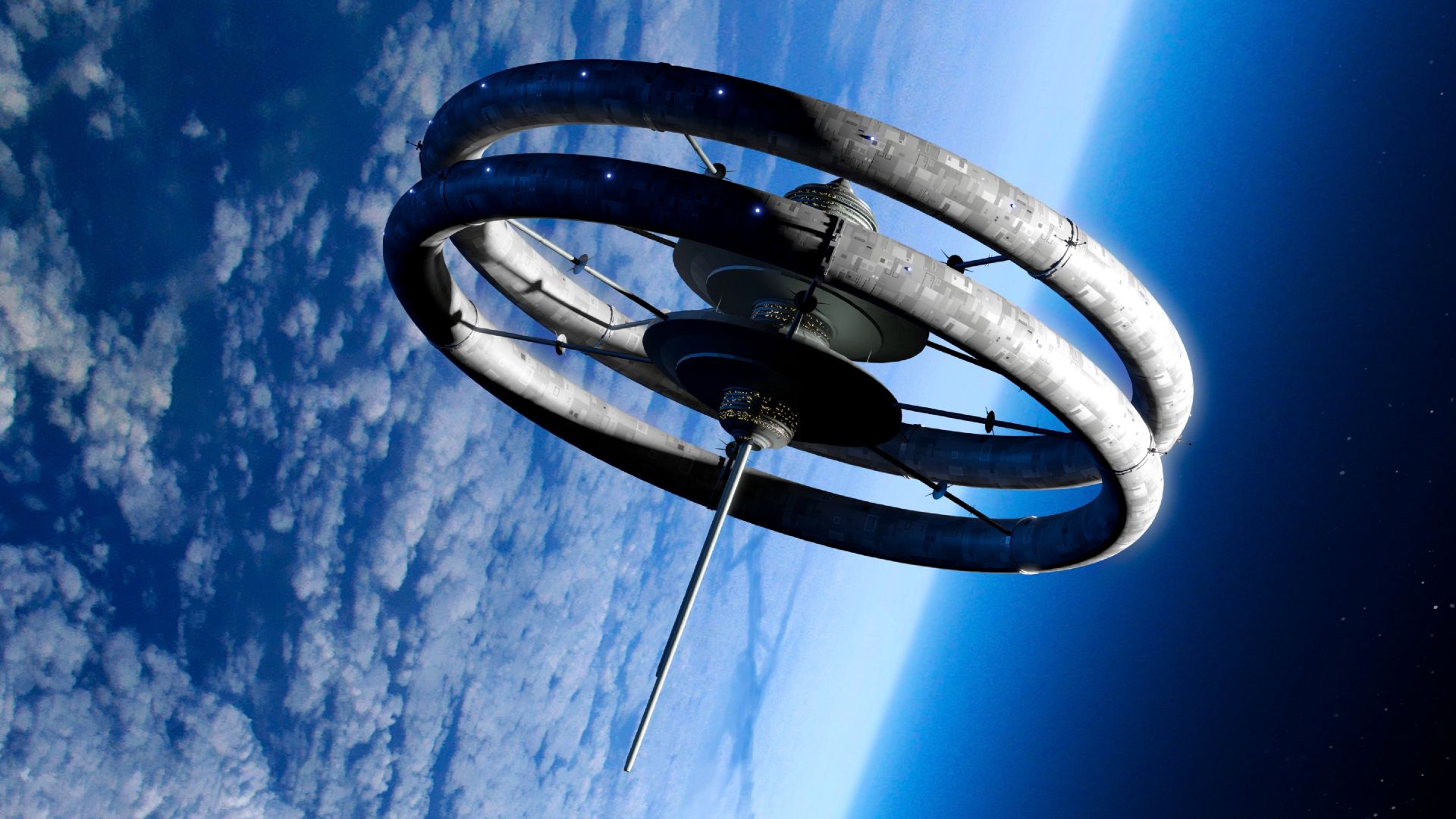
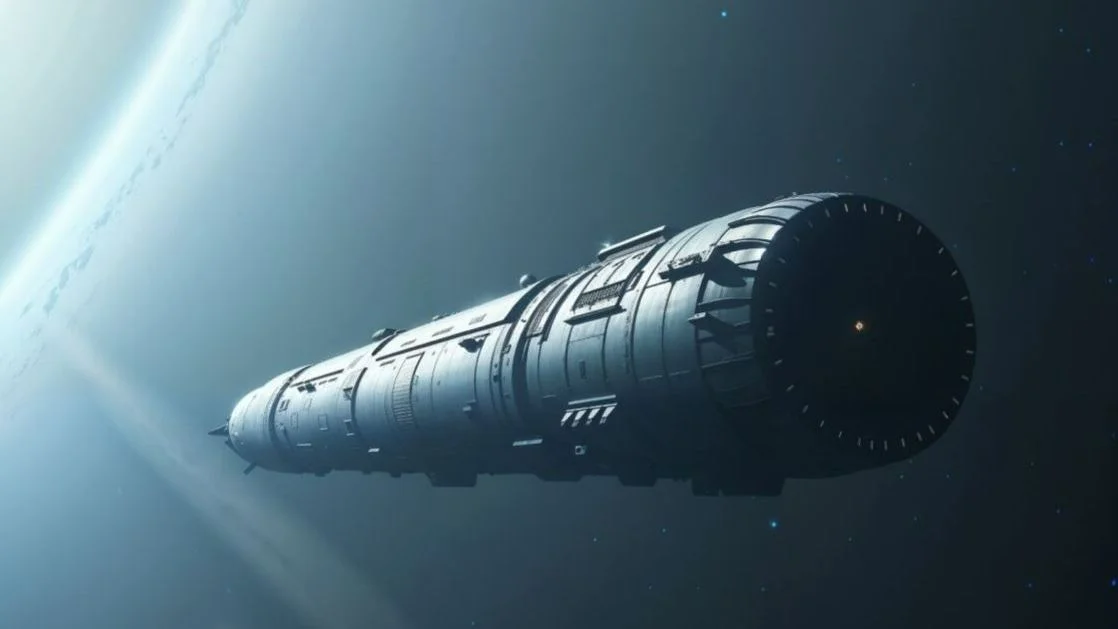
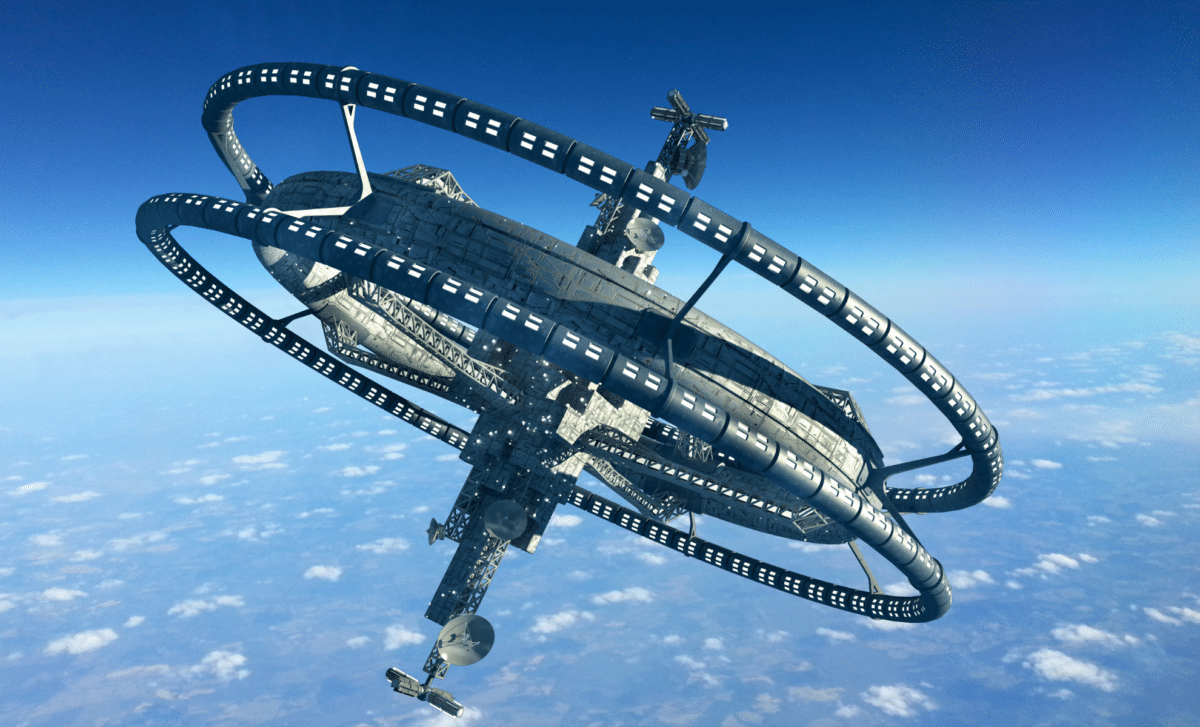
A global competition showcased innovative designs for a self-sustaining, 250-year interstellar generation ship capable of carrying 1,000 people, with the winning design being a massive fusion-powered cylinder called Chrysalis. While such travel remains science fiction due to immense distances, these concepts offer insights into future space colonization and human resilience.

science-and-technology2 years ago

"Unprecedented Experiment: 6 Individuals Sealed in Isolation for 360 Days"

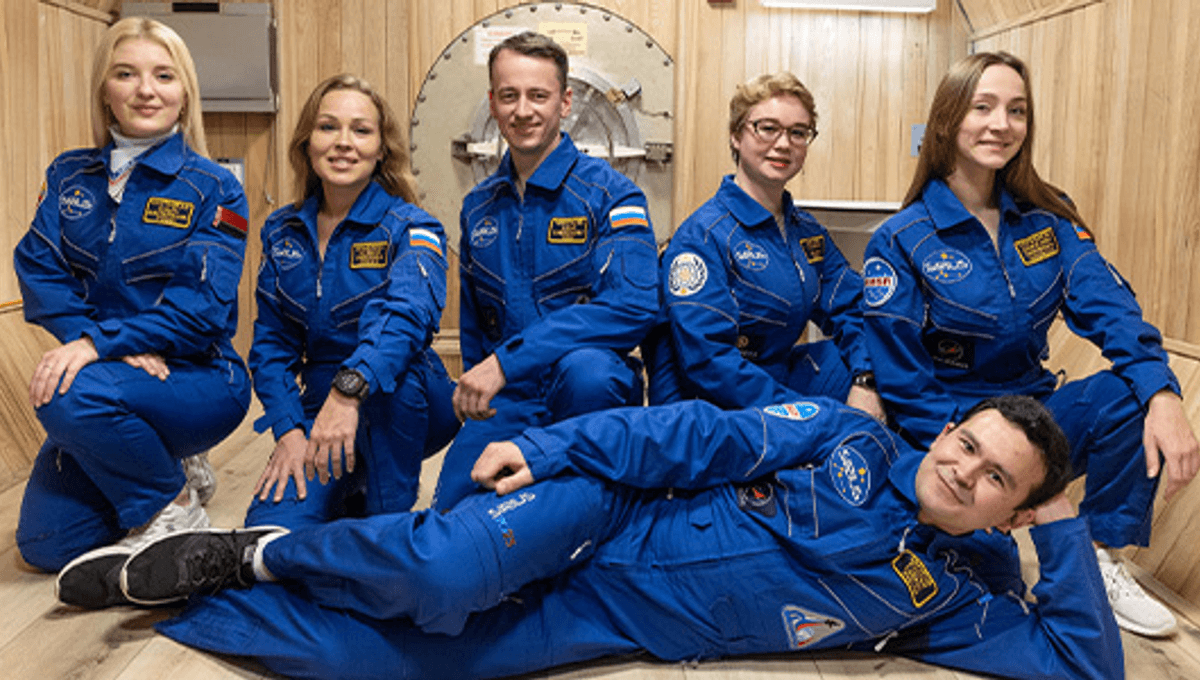
Six individuals have entered the Russian Academy of Science's SIRIUS-23 project, where they will be sealed in isolation for 360 days. This joint endeavor between NASA and the Institute for Biomedical Problems (IBMP) aims to study how the human body and mind adapt to long-duration spaceflight missions. The crew will simulate a lunar mission while undergoing various biomedical experiments, including studying their ability to cope with technical malfunctions, the physical consequences of extravehicular activity, and the psychological and social ramifications of isolation. This mission is unique as it is the first monolingual isolation experiment for IBMP and does not include any American participants.

space2 years ago

"NASA's Investment in Astronaut Health: Eight Studies to Safeguard Long Missions"

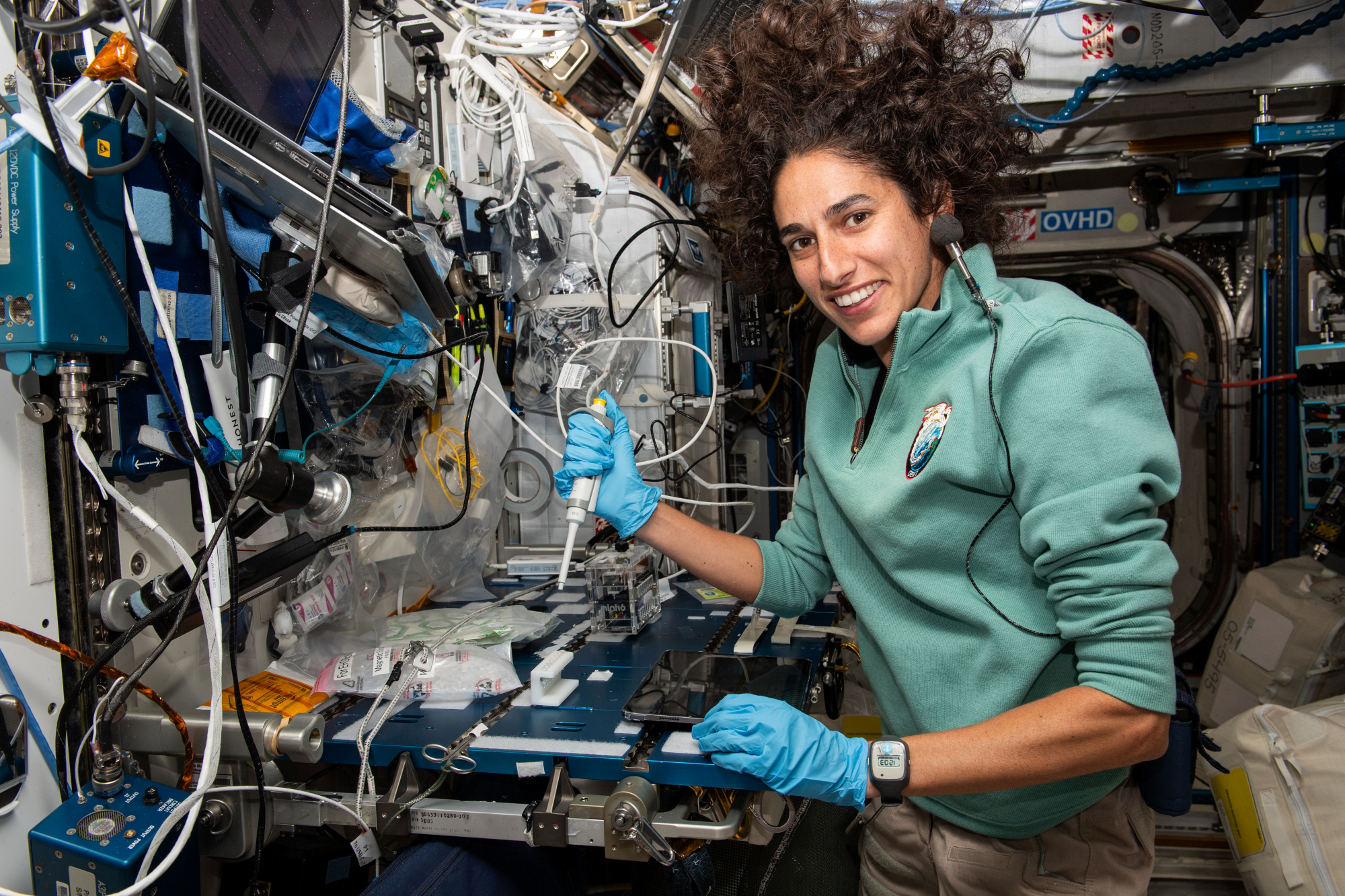
NASA is funding eight new studies to better understand the effects of spaceflight on the human body. These studies will help measure physiological and psychological responses to physical and mental challenges that astronauts may face during long-duration missions. The research projects will address various spaceflight risks, including muscle and bone health, sex differences, crew autonomy and behavior, balance and disorientation, and inflammation of the brain or spinal cord. The selected investigators will receive a total of $1.2 million in funding for their projects, which will last up to one year.

space-exploration2 years ago

Living on 'Virtual Mars': NASA's Groundbreaking Year-long Simulation Begins

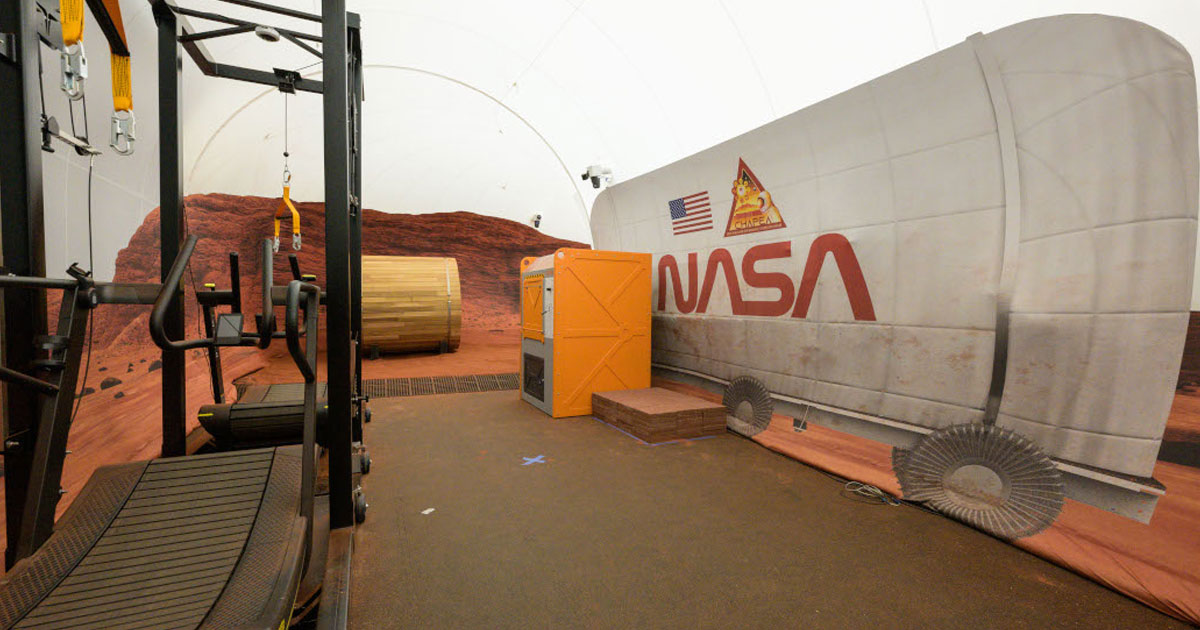
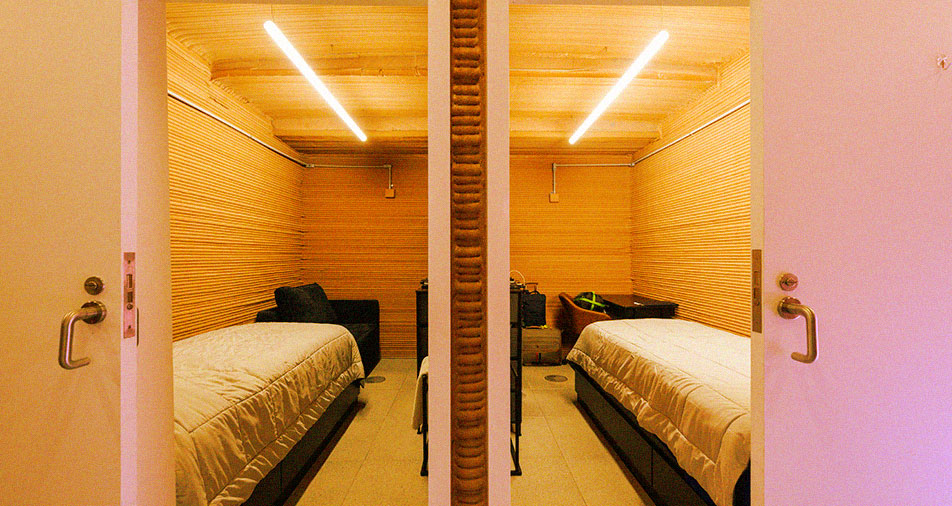
NASA has locked four non-astronaut volunteers inside a simulated Mars habitat for a 378-day mission called CHAPEA 1, the first of three planned simulations. The mission aims to study the potential impacts of long-duration missions to Mars on crew health and performance. The crew will face extreme challenges, including managing equipment failures, environmental stressors, resource limitations, performing spacewalks, and growing crops. The participants will live in close quarters and must maintain exercise, hygiene, and meal preparation routines. The crew has been commended for their dedication to space exploration and science.

space2 years ago

Airbus Creates Artificial Gravity Space Station

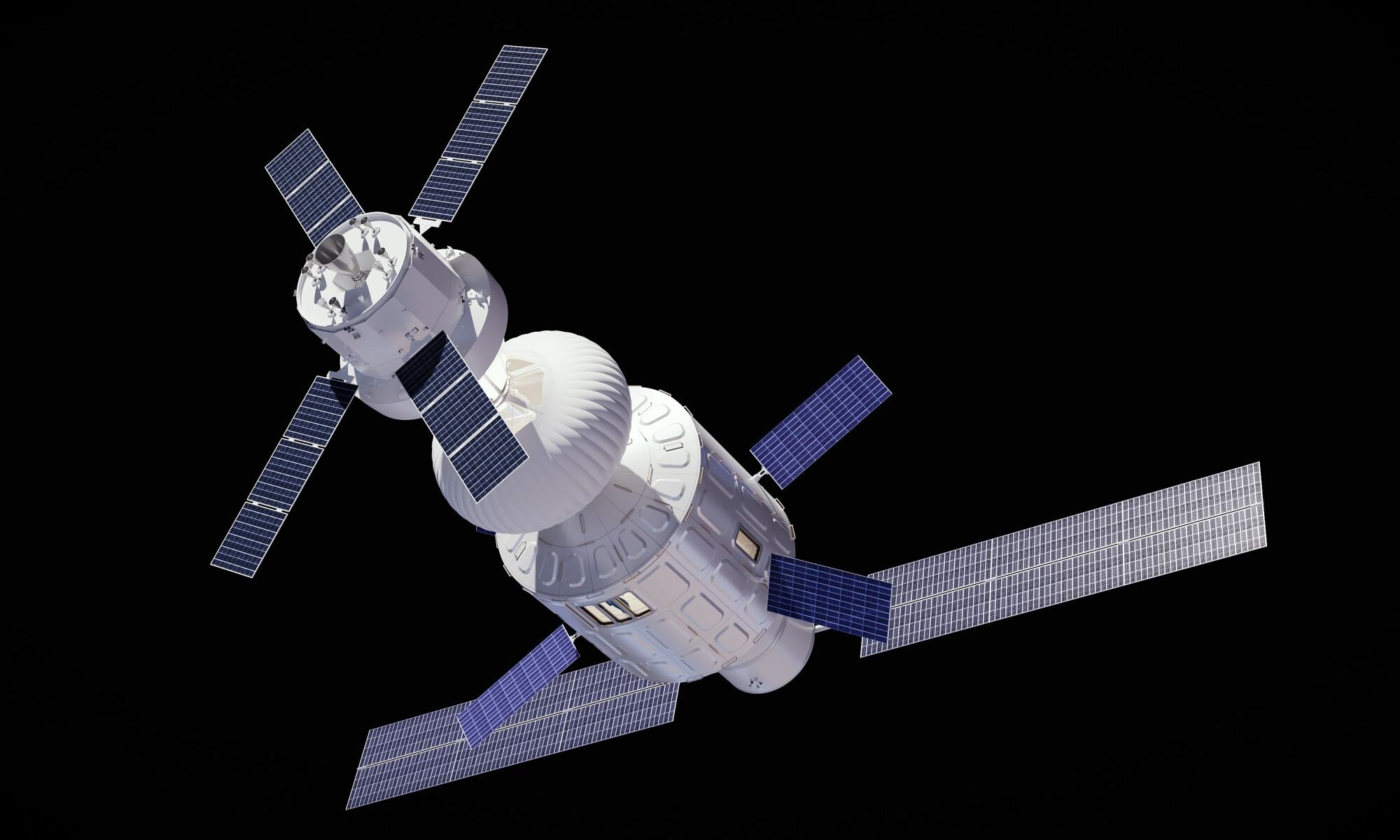
Airbus has proposed a Multi-Purpose Orbital Module (MPOP) called the Airbus LOOP, a modular space segment that contains three decks, a centrifuge, and enough volume for a crew of four, making it suitable for future space stations and long-duration missions to Mars. The centrifuge simulates gravity for two crewmembers at a time, and the module is designed for a crew of four but can reportedly accommodate up to eight astronauts at a time. The LOOP could occupy a role similar to what NASA had in mind with his proposed Nautilus-X concept.

space2 years ago

NASA Prepares for Future Mars Missions with Simulated Habitat and Test Subjects

NASA has selected four civilians to participate in the first stage of its Crew Health and Performance Exploration Analog (CHAPEA) mission, which will test how humans would fare living on Mars. The participants will be locked inside a 1,700-square-foot habitat for roughly a year, with limited food and resources, and will have to contend with equipment failure and other "environmental stressors." The simulation will allow NASA to collect cognitive and physical performance data to give more insight into the potential impacts of long-duration missions to Mars on crew health and performance.

space2 years ago

Hibernation for Long Spaceflights Closer to Reality, Say Scientists.

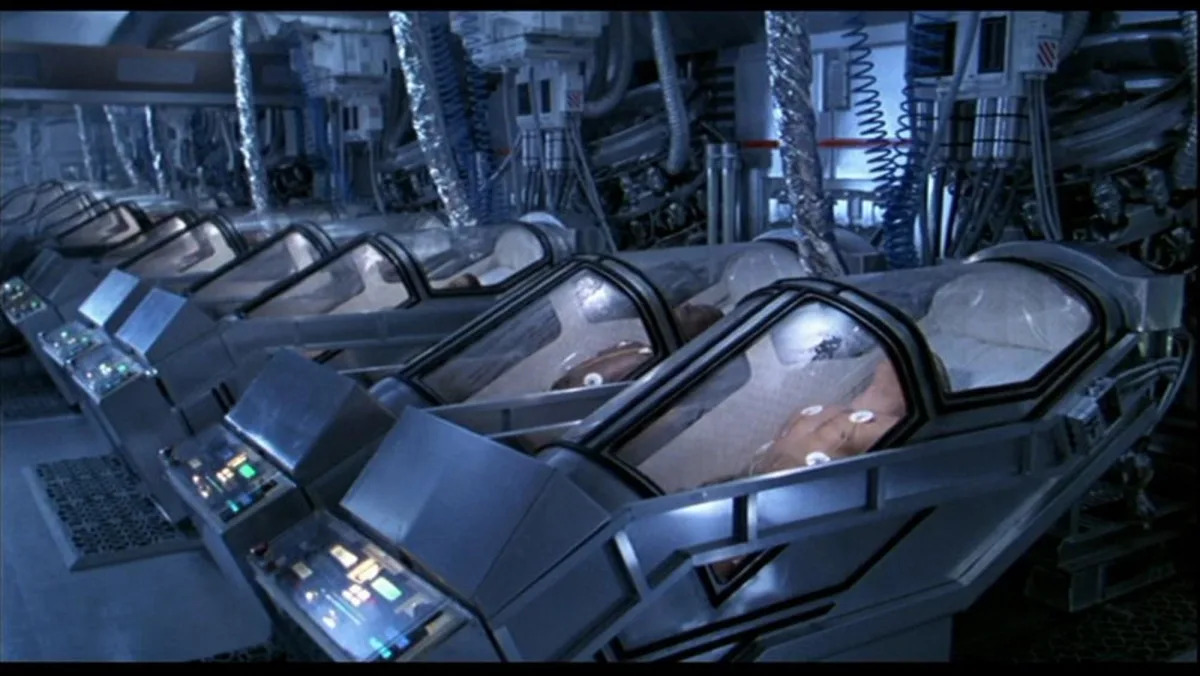
The first hibernation studies with human subjects could be feasible within a decade, according to a European Space Agency (ESA) researcher. Hibernating on a year-long trip to Mars would not just prevent boredom in a tiny space capsule; it would also save mission cost, as the hibernating crew members wouldn't need to eat or drink and would even require far less oxygen than those awake. Research in animals suggests that bodies of hibernating astronauts might waste away much less than the bodies of those awake in microgravity.