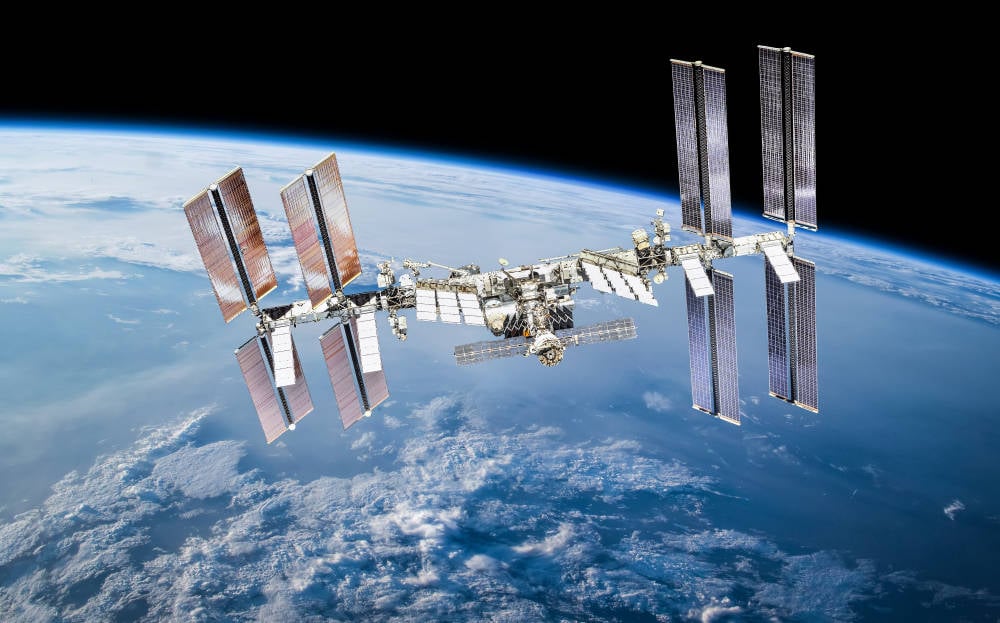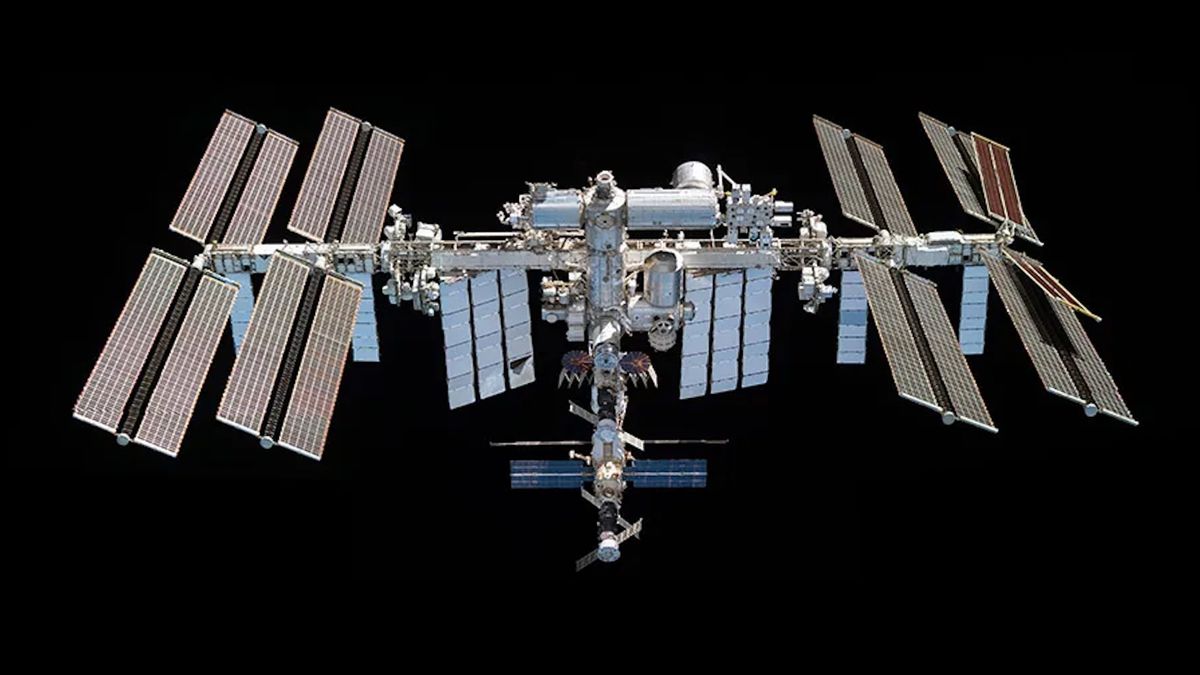
Russia plans to repurpose its existing ISS modules into a new space station by 2030, abandoning its original ambitious design for a polar orbit station, due to logistical, political, and economic challenges, including reliance on damaged launch facilities and uncertain future funding amid ongoing conflicts.
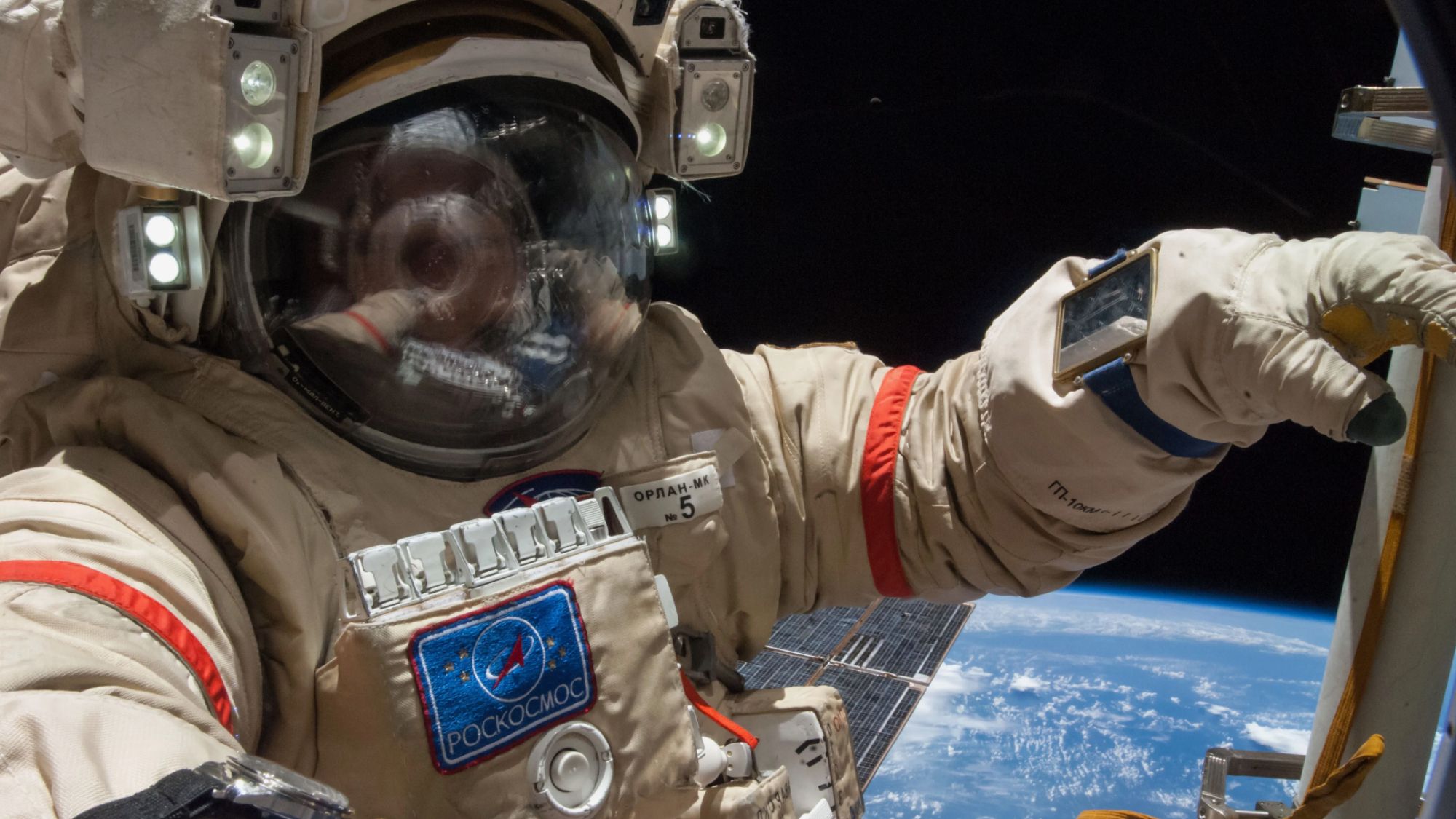
Two Russian cosmonauts, Sergey Ryzhikov and Alexey Zubritskiy, are conducting a 5.5-hour spacewalk outside the ISS to perform maintenance and scientific experiments, with live coverage available through NASA and Space.com.
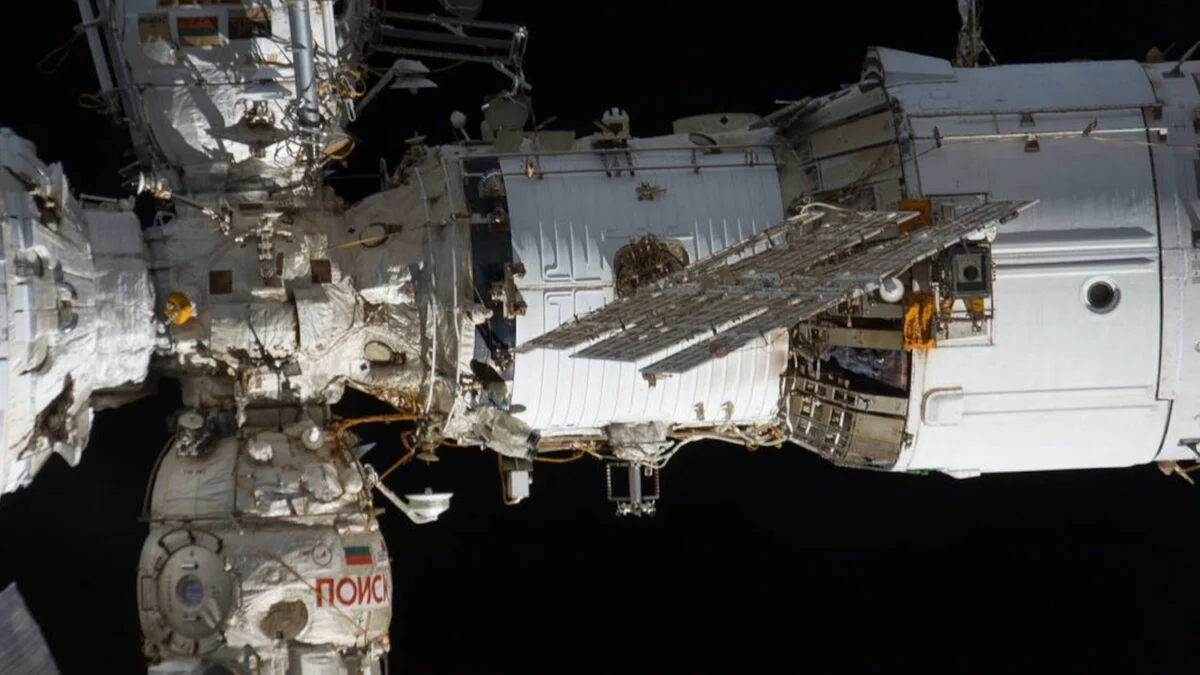
The International Space Station's Russian segment continues to leak air despite multiple repair attempts since 2019, with recent efforts slightly reducing the leak but not eliminating it. The issue poses a safety concern, but the crew remains safe, and ongoing international efforts aim to resolve the problem before it worsens. The leak's persistence has delayed some missions, but operations like NASA's Crew-11 are unaffected for now.
The Russian segment of the International Space Station continues to leak air despite multiple repair attempts, with the leak rate doubling over six years. Roscosmos and NASA are still working to find a permanent fix, and if unsuccessful, they may consider sealing off the Russian module entirely, which would reduce docking options but allow the station to operate normally.
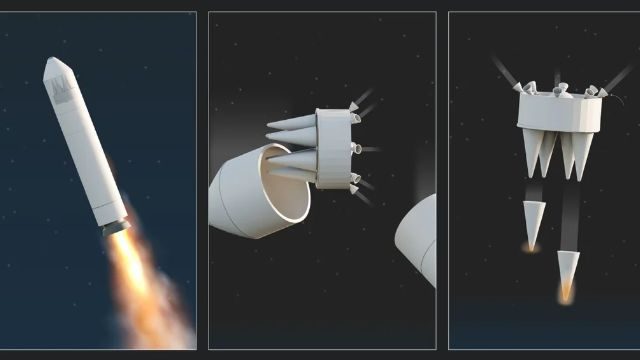
Russia's Oreshnik missile, recently used in a strike on Ukraine's Dnipro, is revealed to be a hybrid system developed by Roscosmos, traditionally known for space exploration. The missile, initially designed as a carrier rocket for small satellites, has been adapted for military use, highlighting the integration of space and military technologies in Russia. The Oreshnik's development reflects Russia's strategic focus on cost-effective, versatile launch vehicles, with potential applications in both civilian and military sectors.
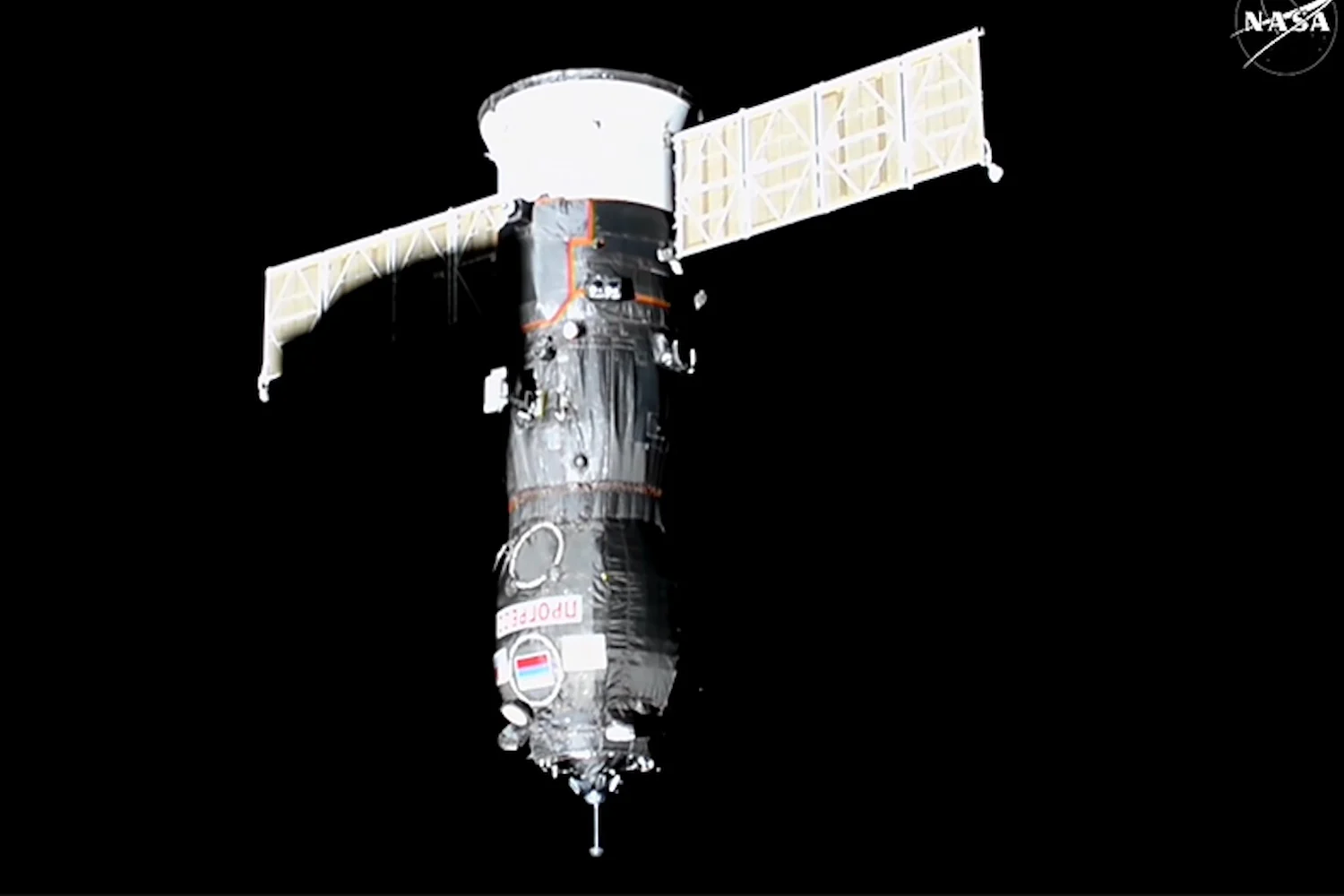
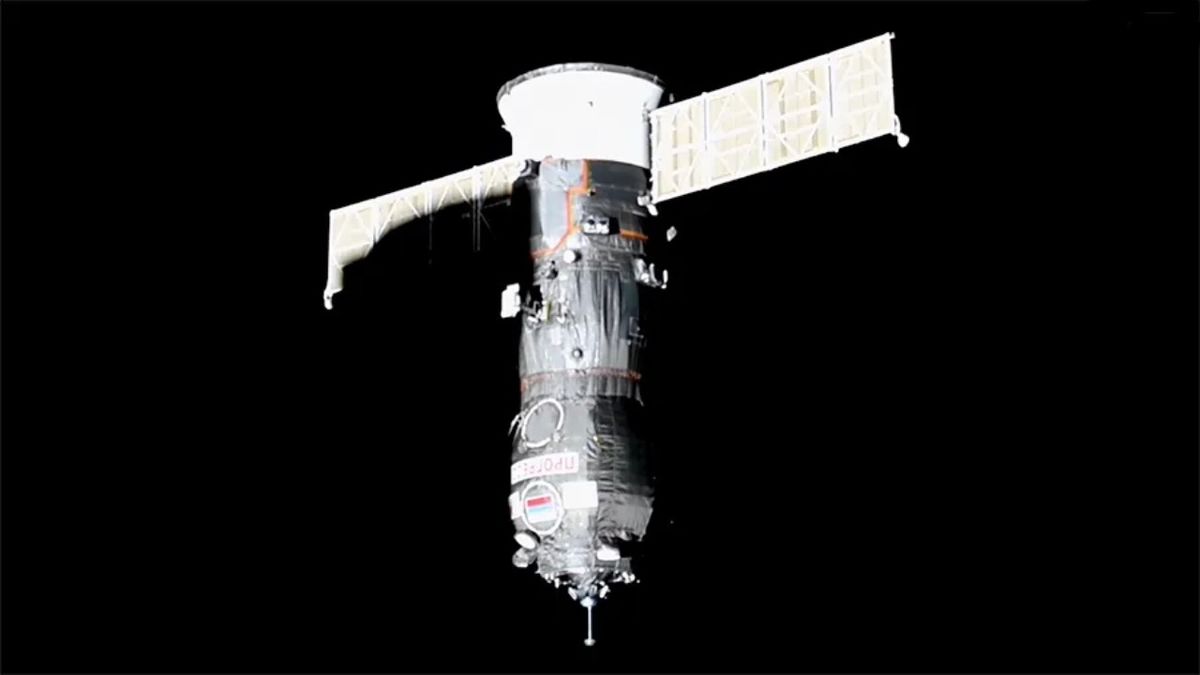
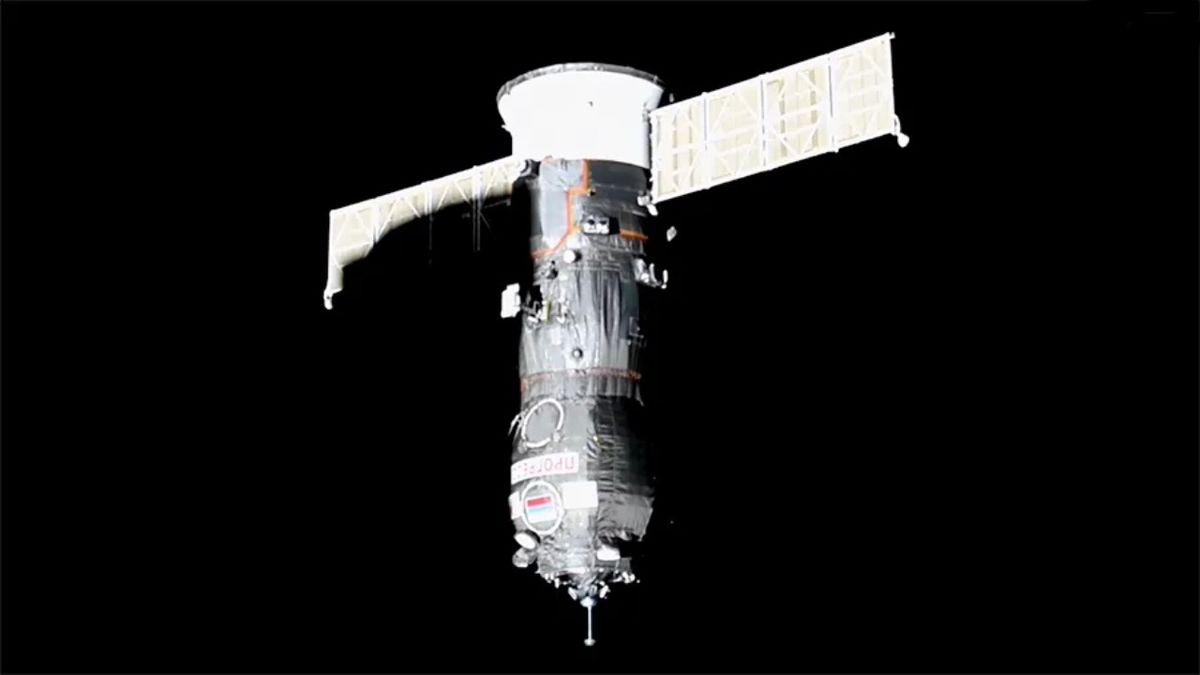
Astronauts aboard the ISS have successfully unpacked cargo from the Russian Progress 90 spacecraft after initially sealing it off due to a foul odor. The smell, which dissipated quickly, was likely caused by outgassing from materials inside the spacecraft. NASA confirmed that air quality remained normal, and the cargo transfer proceeded without issue. The Progress 90 will remain docked for six months before burning up upon reentry, while its predecessor, Progress 89, recently performed an orbit-raising maneuver to avoid space debris.
The International Space Station (ISS) successfully dodged a piece of space debris for the second time in six days, using the thrusters of Russia's Progress 89 freighter to adjust its orbit. The maneuver, which took place on November 25, raised the ISS's orbit by about 1,650 feet to avoid a satellite fragment. This follows a similar evasive action on November 19 to steer clear of debris from a defunct satellite. The increasing congestion in low Earth orbit, with over 40,500 objects larger than 4 inches, poses ongoing challenges for the ISS.
Cosmonauts aboard the International Space Station successfully unpacked a Russian Progress spacecraft after initially closing its hatch due to an unexpected odor and small droplets detected upon docking. The spacecraft, which launched from Kazakhstan, carried nearly three tons of supplies. NASA reported that the odor dissipated quickly after air scrubbing procedures, and cargo transfer operations are now on schedule. The Progress vehicle will remain docked for six months before being used to dispose of trash.
A Russian Progress spacecraft's cargo delivery to the International Space Station was delayed due to a strange odor detected by astronauts. The smell, which NASA suggests was likely outgassing from materials inside the spacecraft, dissipated quickly, allowing cargo transfer operations to proceed as planned. The incident posed no danger to the ISS or its crew, and air quality remained normal. The Progress spacecraft will remain docked for several months before being filled with trash and burned up in Earth's atmosphere.
Astronauts on the International Space Station reported a foul odor after opening the hatch of a recently docked Russian Progress cargo ship. NASA directed inquiries about the smell to Roscosmos, which did not respond. The source of the odor remains unclear, with NASA suggesting it might be due to outgassing from the cargo, while Russia blames the Poisk docking mechanism. This incident highlights ongoing tensions between NASA and Roscosmos, exacerbated by disagreements over other issues like leaks in the Russian segment of the ISS.
The International Space Station (ISS) is facing significant challenges due to a persistent air leak in the Russian PrK module, which has been known since 2019. NASA warns that the leak could lead to a catastrophic failure, threatening the ISS's operation until 2030, while Russian officials downplay its severity. Tensions have escalated following the arrival of a cargo ship with a 'toxic smell,' prompting emergency measures. Despite ongoing discussions, the exact source of the leak remains unidentified, and NASA has raised the threat level, considering evacuation plans.
This week, Landspace is set to launch the enhanced ZhuQue-2E rocket, while SpaceX plans four Falcon 9 missions, including the record-setting Starlink Group 12-1. Roscosmos is also preparing a classified launch from Russia. The ZhuQue-2E, using liquid methane and oxygen, will carry unknown payloads, possibly for the Honghu constellation. SpaceX's missions include Starlink satellite deployments and a classified NROL-126 mission. Additionally, the SXM-9 satellite will be launched to replace the malfunctioning SXM-7, enhancing SiriusXM's broadcasting capabilities.
A Russian Progress cargo spacecraft docked at the International Space Station experienced an 'unexpected odor' upon hatch opening, prompting astronauts to temporarily close it. The odor, accompanied by small droplets, led to precautionary measures, but NASA confirmed the ISS air quality remains normal. The incident follows previous issues with Russian spacecraft, though no immediate link is established. The Progress spacecraft will remain docked for several months before departing with waste.
A Russian spacecraft docking at the International Space Station emitted a foul odor, prompting cosmonauts to use protective gear and activate additional air-scrubbing systems. NASA reported no immediate danger to the crew, though the source of the smell remains unclear. This incident adds to a series of technical challenges faced by Roscosmos, exacerbated by financial and staffing issues linked to the ongoing conflict in Ukraine.
NASA and Roscosmos are at odds over how to address a persistent air leak in the Russian segment of the International Space Station (ISS), which has been ongoing since 2019. NASA warns that the leak could lead to a "catastrophic failure" and jeopardize the ISS's operation until 2030, while Russian officials downplay its severity. The agencies have agreed to seal off the leaky module if air loss becomes critical, but they differ on what constitutes an untenable rate. NASA is preparing contingency plans, including additional evacuation seats on SpaceX missions.