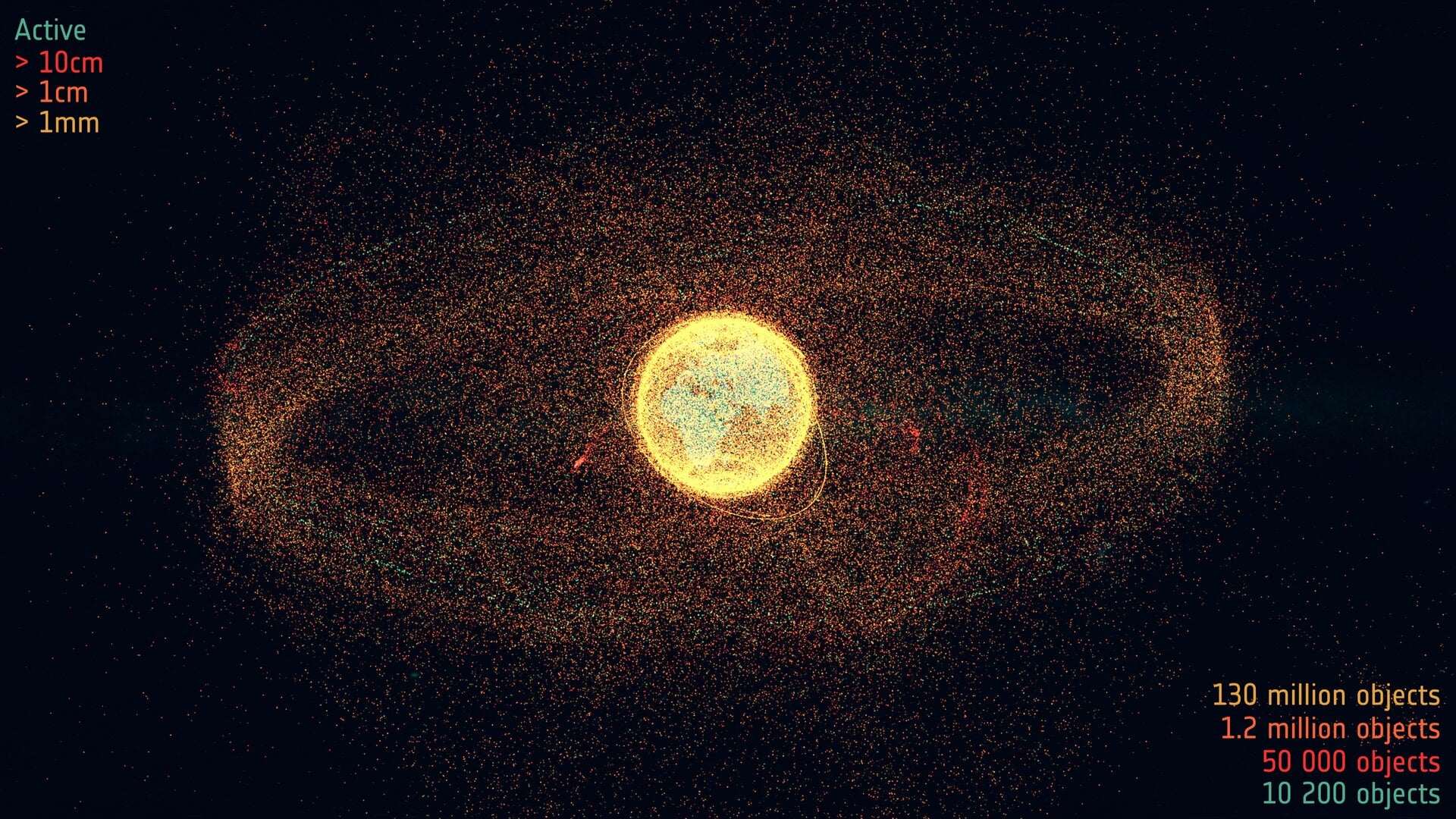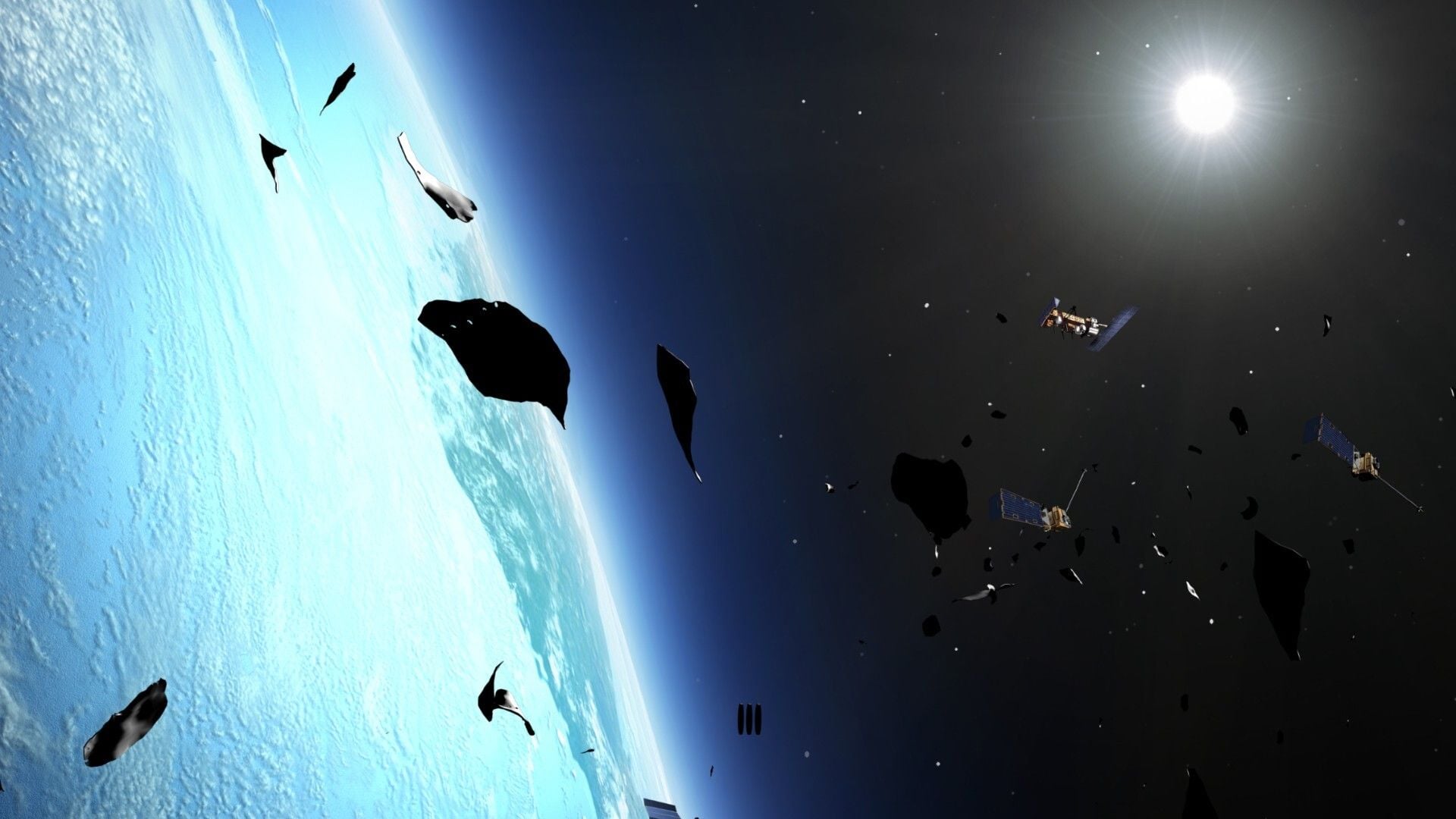
In 2025, space debris around Earth has reached nearly 130 million pieces, causing increased collision risks and prompting emergency responses like China's spacecraft re-entry delay, highlighting the urgent need for better debris tracking, international cooperation, and sustainable space practices to prevent future crises.
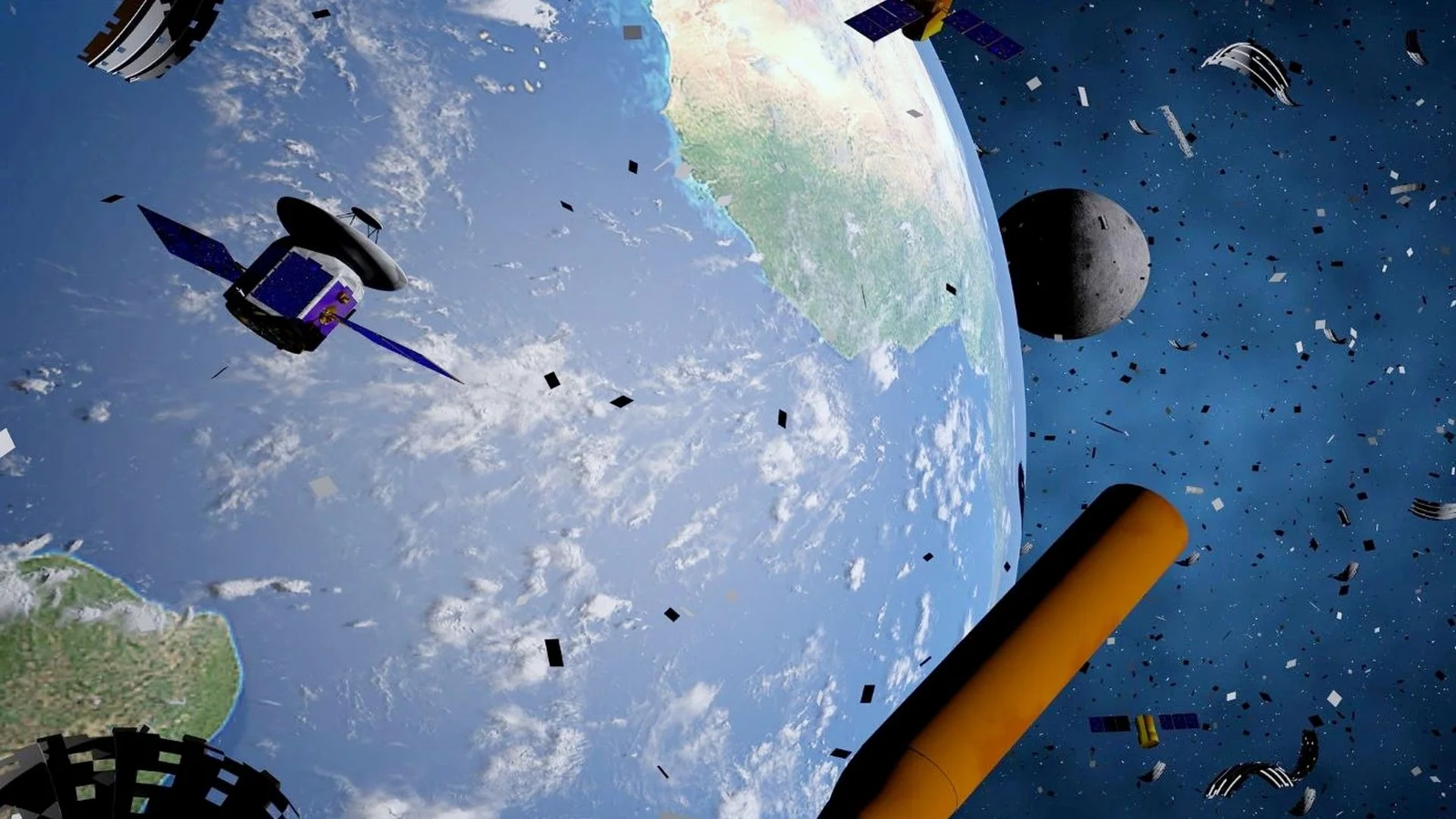
A new study warns that a severe solar storm could trigger satellite collisions in Earth's orbit within days, especially in low Earth orbit where most satellites like SpaceX's Starlink operate, potentially leading to a cascade of debris and making space unusable. The risk is higher now than in 2018 due to increased satellite numbers, and future solar storms could cause significant disruptions if satellite operators are unprepared.
The European Space Agency (ESA) has introduced a Space Environment Health Index to quantify the impact of human activities on Earth's orbital environment, highlighting that current space debris levels are four times higher than the sustainability threshold and emphasizing the need for stronger mitigation efforts to ensure long-term space sustainability.
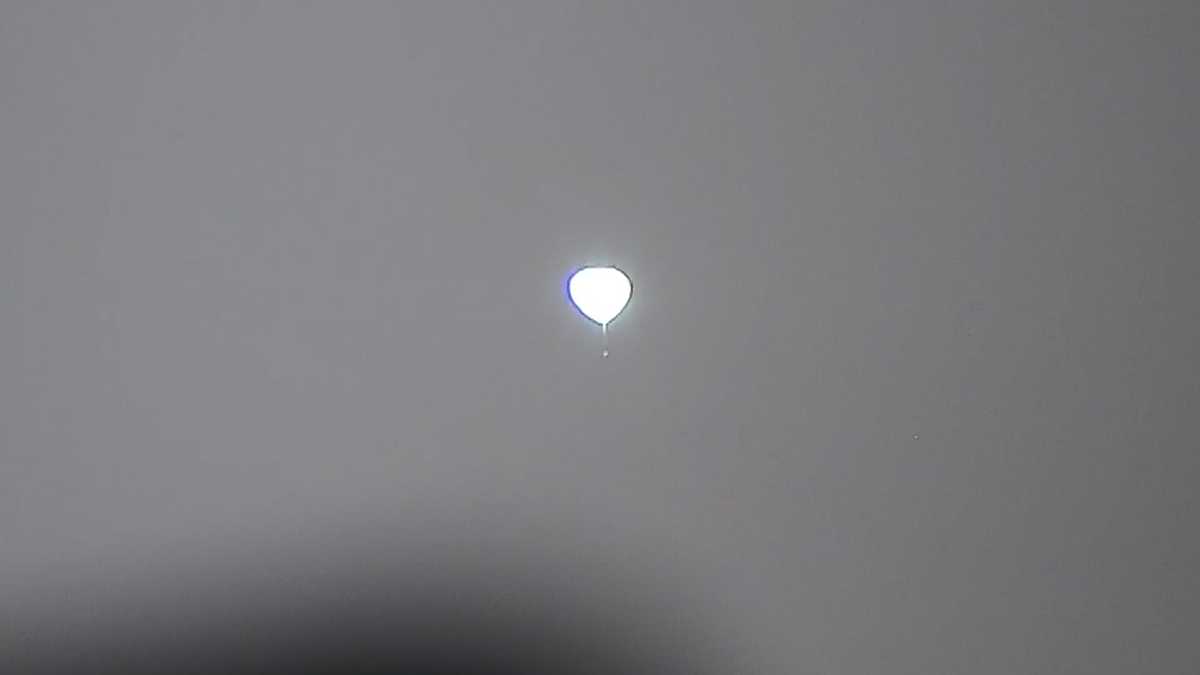
A high-altitude scientific balloon launched by NASA from Fort Sumner was spotted over Albuquerque, with a second balloon launched from Kirtland AFB, both used for atmospheric and space research.
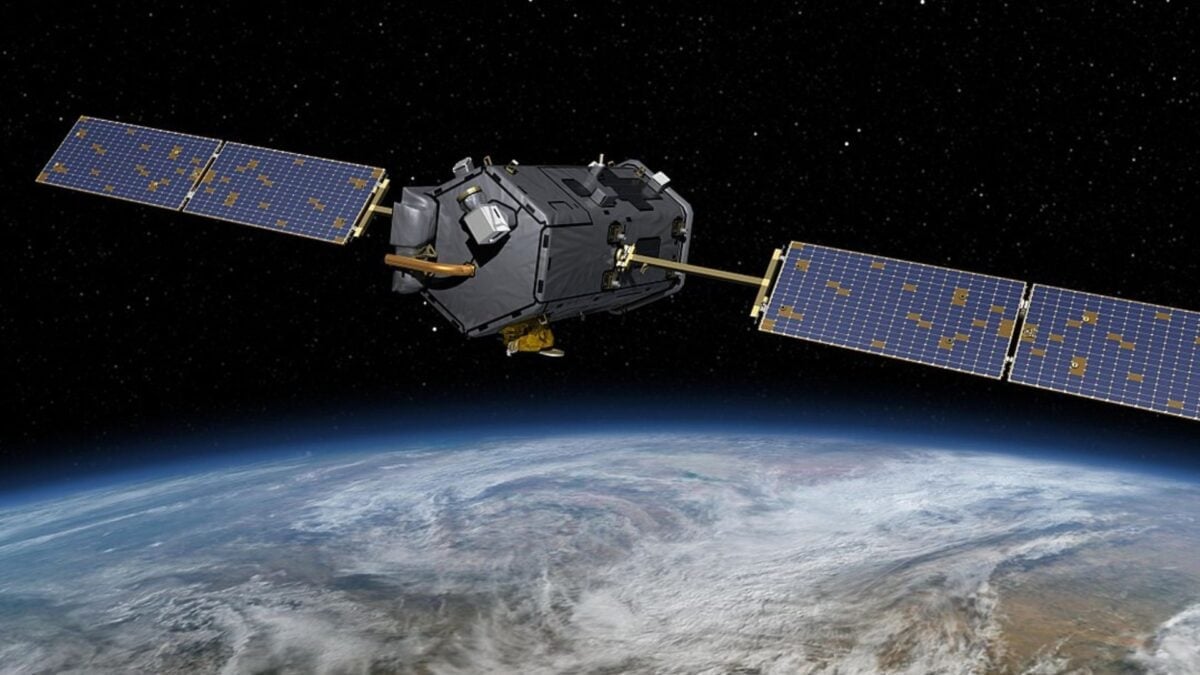
Scientists have identified a direct link between electron flux peaks in space and electrical discharges on satellites, which can cause damage. Using sensors on a satellite, they observed that high electron activity precedes electrical surges by 24 to 45 minutes, opening possibilities for predicting and mitigating satellite damage from space weather events.
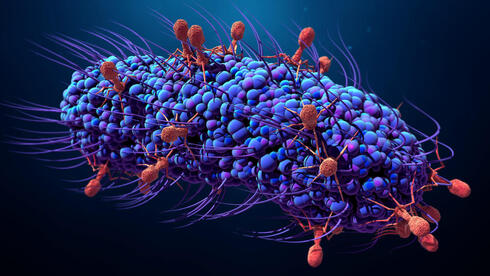
Scientists have discovered a new bacterial species, Niallia tiangongensis, on China's Tiangong space station, which exhibits unique traits like biofilm formation and radiation resistance, highlighting the importance of understanding microbial life in space for crew safety and potential biotechnological applications.
The FAA has proposed a rule to limit new orbital debris from commercial space vehicles in order to reduce the risk of collisions with spacecraft and satellites. The proposed rule focuses on how commercial operators will be required to dispose of the upper stages of their launch vehicles, offering five disposal options. The FAA aims to align commercial space orbital debris mitigation practices with those accepted by the U.S. government for its space missions. The rule will be open for public comment for 90 days.
Start-up companies are working towards making human reproduction in space a reality, addressing the challenges of building a self-sustaining human population on Mars. Scientists need to determine how reproduction can occur in a hostile space environment, which lacks gravity, is bombarded with harmful radiation, and lacks essential resources.
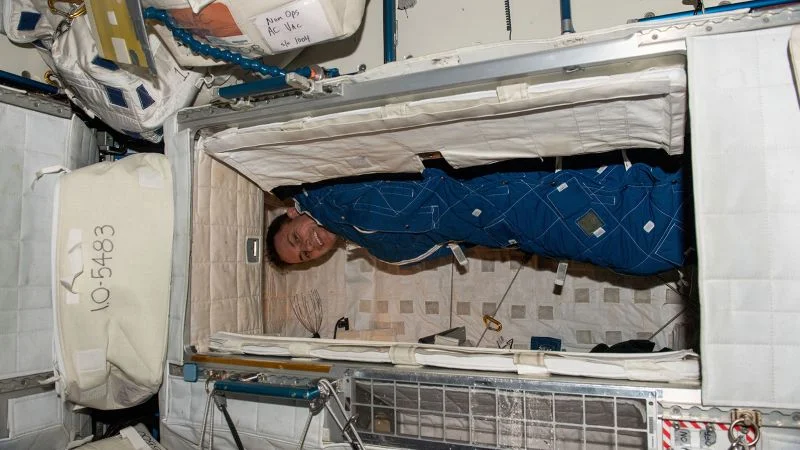
Astronauts face challenges in sleeping during space missions due to the unique space environment and the need to establish a natural sleep cycle. NASA researchers are developing tools to help astronauts overcome sleep challenges, including managing exposure to blue light and shifting sleep schedules. Simulated missions on Earth, such as the Human Exploration Research Analog, allow for more control and data collection. NASA is also monitoring the sleep of Earth-bound scientists and engineers working on Mars missions to better understand the effects of the planet's longer day on the human body. Understanding sleep is crucial for astronaut performance, alertness, and relationships during long-duration missions to Mars.