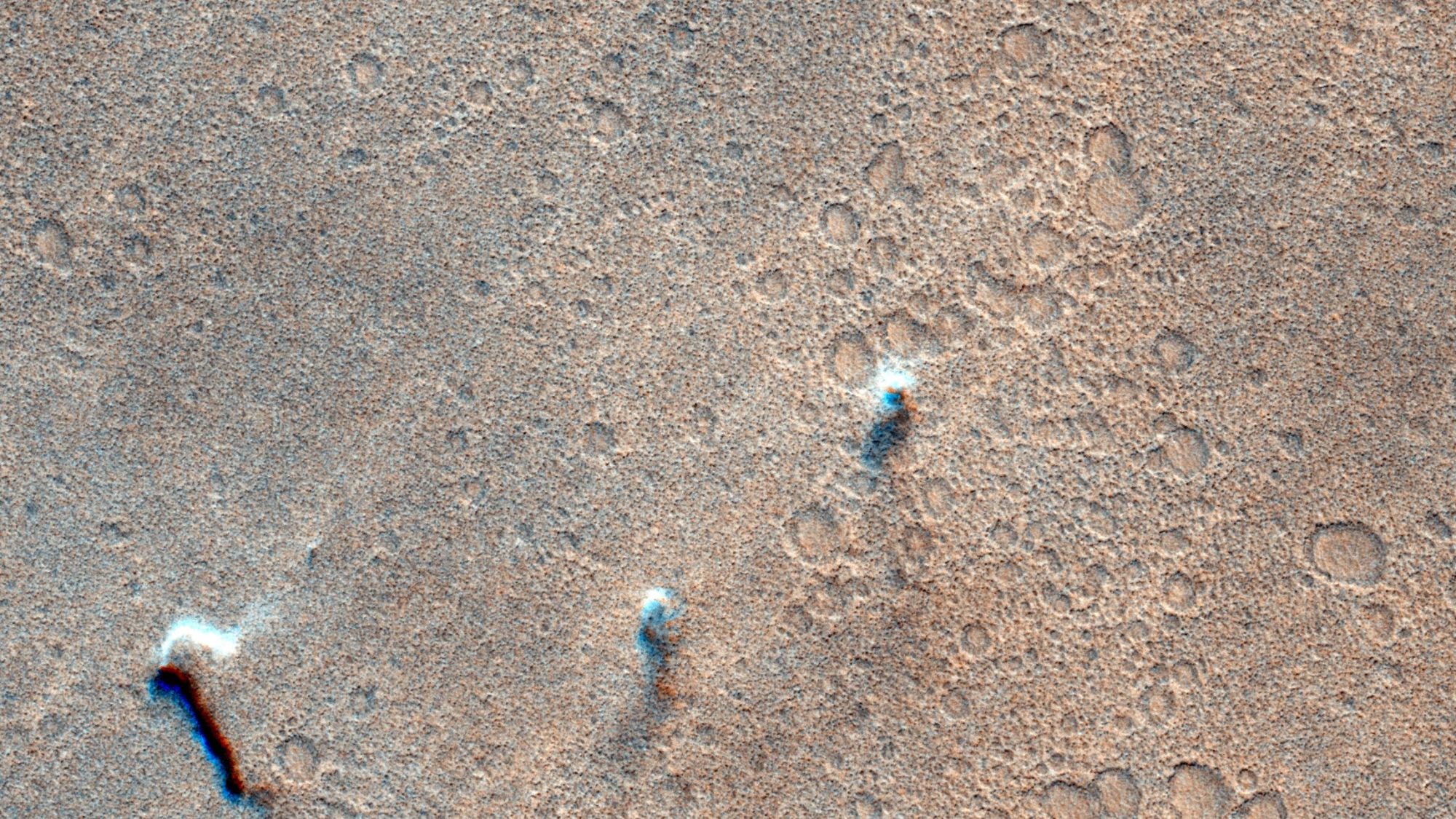
A new study using 20 years of ESA satellite data reveals that dust devils on Mars can reach speeds up to 98 mph, far faster than previously thought, and provides insights into Martian wind patterns and dust behavior, which are crucial for future missions and climate understanding.
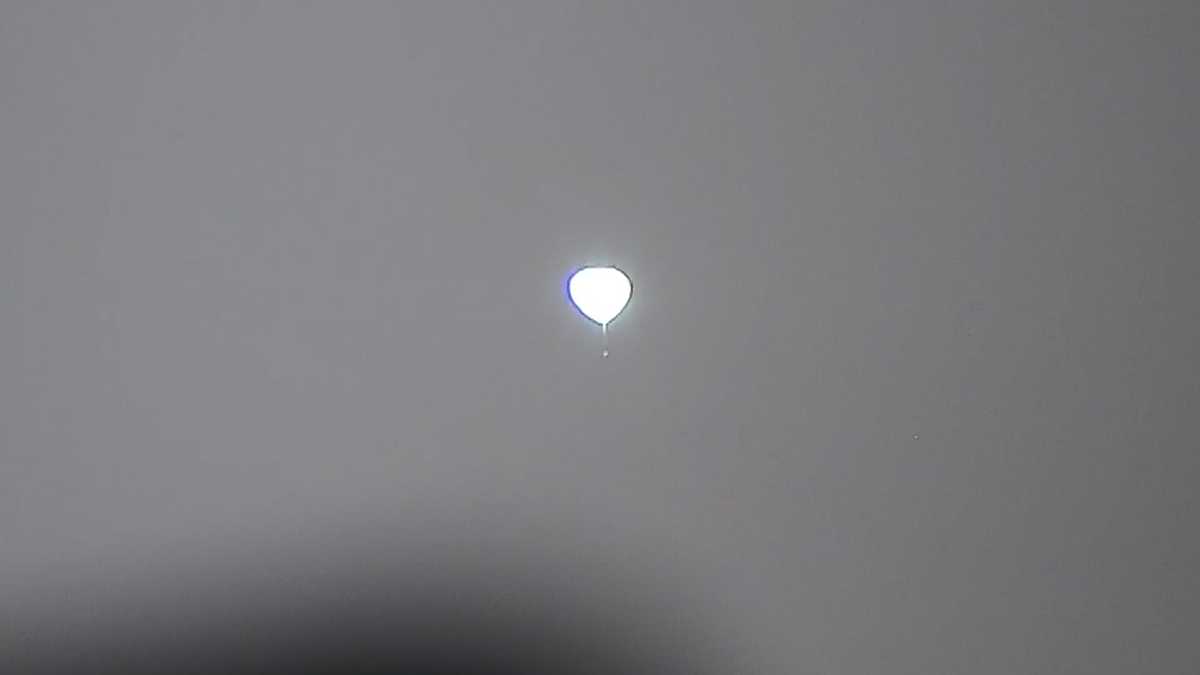
A high-altitude scientific balloon launched by NASA from Fort Sumner was spotted over Albuquerque, with a second balloon launched from Kirtland AFB, both used for atmospheric and space research.
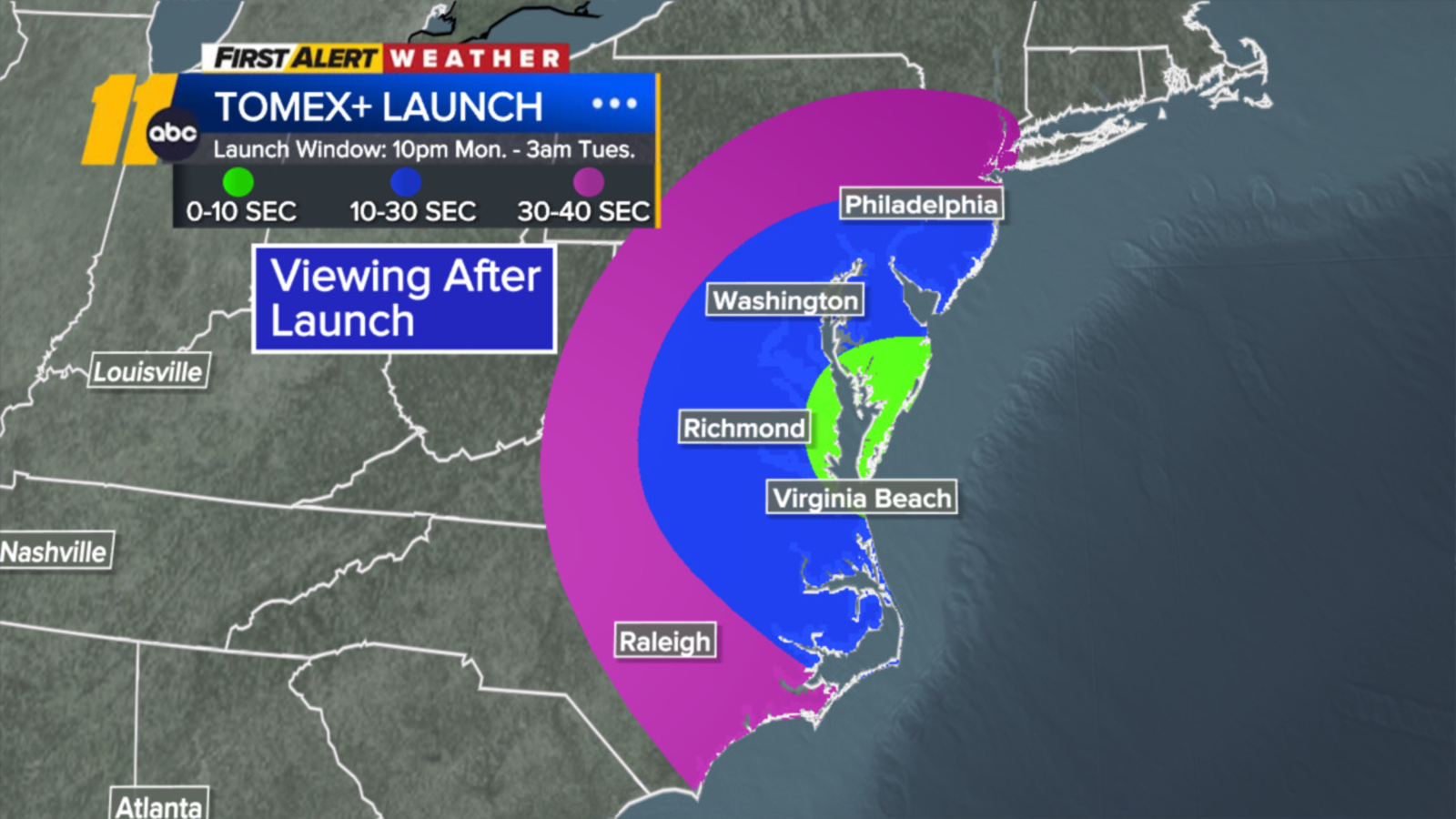
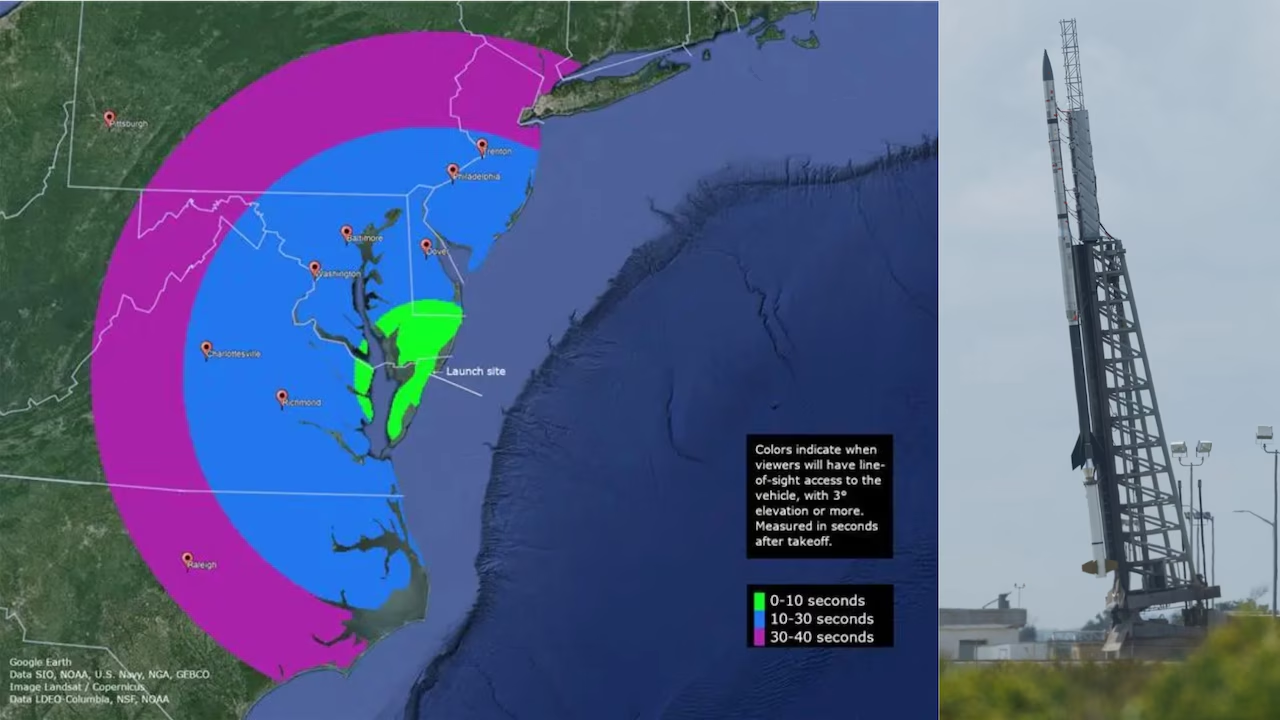
The launch of NASA's TOMEX+ sounding rocket from Virginia was postponed due to weather conditions and is now scheduled for Tuesday night, aiming to study the mesopause and atmospheric processes, with visibility possible in North Carolina if weather permits.
NASA is launching three rockets from Wallops Flight Facility, including two with colorful vapor trails visible from several eastern states, to study upper atmospheric turbulence and the mesopause, with a livestream available for public viewing.
Scientists documented over 100 red sprite lightning strikes above the Himalayas, providing new insights into high-altitude electrical phenomena and highlighting the region's unique geography in influencing storm dynamics. The event underscores the importance of citizen scientists in atmospheric research and advances understanding of how thunderstorms impact the Earth's upper atmosphere and climate.
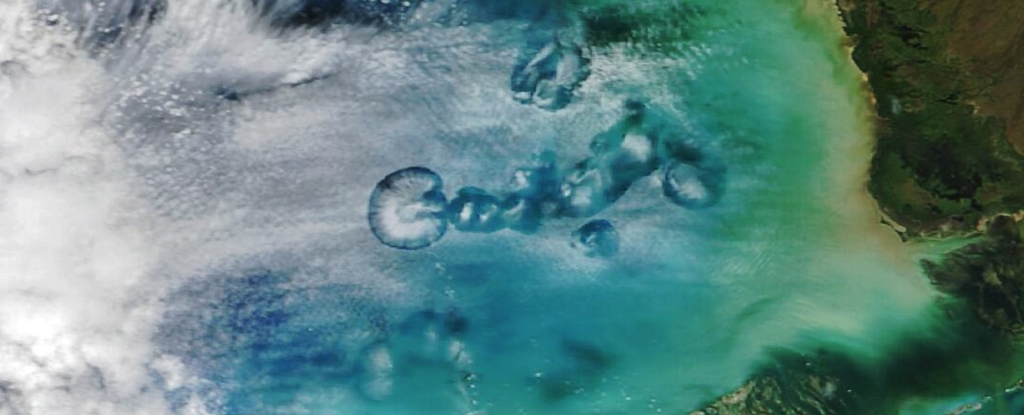
NASA's Terra satellite captured a photo of cavum clouds, also known as hole-punch clouds or fallstreak holes, over the Gulf of Mexico. These unusual cloud formations are created when airplanes pass through mid-level altocumulus clouds, leaving behind large circular gaps. Researchers have been studying this phenomenon since the 1940s, and recent studies have provided explanations for their formation. The Terra satellite's data helps researchers map the impact of human activity and natural disasters on Earth's atmosphere and climate change.
Cavum clouds, also known as hole-punch clouds, are caused by airplanes moving through supercooled altocumulus clouds, leading to the formation of ice crystals and the creation of distinctive voids in the cloud layer. Studies led by University Corporation for Atmospheric Research (UCAR) scientists in 2010 and 2011 provided a comprehensive explanation for these phenomena, dispelling otherworldly theories. Factors such as aircraft type, angle of passage through the clouds, cloud thickness, air temperature, and wind shear can affect the size and duration of these unique cloud formations.
University of Helsinki researchers have discovered extensive aerosol particle formation in the West Siberian taiga, challenging previous assumptions and linking it to heatwave conditions and a warming climate. This finding emphasizes the need for more research in boreal forests to inform climate modeling and policy decisions, as aerosol particles play a significant role in the Earth's cooling process and can impact climate through cloud formation and sunlight absorption.
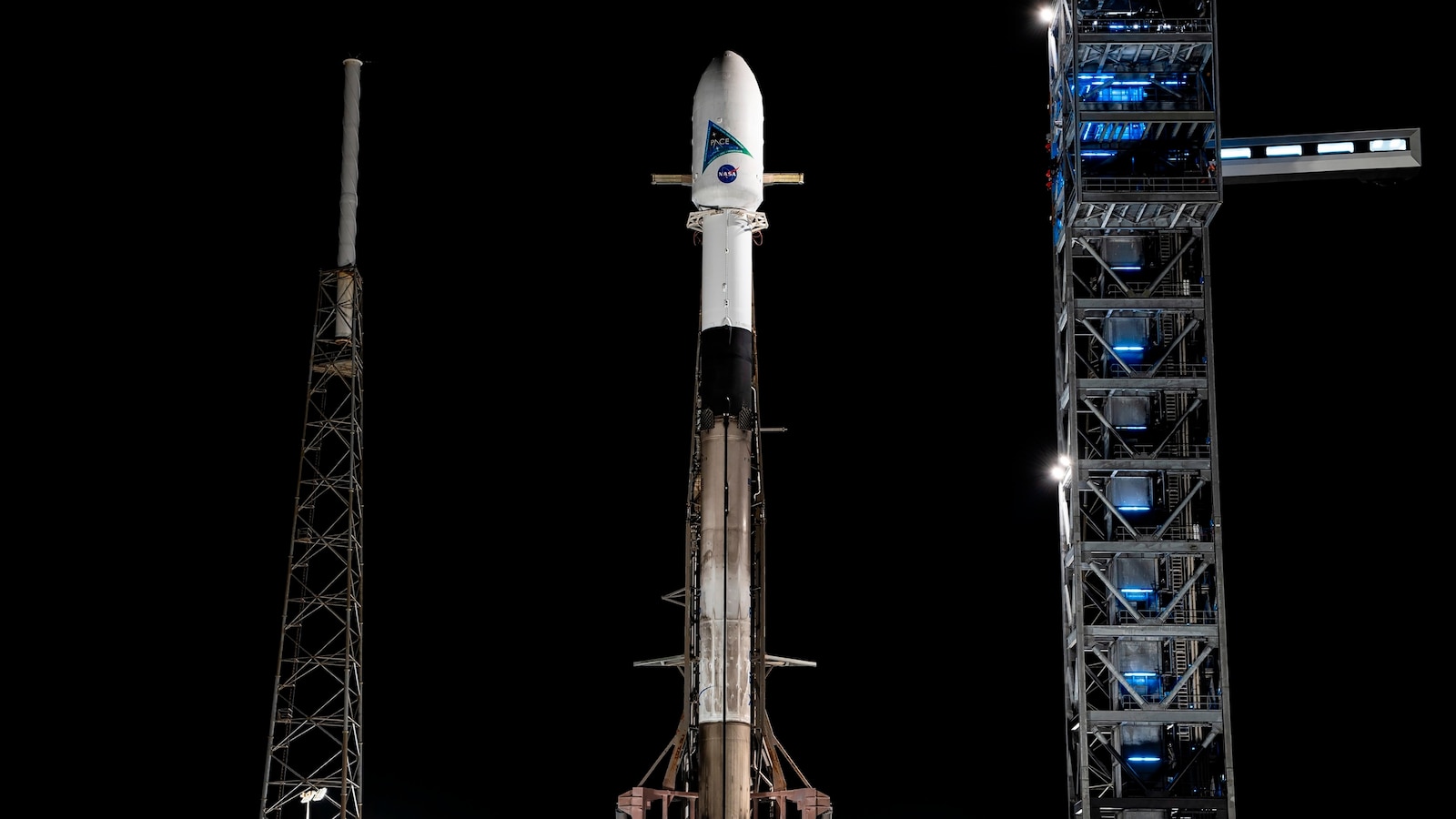
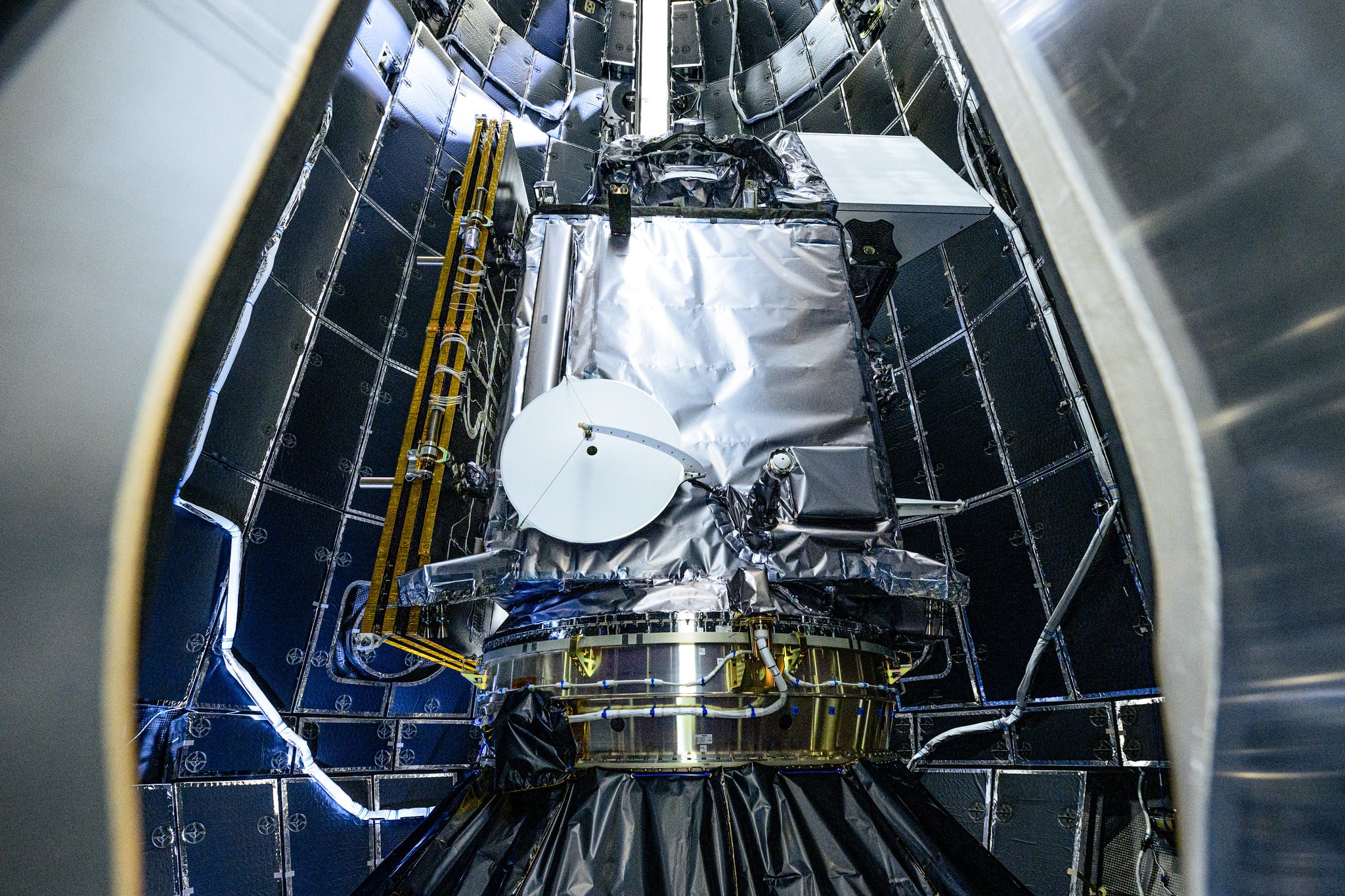
NASA's PACE spacecraft, set to launch from Florida's Cape Canaveral Space Force Station, aims to collect data on oceanic and atmospheric phenomena such as clouds, aerosols, and phytoplankton growth. The mission will help scientists understand ocean health, marine life, air quality, and climate, with a focus on carbon dioxide exchange and aerosol impact on phytoplankton growth. PACE will orbit at a 676.5 km altitude for three years, using instruments to measure ocean color, characterize aerosols, and study aerosol particles and clouds. The mission is expected to provide unprecedented detail on Earth's water system and different phytoplankton species.
NASA's PACE spacecraft, equipped with instruments to study the Earth's oceans and atmosphere, is set to launch on a Falcon 9 rocket on February 6. The mission, previously targeted for cancellation, aims to advance understanding of ocean ecosystems, climate change, and atmospheric dynamics. PACE will provide data on ocean color, phytoplankton, aerosols, and cloud formation, with a design life of three years but potential for a longer mission. Despite budget cut attempts, Congress restored funding for the nearly billion-dollar mission, emphasizing its importance in advancing Earth science research.
Astronaut Andreas Mogensen captured a rare video of a red sprite, a type of Transient Luminous Event (TLE), hovering above a thundercloud from low Earth orbit. Red sprites are elusive and spectacular phenomena that occur above thunderstorms and have captivated scientists and sky-watchers. They were discovered in the late 20th century and are part of a family of upper-atmospheric phenomena linked to thunderstorm activity. Red sprites offer valuable insights into atmospheric electricity and upper-atmosphere conditions, but studying them remains challenging due to their unpredictability and brief lifespan. Continued research and observation promise to uncover more secrets about these ephemeral lights and deepen our understanding of Earth's atmospheric dynamics.
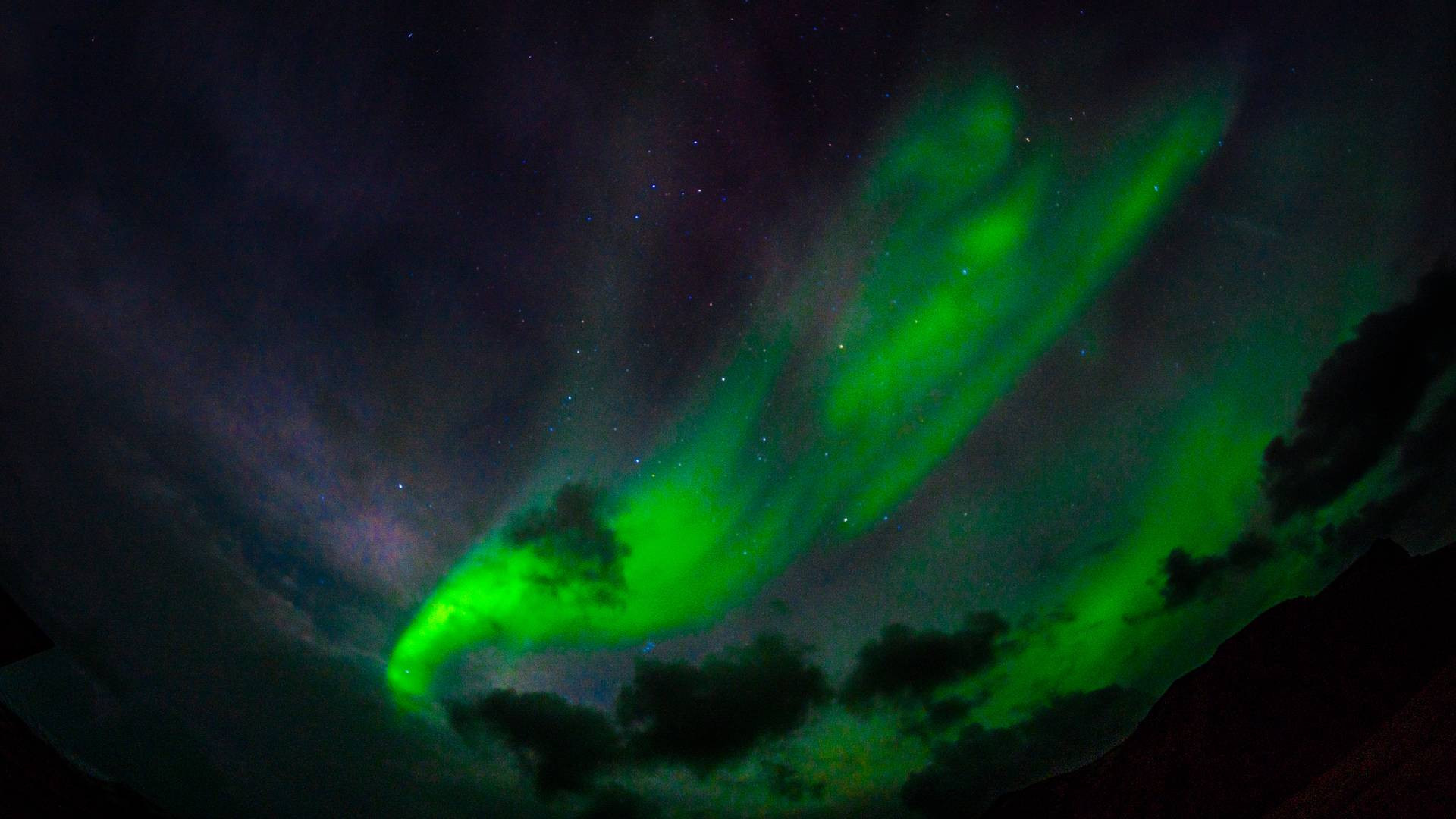
Scientists will create an artificial airglow in the sky for four days using the HAARP facility in Alaska. The purpose of this experiment is to study the ionosphere, a region of the upper atmosphere that contains ions and free electrons. Artificial airglow is a natural light emission caused by solar and cosmic radiation interacting with atmospheric molecules. This research aims to gain a better understanding of the celestial properties of airglow and its impact on the ionosphere.
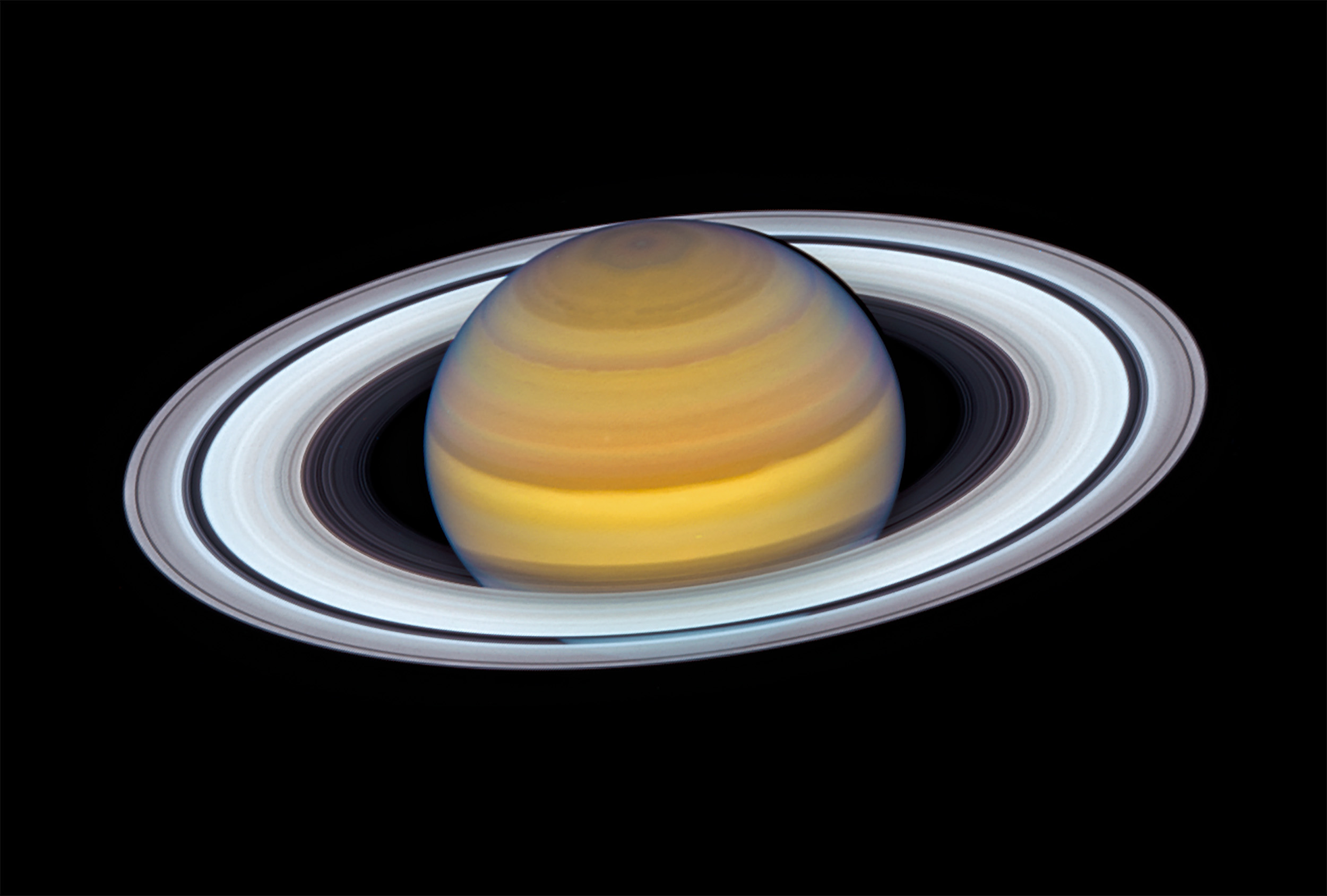
A new study has revealed that Saturn, often considered more subdued than Jupiter, experiences colossal megastorms that can last for centuries. Using radio emissions analysis, researchers discovered disturbances in ammonia gas distribution linked to past megastorms in Saturn's northern hemisphere. The study found that these storms can cause long-lasting shifts in the planet's atmosphere, challenging current knowledge of terrestrial meteorology. The findings highlight the differences between Jupiter and Saturn's atmospheric behaviors and could reshape our understanding of megastorms on other planets and exoplanets.