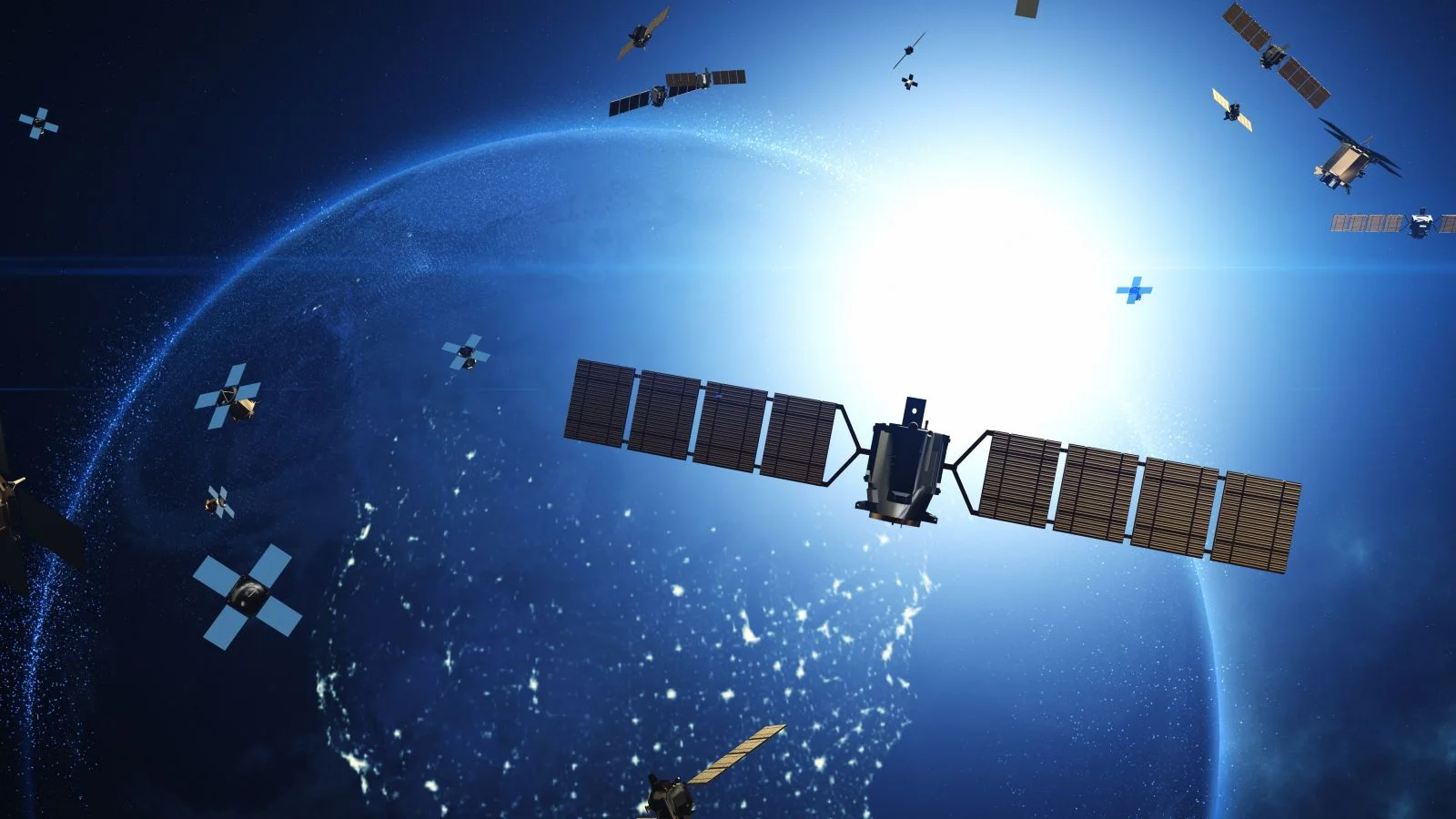
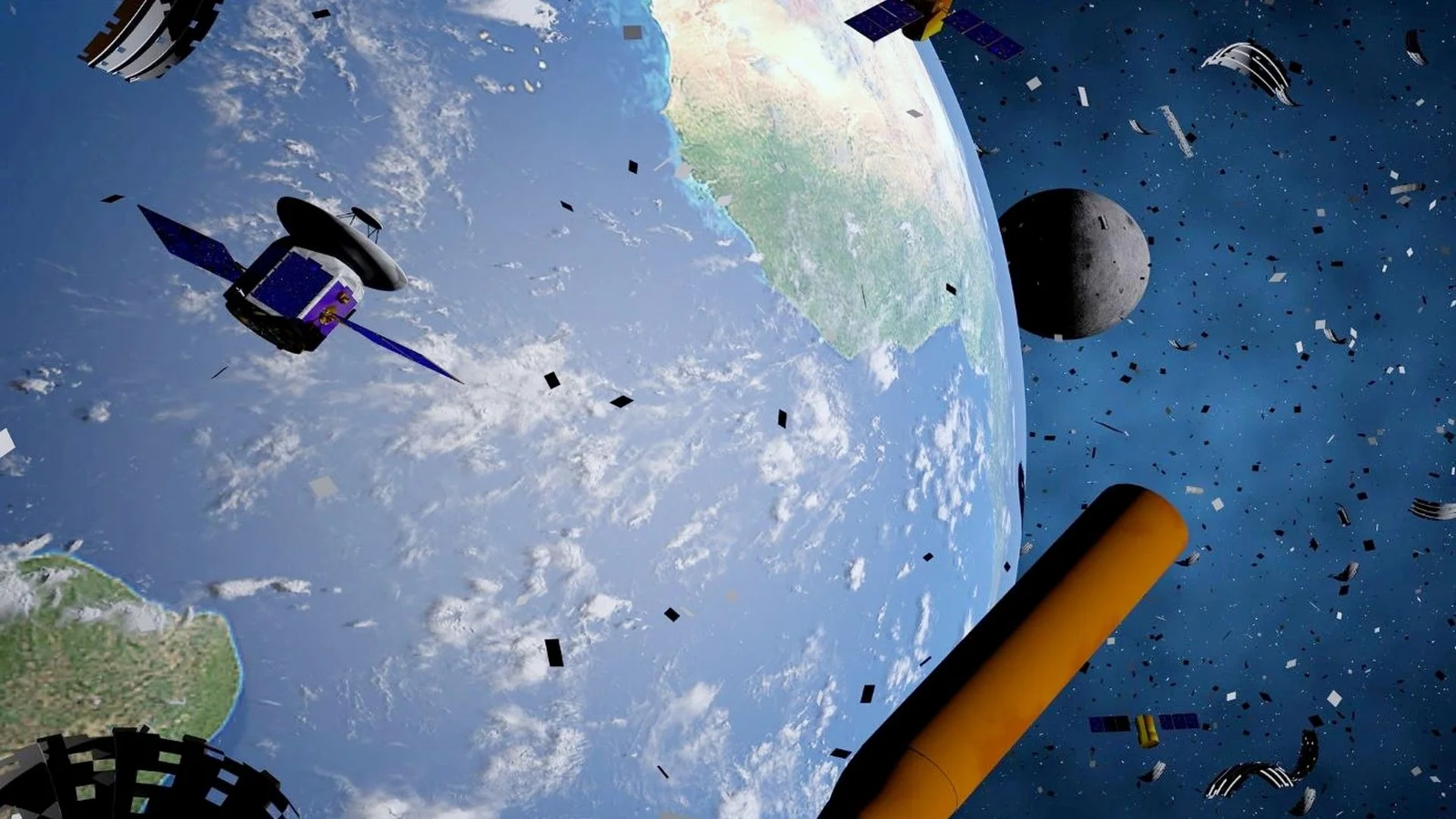
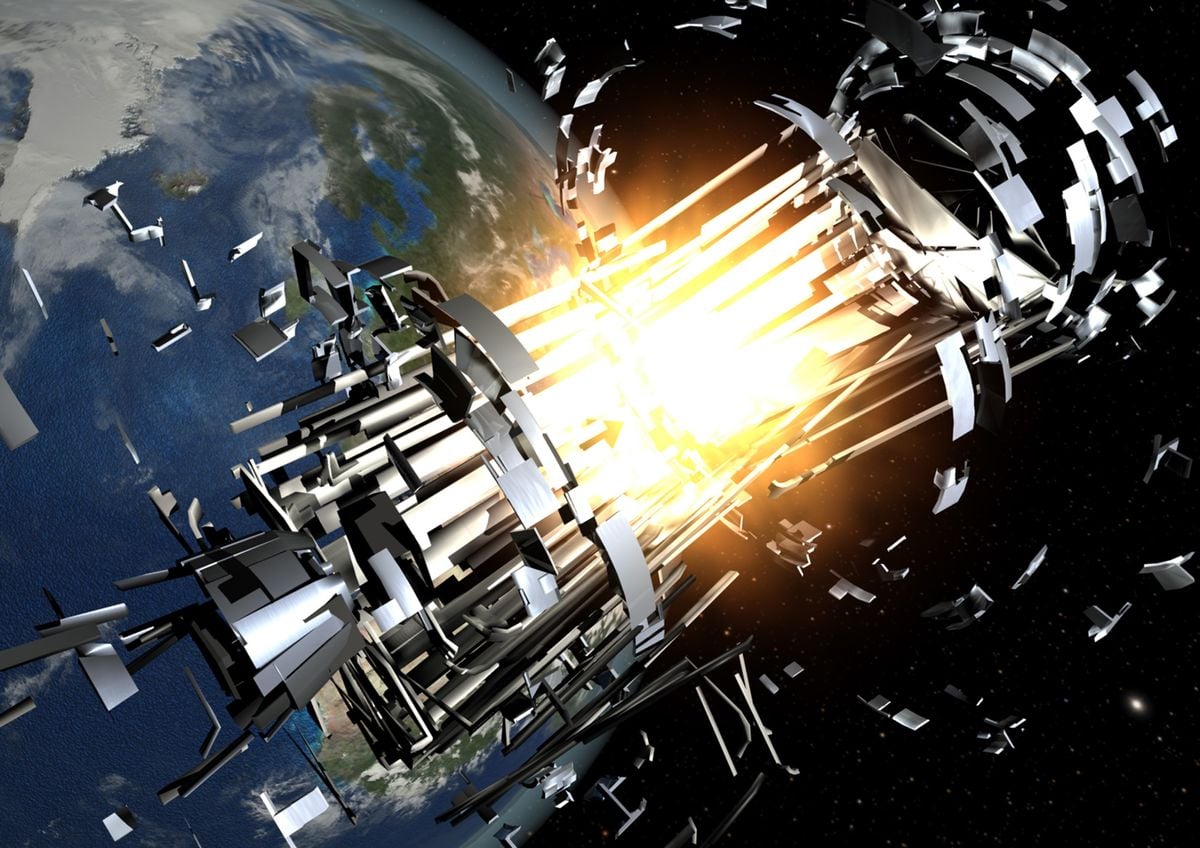
A new 'CRASH Clock' study warns that in a worst-case scenario, Earth-orbiting satellites could start colliding within less than three days, a significant decrease from previous estimates, driven by the rapid increase in satellite numbers and potential space weather events, raising concerns about space debris and the Kessler Syndrome.
A new study warns that a severe solar storm could trigger satellite collisions in Earth's orbit within days, especially in low Earth orbit where most satellites like SpaceX's Starlink operate, potentially leading to a cascade of debris and making space unusable. The risk is higher now than in 2018 due to increased satellite numbers, and future solar storms could cause significant disruptions if satellite operators are unprepared.
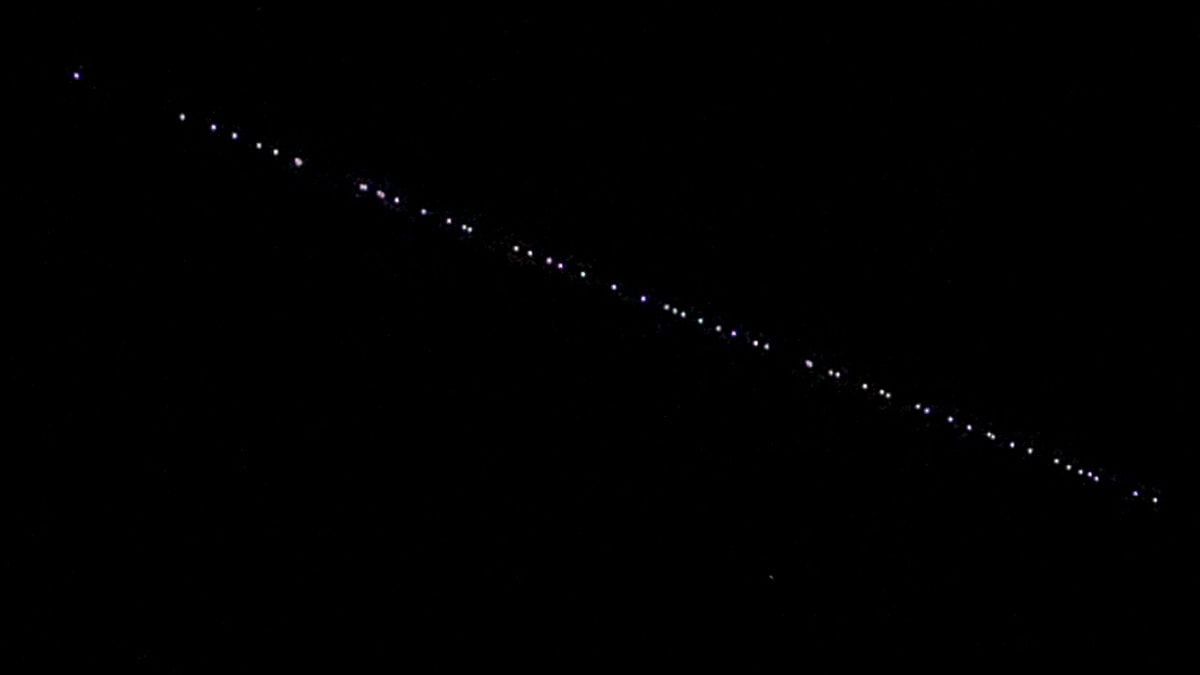
Researchers have found that attempting to avoid satellite collisions in orbit actually increases the risk of future collisions due to the limitations of current space traffic management methods. After each avoidance maneuver, operators and space traffic observers have only a rough idea of the satellite's actual location, leading to inaccurate collision predictions for several days. With the increasing number of satellites in space, such uncertainties pose a significant concern. For example, SpaceX's Starlink internet megaconstellation had to perform 25,000 collision avoidance maneuvers in a six-month period, and this number is expected to double as the constellation grows. Inaccurate data after each maneuver could lead to devastating crashes, as demonstrated by the 2009 collision between the U.S. satellite Iridium 33 and Russia's Kosmos-2251. To address this issue, commercial companies are developing platforms that incorporate data about maneuvers to improve accuracy and timeliness of collision predictions.
SpaceX's Starlink satellites have had to make over 25,000 collision-avoidance maneuvers in the past six months, double the number from the previous six-month period. Concerns are growing over the long-term sustainability of satellite operations as the number of satellites in orbit continues to increase. Experts warn that the exponential growth in maneuvers could lead to a significant risk of collisions and the accumulation of space debris, potentially rendering parts of the orbital environment unusable.