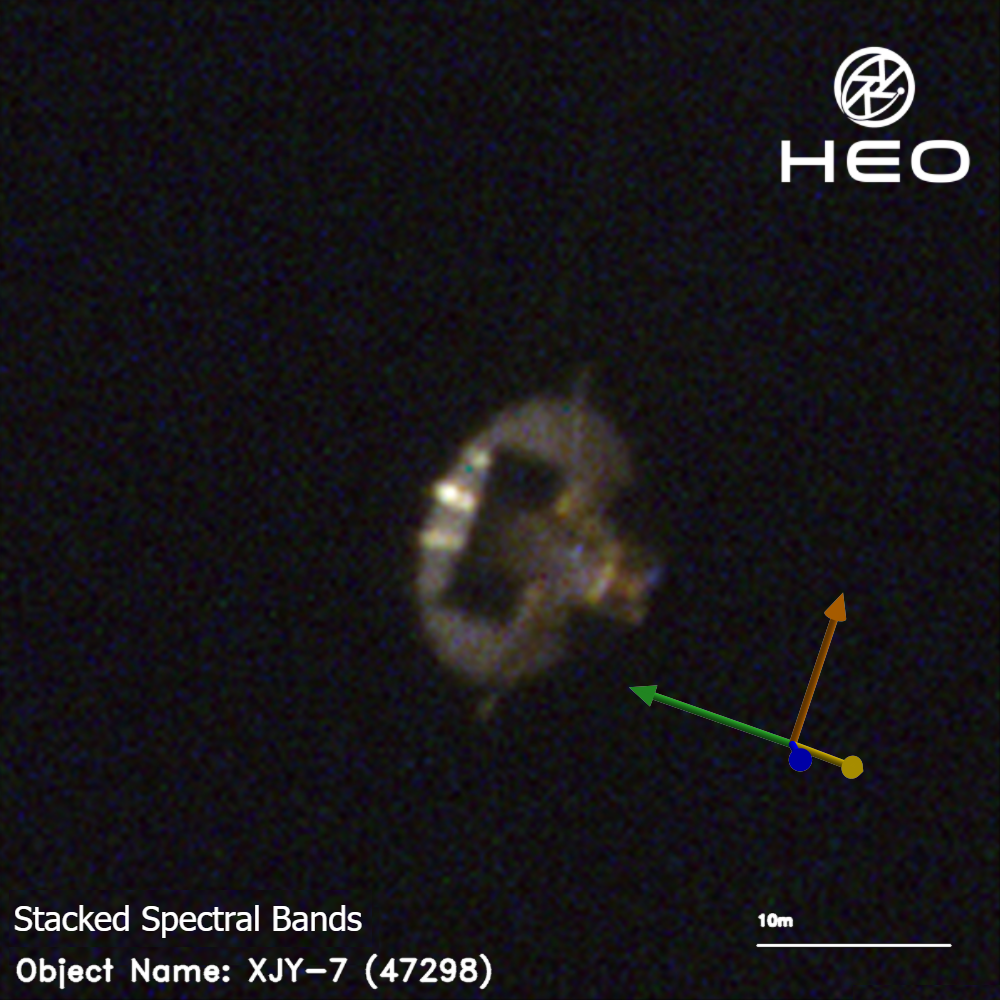
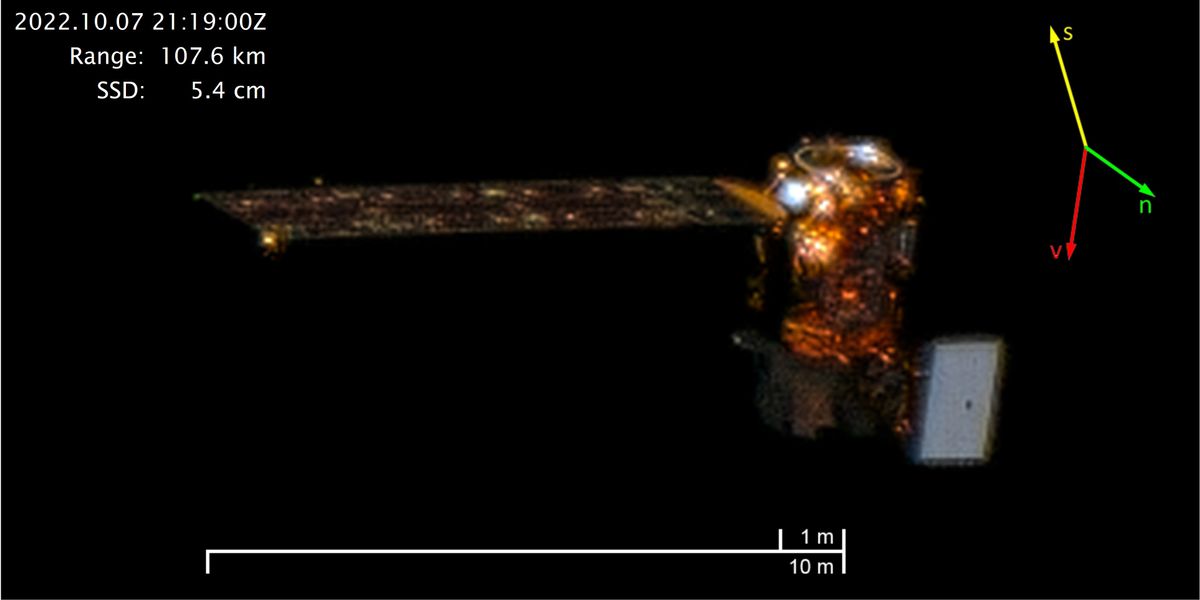
Australian company HEO used satellite-to-satellite imaging to uncover detailed features of China's XJY-7 satellite, revealing its configuration, behavior, and deployment details, enhancing understanding of space objects and their functions.
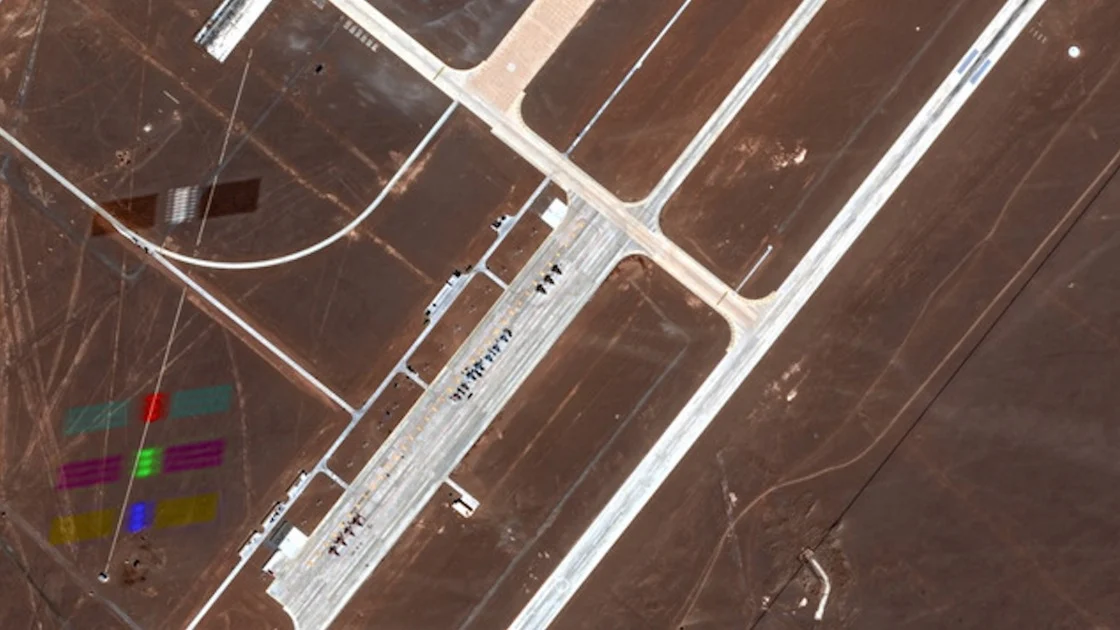
A high-resolution image captured by a Maxar satellite unexpectedly shows a SpaceX Starlink satellite passing over a Chinese military airbase, highlighting the increasing congestion in near-space and raising awareness about space domain complexities.
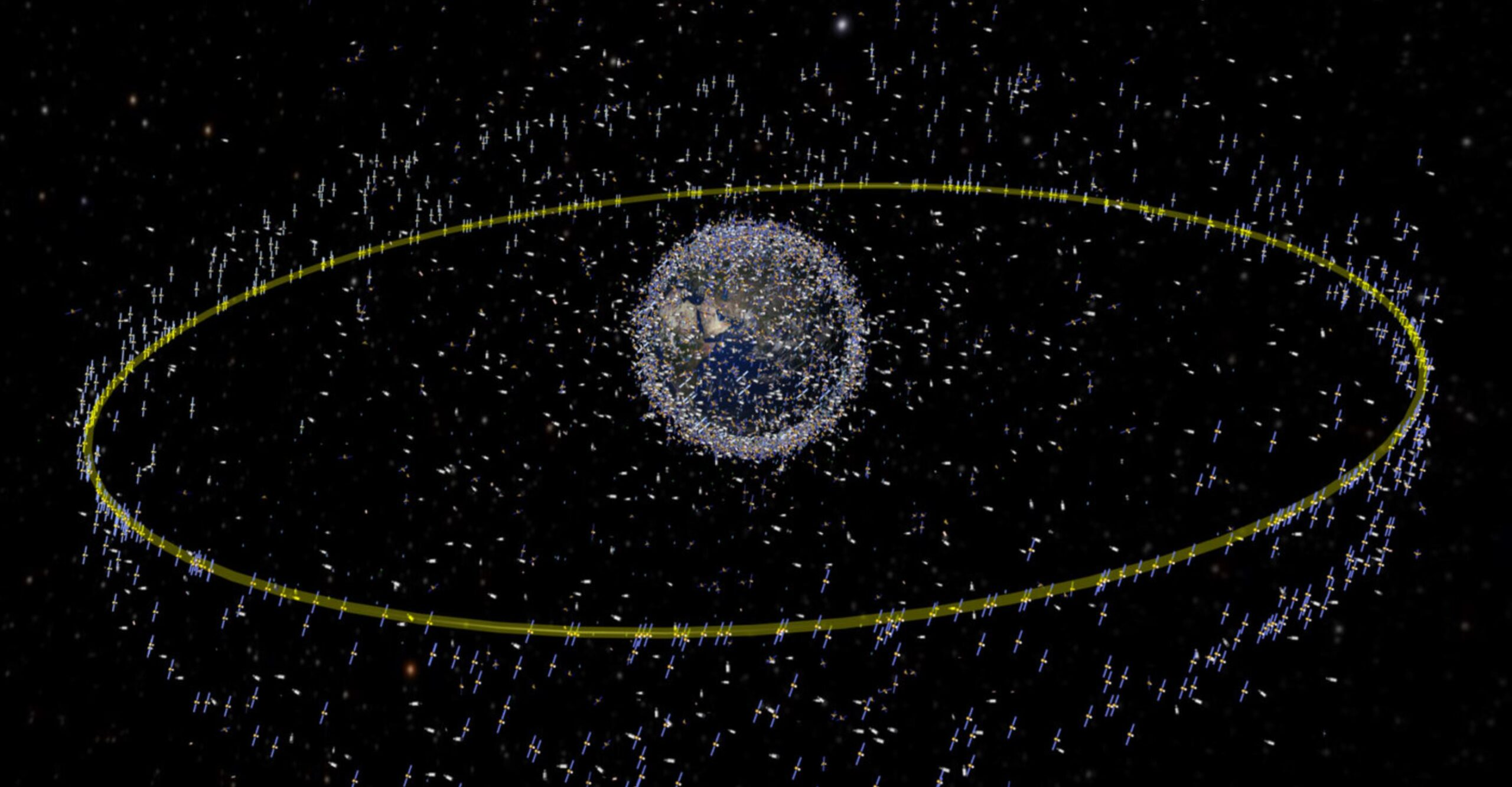
SpaceX's Starlink satellites were captured in a satellite image taken by Maxar Intelligence, revealing the crowded orbital environment and raising concerns about potential military and spying threats, especially as the satellites flew over a Chinese military base. The incident highlights the challenges of managing the increasing number of satellites and the importance of space domain awareness for mission success.
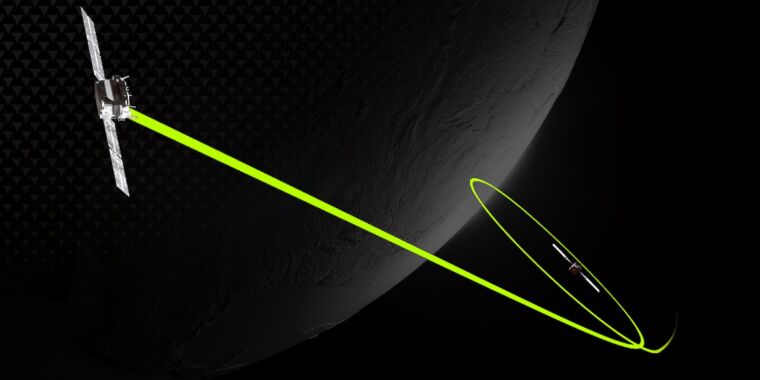
Firefly Aerospace announced its Ocula lunar imaging service, aiming to become the first commercial provider to offer high-resolution imagery of the Moon from lunar orbit, supporting upcoming missions including Blue Ghost 2 and future Mars exploration, with plans to develop a lunar orbit constellation and collaborate with Lawrence Livermore National Laboratory.
The US Space Force is teaming up with Rocket Lab and True Anomaly for a groundbreaking mission called Victus Haze, aiming to demonstrate the military's ability to counter "on-orbit aggression." In this exercise, a spacecraft from Rocket Lab will pursue and inspect a satellite made by True Anomaly, simulating a response to potential threats from adversaries like China or Russia. This mission is part of the Space Force's efforts to validate Tactically Responsive Space capabilities and compress the time it takes to prepare and launch satellites, with the goal of being able to respond rapidly to on-orbit aggression.
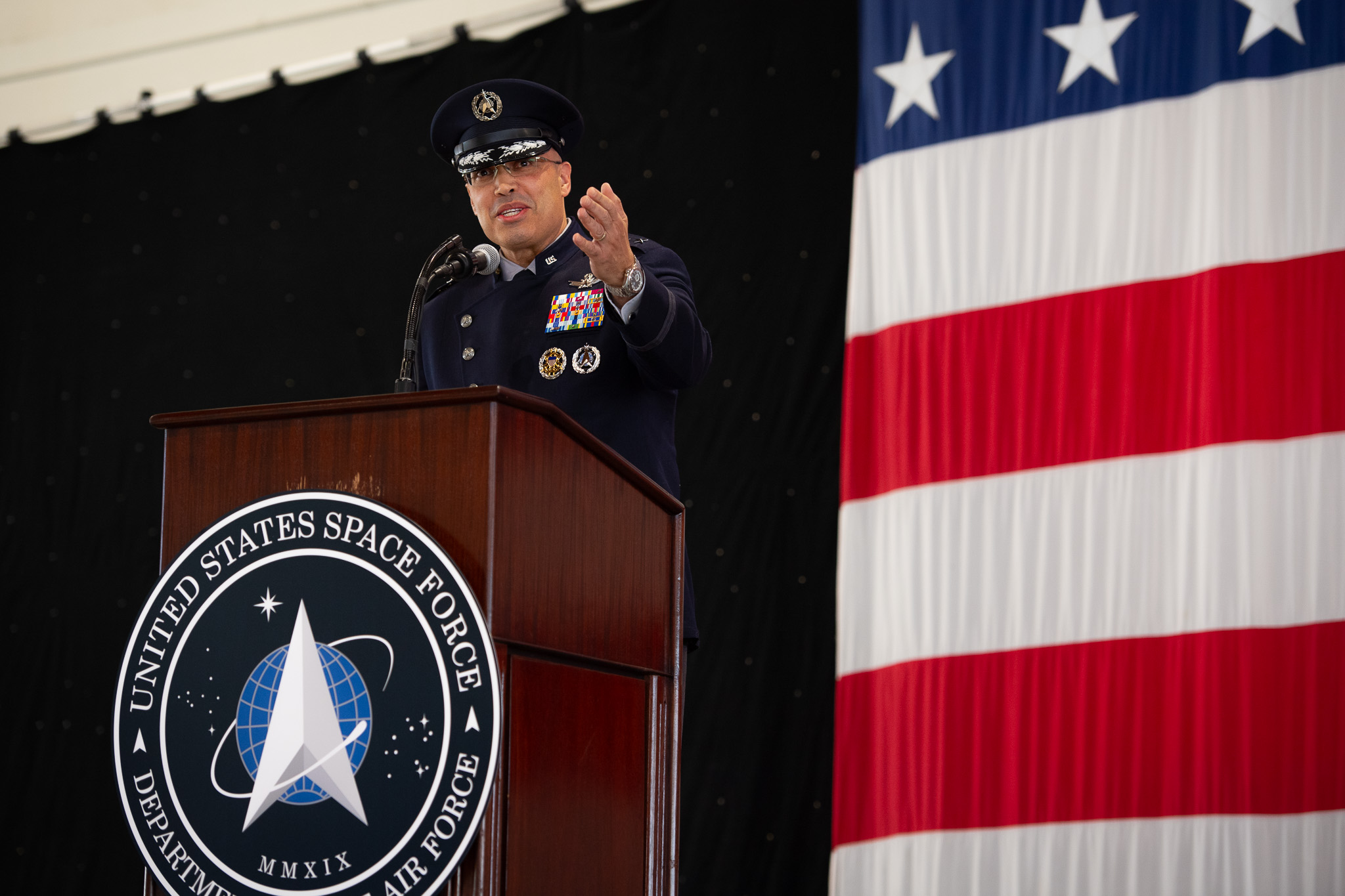
Lt. Gen. David Miller of the U.S. Space Force's Space Operations Command expects the private sector to play a crucial role in providing space tracking data and analytics capabilities to address the increasing congestion and threats to satellites in orbit. He emphasized the need for actionable intelligence and rapid decision cycles, pointing out that commercial companies can help with analytics, data interpretation, and speed in decision cycles. The Space Force is refining its plan to leverage commercial services and is expected to release a document examining how it could partner with the commercial space industry in the near future.
Tony Frazier, former Maxar Technologies executive, is set to become the CEO of LeoLabs on March 1, while LeoLabs co-founder Dan Ceperley will transition to the role of chief operations officer. Frazier aims to leverage his experience in commercial space and national security to drive the company's growth, as LeoLabs expands its space traffic coordination system and develops a software platform for tracking objects in space. With over $120 million raised, LeoLabs operates a global network of ground-based radars to monitor objects in low-Earth orbit.
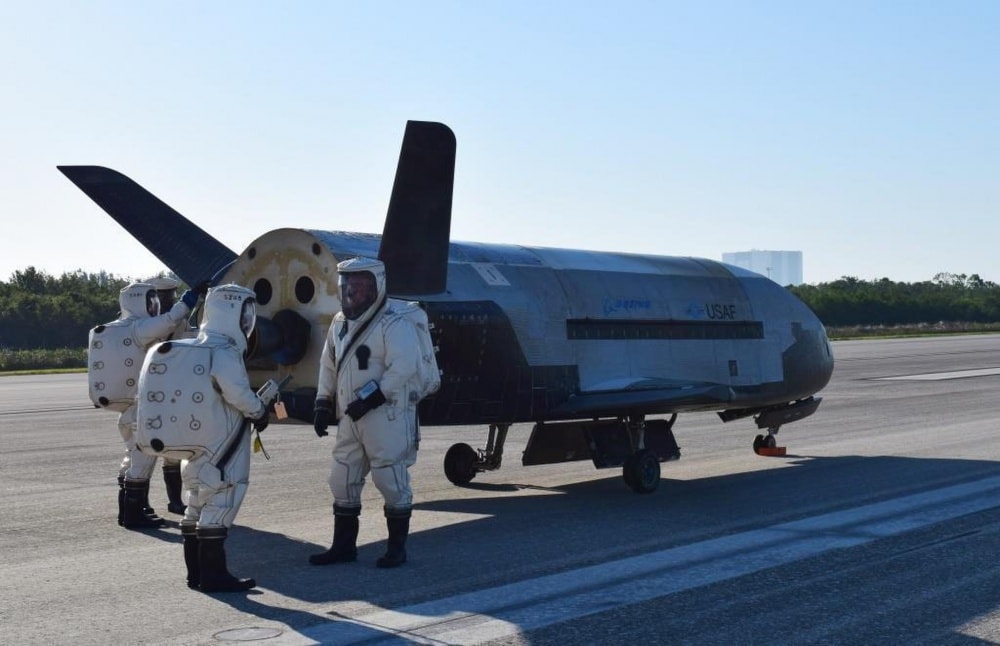
The Pentagon's secretive and mysterious spacecraft, the X-37B, is set to launch on its seventh mission. The drone, which flies without a crew, will be launched for the first time on SpaceX's Falcon Heavy rocket, indicating a potential higher orbit. The mission's objectives include testing and experimentation in new orbital regimes and future space domain awareness technologies. The X-37B has previously been used to test cutting-edge technologies and deploy small satellites. While its exact purpose remains unknown, the Pentagon emphasizes its importance. The mission will also conduct an experiment for NASA involving exposing plant seeds to the radiation environment of long-duration spaceflight. China has a similar secretive spaceplane, the Shenlong, inspired by the X-37B.
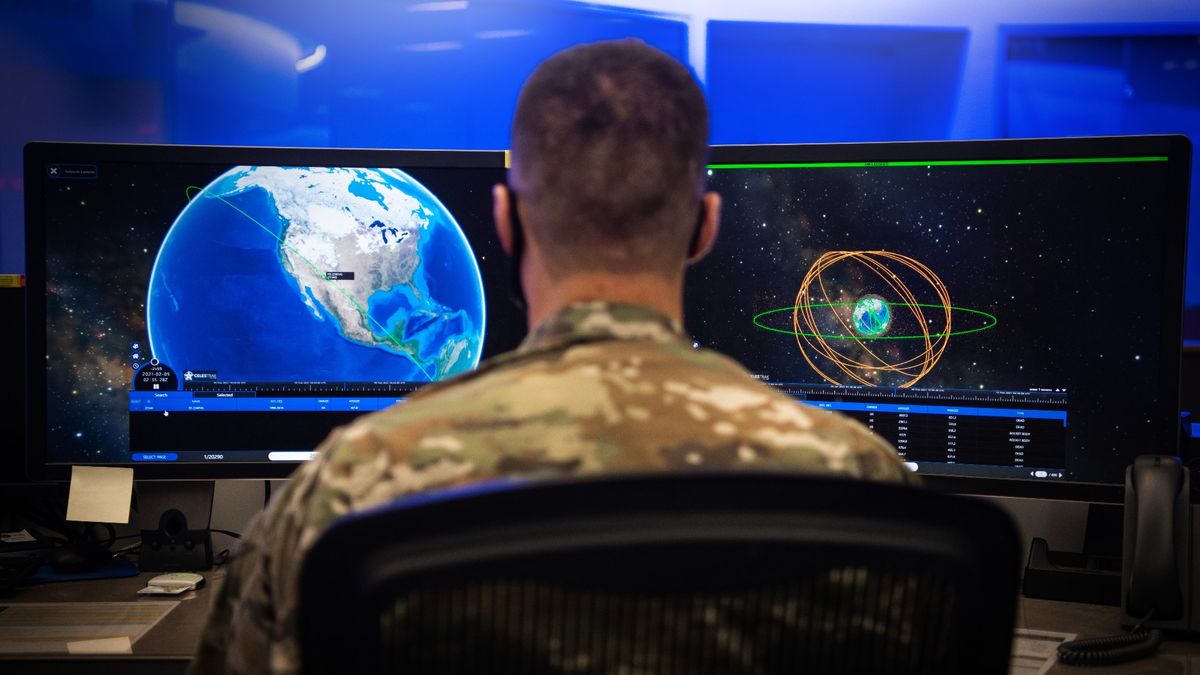
The US Space Force aims to identify and track mysterious objects in Earth's orbit through space domain awareness (SDA). While SDA primarily focuses on monitoring space debris, commercial satellites, and adversary spacecraft, the Space Force also wants to identify objects with abnormal observables and unknown origins. The ability to rapidly identify and respond to such threats requires the use of various sensors and intelligence information. Recent events have highlighted the need for improved tracking capabilities, prompting the Space Force to collaborate with private companies and establish the All-Domain Anomaly Resolution Office. Despite efforts, there is currently no credible evidence of extraterrestrial origin for these anomalous objects.
The US Space Force aims to identify and track mysterious objects in Earth's orbit through space domain awareness (SDA). While the focus is on monitoring space debris, commercial satellites, and adversary spacecraft, the Space Force also wants to rapidly identify and respond to objects with abnormal observables and unknown origins. The ability to track these objects is crucial for the safety of space operations. The Space Force plans to achieve this through various methods such as radar systems, sensors, monitoring stations, and intelligence community information. Recent events have highlighted the challenge of attributing objects in orbit, prompting the Space Force to enhance its capabilities. Private companies have been selected to accelerate the development of technologies related to space domain awareness, and the Space Force has launched watchdog spacecraft and established an office to detect and identify anomalous objects.
Startup GuardianSat has been awarded a research grant from the National Science Foundation's America's Seed Fund to further develop its technology aimed at protecting satellites from collisions with space debris. The company's patented solution includes a debris-avoidance system for high Earth-orbiting satellites, which detects orbital debris, tracks potential collision threats, and autonomously adjusts the satellite's course to prevent accidents. The grant will enable GuardianSat to advance the development of its space domain awareness and avoidance systems, which are designed to keep space open and safe.
China's People's Liberation Army has established Base 37, a new facility aimed at enhancing its space domain awareness capabilities. The base, operated by the PLA Strategic Support Force, will focus on improving missile early warning capabilities and tracking and analyzing foreign space objects. It is expected to enhance China's domestic space object catalog accuracy and may integrate data from space-based missile early warning satellites. While the base does not currently operate on-orbit systems, it plays a crucial role in integrating and analyzing related data. The establishment of Base 37 has implications for the U.S., including potential opportunities for cooperation in space domain awareness and challenges related to Chinese distrust of U.S. on-orbit operations.
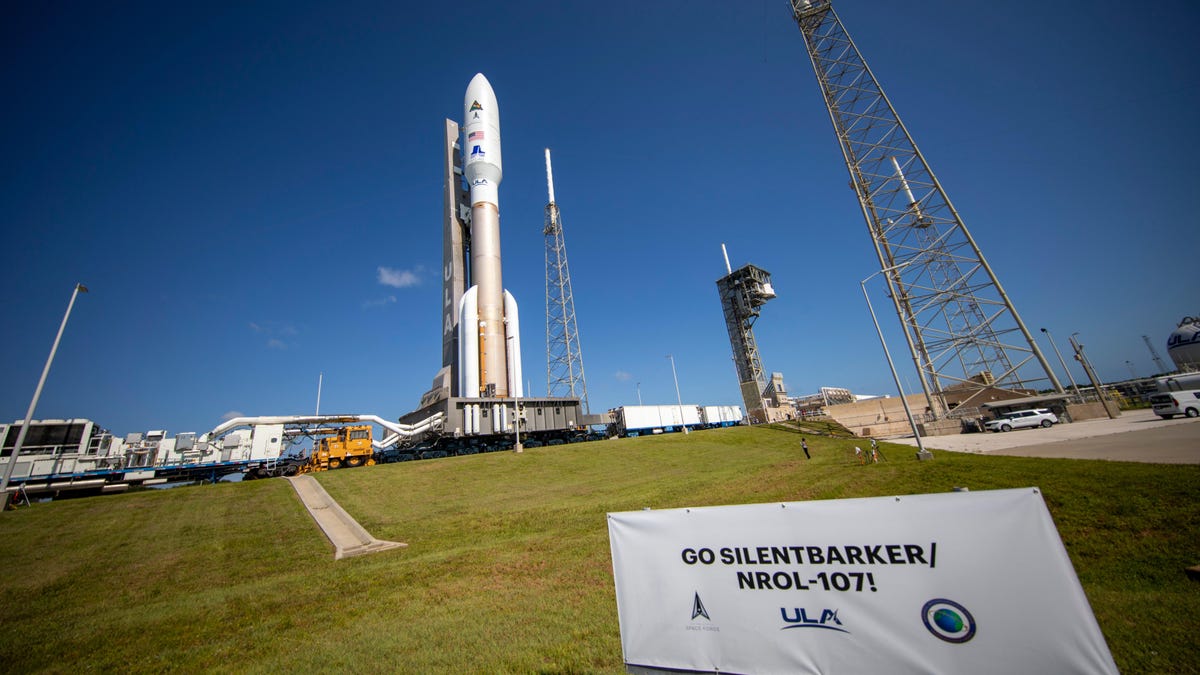
The U.S. Space Force and the National Reconnaissance Office are preparing to launch the SILENTBARKER/NROL-107 mission to track threats in orbit. Riding on a United Launch Alliance Atlas V rocket, the mission aims to detect and track objects in space, enhancing space domain awareness. The launch is scheduled for August 29, but may be affected by Tropical Storm Idalia. The mission is a collaboration between the Space Force and the NRO to meet space protection goals. Increased space domain awareness is crucial for managing threats and space debris, which can incapacitate satellites and missions.
Maxar Technologies' Worldview-3 satellite has captured rare close-up images of NASA's Landsat 8 spacecraft in orbit, showing clear details of the Earth-observation satellite's solar array and science payloads. The images demonstrate how satellite imagery can be used to check the health of satellites and improve space domain awareness. Both satellites are in similar, near-polar orbits, with Worldview-3 circling around 381 miles above Earth, while Landsat has a higher altitude of 437 miles.
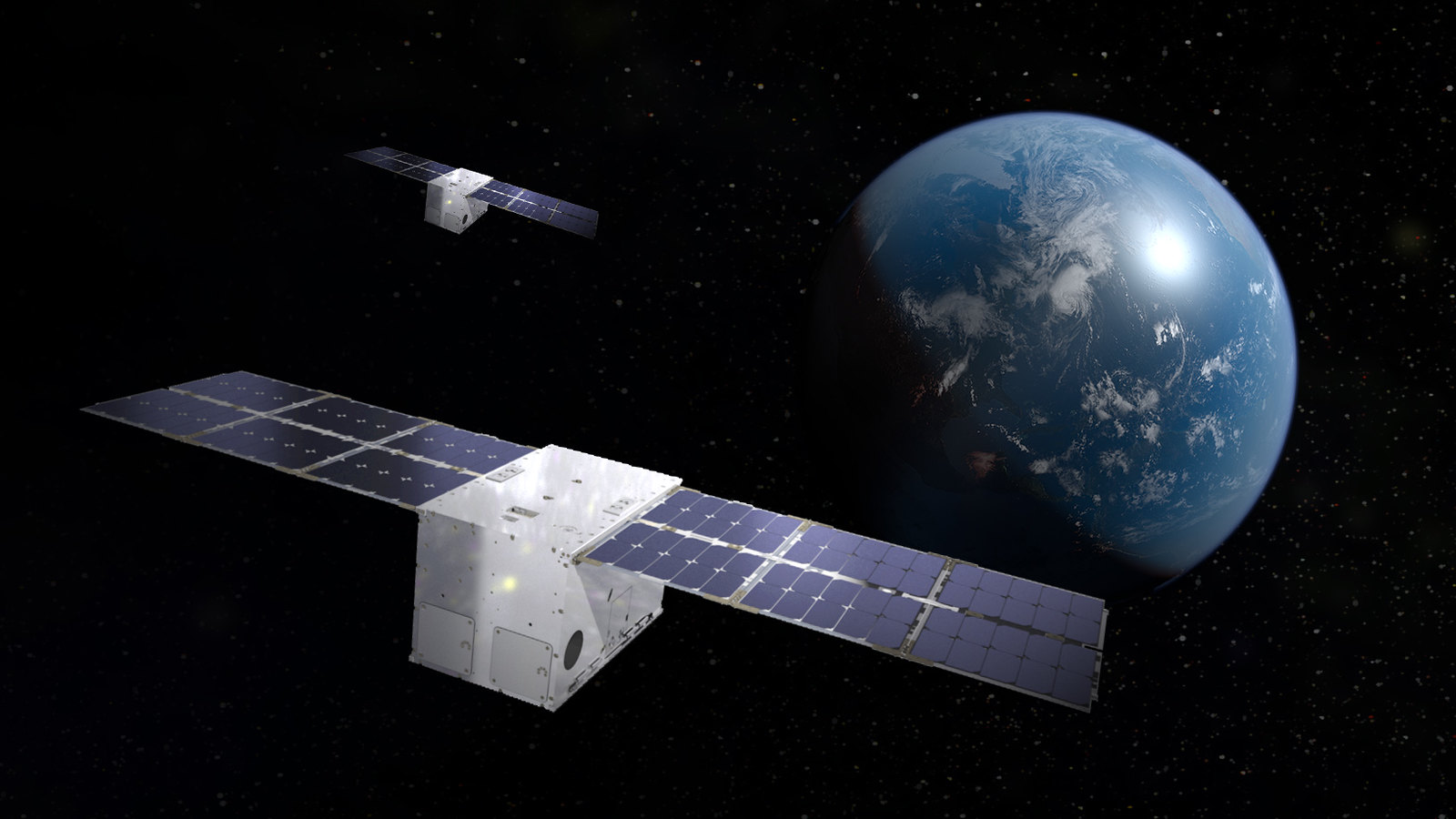
Lockheed Martin's Linuss experiment, consisting of two cubesats, successfully demonstrated AI algorithms needed for in-orbit servicing operations. The company plans to develop servicing vehicles for commercial and government markets, including in-orbit refueling and software upgrades. The experiment also tested space domain awareness cameras and a docking device for refueling or attaching new sensors. Lockheed Martin is funding several space projects to transition to defense and civil space government programs, including a mid-size bus, Pony Express 2 and TacSat satellites, and a lunar orbit service called Parsec.