spacedefense3.455 min read
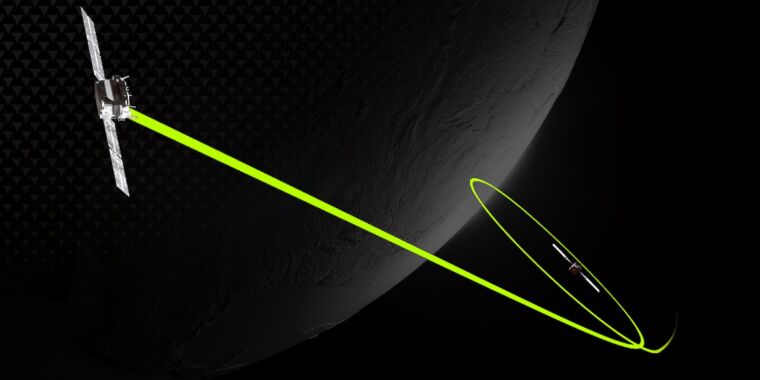
"Space Force Plans First Orbital Military Exercise with Rocket Lab and True Anomaly"
1 year ago•Source: Ars Technica

The latest spacedefense stories, summarized by AI
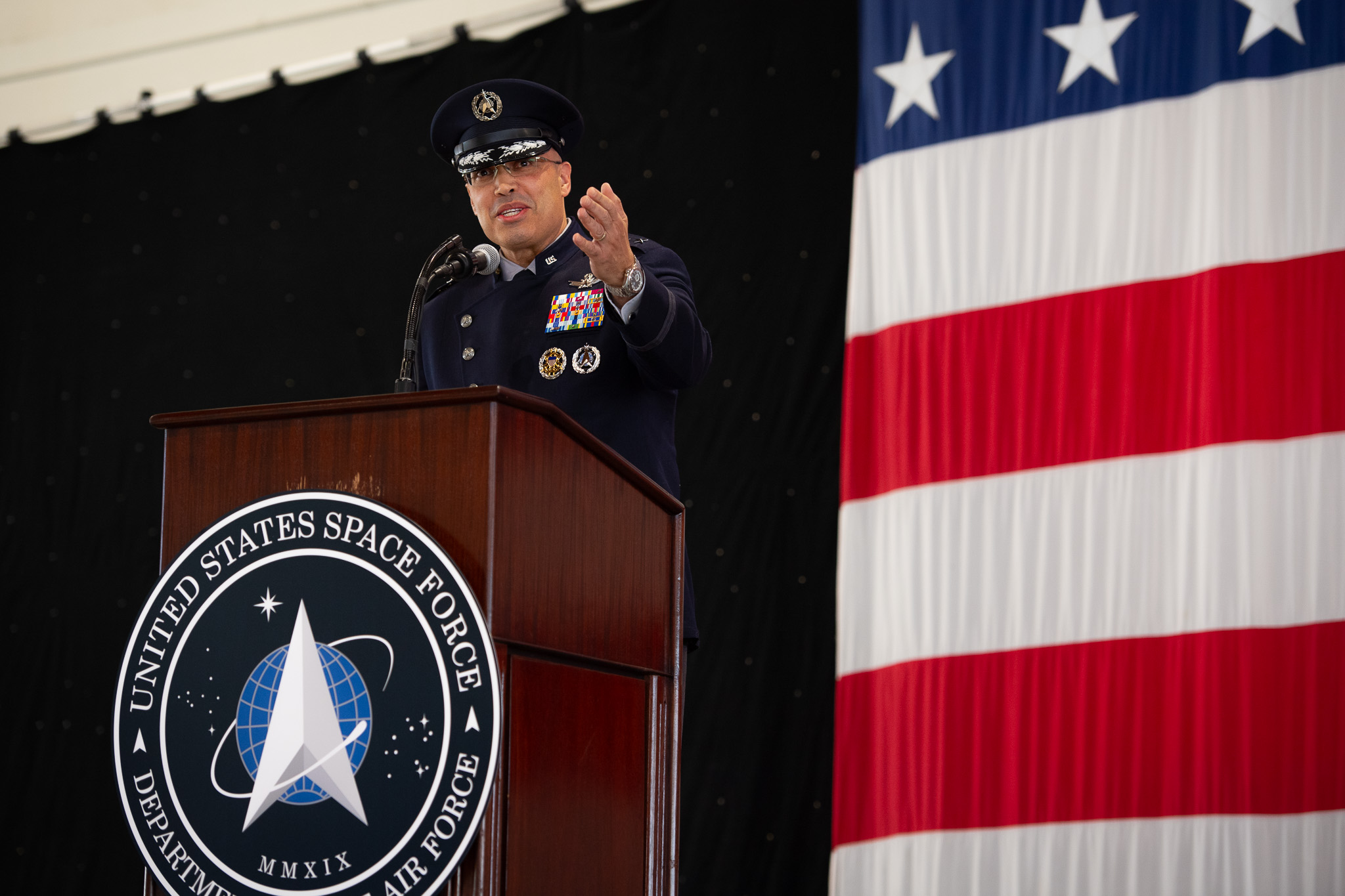
Lt. Gen. David Miller of the U.S. Space Force's Space Operations Command expects the private sector to play a crucial role in providing space tracking data and analytics capabilities to address the increasing congestion and threats to satellites in orbit. He emphasized the need for actionable intelligence and rapid decision cycles, pointing out that commercial companies can help with analytics, data interpretation, and speed in decision cycles. The Space Force is refining its plan to leverage commercial services and is expected to release a document examining how it could partner with the commercial space industry in the near future.
Phys.org•2 years ago
Business Insider•2 years ago
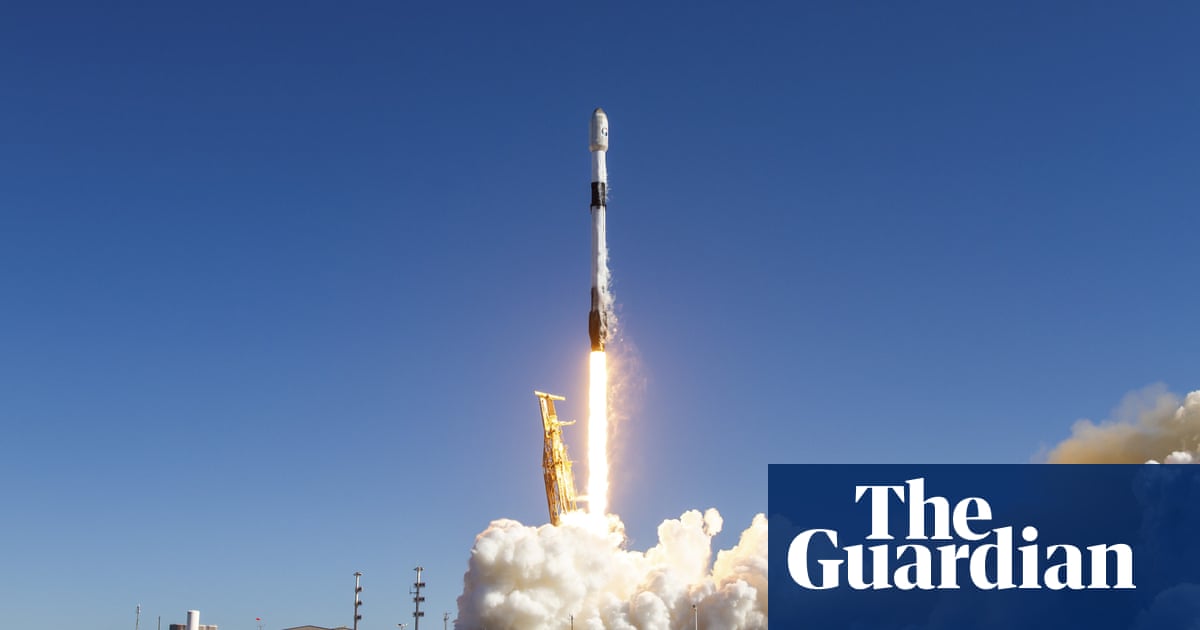
South Korea has launched its first military spy satellite, carried by a SpaceX Falcon 9 rocket, intensifying the space race with North Korea. The satellite successfully reached orbit and will enhance South Korea's reconnaissance capacity to monitor North Korea. Seoul plans to launch four more spy satellites by 2025. The satellite, capable of detecting objects as small as 30cm, ranks among the top five globally in terms of resolution and Earth observation. This launch comes after North Korea successfully launched its own spy satellite, which could improve its intelligence-gathering capabilities.
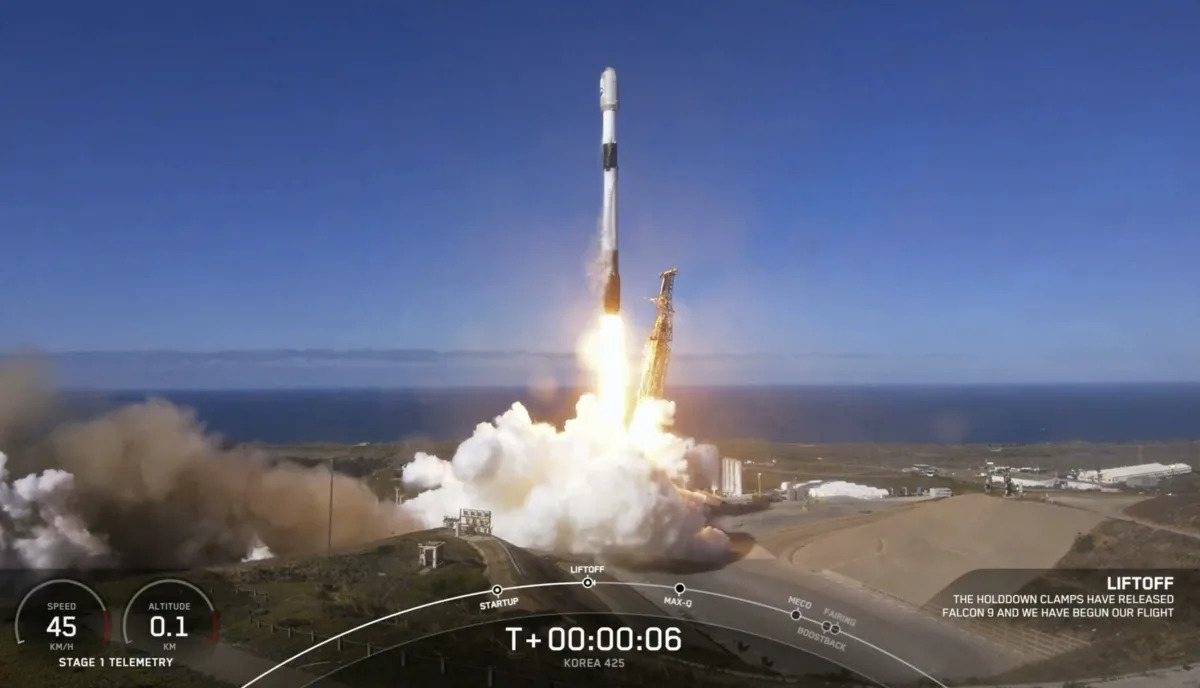
South Korea successfully launched its first military spy satellite into space, following North Korea's recent claim of launching its own spy satellite. The satellite, launched from California's Vandenberg Space Force Base using SpaceX's Falcon 9 rocket, is the first of five that South Korea plans to send into space by 2025. The launch allows South Korea to acquire an independent space-based surveillance system and enhance its preemptive missile strike capability. North Korea's satellite launch has sparked condemnations, with the United Nations viewing it as a cover for testing long-range missile technology. Tensions between the two Koreas have escalated, with both sides taking steps to breach a previous military agreement meant to ease tensions.
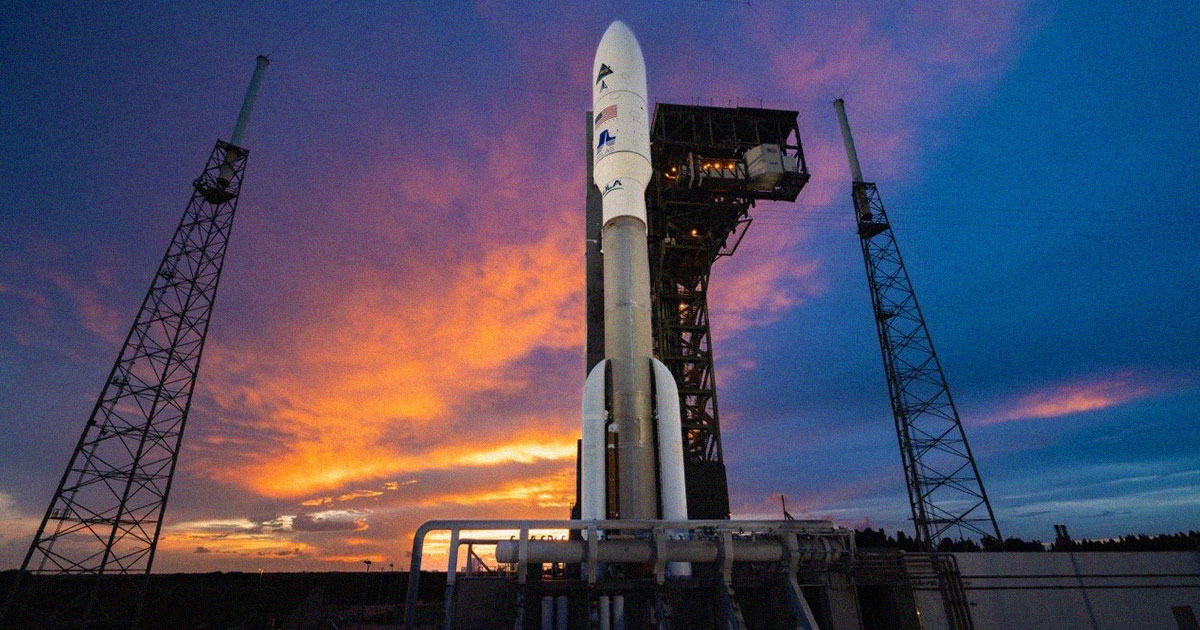
The US Space Force launched a rocket carrying American spy satellites into a high-altitude geosynchronous orbit, as part of a top-secret National Reconnaissance Office (NRO) mission called "Silent Barker." The satellites will provide better surveillance capabilities in the "geo belt" and help detect any adversarial assets that could pose a threat in outer space. The launch highlights the fierce competition among world powers to dominate space, with concerns rising over Russia and China's development of anti-satellite technologies. The Space Force aims to have a fully operational spy spacecraft system by 2026.