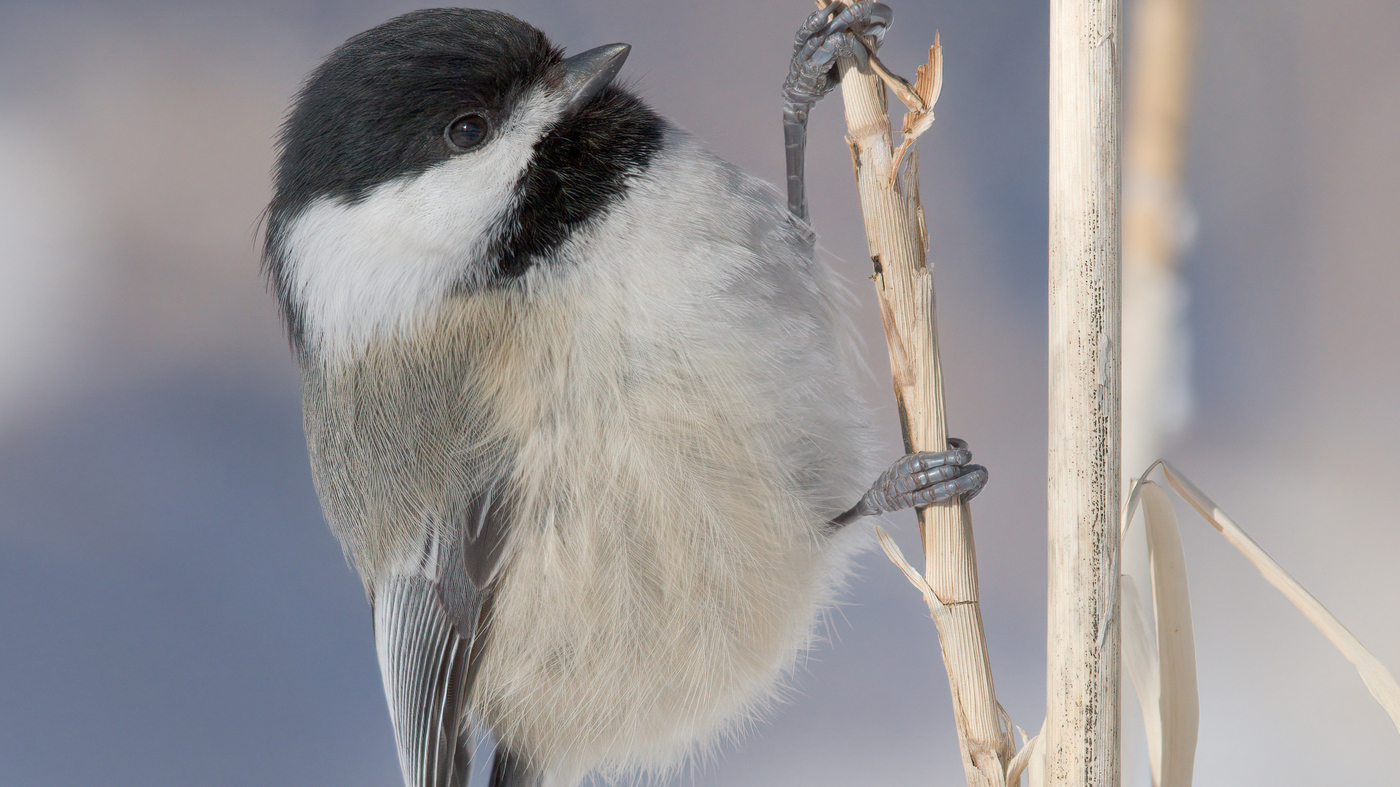
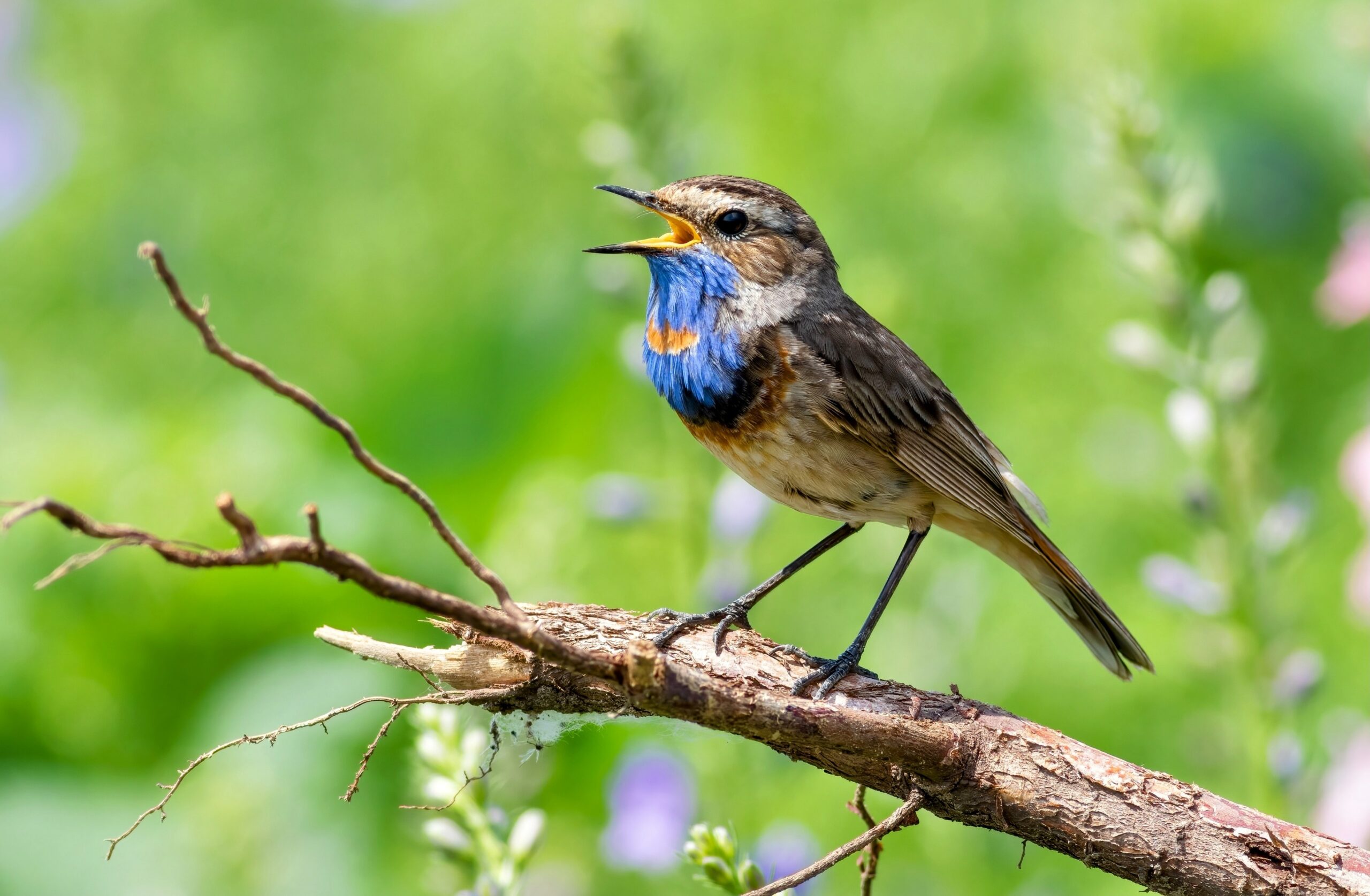
Researchers at Columbia University's Zuckerman Institute have discovered unique patterns of neural activity in the hippocampus of black-capped chickadees that work like barcodes and enable them to remember hundreds to thousands of food stash locations. This finding may provide insights into how the human brain creates and stores memories, shedding light on the neural basis of remarkable memory behavior in animals and potentially offering a framework for understanding human episodic memories.
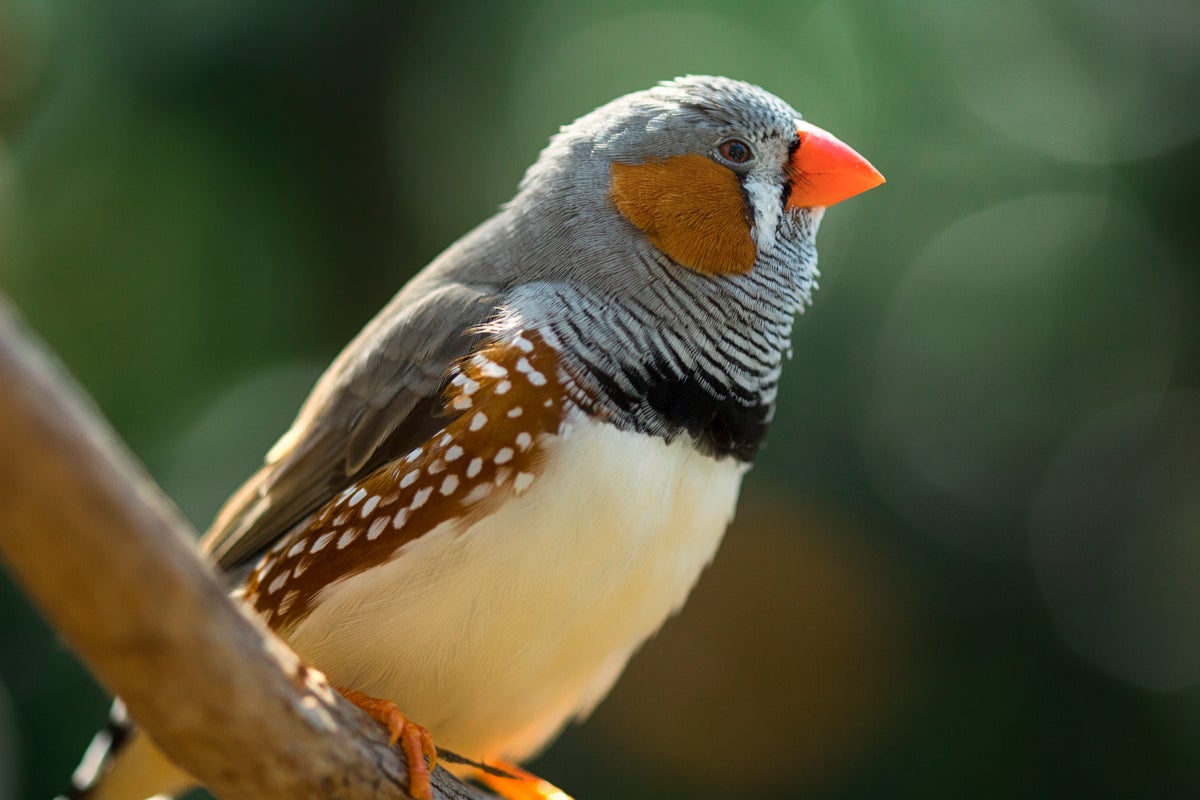
A study led by researchers from the University of Southern Denmark reveals that male songbirds must sing daily to maintain their vocal muscles and produce attractive songs. The study found that these muscles weaken significantly within days if not used, losing 50% of their strength in a week without singing. Female zebra finches were able to discern the differences in the songs of birds before and after exercise, with 75% of them preferring the songs from well-exercised males. The findings could revolutionize human vocal training and speech therapy, as songbirds may provide insights into the physiology of vocal muscles.
Male songbirds, specifically zebra finches, require daily vocal practice to impress potential mates, according to a study published in Nature Communications. The research shows that birds' vocal muscles need exercise to achieve peak performance, explaining why many birds sing early in the morning. Without practice, the birds' vocal abilities quickly decline, with their vocal muscles weakening and atrophying. Female zebra finches showed a strong preference for songs recorded before a break in practice. These findings suggest that birds sing in the dawn chorus to keep their voices in shape and attract mates. The research could also provide insights into vocal training and recovery in humans.
Researchers are studying the Gambel's white-crowned sparrow, a songbird native to North America, to understand how its brain expands during mating season. The male sparrow's brain region responsible for singing, called the HVC, nearly doubles in size from around 100,000 neurons to about 170,000. Scientists are intrigued by this phenomenon and hope to uncover the mechanisms behind it, which could potentially provide insights into treating anomalies in the human brain, such as depression. The sparrow's ability to manage this brain growth without detrimental impacts is a subject of ongoing research.