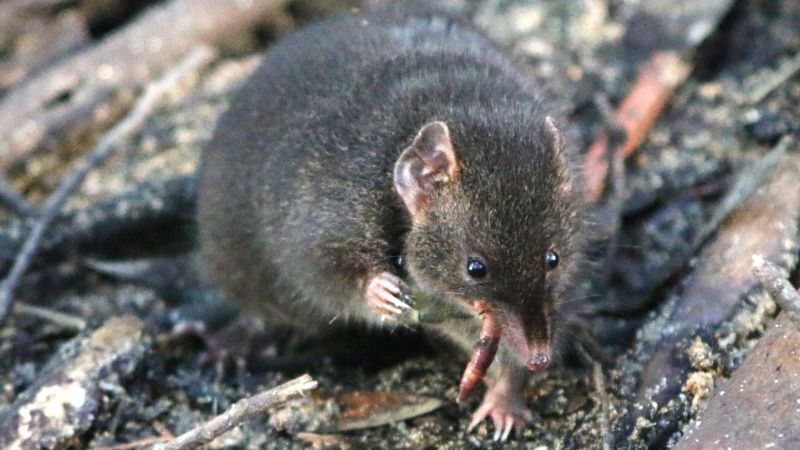
Male antechinus, small marsupials in Australia, sacrifice sleep for increased reproductive activities during mating season, with some sleeping three hours less per night for three weeks. This extreme sleep restriction is driven by strong sexual selection, as males can only breed once in their lifetime before dying shortly after their first mating season. The study, published in Current Biology, is the first to show direct evidence of such behavior in a land-dwelling mammal. Researchers found that increased sexual activity during mating season is positively related to increases in testosterone, and males may have unknown mechanisms to thrive on less sleep during this time.
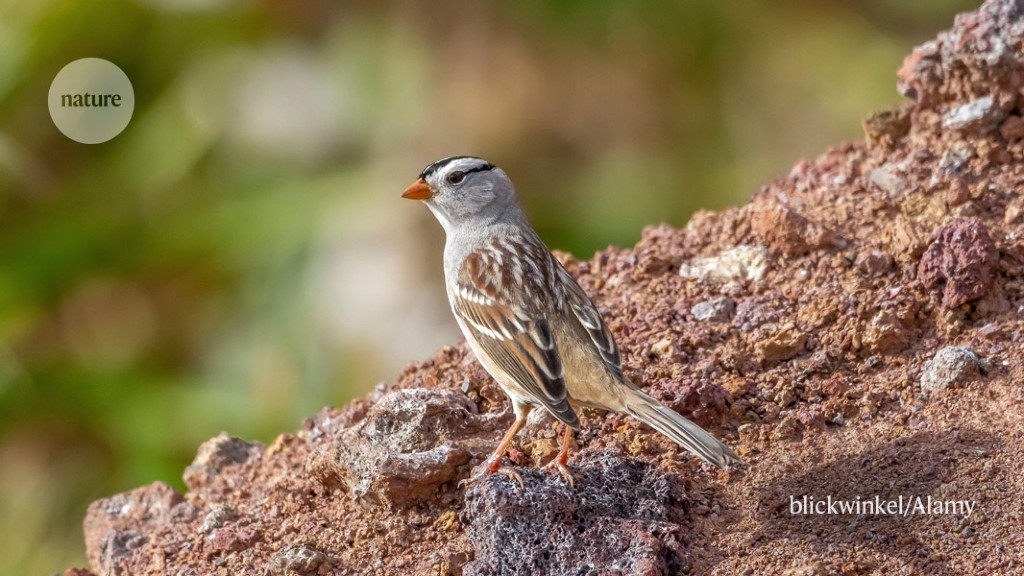
Researchers are studying the Gambel's white-crowned sparrow, a songbird native to North America, to understand how its brain expands during mating season. The male sparrow's brain region responsible for singing, called the HVC, nearly doubles in size from around 100,000 neurons to about 170,000. Scientists are intrigued by this phenomenon and hope to uncover the mechanisms behind it, which could potentially provide insights into treating anomalies in the human brain, such as depression. The sparrow's ability to manage this brain growth without detrimental impacts is a subject of ongoing research.
Tarantulas in southeastern Colorado are in their mating season, and the city of La Junta is hosting a tarantula festival to celebrate the spiders' season of romance.
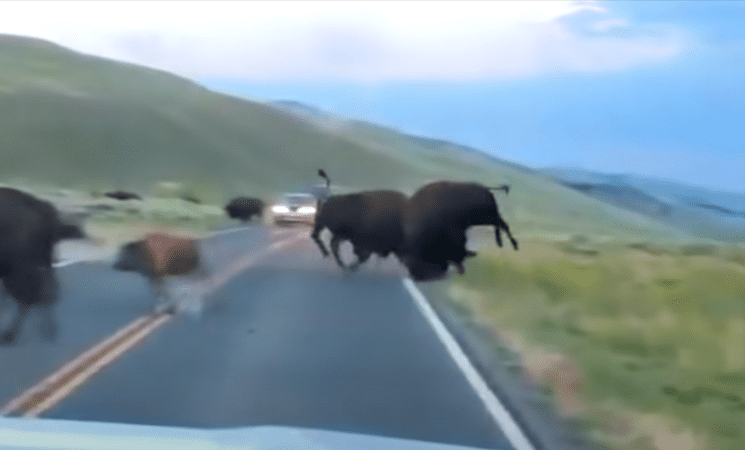
A video shared by Yellowstone National Park shows an aggressive male bison charging and lifting another bison off the ground, pushing it nearly 40 feet away. This behavior is common during bison mating season, as males become more agitated and aggressive. The video serves as a reminder for visitors to maintain a safe distance of 25 yards from bison and elk, and 100 yards from other wildlife in the park.
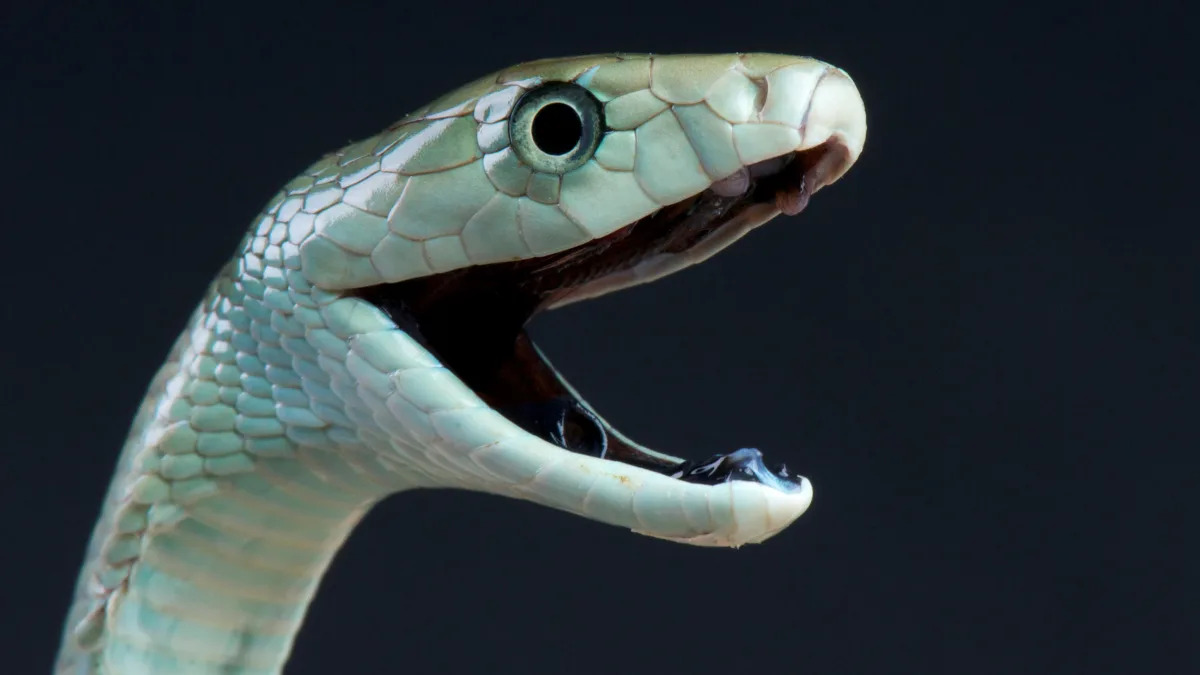
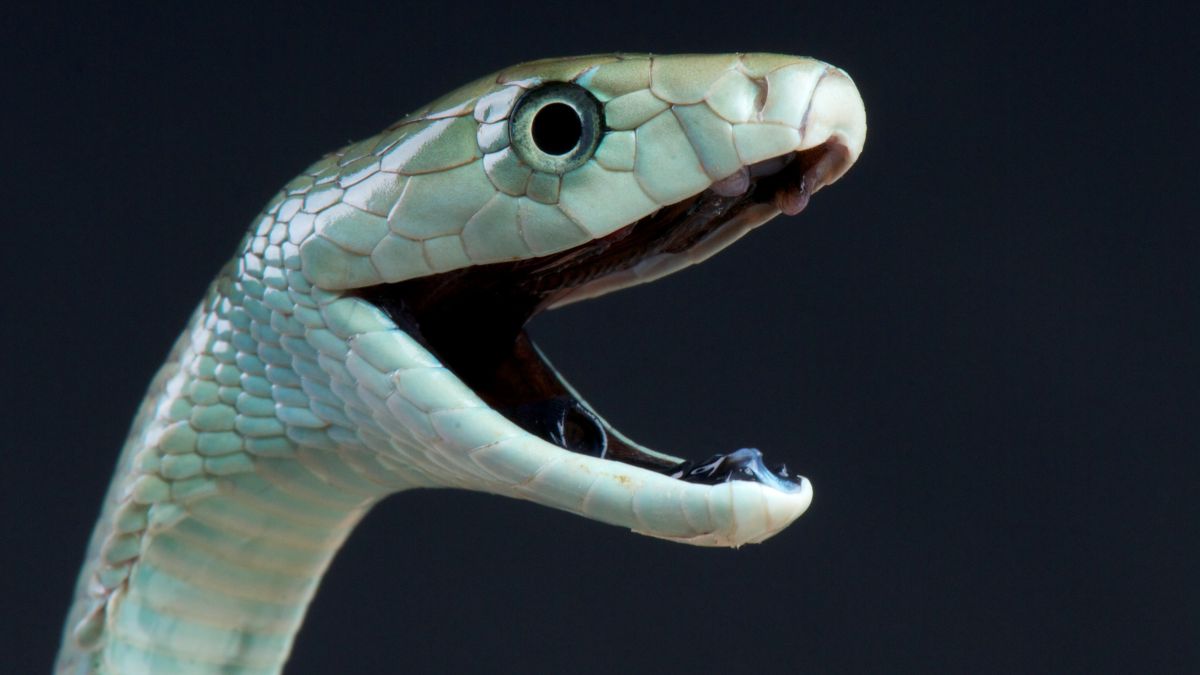
Two giant black mambas, highly venomous snakes over 8 feet long, were filmed engaging in a fierce wrestling match in a backyard in South Africa. The larger snake attempted to pin down the smaller one, which eventually surrendered and moved away. The snakes were likely fighting over a female during mating season. Black mambas are known for their venomous bites, but they do not bite each other during fights. This behavior, known as "plaiting combat," is a demonstration of stamina and physical strength rather than chemical warfare. Snakes possess immunity towards their own species' venom, which helps protect them during combat rituals.
Two giant black mambas, highly venomous snakes over 8 feet long, were filmed engaging in a fierce wrestling match in a backyard in South Africa. The larger snake attempted to pin down the smaller one, which eventually surrendered and moved away. The snakes were likely fighting over a female during mating season. Black mambas are known for their venomous bites, but they do not bite each other during fights. Instead, they engage in wrestling matches to demonstrate strength and stamina. Snakes possess immunity to their own species' venom, which helps protect them during combat rituals.
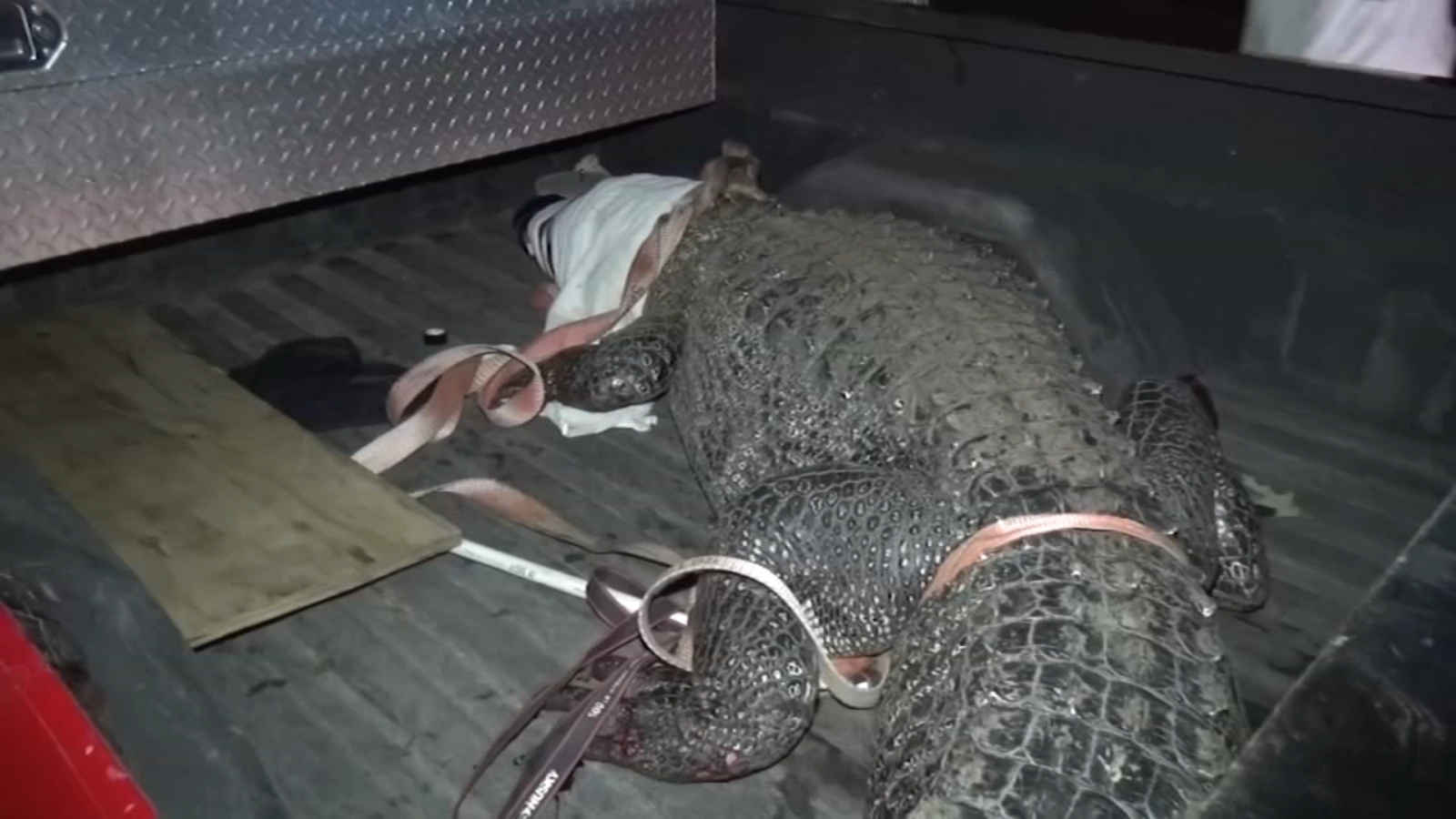
A resident in Missouri City, Texas, spotted an 11-foot alligator in his neighborhood and called the police, who kept an eye on the scene until a trapper arrived. The gator, which weighs about 1,200 pounds and is about 85 years old, put up quite a fight during the capture. It will be taken to Gator Country Rescue Park. This time of year is normally mating season for gators, leading to more sightings.