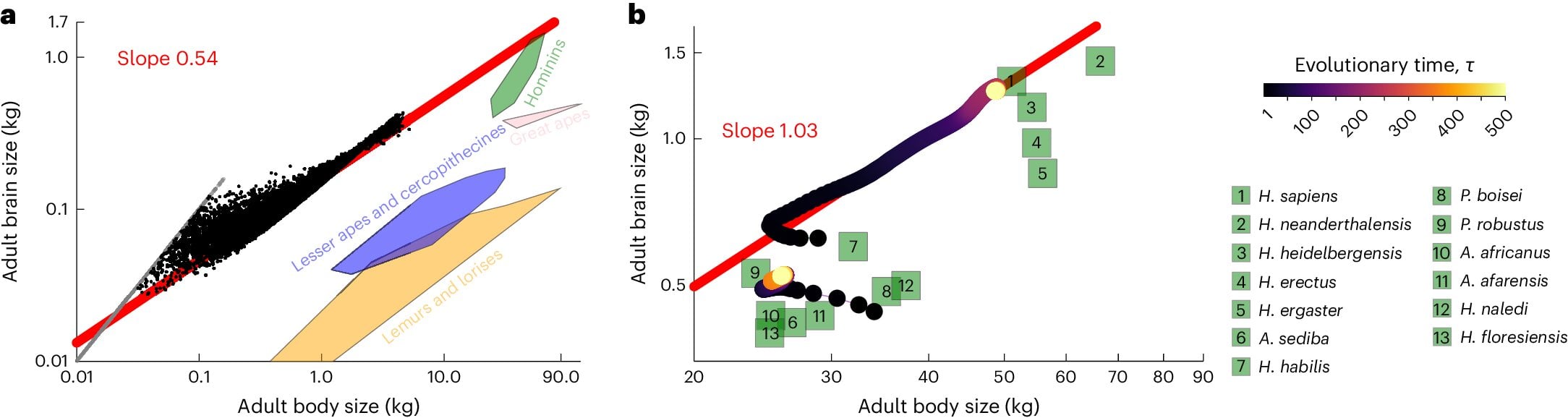
Evolutionary biologist Mauricio González-Forero proposes that the significant growth of the human brain was facilitated by energy previously used to maintain ovarian follicles, which was freed up as humans evolved, allowing the brain to utilize more resources. His mathematical analysis suggests that the energy saved from reduced follicular maintenance matches the energy required for the brain's expansion.
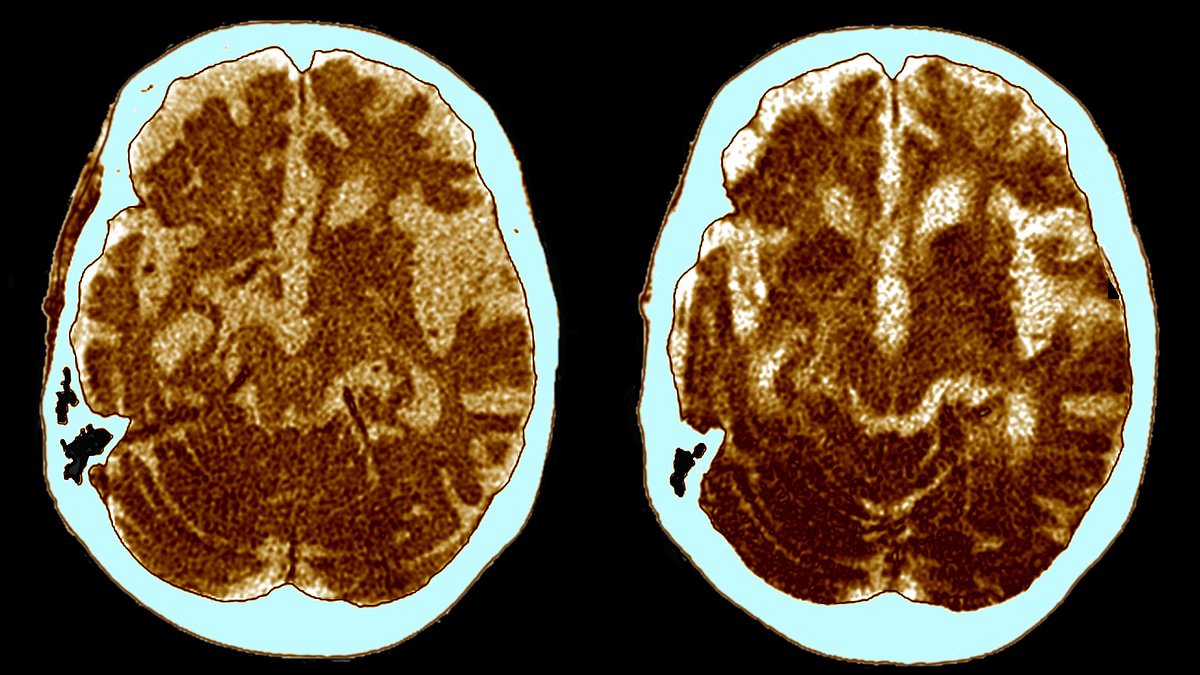
Studies show that the human brain has grown by 6.6% since the 1930s, potentially due to external factors like health, education, and culture, and this growth may reduce the risk of age-related dementia. However, despite larger brain sizes, recent generations, such as Gen Z and Alpha, have shown lower IQ scores, possibly linked to increased phone and internet usage. While larger brain size may not directly correlate with intelligence, it could contribute to better brain health and connectivity. The findings raise questions about cognitive development and the impact of modern technology on IQ levels.
A new study suggests that the evolution of the human brain's increased size may be attributed to the consumption of fermented foods, offering an alternative to the theory that cooking was the key driver. The study hypothesizes that 'pre-digested' foods contributed to the development of larger brains, with implications for future research in human health and evolution. This hypothesis is supported by the fact that the human large intestine is proportionally smaller than that of other primates, suggesting that we adapted to food that was already broken down by the chemical process of fermentation.
Researchers are studying the Gambel's white-crowned sparrow, a songbird native to North America, to understand how its brain expands during mating season. The male sparrow's brain region responsible for singing, called the HVC, nearly doubles in size from around 100,000 neurons to about 170,000. Scientists are intrigued by this phenomenon and hope to uncover the mechanisms behind it, which could potentially provide insights into treating anomalies in the human brain, such as depression. The sparrow's ability to manage this brain growth without detrimental impacts is a subject of ongoing research.
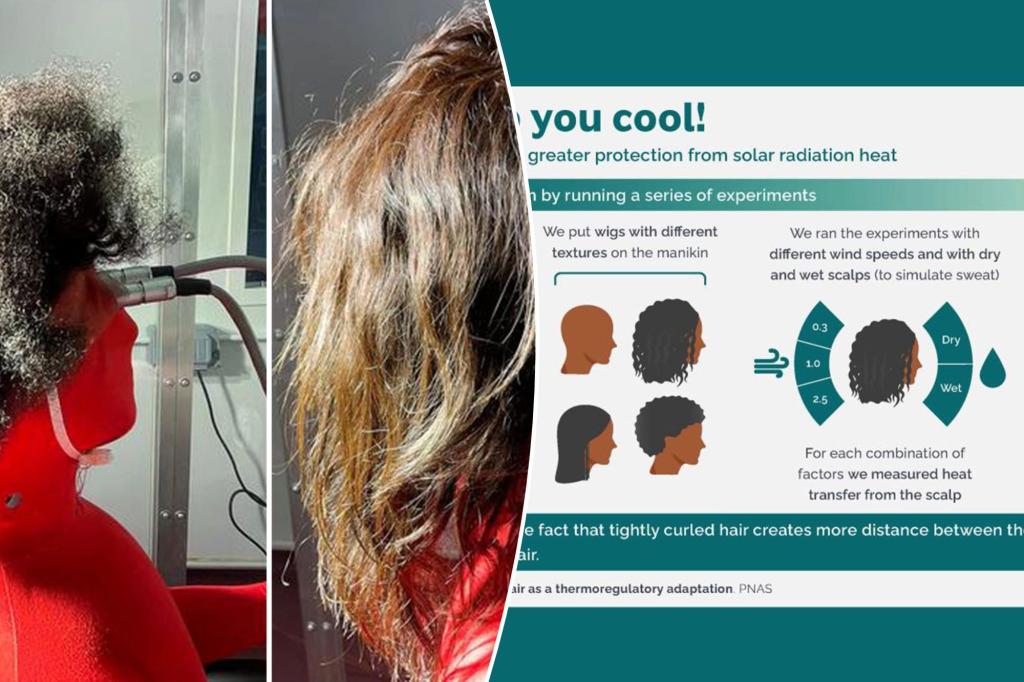
Researchers at Pennsylvania State University used a thermal manikin to study how heat is transferred from the body to the atmosphere under different hair conditions. They found that tightly curled hair offers the best protection from the sun’s radiation and heat, and minimizes the need to sweat to stay cool, which would help conserve water and avoid dehydration. The hair on our heads probably evolved as a way to reduce the amount of heat gain from solar radiation, thereby keeping humans cool without the body having to expend extra resources. This probably gave early humans an evolutionary advantage by allowing our brains to grow.