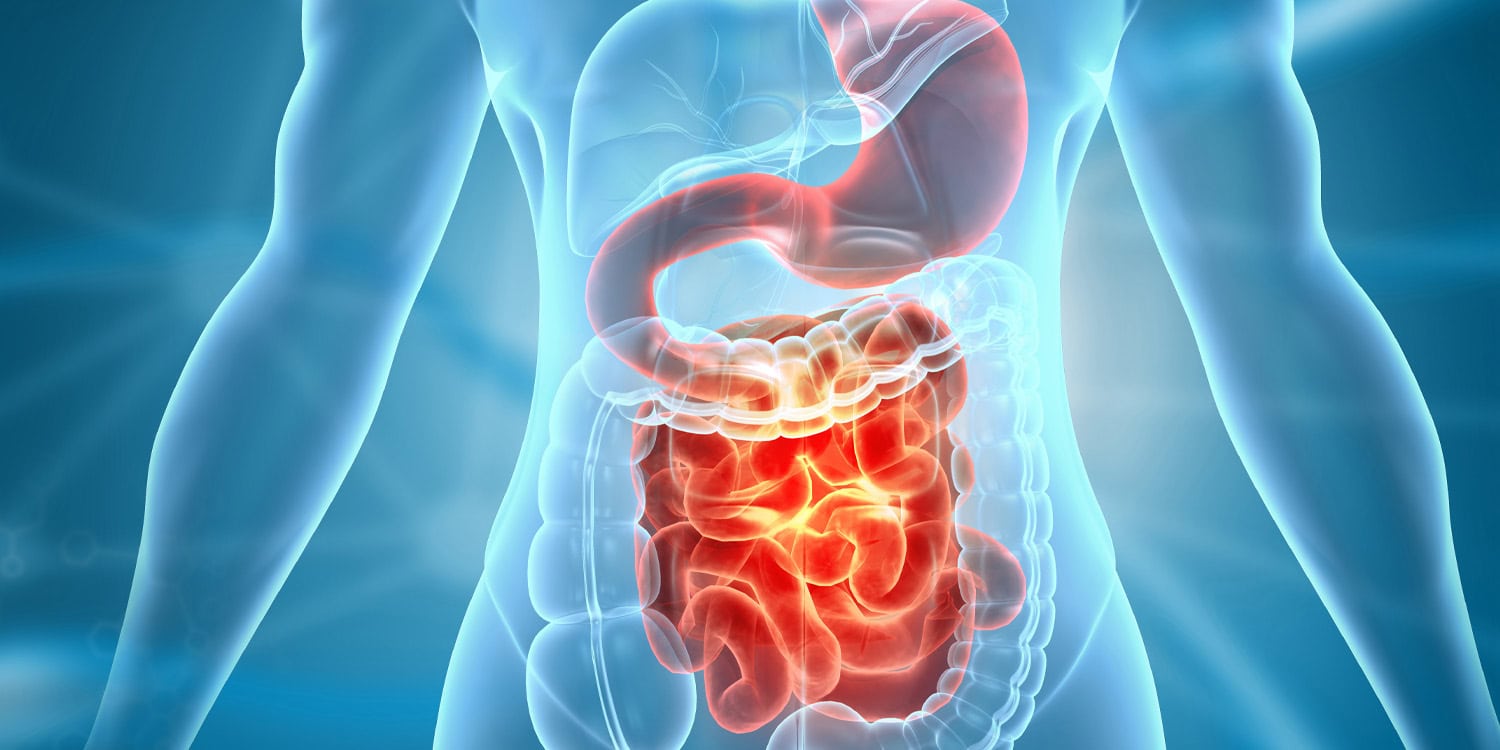
New research suggests that the gut microbiome may play a role in social anxiety disorder, with transplant experiments in rats showing that bacteria from adolescents with social anxiety induce anxiety-like behaviors and brain changes, highlighting a potential biological link via the gut-brain axis.
A meta-analysis found that individuals with insecure affective attachment are more likely to experience social anxiety, highlighting the importance of attachment patterns in mental health.
The article explains that when someone avoids eye contact, it is often due to psychological reasons such as social anxiety, deception, shame, cultural differences, emotional overwhelm, distraction, need for mental processing, or emotional boundaries, rather than disinterest or rudeness, encouraging more understanding and compassion in interactions.
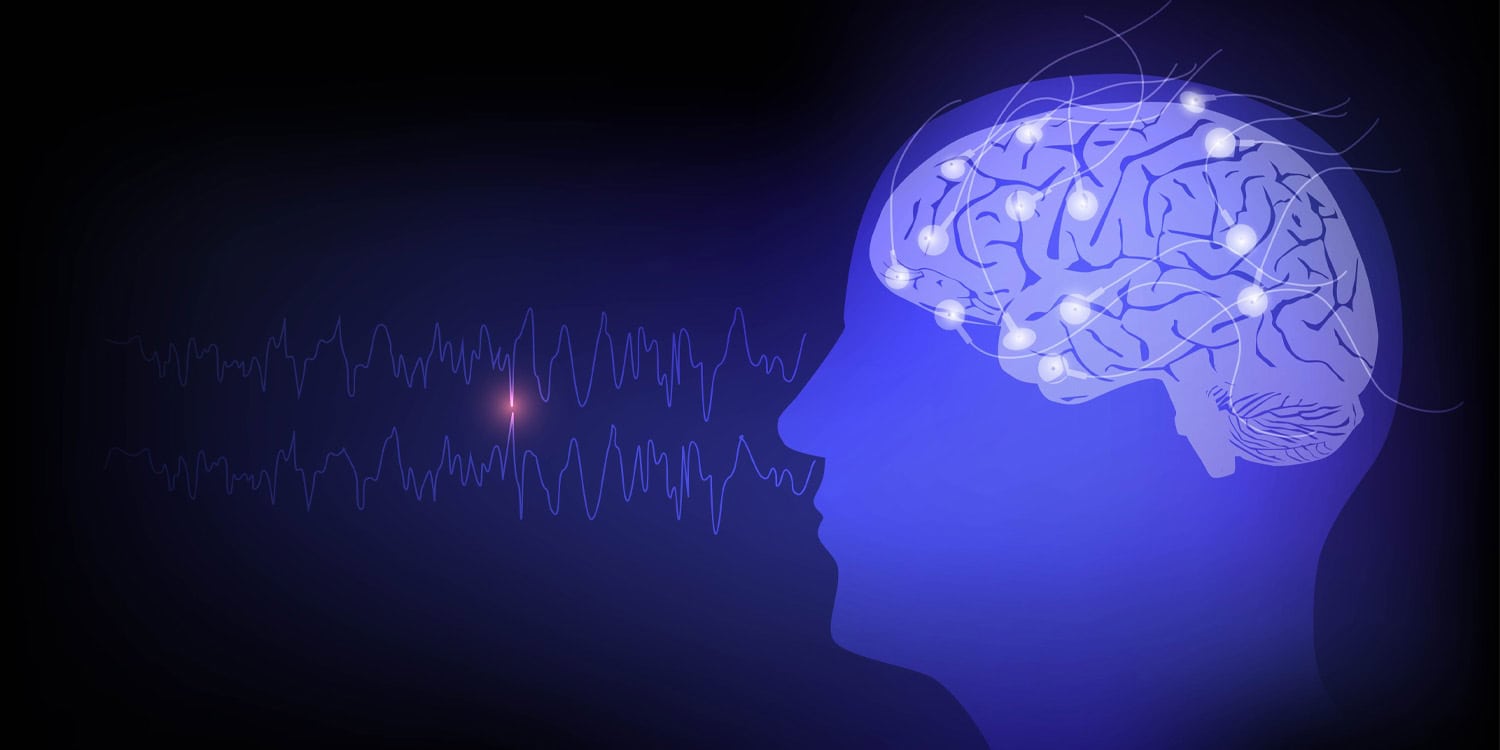
A study finds that socially anxious individuals are better at detecting subtle signs of anger in dynamic facial expressions, with increased brain activity during later processing stages, highlighting their heightened sensitivity to social threats.
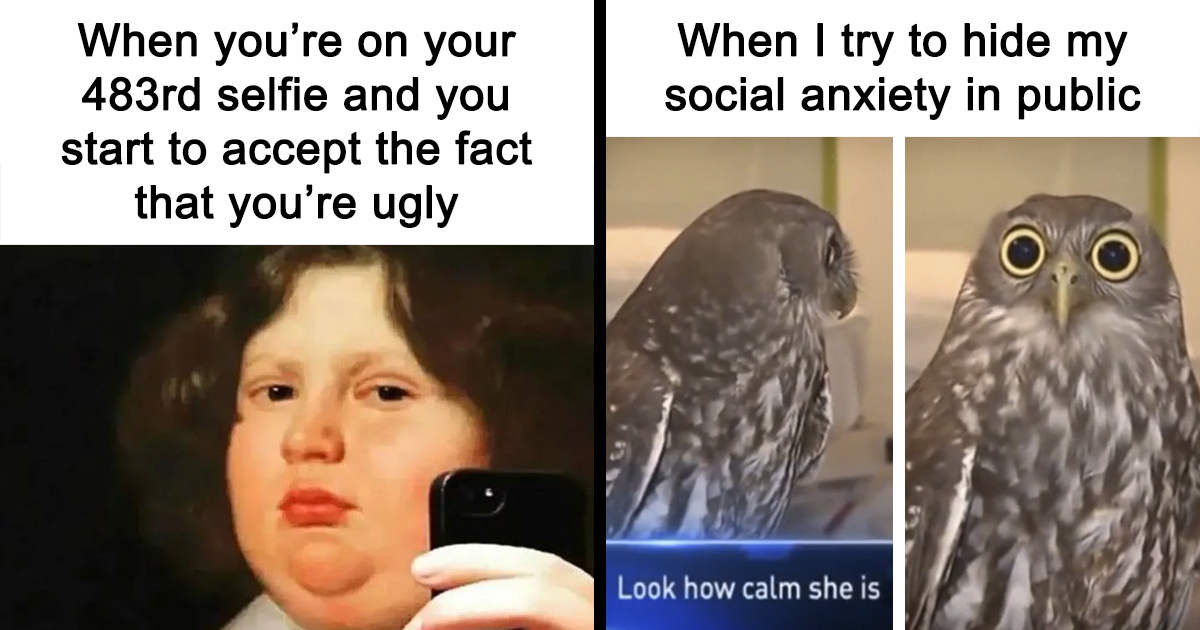
The article discusses social anxiety, its symptoms, and effective coping strategies, emphasizing the role of humor and memes in helping individuals feel less alone and manage their condition better. It features insights from Arlin Cuncic and highlights the benefits of laughter and support groups in alleviating social anxiety.
Long summer weekends can exacerbate feelings of loneliness, especially for those without plans. Experts suggest mapping out your weekend with activities that genuinely make you happy, rather than succumbing to societal pressures. Creating new traditions and focusing on self-care can help alleviate the anxiety and sadness associated with these holidays.
A study on college students reveals a significant link between social anxiety and celebrity worship, with mobile phone addiction and socioeconomic status playing nuanced roles. The findings suggest that celebrities may serve as emotional refuge for those experiencing social anxiety, with mobile phones mediating the relationship. Individuals from higher socioeconomic backgrounds are less likely to develop mobile phone addiction and intense celebrity worship. The study's cross-sectional design leaves open the question of causality, highlighting the need for future longitudinal research.
Scientists at Ireland's University College Cork found that social anxiety may be linked to the gut microbiome, as evidenced by a study where gut microbes from individuals with social anxiety disorder (SAD) were transplanted into mice, leading to social phobia behaviors and altered hormone levels. The findings suggest a potential target for novel therapeutics to improve symptoms of social anxiety disorder by addressing gut-brain axis issues. This research adds to the growing understanding of the complex link between the gut and the brain, potentially paving the way for new treatments for conditions such as anxiety and depression.
Gen Z, who have experienced social anxiety due to COVID and lockdowns, are now facing "menu anxiety" when eating out. A study conducted by Prezzo found that 34% of 18 to 24 year olds ask others to speak to waiters on their behalf because they are too nervous to talk. Younger diners also prefer to check the menu before going out, with almost 40% saying they wouldn't go out for dinner if they couldn't check the menu first. Inflation and the fear of high bills are also contributing to Gen Z's hesitation to eat out, with nearly a third of 16 to 24 year olds expressing nervousness about the cost. As a result, many Gen Zers are spending more time cooking at home and cutting down on dining out.
A study conducted in China has found that individuals with social anxiety disorder process facial expressions differently depending on the emotional context. The research, which focused on the early stages of facial expression processing, revealed that people with social anxiety exhibit distinct patterns in event-related alpha power when exposed to negative contextual cues paired with angry facial expressions and positive contexts paired with neutral expressions. The study highlights the importance of accurate emotional interpretation in social interactions and suggests that understanding the interplay between social anxiety, language context, and facial expression processing could lead to targeted therapeutic strategies. However, the study's findings may be limited to a specific population and static facial expressions, and further research is needed to explore dynamic expressions and cross-cultural differences.
Adolescent girls who spend more time on the internet at age 15 are more likely to experience increased generalized and social anxiety symptoms at age 17, according to a study. However, anxiety symptoms at age 15 do not predict higher internet use at age 17 for both boys and girls. The findings highlight the link between increased internet use during adolescence and the development of anxiety symptoms, particularly among girls. Understanding these dynamics can inform interventions aimed at reducing anxiety symptoms in adolescents and promoting healthier screen time habits.
Therapist Kelly McKenna provides practical strategies for managing social anxiety, including identifying triggers, gradual exposure, breathing exercises, planning an escape, using reflective listening skills, having small talk topics ready, bringing a friend for support, and regulating the nervous system through activities that bring happiness or meditation.
A concerned mother seeks advice on her introverted teenage daughter who prefers spending time alone and worries about her lack of friends. The columnist reassures her that being introverted is not a problem and that her daughter has a group of friends she feels comfortable with. The mother is encouraged to support her daughter's creative pursuits and recommends reading books on introversion to better understand her daughter's temperament.
San Francisco-based pharmaceutical company Vistagen experienced a surge in its stock price of over 1,000% after announcing positive results from a Phase III trial for its nasal spray in treating social anxiety disorder. The trial demonstrated statistically significant differences in subjective distress scores and clinician-assessed responders between the experimental drug and placebo.
In a candid interview with Zane Lowe for Apple Music, rapper Post Malone refuted rumors of using hard drugs, emphasizing that he had never done them. He discussed how becoming a father had slowed down his partying and opened up about his struggles with social anxiety. While he admitted to using alcohol to help with music-making, he stated that his consumption when not working was not a problem. Post Malone also admitted to taking hallucinogenic mushrooms in the past but said he now takes them in smaller doses due to their impact on his short-term memory. He expressed gratitude for his fans' concern about his health but found it frustrating that it led to rumors. The rapper is set to release his self-titled album, "Austin," on July 28.