A study from the University of Otago found that increasing dietary vitamin C through foods like kiwifruit can significantly boost skin collagen production, thickness, and renewal by elevating vitamin C levels in the blood and skin, emphasizing the importance of internal nutrition over topical treatments for skin health.

A significant majority of the global population is not consuming enough omega-3 fatty acids, which are linked to reduced Alzheimer's risk and overall health, due to dietary challenges and misconceptions, with recommendations including eating oily fish or taking supplements.
A study found that higher dietary spermidine intake is linked to better cognitive performance in older adults, especially in males, non-Hispanic Whites, and those with certain health conditions, suggesting spermidine may support cognitive health with further research needed.
A large observational study suggests that consuming foods rich in phytosterols, found in nuts, seeds, legumes, and whole grains, may lower the risk of heart disease and type 2 diabetes by improving insulin regulation and reducing inflammation, although further research is needed to confirm causality.
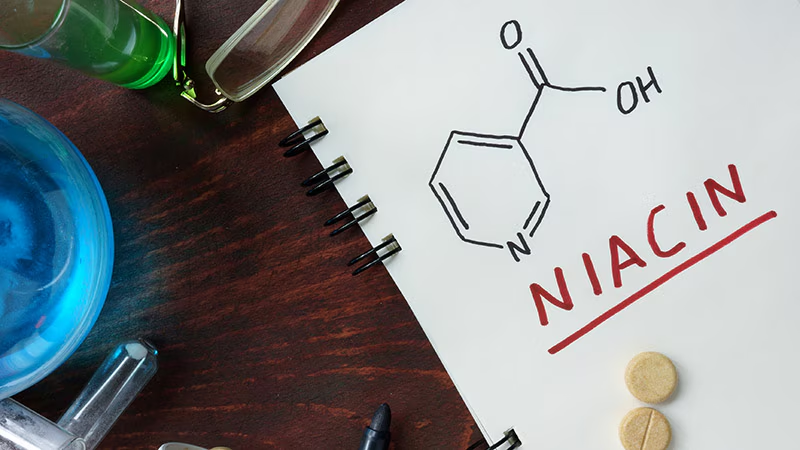
A recent study has linked a niacin derivative to an increased risk for cardiovascular events, prompting questions about the safety of niacin intake. The findings suggest that excessive niacin intake may be harmful, leading to potential adverse effects on cardiovascular risk. While some experts advise avoiding niacin supplements and high-protein diets, others caution that a causal link has not been proven and further research is needed. The study's implications also raise questions about niacin fortification in food and its use in skin cancer prevention, with differing opinions on the effects of nicotinamide supplementation.
A groundbreaking study has found significantly lower levels of dietary antioxidants in the brains of Alzheimer's patients, highlighting the potential role of a healthy diet in preventing the disease. The research suggests that a diet rich in carotenoids, such as lutein and zeaxanthin found in colorful plants, may reduce the risk of Alzheimer's and improve cognitive function. Previous studies have also shown that a higher intake of carotenoids is associated with a lower risk of dementia. The findings emphasize the importance of maintaining a diet high in antioxidants for brain health and potentially slowing cognitive decline.
Nitrates are compounds found in vegetables, meat, and drinking water. While some studies suggest that nitrates benefit cardiovascular health, others suggest they may increase cancer risk. Researchers conducted an analysis of studies investigating the benefits and risks of dietary nitrates and concluded that evidence is insufficient to say that nitrates in food and water are carcinogenic. Further research is needed to better understand these associations. Nitrates from vegetables that contain vitamin C or polyphenols may prevent the production of N-nitrosamines, meaning consumers can enjoy the nutrient’s benefits while avoiding its negative consequences.