Tag

Short Term Memory

All articles tagged with #short term memory

neuroscience1 year ago

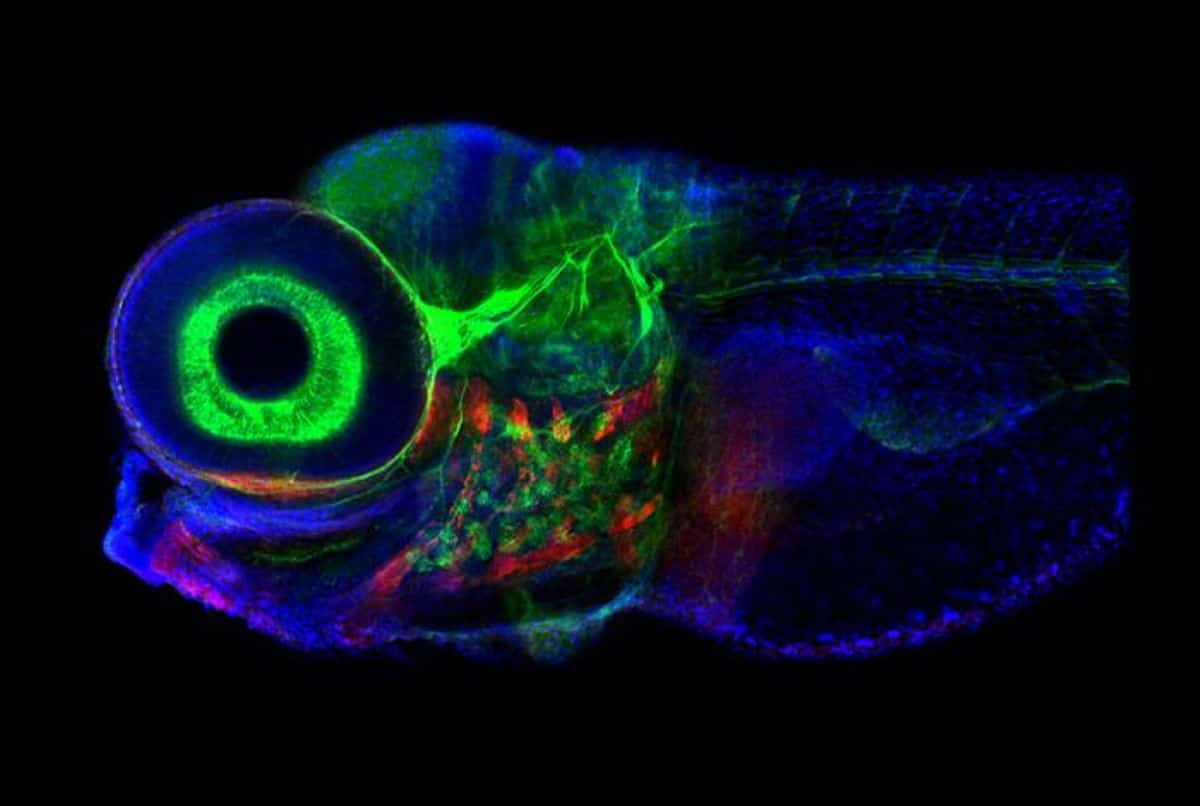
Zebrafish Brainstem Reveals Neural Pathways for Gaze and Memory

Researchers at Weill Cornell Medicine used zebrafish larvae to study how brainstem neurons guide gaze and maintain short-term memory. By mapping neuronal circuits, they developed a computational model that accurately predicted network activity, offering insights into visual-motor systems and potential treatments for eye movement disorders. The study highlights the zebrafish's simple neural anatomy as a valuable model for understanding complex brain functions.


health1 year ago

"The Impact of Sleep Deprivation on Memory"

Sleep deprivation, even just one night of less than six hours of rest, can impair short-term memory and hinder the brain's ability to form and recall memories. The longer one goes without adequate rest, the greater the burden on the brain, with extreme sleep deprivation causing behavior similar to intoxication. Lack of REM sleep, which occurs in the final hours of rest, may lead to difficulty remembering things, increased irritability, and anxiety.

health-and-wellness2 years ago

"Mastering Focus: How to Stay on Track and Avoid Distractions"

Short-term memory lapses are usually normal and occur when our brains fail to save information as long-term memories. Our working memory can only hold about four or five thoughts or tasks at a time, and unless these thoughts go through the encoding process, they won't be saved permanently. To improve short-term memory, experts suggest repeating and reciting information, assigning meaning to it, using visual or emotional cues, and setting information to music. Prioritizing sleep and exercise also play a crucial role in enhancing memory.

neuroscience2 years ago

Physical Tasks Distract Older Adults More Than Younger Adults.

Older adults are more likely to be distracted by irrelevant items while performing physical tasks, compared to younger adults. A new study evaluated the interaction between physical exertion and short-term memory performance in the presence or absence of distractions. Under high physical effort, older adults were less able to ignore distracting information and focus on relevant information, suggesting that age-related cognitive declines may be amplified during simultaneous physical actions. These findings highlight the need for further understanding of the interaction between cognitive and physical actions as we age.

neuroscience2 years ago

The Role of Memory in Learning and Memory Retention.

Short-term motor memories, lasting less than a minute, are more important for relearning movements than long-term ones, according to a new study by Harvard researchers. The study challenges conventional thinking on the role of short and long-term memories in relearning motor skills, indicating the existence of mechanisms for regulating the learning rates for memories that are distinct from the memories themselves. Understanding short-term motor memories is crucial, as they could be just as vital as long-term ones for executing actions effectively.

neuroscience2 years ago

The Science of Memory and Reading: Insights into Brain Activity.

Rhythmic brain activity plays a crucial role in temporarily storing important information in memory, allowing overlapping populations of neurons to store different pieces of information simultaneously. Brain rhythms help to balance focus on the task at hand with being prepared for the unexpected, potentially explaining how we can stay focused while multitasking. The strength of internal representations of different images alternated over time, on a sub-second timescale, with rhythmic fluctuations in brain activity. The Fiebelkorn lab is now studying how the brain multitasks and how these processes go awry in neurological disorders.

science2 years ago

Study Shows Unreliable Short-Term Memory Formation in Seconds

A new study has found that people can form false memories of an event within seconds of it occurring, shaped by their expectations of what should happen. The research focused on the potential inaccuracy of short-term memory, with participants asked to recall letters that were sometimes reversed in orientation. The findings indicate that our memory starts being shaped almost immediately by our preconceptions, with people's short-term memory better when they had to be especially quick on their feet. The study's authors hope to keep testing the fallibility of short-term memory in other ways.