Tag

Shooting Stars

All articles tagged with #shooting stars

Aurigid Meteor Shower Peaks Overnight on August 31

Originally Published 4 months ago — by Space

Featured image for Aurigid Meteor Shower Peaks Overnight on August 31
Source: Space

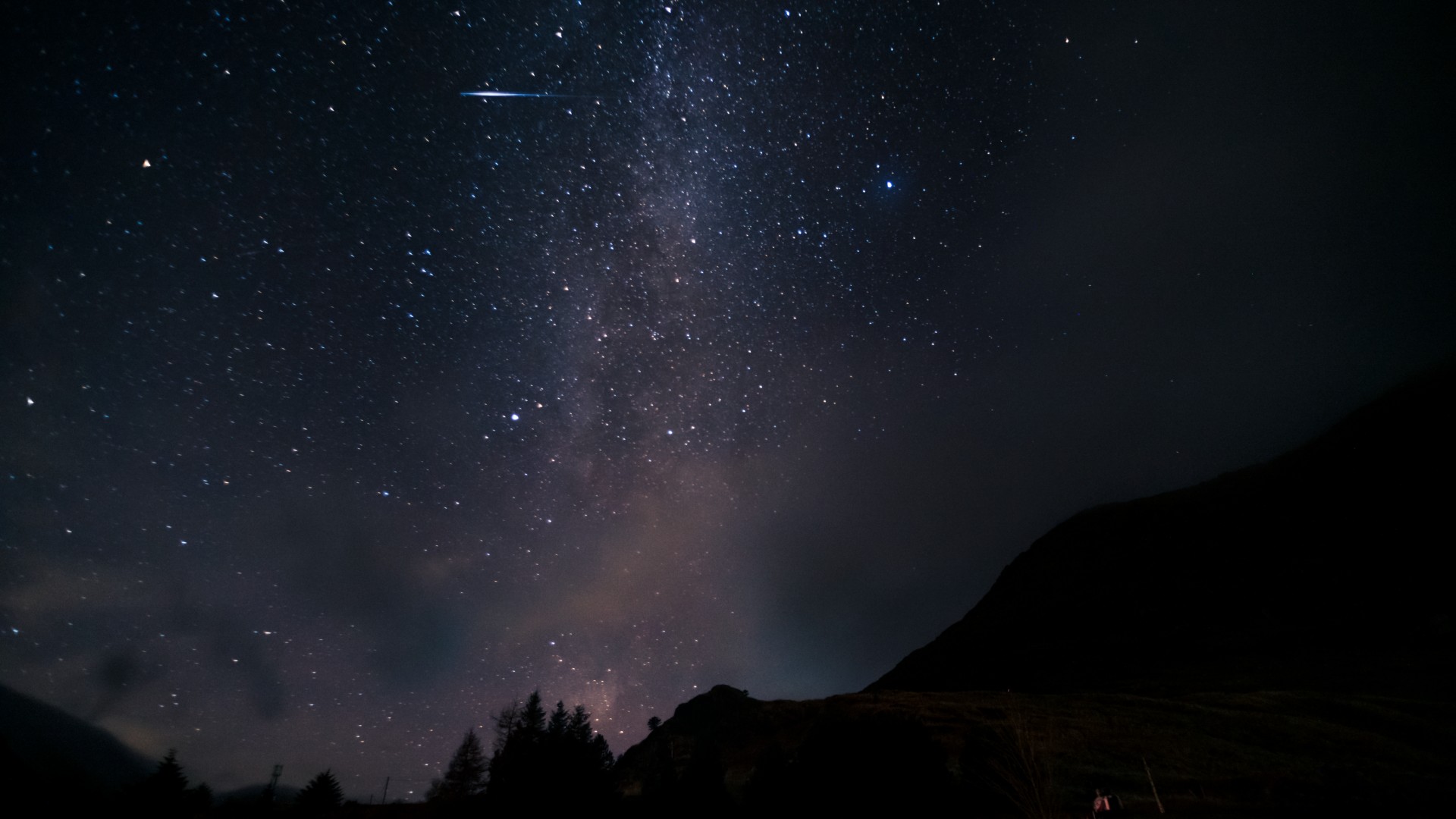
The Aurigid meteor shower peaks on August 31, offering a chance to see up to six shooting stars per hour as Earth passes through debris from comet C/1911 N1 Kiess, with the best viewing time in the early hours of September 1 in the eastern sky. Stargazers are advised to look away from the radiant near theta Aurigae and can enhance their experience with suitable cameras like the Nikon Z6 II.

Perseid Meteor Shower 2025: Viewing Tips Despite the Full Moon

Originally Published 5 months ago — by Live Science

Featured image for Perseid Meteor Shower 2025: Viewing Tips Despite the Full Moon
Source: Live Science

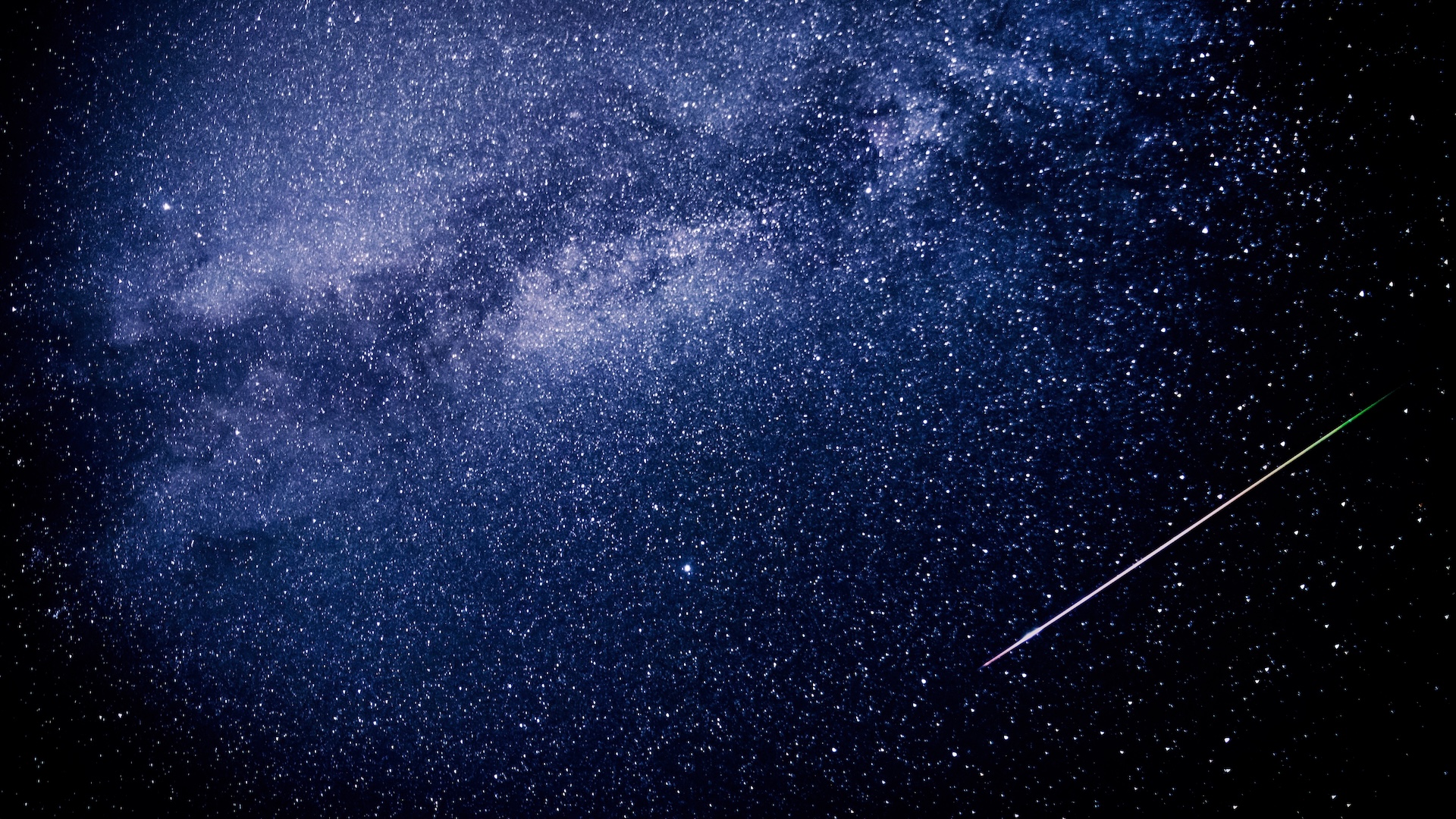
The 2025 Perseid meteor shower will peak on August 12-13, but bright moonlight from the nearly full moon will make viewing challenging. Despite the moon's interference, some meteors will still be visible, especially if viewers watch with their backs to the moon and manage expectations for fewer shooting stars. The best viewing window is around the peak night, with the moon tracing a low arc across the sky, and the radiant point in Perseus rising in the northeast.

Double Meteor Shower Peaks This Week: Best Viewing Tips

Originally Published 5 months ago — by Yahoo Home

Featured image for Double Meteor Shower Peaks This Week: Best Viewing Tips
Source: Yahoo Home

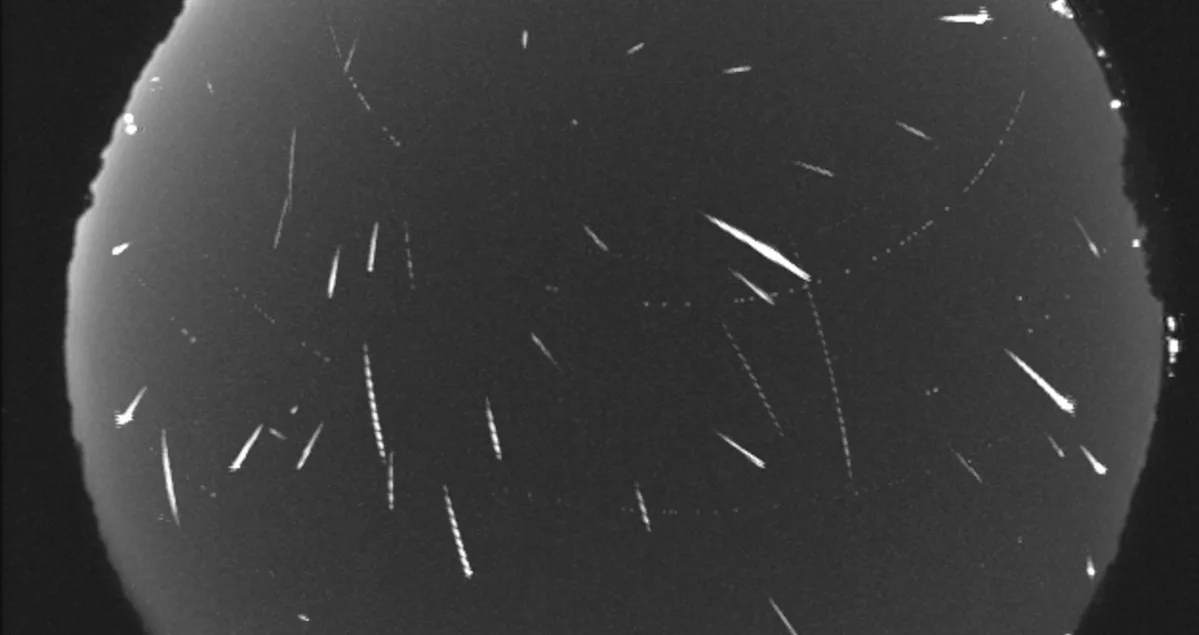
Two meteor showers, the Southern Delta Aquariid and the Alpha Capricornid, will peak simultaneously in the early morning hours of July 30, offering a spectacular view of up to 20-30 meteors per hour for observers in dark, clear skies, especially in the Southern Hemisphere, with minimal moonlight interference.

Best Time to Watch Multiple Meteor Showers in Late July

Originally Published 5 months ago — by Forbes

Featured image for Best Time to Watch Multiple Meteor Showers in Late July
Source: Forbes

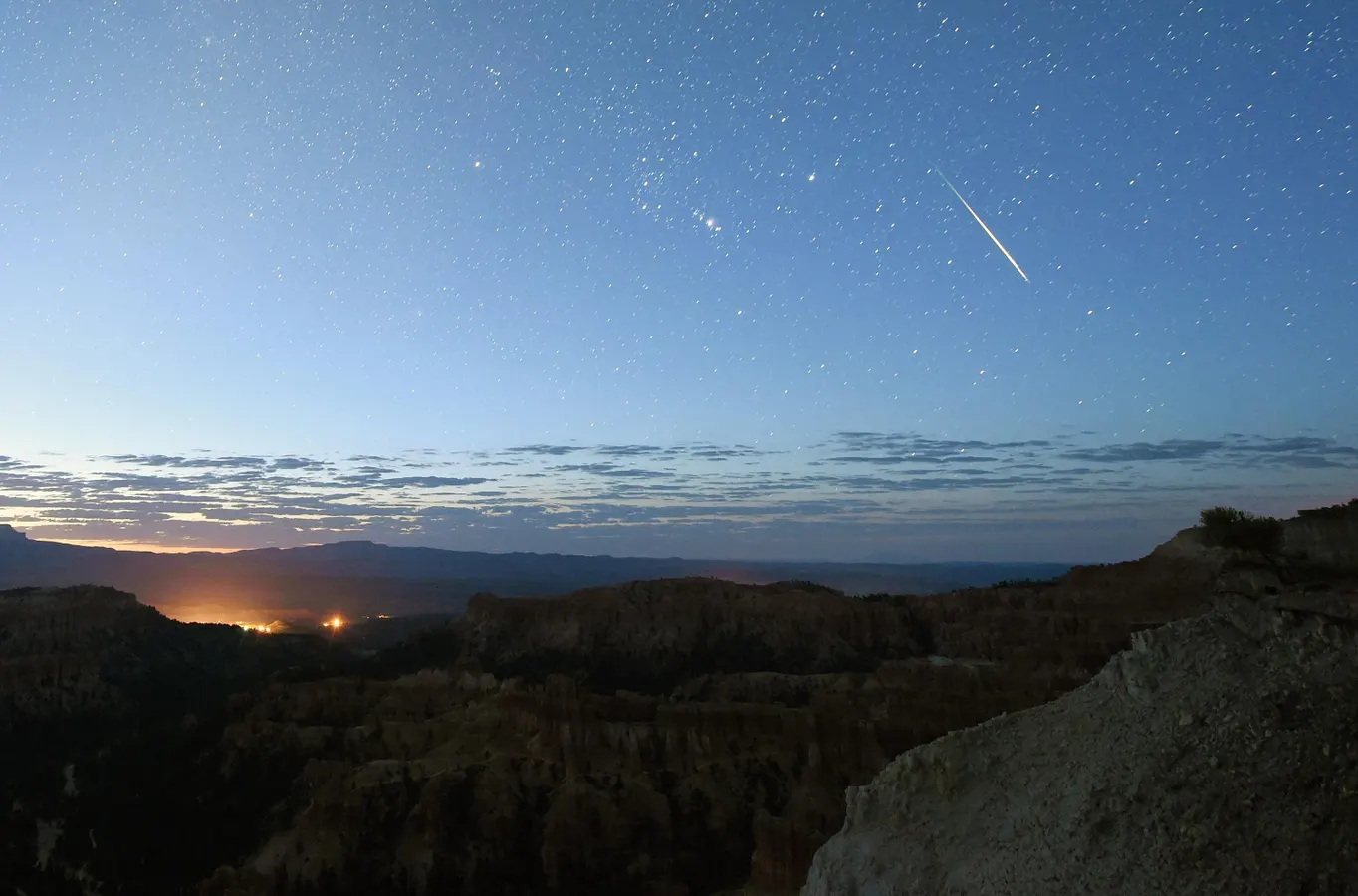
This week marks the peak of three meteor showers, including the famous Perseids, with the best viewing conditions occurring around 3 a.m. in North America, especially in southern regions. The Perseids will be less intense in 2025 due to the full moon, but other showers like the Piscis Austrinids, Southern delta Aquariids, and alpha Capricornids offer good opportunities for stargazing. The next major shower after Perseids will be the Orionids in October.

"Anticipating the 2024 Lyrid Meteor Shower: What to Expect This Weekend"

Originally Published 1 year ago — by Space.com

Featured image for "Anticipating the 2024 Lyrid Meteor Shower: What to Expect This Weekend"
Source: Space.com

The annual Lyrid meteor shower is set to peak on April 22, but this year's display is expected to be hindered by a bright waxing gibbous moon, making it difficult to see all but the brightest meteors. The Lyrids are known for their fast and brilliant meteors, with an average velocity of 30 miles per second, and about 5 to 10 meteors can usually be seen each hour under good skies. These meteors are debris left behind by the long-departed comet Thatcher, and their paths appear to diverge from a spot near the star Vega in the constellation of Lyra. While the Lyrids are typically a weak display, they have a history of surprising observers, making them worth watching.

"2024 Lyrid Meteor Shower: Where and How to Watch the Spectacular Event"

Originally Published 1 year ago — by Livescience.com

Featured image for "2024 Lyrid Meteor Shower: Where and How to Watch the Spectacular Event"
Source: Livescience.com

The Lyrid meteor shower has begun, with its peak expected to bring hundreds of shooting stars and "fireballs" to the night sky later this week. The event, caused by Earth passing through the debris field of Comet C/1861 G1 Thatcher, will peak between April 21 and 22, with dozens of meteors visible per hour. However, this year's peak coincides with a nearly full "pink moon," potentially reducing visibility. The best time to view the Lyrids will be just before dawn on April 22, with the shower best seen in the Northern Hemisphere away from city lights. If you miss the peak, viewing opportunities will still be available on the nights surrounding it.

"Halley's Comet Meteor Shower: Witness the Spectacular 'Shooting Stars' Peak"

Originally Published 1 year ago — by Forbes

Featured image for "Halley's Comet Meteor Shower: Witness the Spectacular 'Shooting Stars' Peak"
Source: Forbes

The Eta Aquariid meteor shower, caused by debris from Halley's Comet, will peak on the night of May 4-5, 2024, producing between 10 and 30 "shooting stars" per hour. The best viewing time is after dark, with the skies darkest around midnight, and the radiant point in the constellation Aquarius. Additionally, the Perseids meteor shower, caused by debris from comet Swift-Tuttle, will peak on August 12-13, 2024, producing over 100 bright and fast-moving meteors per hour.

"2024 Meteor Showers: Rare Glastonbury Tor Sighting and Viewing Tips"

Originally Published 2 years ago — by MLive.com

Featured image for "2024 Meteor Showers: Rare Glastonbury Tor Sighting and Viewing Tips"
Source: MLive.com

The American Meteor Society has compiled a list of meteor showers visible in the Northern Hemisphere in 2024, offering tips for optimal viewing. Meteor showers such as the Quadrantids, Lyrids, Eta Aquarids, Southern Delta Aquariids, Alpha Capricornids, Perseids, Orionids, Taurids, Leonids, Geminids, and Ursids will provide opportunities to witness shooting stars and fireballs throughout the year, with peak nights ranging from January to December. Factors such as weather and moon phase should be considered for the best viewing experience.

"Mark Your Calendars: Must-See Skywatching Events in 2024"

Originally Published 2 years ago — by Martha Stewart

Featured image for "Mark Your Calendars: Must-See Skywatching Events in 2024"
Source: Martha Stewart

The Quadrantid meteor shower, known for its impressive light show, is set to peak on January 4. During its short peak, observers may see anywhere from 60 to 200 shooting stars per hour. The shower is known for its bright fireball meteors, which originate from larger particles of material. To view the Quadrantids, find a dark area away from city lights and lie flat on your back with your feet facing northeast.