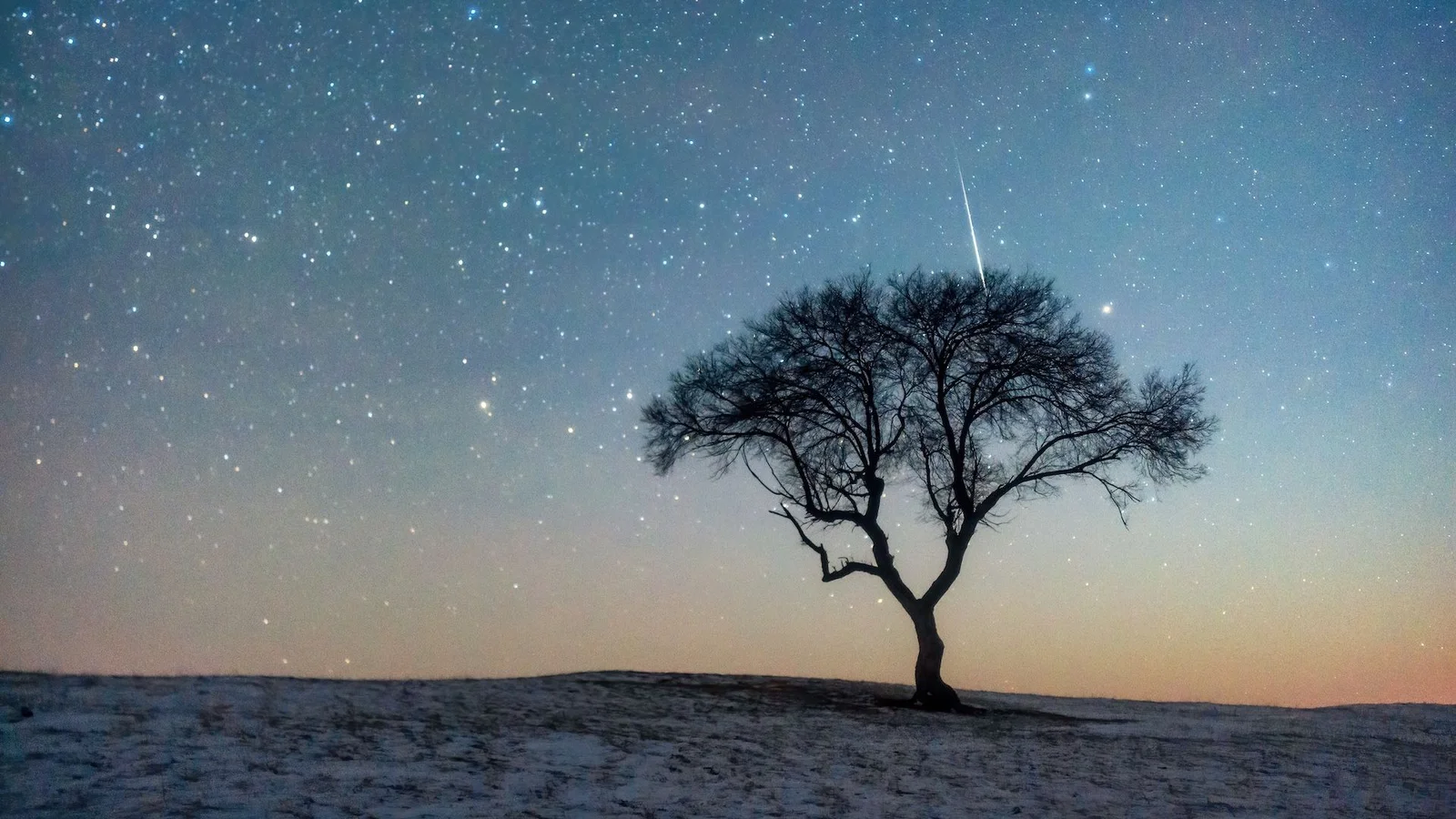
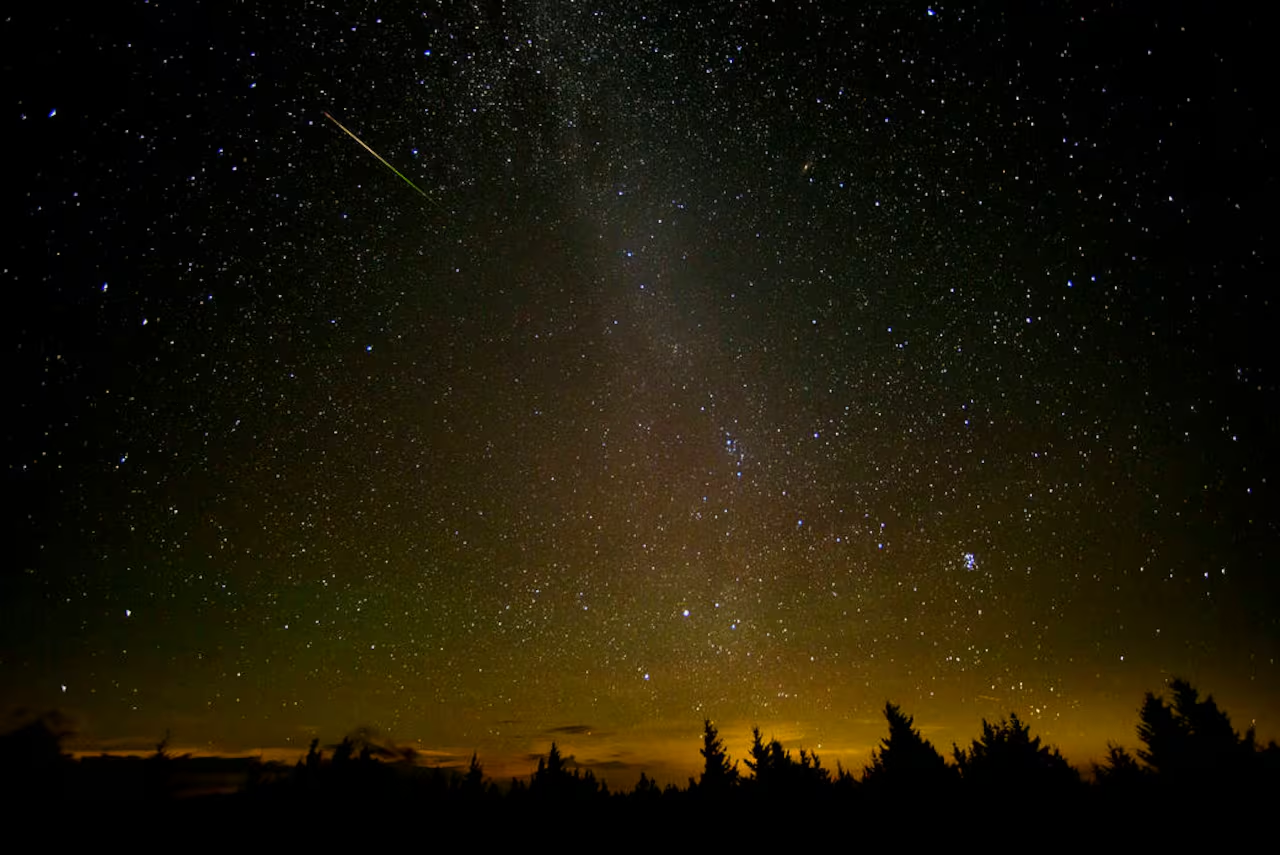
The Leonid meteor shower will peak on November 17, offering up to 15 meteors per hour during a nearly moonless night, making it one of the best viewing opportunities in recent years for stargazers, especially between midnight and dawn.
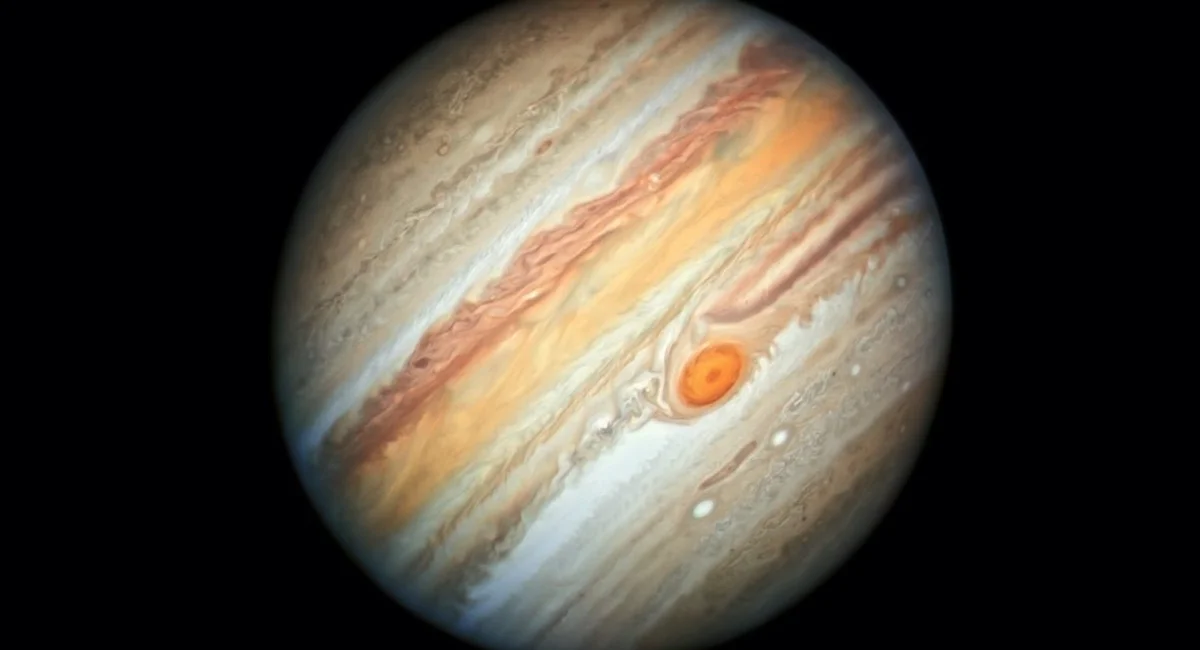
In November, sky watchers in New York City can enjoy the sight of a bright Jupiter, the Taurids and Leonids meteor showers, and the peak settings of the Perseus family of constellations. Jupiter will be at its closest point to Earth on November 1-2 and fully illuminated on November 2. The Taurids meteor shower will peak on November 5-6, followed by the Leonids meteor shower on November 17-18. Jupiter's four largest moons, known as the Galilean moons, will be visible alongside the planet. Sky watchers can also locate constellations by using the Big Dipper as a guide.
November will bring three meteor showers, the Southern Taurid, Northern Taurid, and Leonid, providing stargazers with overlapping opportunities to witness shooting stars. The Taurids are known for producing fireballs, while the Leonids are bright with persistent trains. The best viewing for the Taurids will be around midnight on November 11-12, with an average rate of 5-10 meteors per hour. The Leonids will peak on the night of November 17-18, with an average rate of 15-20 meteors per hour. This November will be a meteor-rich month, making it a great time for stargazing.
In 1833, North America witnessed a massive meteor shower, with 150,000 meteors per hour lighting up the sky. At the time, it was interpreted as something supernatural, but it was later discovered to be the Leonids meteor shower, which occurs every 33 years. The meteors originate from the Tempel-Tuttle comet and are as small as 10mm. The last major Leonid storm was in 2002, and this year's sighting is expected between November 17 and 18. Denison Olmsted's public appeal for witness testimonies is credited as the first use of crowdsourcing for scientific research.