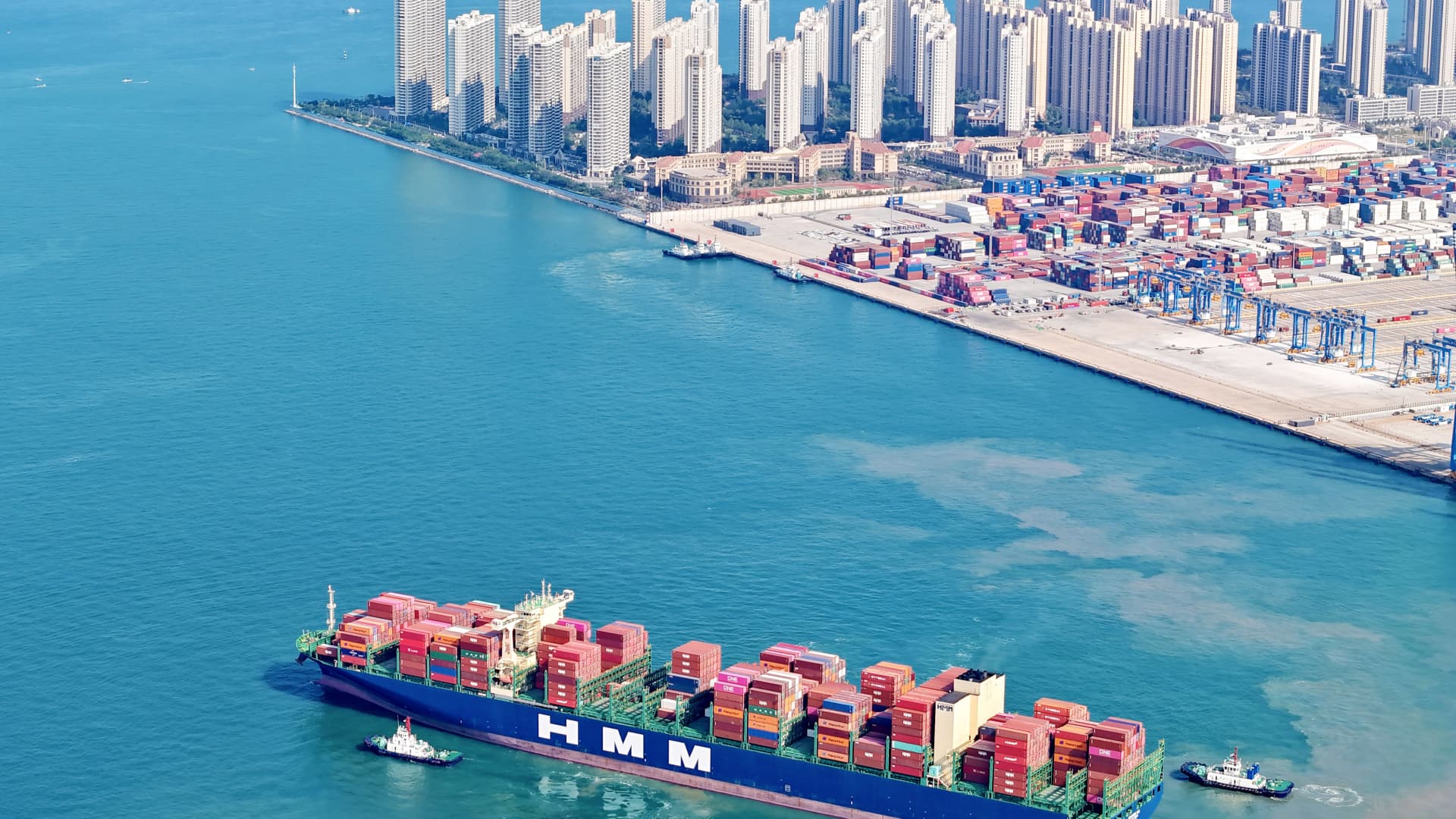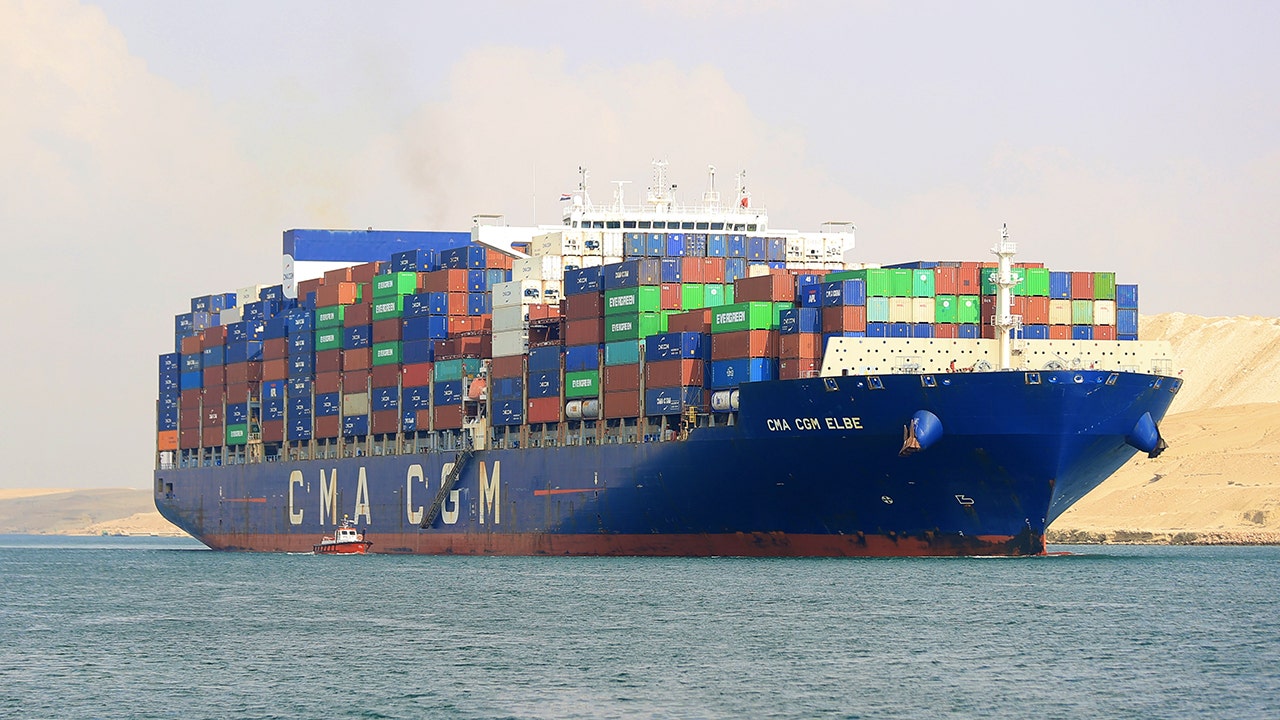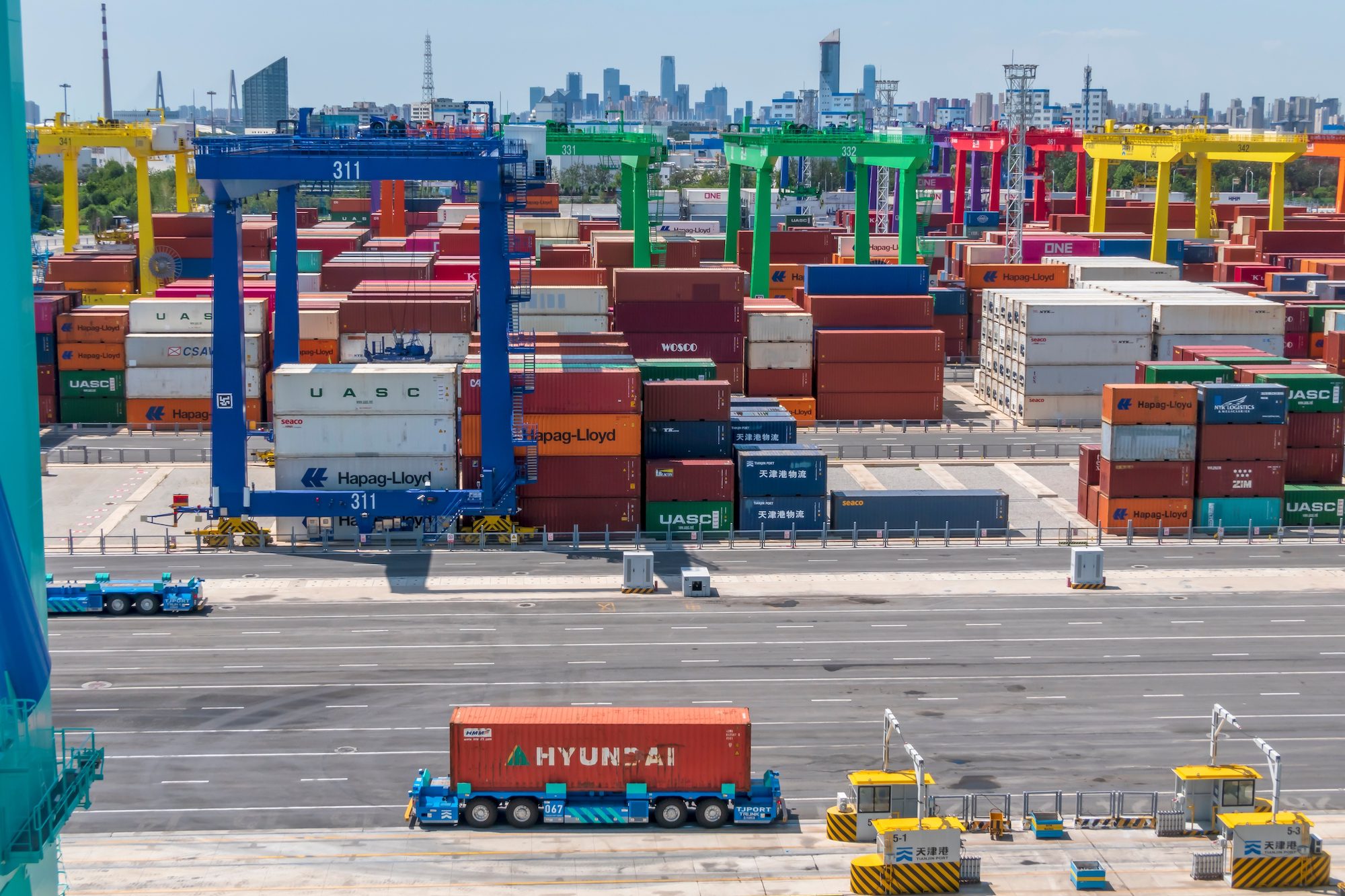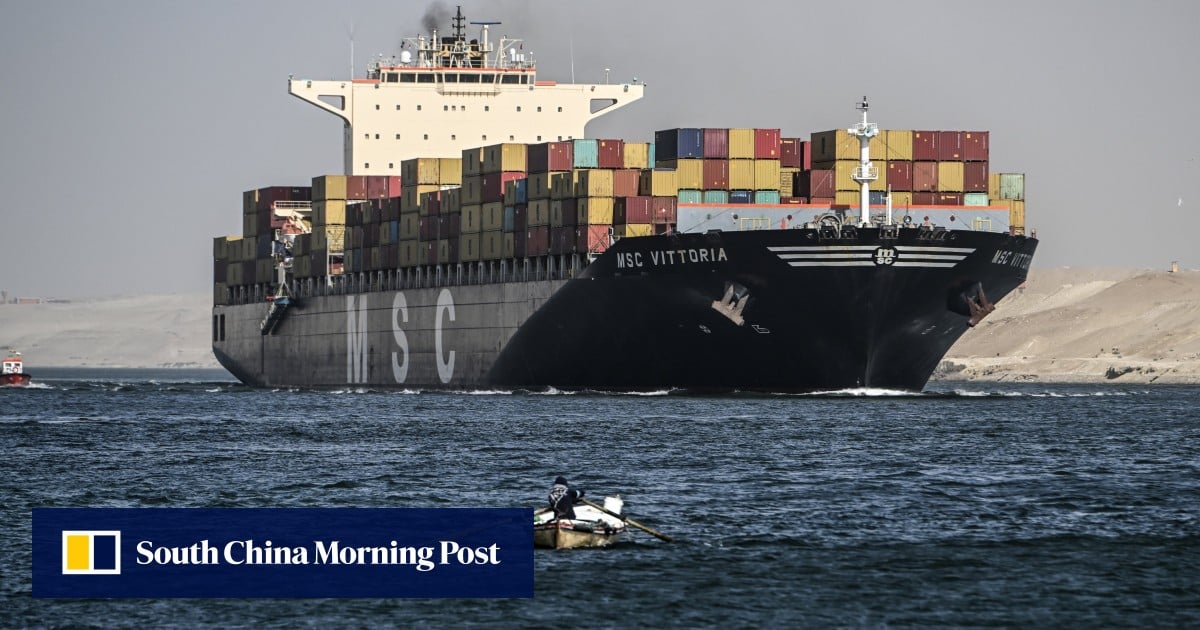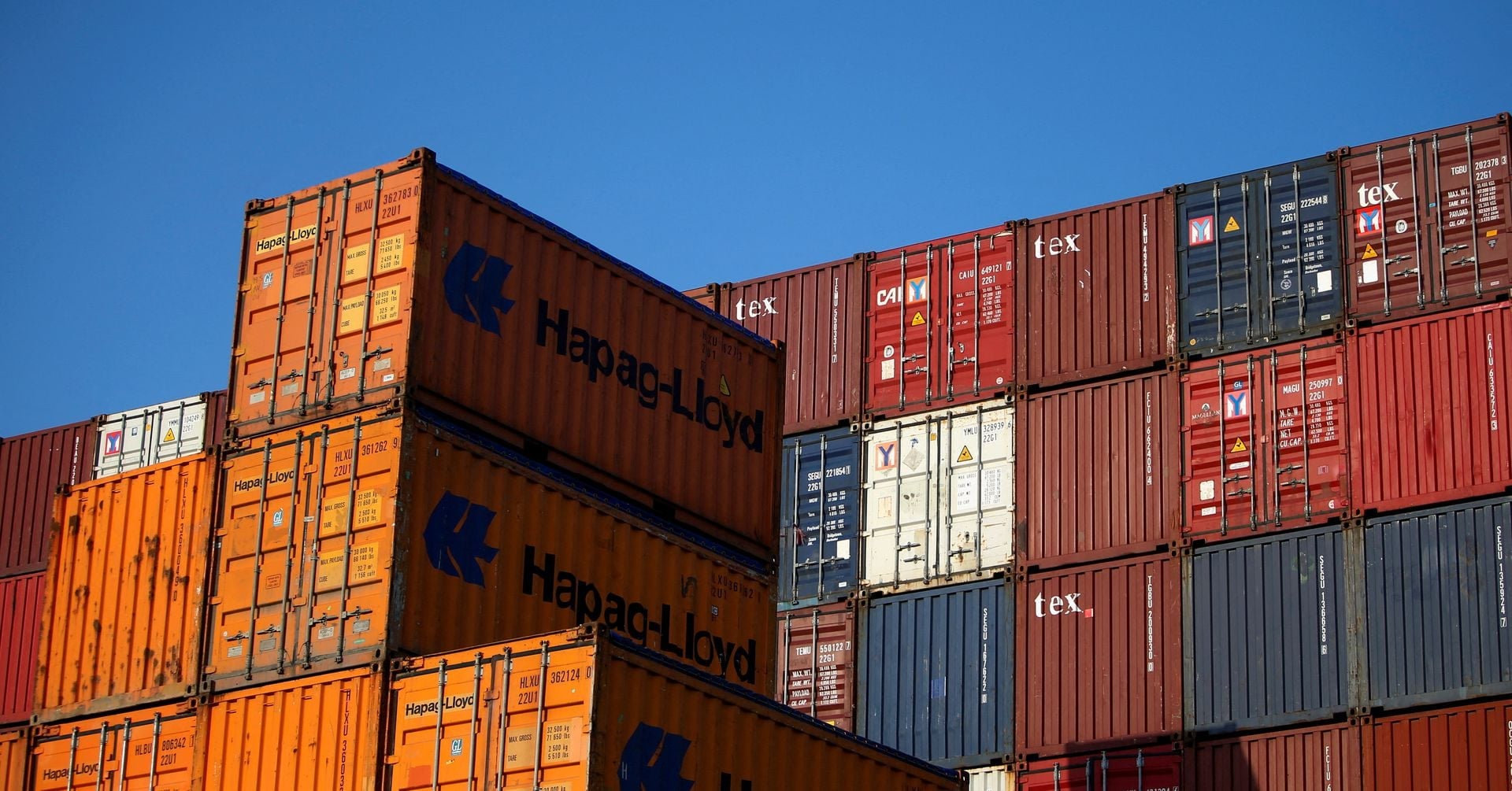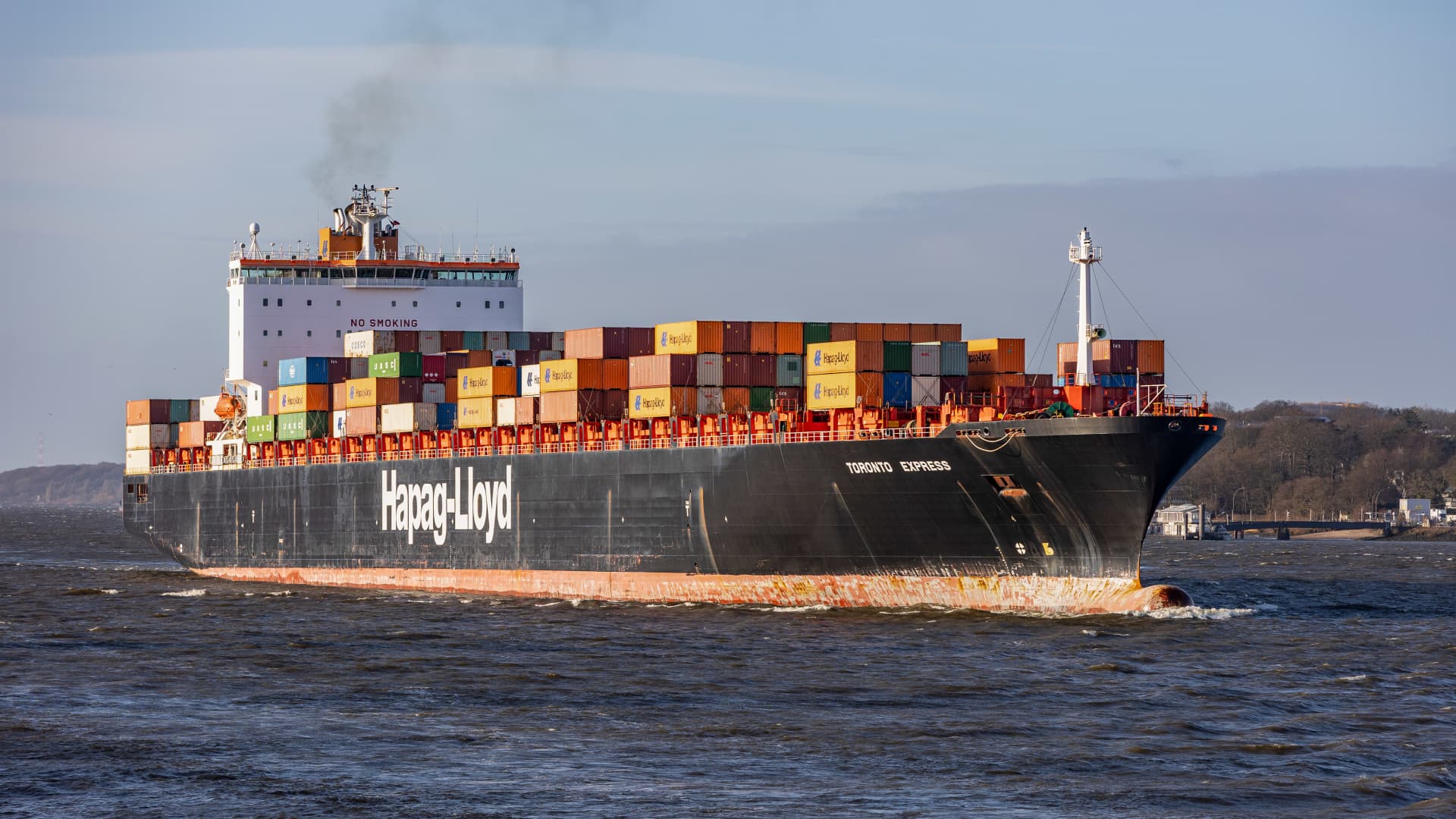
CEO Rolf Habben Jansen of Hapag-Lloyd, the world's fifth-largest ocean carrier, expresses optimism for trade demand in the second half of 2024, despite a drop in 2023 net profit and increased costs due to Red Sea diversions. The company is facing challenges from attacks in the Red Sea, increased emissions, and a longer shipping route. Hapag-Lloyd has formed a new ocean alliance with Maersk to improve schedule reliability, and U.S. shippers are preparing for potential port strikes during the peak shipping season.

Yemen's Houthi rebels claim to possess a new hypersonic missile, potentially escalating their attacks on shipping in the Red Sea and surrounding areas, as well as increasing pressure on Israel. The claim, reported by Russia's state media, comes amid indirect talks between Iran and the U.S. in Oman and raises concerns about the Houthis' capabilities and Iran's involvement in arming them. The hypersonic missile, if confirmed, could pose challenges to air defense systems and potentially change the dynamics of the conflict in the region.
The Red Sea crisis has caused a surge in ocean freight rates, but there are signs of relief as rates on key trade routes from Asia to the U.S. and Europe are beginning to decline. Despite ongoing maritime threats, data from Xeneta shows a slight decrease in rates, providing some relief for U.S. importers. However, rates are still significantly elevated compared to December. The timing of these rate decreases could impact negotiations between carriers and shippers, and upcoming manufacturing volumes out of Asia post-Lunar New Year may influence pricing for the rest of the year.
Attacks on container vessels in the Red Sea by Iran-backed Houthi militants have caused significant disruptions to global trade, leading to weeks of delays and an estimated $1 million in extra costs per ship for rerouting around the area. This has prompted concerns about potential consumer price rises and supply chain disruptions, with shipping companies experiencing increased fuel and insurance costs, as well as higher freight rates. While the current crisis has impacted global shipping costs, it is not as severe as the pandemic peak, and the inflation outlook will depend on factors such as the duration of the crisis and potential escalation of the Israel-Hamas conflict.
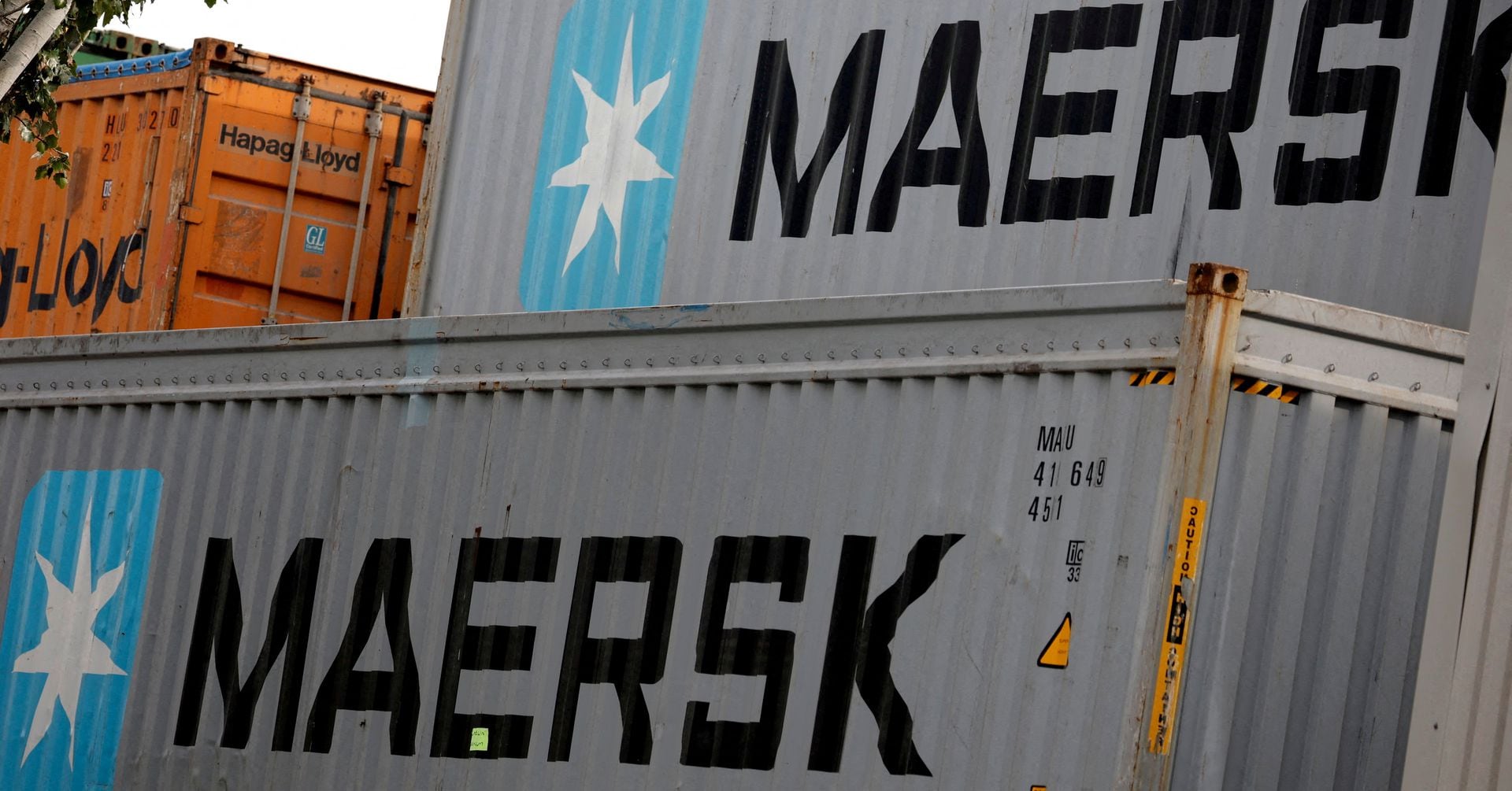
Maersk warned that container shipping overcapacity would impact profits more than expected this year and downplayed the boost from the jump in freight rates due to Red Sea disruptions, leading to a 17% plunge in its shares. The company suspended its share buyback program and expects the oversupply of vessels to affect earnings in the coming years, with a projected underlying EBITDA of $1-6 billion for 2024, below analyst expectations. CEO Vincent Clerc cautioned against expecting a significant profit boost from the Red Sea crisis and emphasized the long-term impact of overcapacity on shipping prices.
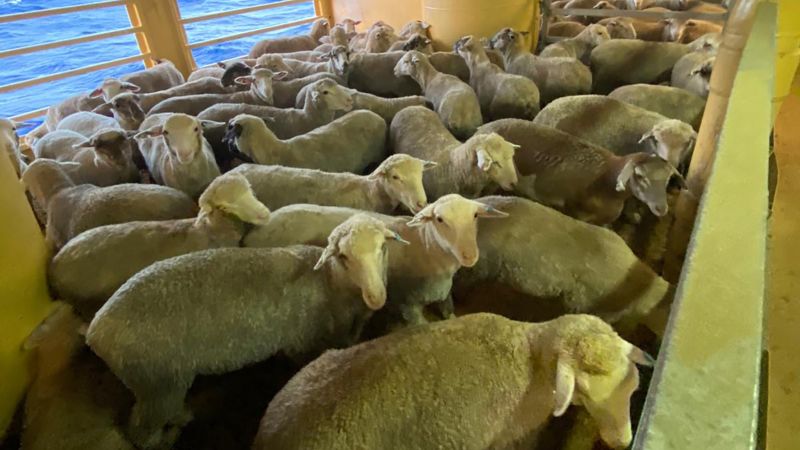
Thousands of sheep and cattle are stranded off the coast of Australia after their Israeli-owned ship was ordered to turn back due to fears of being targeted by Houthi rebels in the Red Sea. The animals have been at sea for over three weeks, and concerns are growing about their welfare as temperatures rise. While the government has stated that there are no significant health or welfare issues, animal welfare advocates are urgently calling for the animals to be offloaded. The situation has sparked debate about Australia's live export trade and the prioritization of revenue over animal welfare.
Analysis of trade data suggests that the supply chain inflation caused by the Red Sea crisis may have peaked on key global trade routes, with rates on ocean routes from Asia to Europe and the Mediterranean beginning to decline, while U.S.-bound trade prices are still climbing. The slight decrease in rates is attributed to negotiations between shippers and ocean carriers, with some shippers managing to agree to lower rates. However, concerns about potential congestion and increased dwell times at ports and rail-bound container facilities are emerging, with experts warning of potential ripple effects on West Coast ports after Lunar New Year.
Escalating tensions in the Red Sea, due to attacks by Iranian-backed Houthis, have disrupted the crucial trade route for ships moving from Asia to Europe, significantly increasing shipping costs and causing delays for Indian exports such as Basmati rice, tea, spices, and buffalo meat. The crisis could cost India more than $30bn in exports for the fiscal year ending March, impacting about 6.8 percent of its annual exports. The chaos has also led to concerns about supply-chain disruptions, higher consumer costs, and delayed shipments of imports like sunflower oil and fertilizers, posing a risk to India's trade and food security.
Houthi attacks in the Red Sea have caused a rapid surge in ocean freight rates, surpassing the speed of increase seen during the initial phase of the Covid-19 pandemic, according to Xeneta. Shipping costs on main routes from the Far East to Europe have risen over 200% within the first 52 days of the crisis, leading to disruptions and suspicions among shippers about carriers trying to maintain high rates. While the crisis's immediate impact is significant, it's not expected to be as long-lasting as the pandemic, and rates are anticipated to decrease once carriers can handle the capacity shortage in the Far East.
Israeli liner shipping company Zim has experienced a significant financial turnaround, going from massive losses to becoming a money-making machine in just two months, thanks to attacks by Houthi rebels on vessels in the Red Sea. The NYSE-listed carrier, led by chief executive Eli Glickman, has been upgraded as its financial fortunes have been reversed, marking a remarkable transformation for the company.
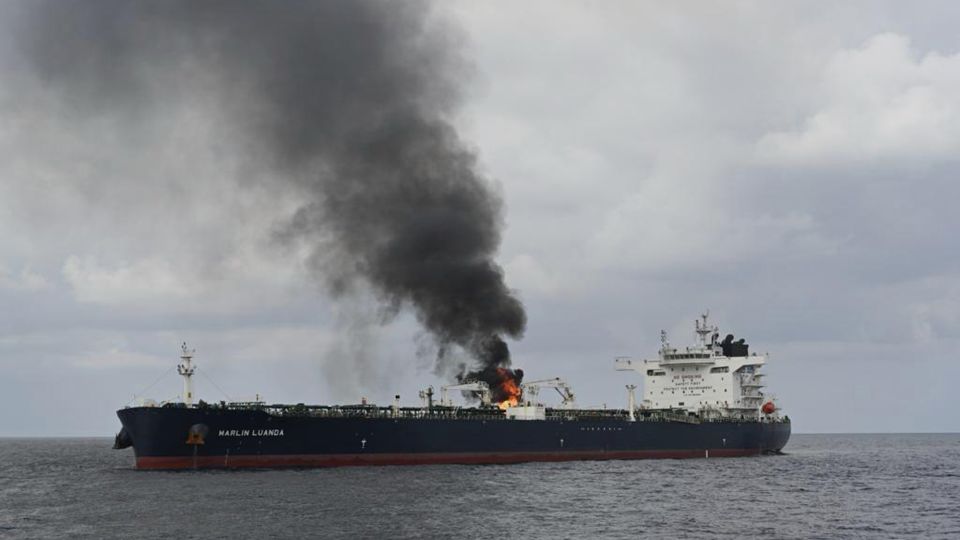
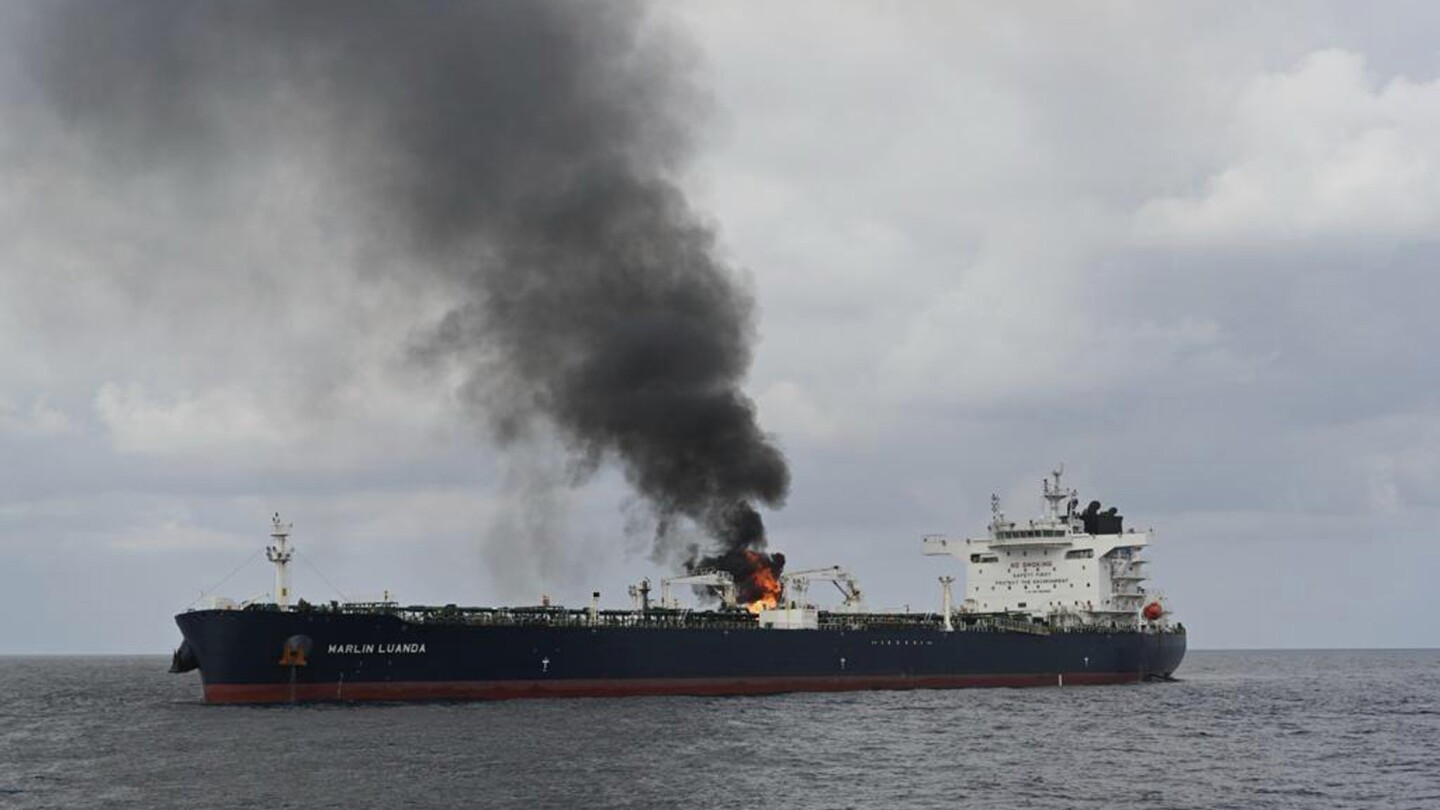
A Marshall Islands-flagged tanker hit by a Houthi missile off Yemen was extinguished by its crew after hours of fire, complicating the Red Sea crisis amid the conflict between the rebels and the US. The tanker carried Russian-produced naphtha, drawing Moscow further into the conflict, and the US conducted a strike against a Houthi anti-ship missile. The Indian navy assisted in fighting the fire, and the rebels have threatened to target American and British ships. Another incident involving armed individuals near a vessel in the Arabian Sea was reported, possibly linked to increased Somali pirate activity.
Global shipping rates have surged as Houthi attacks on commercial vessels in the Red Sea prompt diversions and surcharges, with rates for shipping from Asia to Northern Europe spiking 461%. About 15% of world shipping traffic passes through the Suez Canal, but many ships are now circumventing Africa due to the attacks. The disruptions are causing significant cost increases, delays, and fears of inflation, with concerns about the impact on global trade routes and potential consequences for global growth.
Disruptions to Red Sea freight due to Yemen's Houthi attacks are causing shipping costs to surge, threatening the survival of Chinese exporters like Han Changming's trading company. The vulnerability of China's export-reliant economy to supply snarls and external demand shocks has been exposed, with potential impacts on global supply chains and a shift towards "near-shoring" production. The disruptions are compounding existing challenges for the struggling Chinese economy, with concerns about delayed shipping, container shortages, and the potential closure of companies with shrinking margins.
The Red Sea crisis has caused shipping prices between Europe and China to soar, prompting Chinese firms to seek contingency plans ahead of the Lunar New Year. The crisis, which has led to a decrease in cargo ships passing through the Suez Canal, is impacting China's fragile export growth and its belt and road projects in the region. Firms are considering alternatives such as rail and air transportation, but these options are not sufficient to make up for the volume of goods transported by sea. The ongoing crisis is expected to result in higher transport costs and delays, with the main factor being how the security situation in the Red Sea develops.
Germany's chemicals sector, the country's third-biggest industry, is facing supply disruptions and higher freight costs due to delayed shipments via the Red Sea, as container shippers have diverted vessels away from the Suez Canal following attacks by Yemen's Houthis. This challenge comes on top of higher energy and materials costs, impacting companies' production and leading to frank discussions with customers. While some companies are mitigating the impact by ordering earlier and switching to air freight, others are less affected due to strong regional footprints and sufficient safety stocks.