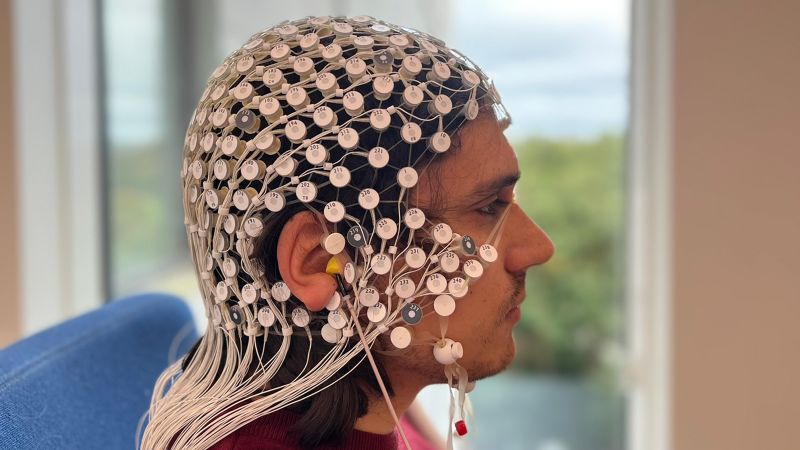
Early research suggests a brain test measuring serotonin levels via EEG could predict antidepressant-related sexual side effects, potentially allowing for more personalized depression treatment to minimize these issues.
A small group of Canadian doctors specializing in women's sexual health are addressing the lack of support for common issues like low libido, difficulty achieving orgasm, and pain during intercourse. These doctors, trained by the International Society for the Study of Women's Sexual Health, are working to overcome cultural shame and knowledge gaps about female anatomy. Despite the demand for such services, access remains limited, with clinics often overwhelmed by patient referrals. Treatments include medications like flibanserin and non-medical tools such as clitoral suction devices.
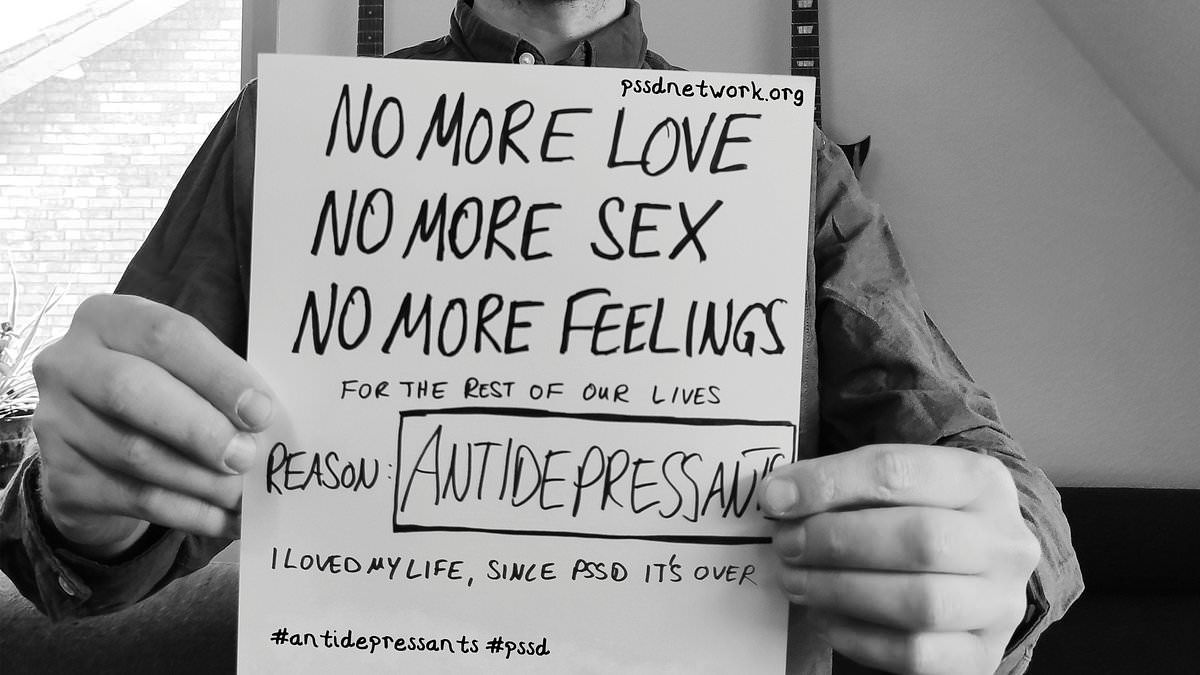
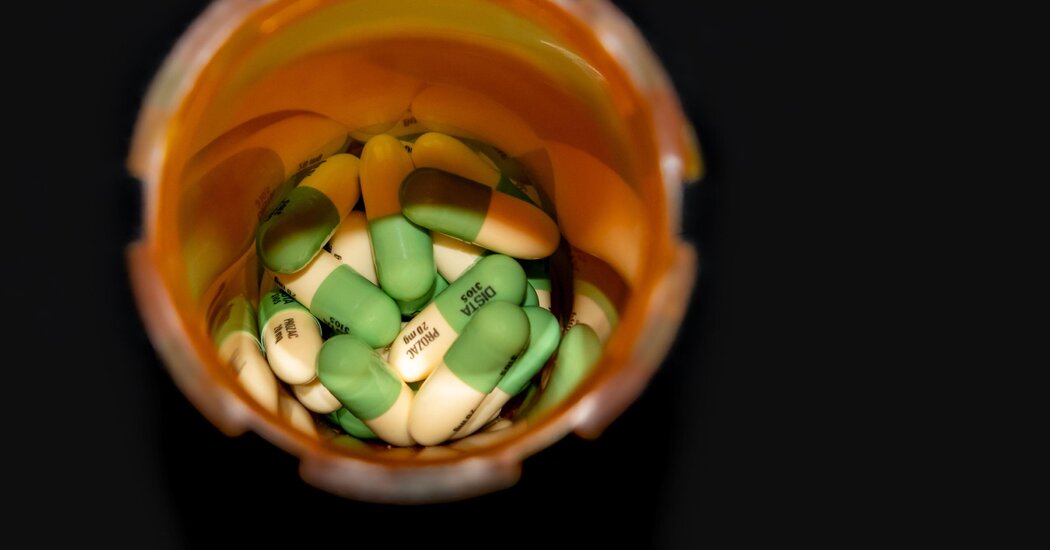
Patients across the US, Canada, and Europe are reporting long-term sexual dysfunction and other severe side effects after discontinuing selective serotonin reuptake inhibitors (SSRIs) like Prozac. Despite FDA warnings about potential sexual side effects, many claim these issues persist for years, leading to a lawsuit against the FDA for inadequate warnings. The condition, known as post-SSRI sexual dysfunction (PSSD), has been acknowledged by health authorities in Canada and Europe, but remains a significant concern for affected individuals.
The FDA is being sued for allegedly ignoring evidence that antidepressants, specifically SSRIs, can cause long-term sexual dysfunction even years after discontinuation. The lawsuit, filed by Dr. Antonei B. Csoka, claims that the FDA has failed to warn patients and doctors about the potential for permanent sexual side effects, a condition known as Post-SSRI Sexual Dysfunction (PSSD). Despite similar warnings in Europe and Canada, the FDA has not updated its guidelines, leaving many former patients with severe and lasting sexual health issues.
A study published in the Journal of Affective Disorders Reports found that 19% of individuals without prior sexual issues reported encountering sexual problems related to the usage of at least one antidepressant. The survey involved 900 people aged 18 to 64 with major depressive disorder, categorizing them based on their antidepressant use over the past year into continuers, switchers, and discontinuers. The study sheds light on the experiences of antidepressant use, highlighting the impact of treatment-emergent sexual dysfunction and the reasons for continuing therapy, switching to a different antidepressant, and discontinuation.
Antidepressants, particularly SSRIs, can lead to sexual dysfunction for 40-60% of users due to their impact on neurotransmitters, blood flow, and muscle systems. Treatment options include adjusting medication dosage, switching to alternative medications like bupropion, or adding non-psychiatric medications. Clinical trials are also underway for topical sildenafil to improve arousal and orgasm. It's important to work with a doctor to find the best solution, and alternative methods such as sex toys can also help mitigate the effects of antidepressant-induced sexual dysfunction.
A first-of-its-kind study suggests that COVID-19, particularly long COVID, may be linked to impaired sexual function in cisgender women, affecting desire, arousal, lubrication, and satisfaction. Led by Amelia M. Stanton, the research found that women with long COVID experienced more significant impairment than those with only COVID. While the study has limitations and focuses solely on cisgender women, the researchers hope their findings will prompt discussions between clinicians and patients about sexual function and provide valuable insights for both.
A small but vocal group of patients is speaking out about severe sexual problems that have endured even long after they stopped taking selective serotonin reuptake inhibitors (SSRIs), the most popular type of antidepressants. These patients report a loss of libido, pleasureless orgasms, and numb genitals, leaving them unable to enjoy sex or sustain romantic relationships. While the safety label on some SSRIs warns that sexual problems may persist after discontinuation, the chronic condition known as post-SSRI sexual dysfunction remains contested among some psychiatrists who argue that it may be a recurrence of depression. Researchers are only beginning to quantify the prevalence of these long-term problems, and clinical trials have not followed people after they stop the drugs to determine whether the sexual problems stem from the medications.
Some patients are reporting severe and lasting sexual problems even after discontinuing selective serotonin reuptake inhibitors (SSRIs), the most commonly prescribed antidepressants. These sexual side effects, including loss of libido and numb genitals, have been devastating for patients, leaving them unable to enjoy sex or maintain romantic relationships. While the safety label on Prozac acknowledges that sexual problems may persist after discontinuation, researchers are only beginning to quantify the prevalence of this condition known as post-SSRI sexual dysfunction. Some psychiatrists argue that these issues may be a result of recurring depression, while others believe it is a distinct condition. Clinical trials have not followed patients after they stop taking SSRIs to determine the cause of these sexual problems.
Living with diabetes can have a significant impact on one's sex life, with both men and women experiencing sexual dysfunction. Poorly managed blood sugar levels can lead to a loss of sex drive and difficulty becoming physically aroused. Conditions such as obesity, high blood pressure, sleep apnea, and depression, which often accompany diabetes, can also compromise libido. Men with diabetes are more likely to experience erectile dysfunction, while women may experience vaginal dryness and urinary tract infections. To maintain a healthy sex life, it is important to eat right, exercise regularly, take medications as prescribed, manage stress, and be consistent in following these practices.
The relationship between alcohol and orgasms is complex and not well-researched. Small amounts of alcohol can enhance arousal and decrease inhibitions, but large amounts can suppress arousal and delay or prevent orgasm. Alcohol releases dopamine and enhances the effects of GABA, which slows down the brain and promotes relaxation. However, alcohol can hinder the brain's ability to process sexual stimuli and coordinate muscle contractions necessary for orgasm. The impact of alcohol on orgasms depends on factors such as frequency and quantity of drinking. Chronic, heavy alcohol use has been linked to sexual dysfunction in both men and women. If alcohol is affecting your ability to orgasm, it may be helpful to seek guidance from a healthcare professional or sex therapist.
Delayed ejaculation, the condition where men have difficulty reaching orgasm within a reasonable amount of time, is a little-talked-about problem. It affects an estimated 1% to 4% of men and is the least studied and understood of male sexual dysfunctions. Communication with your partner is crucial to address the issue and avoid feelings of failure or anxiety. Medical issues, such as low testosterone or certain medications, can contribute to delayed ejaculation, so it's important to rule out any underlying health problems. Changing routines, reducing desensitization, and exploring different forms of stimulation can also help. If the problem persists, seeking the help of a sexual medicine doctor or sex therapist is recommended.
Men over 50, especially those who are overweight, have asthma, or smoke, should consider practicing pelvic floor exercises to prevent incontinence later in life. While pelvic floor exercises are commonly associated with women's health, they are also crucial for men as they play a role in erectile function and can help with issues such as urinary incontinence and sexual dysfunction. Pelvic floor exercises involve lifting and squeezing the pelvic floor muscles, and they have been shown to strengthen these muscles and improve control. Men who have had prostate surgery or suffer from pelvic floor weakness can benefit from these exercises, which can be done while sitting, standing, or lying down.
A protein called PIEZO2, known for its role in sensing light touch, has been found to be involved in normal genital sensitivity. Researchers discovered that mice lacking PIEZO2 had reduced ability to feel gentle touch in their genital regions, while still being able to sense unpleasant sensations. The study also involved five individuals born without PIEZO2, who reported a lack of response to genital light touch but were still sexually active and able to become aroused. Further research is needed to determine if manipulating PIEZO2 could help individuals with sexual dysfunction or hypersensitivity.
A long-term clinical trial conducted by Edith Cowan University (ECU) has found that supervised exercise interventions can significantly benefit prostate cancer patients suffering from sexual dysfunction, a common side effect of treatment. The study showed that exercise not only improved sexual health outcomes but also had positive effects on overall physical strength and well-being. The findings highlight the importance of exercise as an integral part of prostate cancer treatment and call for its routine prescription to improve the quality of life for affected individuals.